The discharge decluttering method offers a compassionate way to part with sentimental items. These belongings often hold deep connections, making them tough to let go. However, through a mindful approach, this method transforms the process into a more manageable experience.
If previous decluttering tactics have fallen short, consider this unique approach. It permits emotional engagement while facilitating the decision to let go.
Here, professional organizers explain the discharge decluttering method, and I share my personal journey with it, as someone who holds onto many sentimental treasures.
Understanding the Discharge Decluttering Method
Developed by minimalist author Jennifer Burger, this method encourages individuals to showcase sentimental items in their homes, live with them for a period, and then evaluate their continued significance.
This time allows for reflection on attachment, aiding clearer decision-making when decluttering.
Kimberly Corey, a certified professional organizer and owner of Finely Sorted Organizing, explains, "Gradually integrating sentimental items into your space helps manage the emotions tied to them, making it easier to determine what to keep or part with."
"These conversations with yourself about each item's relevance can ease the decluttering process for those struggling with sentimentality," she adds.
The discharge decluttering method ranks among the most effective strategies for dealing with sentimental belongings, as it minimizes the overwhelm associated with sorting through boxes of long-stored items.
By surrounding yourself with these items, they transform from forgotten artifacts into visible parts of your daily life, making the editing process simpler than if they were hidden away.
Steps to Implement the Method
Approach this process with patience, avoiding a rush to the end goal of minimalism.
Ben Soreff, a professional organizer at House 2 Home Organizing, advises, "Letting go is a gradual process, not an endpoint. It's vital to create a thoughtful plan rather than simply discarding items."
When clients struggle with letting go, it often signals unaddressed feelings about their belongings.
Once you recognize this, follow these steps:
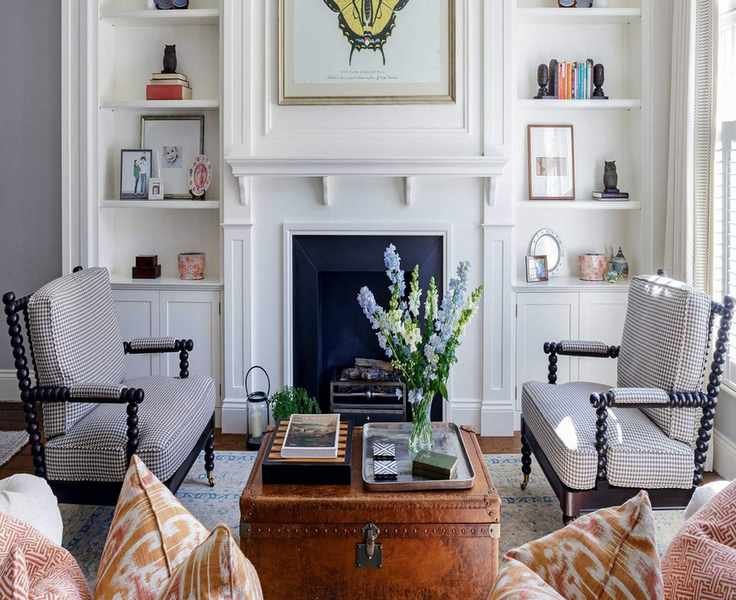
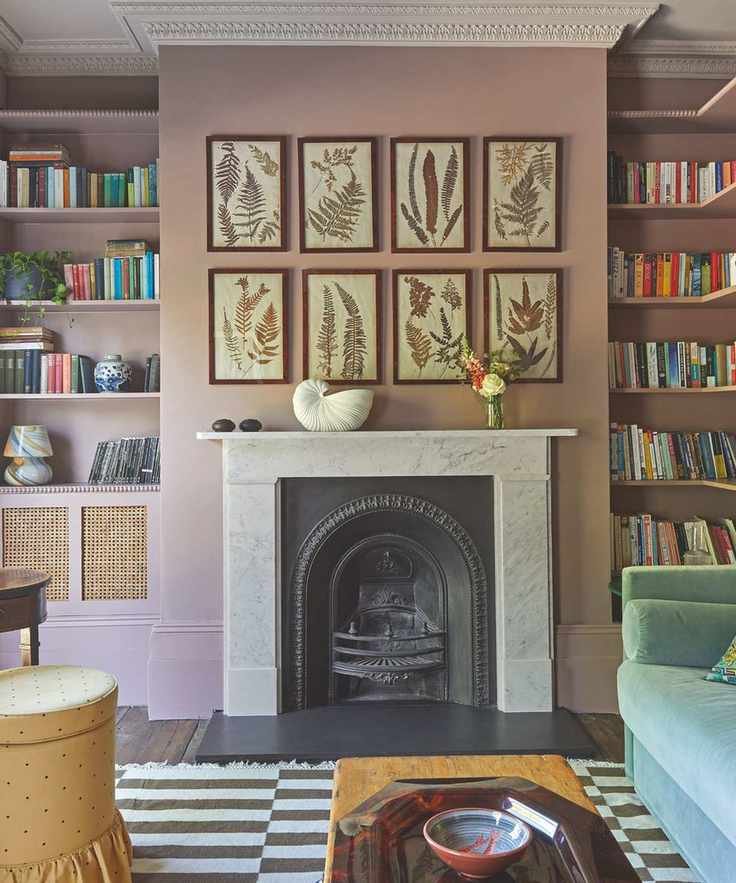
- Begin by collecting your sentimental items and choose how many to display prominently in your home—on countertops, tables or walls, depending on the items.
- Position these items around your space and immerse yourself in living with them.
- When you're ready, gather the items again and assess which ones you feel prepared to release.
My Experience with the Method
As someone attached to many sentimental items, I was eager to try this slow decluttering method. My collection ranged from my first Barbie doll to beach arcade figurines, photos, and even pebbles.
Displaying these items highlighted their randomness. Some evoked negative memories, while others I had completely forgotten about. This experience resonated with the fantasy self decluttering concept.
It was refreshing to revisit my collection instead of quickly sorting through a box. However, it prompted me to reflect on the true significance of each item.
Did I need the physical object to remember the memory? Could someone else appreciate it more if I chose to pass it on?
The beauty of this method lies in its flexibility; you can take as much time as needed. I only needed a long weekend to explore my items, but you may require longer if you have more to process.
As Kimberly noted, "This method simplifies the letting go process for items with strong sentimental value, and your timeline will depend on your emotional connections."
Final Thoughts
Overall, I found this decluttering method to be both thoughtful and effective. I didn't feel pressured to hastily empty my box of sentimental belongings, and it turned out to be an enlightening experience.
Engaging in this process, whether for a few days or longer, challenges your perspective on belongings and their emotional ties. It reveals which items genuinely matter, insights you wouldn't gain if they remained hidden.
If you have numerous cherished items, this gradual approach may suit you well, making it an excellent starting point. Consider giving it a try!
Organizational Tools
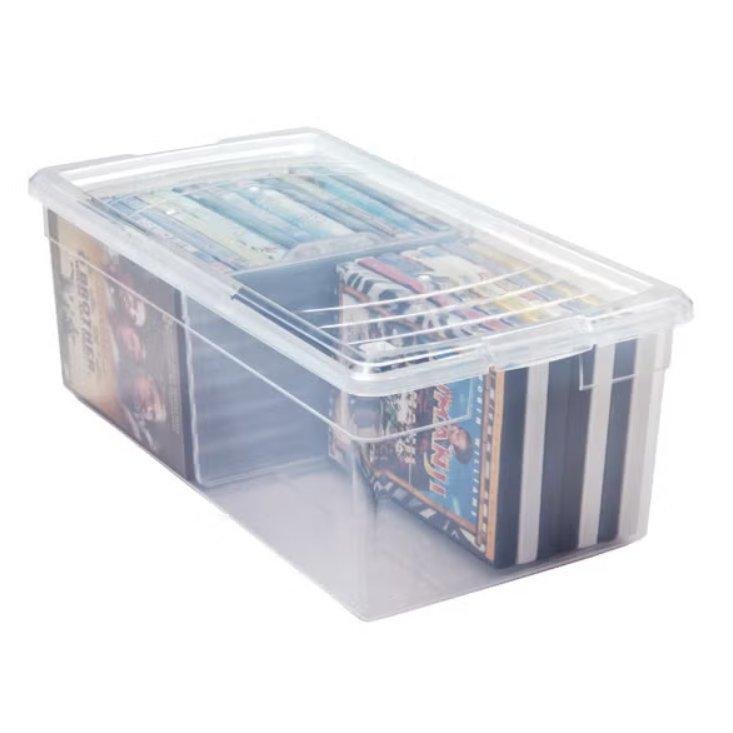 Stackable
This compact, clear box is ideal for organizing small sentimental items, ensuring they remain accessible. Designating a space for your belongings helps prevent additional clutter.
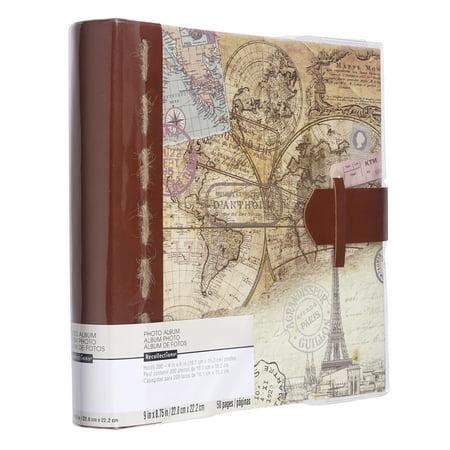 50 pages
Organizing your photographs into photobooks is a smart way to preserve memories while minimizing clutter.
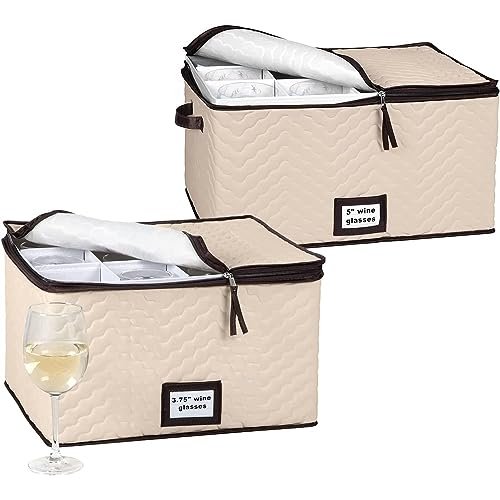 Pack of two
Though designed to hold glasses, these boxes are perfect for safeguarding sentimental items. Each box features 12 compartments for organization.
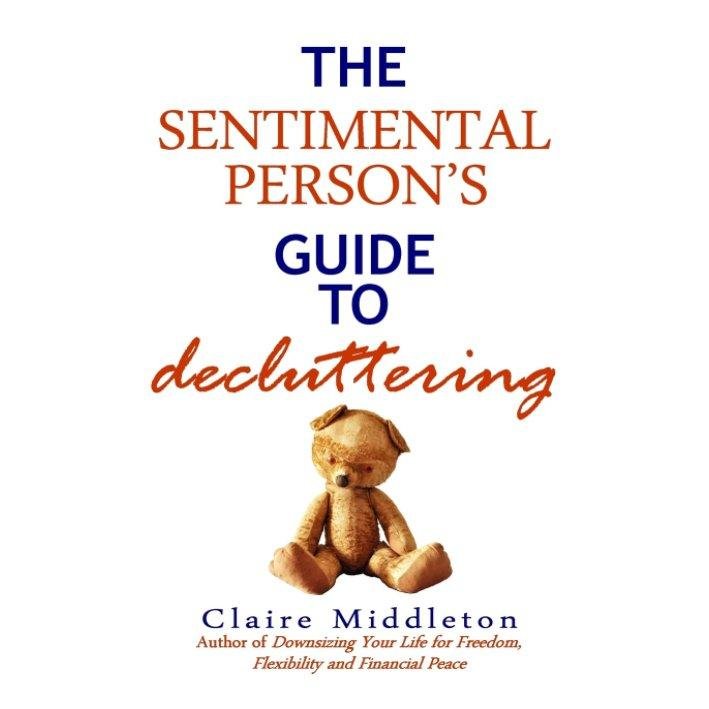 Step-by-step guide
This guide offers practical advice for those easily attached to their belongings.
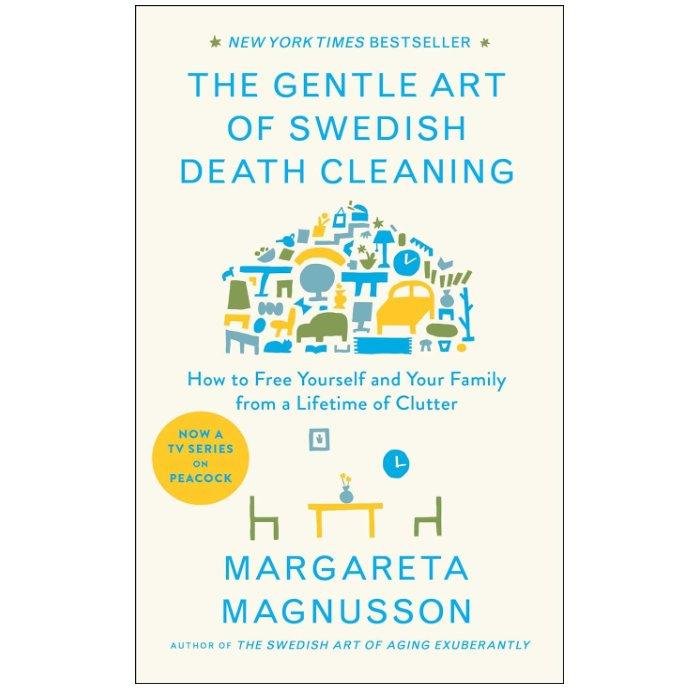 Bestseller
This insightful book discusses decluttering and how addressing sentimental items today can assist loved ones later in discerning what truly mattered to you.
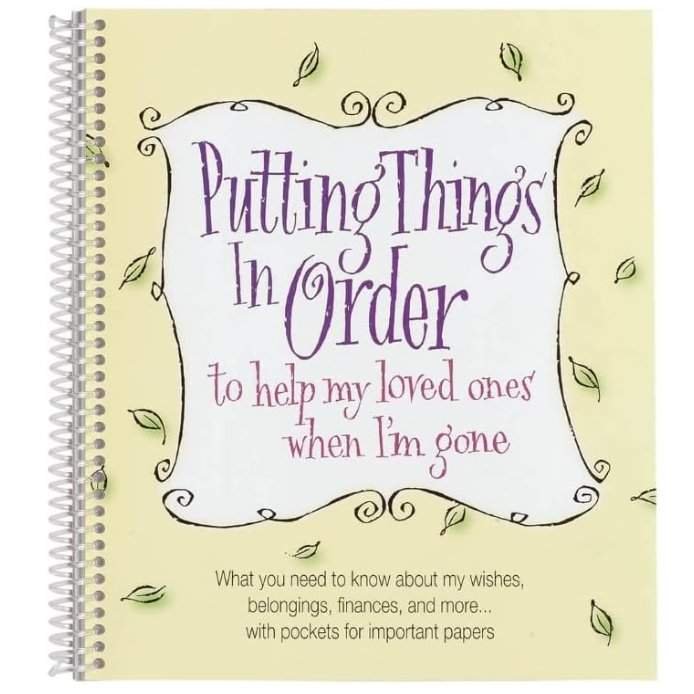 Amazon's Choice
This reflective book on organizing encourages consideration of how to handle the sentimental items of others, emphasizing the benefits of early decluttering.
Expert Insights
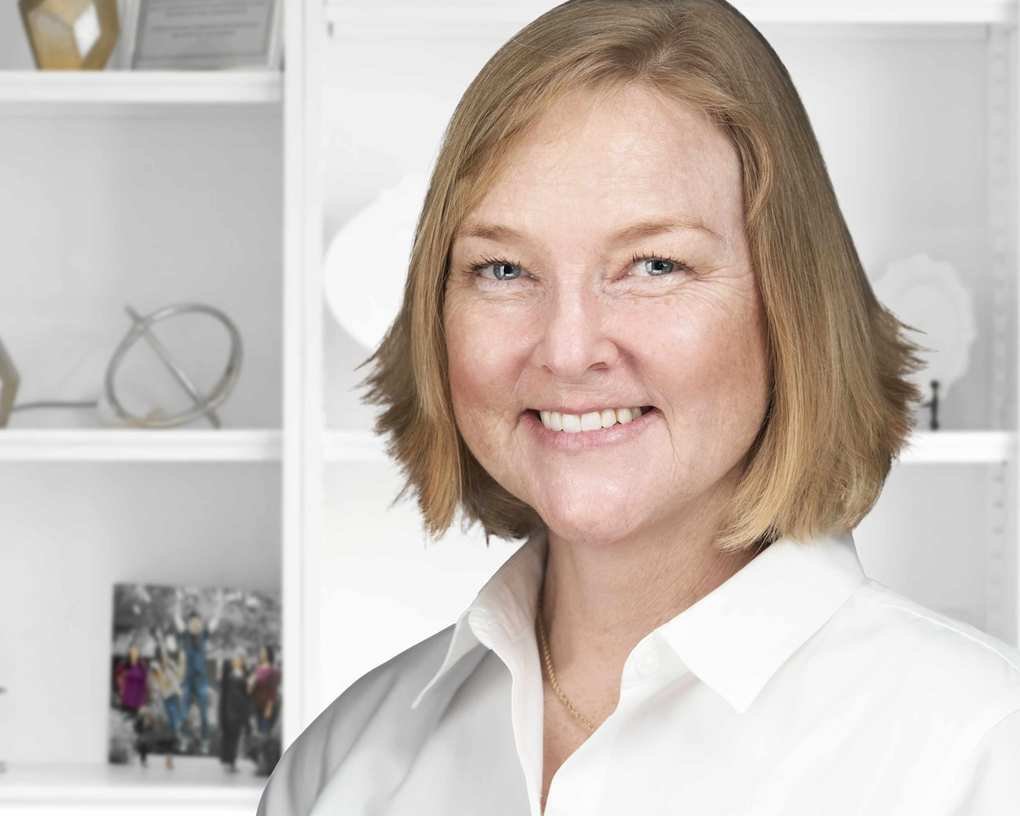
Kimberly Corey is a Certified Professional Organizer® and a Certified Virtual Organizing Professional. Since 2000, she has assisted numerous clients in achieving tranquility and efficiency in their homes and offices, addressing emotional attachments as well as organization strategies.

As a member of House 2 Home Organizing, Ben specializes in helping clients tackle clutter, particularly those with strong attachments to sentimental items.
If you find the discharge decluttering method appealing, consider exploring the reverse decluttering method as well. This approach focuses on what to keep rather than what to discard, promoting a positive mindset while addressing those sentimental items taking up space.