
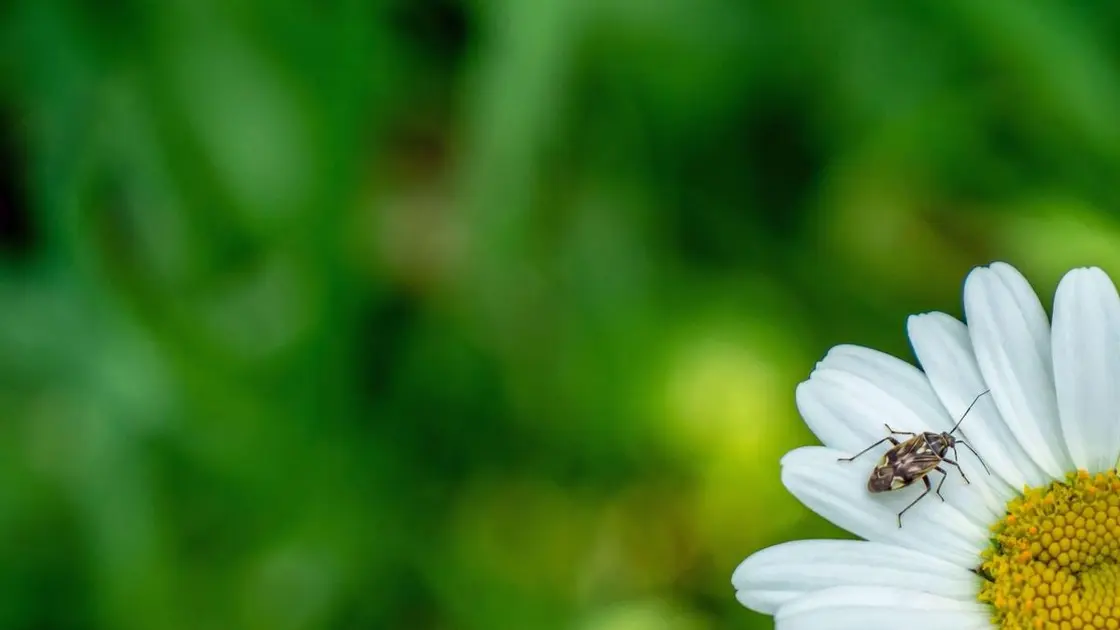
Tarnished plant bugs are widespread nuisances that can inflict severe damage on both edible and decorative plants. They primarily trouble fruit and vegetable growers by feeding on plants, leading to issues like deformed produce and wilting foliage.
These pests, known scientifically as Lygus lineolaris, are prevalent across North America. Their rapid life cycle allows for 2-3 generations in a single season, which can complicate management for gardeners.
If you cultivate a vegetable garden, maintain flower beds, or grow flowering plants or fruit trees, be vigilant; tarnished plant bugs can wreak havoc. These tiny pests are deceptively damaging. So, how can you recognize them and effectively manage their presence?
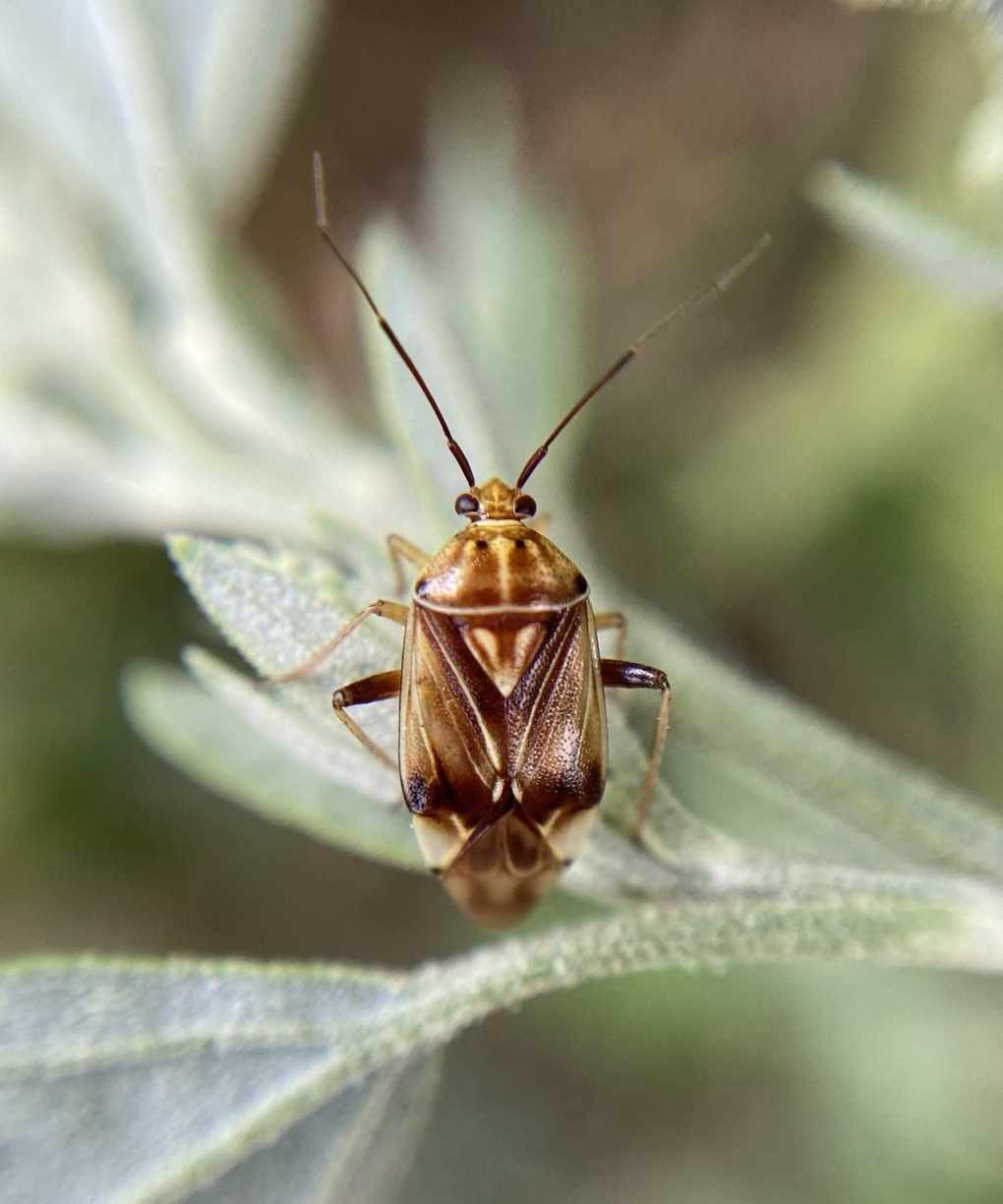
Plants Vulnerable to Tarnished Plant Bugs
Unfortunately, tarnished plant bugs can harm a wide variety of plants in your yard. They affect numerous crops from the brassica, legume, cucurbit, and nightshade families. Their destructive influence isn't limited to vegetables; they also target fruits, particularly apples, pears, raspberries, and strawberries. Ornamental plants like dahlias, verbena, calendula, and zinnias are also at risk.
Identifying Tarnished Plant Bugs
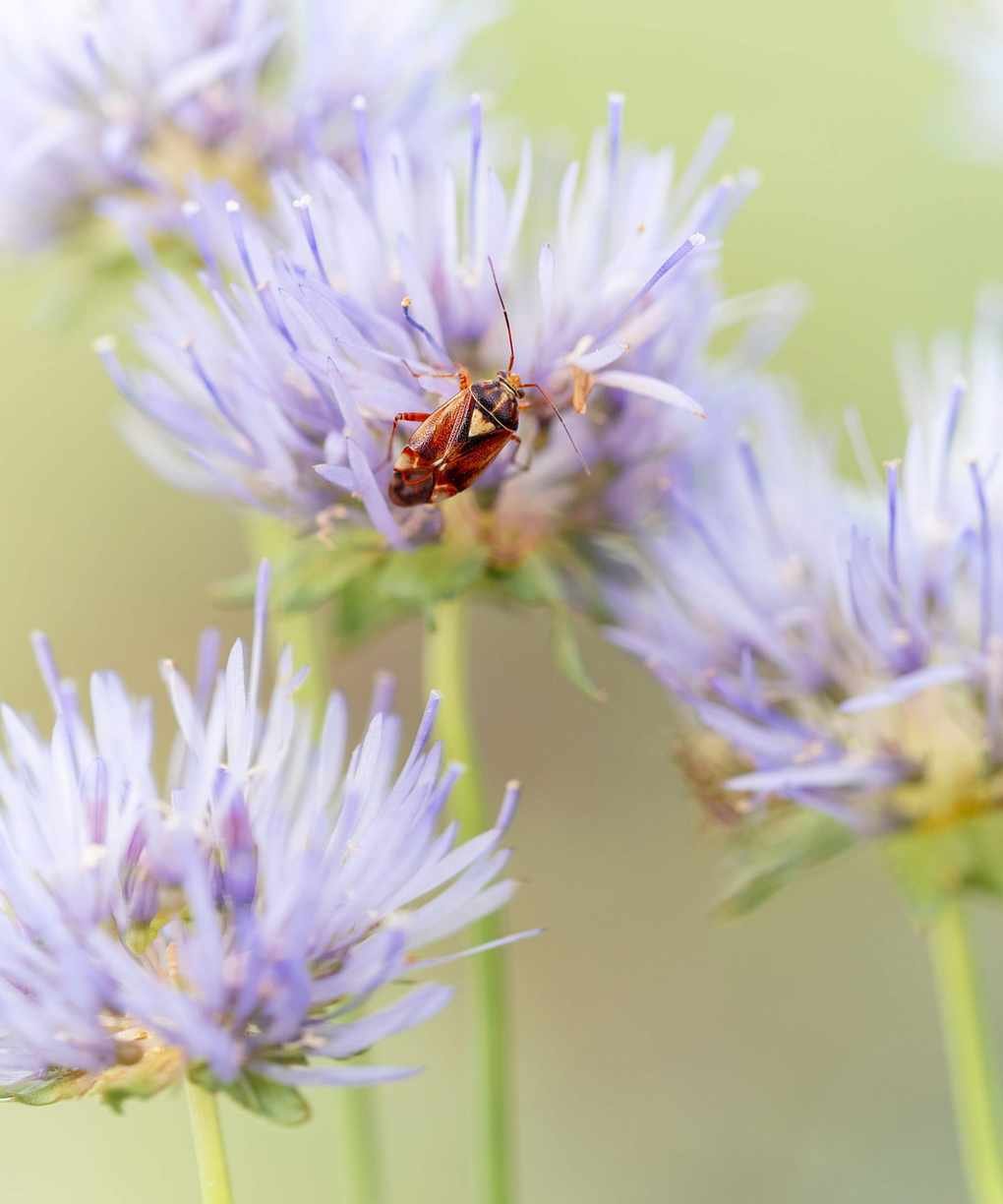
These bugs are small and can be hard to detect. However, as noted by pest expert Susan Mulvihill, they have a unique marking that distinguishes them from other pests.
'Tarnished plant bugs display a V or heart-shaped pattern on their backs, just above their wings,' Susan explains. 'Adults measure about six millimeters long and three millimeters wide, and their color ranges from green to brown.'
In their juvenile nymph stage, they exhibit a pale green body with red-tipped antennae. They undergo five molts before reaching maturity, but both nymphs and adults possess piercing mouthparts that allow them to extract sap from plants.
Eggs are tiny and cream-colored, resembling slender, curved flasks with a flat cap.
The life cycle of tarnished plant bugs is rapid. Adults hibernate under plant debris or tree bark and emerge in spring to feed and lay hundreds of eggs.
Nymphs hatch and begin feeding aggressively, maturing into adults in 2-4 weeks, who will then lay more eggs, continuing the cycle.

Susan Mulvihill is the author of 'The Vegetable Garden Pest Handbook', available on Amazon. She has been writing garden columns for nearly 20 years.
Indicators of Tarnished Plant Bug Damage
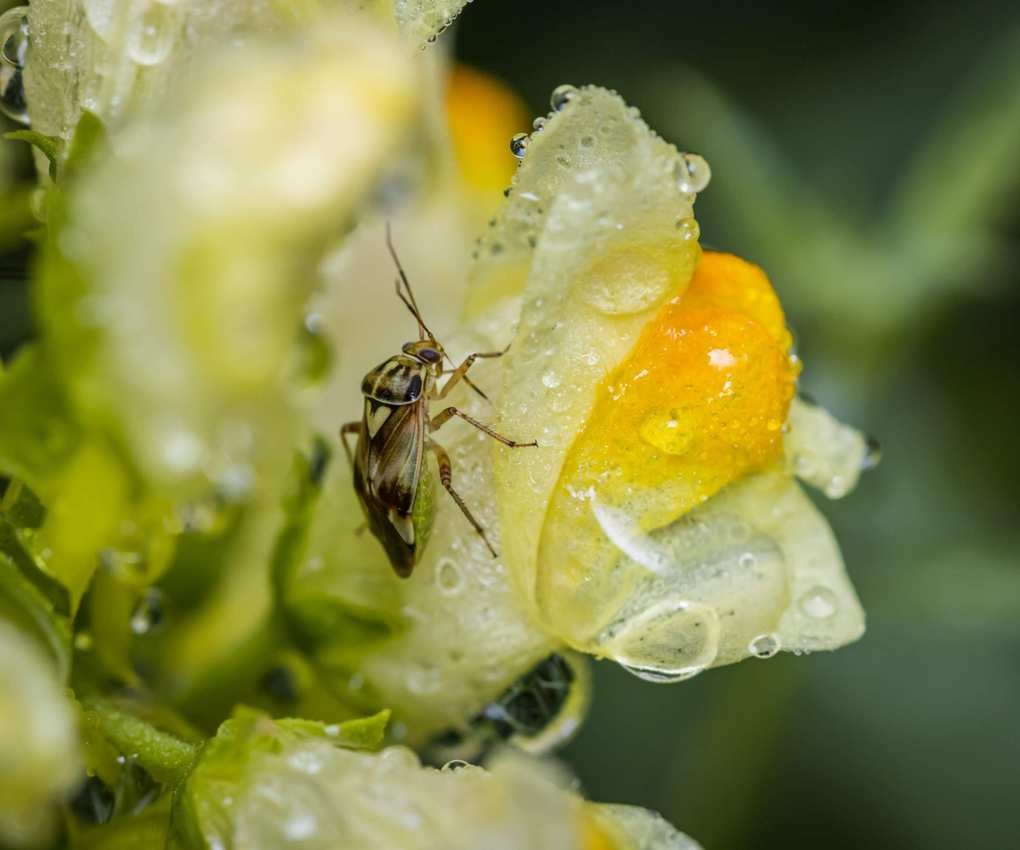
Signs of tarnished plant bug damage can differ based on the host plant. Common symptoms include wilting or stunted growth, discoloration, or deformation of stems and leaves. Flower buds might fail to develop or drop off, and blossoms may not open correctly.
For nightshade fruits like tomatoes and peppers, along with strawberries, tarnished plant bugs can cause premature fruit drop or 'cat facing' deformities. Other vegetables may exhibit wilting, while legume pods can show signs of distress, impacting yields.
Additionally, tarnished plant bugs can spread plant diseases throughout your garden. Regular inspections for damage or the bugs themselves are crucial, particularly on the undersides of leaves and around buds, flowers, or fruits where these pests typically feed.
Managing Tarnished Plant Bugs

To control tarnished plant bugs and safeguard your plants, consider the following strategies.
Regular weeding helps eliminate alternative hosts for these pests, especially near fruit trees or vegetable gardens. Clearing plant debris at the end of the season reduces overwintering sites for tarnished plant bugs.
Employing physical barriers, like floating row covers, can stop adults from laying eggs, preventing infestations. However, if you have pollinator-dependent crops, ensure to remove the covers to allow access for pollinators.
Eliminating Tarnished Plant Bugs

Consistent monitoring of your plants is essential for identifying tarnished plant bugs promptly. Utilizing sticky traps available on Amazon can aid in detecting their presence alongside visual inspections.
If tarnished plant bugs become a major concern, consider using organic solutions like insecticidal soap, Neem oil, or natural plant extracts such as garlic. Always follow the label instructions. Homemade bug sprays can also be effective.
Introducing predatory insects can serve as a biological control method for tarnished plant bugs. Beneficial insects like assassin bugs, ladybugs, and garden spiders can help manage pest populations. Additionally, planting flowers that attract ladybugs can enhance pest control in your garden.
Some parasitic wasps are effective against tarnished plant bugs, but they may work best in smaller outbreaks.
Effective Products Against Tarnished Plant Bugs
Insecticidal Soap
A ready-to-use spray suitable for vegetables, fruit trees, and garden plants to manage various pests.
Neem Oil
A natural spray derived from Neem seeds, effective on a range of plants including roses, vegetables, and herbs.
Floating Row Covers
Lightweight, breathable row covers made from non-woven polypropylene, allowing air and moisture while keeping pests at bay.
FAQs
Which insecticide is best for tarnished plant bugs?
Resorting to chemical treatments should be a last option for severe outbreaks. If necessary, insecticides containing pyrethrum may be effective against tarnished plant bugs, such as available options on Amazon. However, due to overuse of pesticides, tarnished plant bugs have developed resistance, meaning results can vary.
Tarnished plant bugs are notorious for causing issues for strawberries, resulting in deformed fruits as they feed on developing seeds. To combat pests organically, consider adding companion plants that attract beneficial predators and deter harmful ones around your strawberry patch.



