
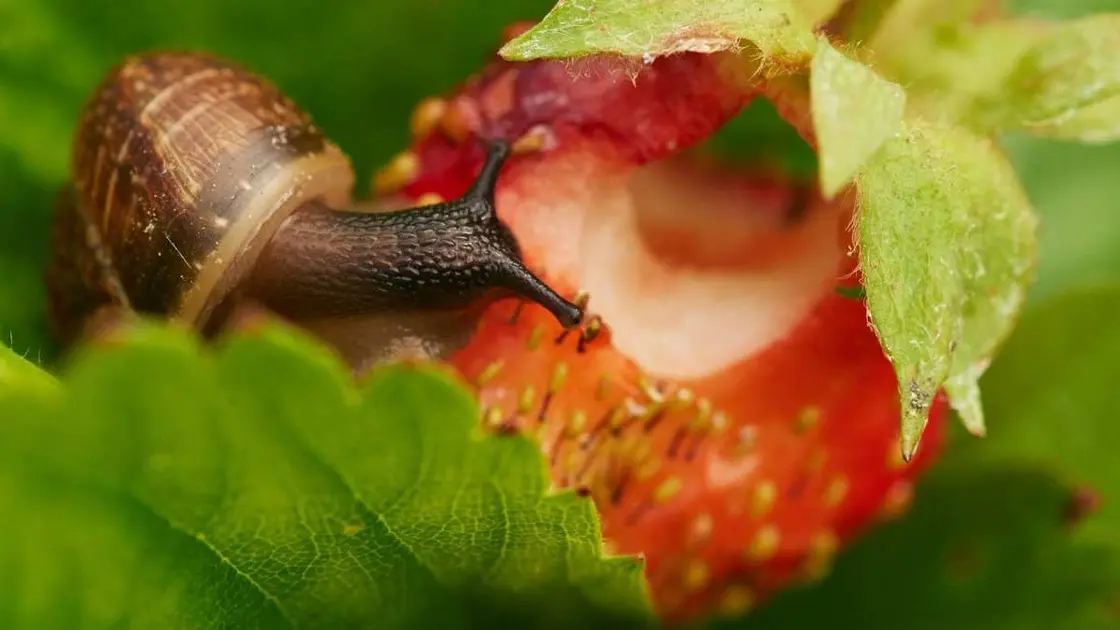
Strawberries are susceptible to various pests that can damage plants and spoil your harvest.
These pests range from small insects to larger animals, requiring vigilant monitoring of your strawberry plants. To secure a bountiful harvest, swift action is essential.
Growing strawberries at home is rewarding, offering a variety of types to enjoy. Despite pest challenges, they can thrive with the right protective measures.

Strawberry pests can significantly impact your yields
Common Pests Affecting Strawberries
Gardeners often face a range of pests eager to munch on strawberry plants and diminish their yields. The most common offenders include slugs, strawberry root weevils, aphids, earwigs, and sow bugs.
Experts note that tarnished plant bugs and spittlebugs can also pose threats to strawberry crops. Additionally, squirrels and rats may forage if not deterred.
Signs like holes in berries or partially eaten fruit indicate that larger animals may be stealing from your patch.
Many parts of strawberry plants are vulnerable to pests. For instance, root weevil larvae target the roots, aphids suck fluids from the leaves, and slugs damage both the fruit and foliage. Growing strawberries indoors may limit pest exposure.

Identifying Pest Infestations
According to gardening professionals, closely observing your plants is crucial in spotting pest issues. Symptoms like wilting may indicate trouble, and spittlebugs leave a foamy residue that resembles spit on the plants.
Spittlebugs don't necessarily kill plants but can impede growth by feeding on stems. You might see foam near the base of affected plants. Tarnished plant bugs appear in spring, feeding on buds and fruit, leading to deformed produce.
Slugs are notorious for creating holes in berries. They are most visible at night when they leave slime trails and signs of nibbling on leaves. Mary Jane Duford suggests checking at night for easier identification.
Detecting root weevils can be more challenging. While their larvae inflict damage, adult weevils create notched leaf edges. Look for leaves with distinctive notches, indicating feeding activity.
Aphids may be tiny but can cause significant leaf distortion and yellowing. They typically cluster on the undersides of leaves and along stems.

Managing Strawberry Pests
If larger animals like squirrels or rats are pilfering your berries, consider implementing physical barriers. Experts recommend using deer fencing or bird netting to protect your strawberry beds effectively.
Regularly checking plants, flowers, and fruits can help you detect pests early. Pay special attention during spring for tarnished plant bugs and throughout the season for spittlebugs. Since tarnished plant bugs are tricky to eliminate, preventive measures are best. Keeping your garden weed-free, especially around strawberries, can limit their presence. Fine mesh or row covers can also protect blossoms, while a strong spray of water can dislodge pests.
Mary Jane Duford notes that aphids can easily be washed away with water. While organic insecticidal soap is an option, a steady stream of water on the undersides of leaves usually suffices.
If slugs are an issue, refrain from planting strawberries in shaded, damp areas. A nighttime flashlight hunt can help you remove these pests manually.
For insecticidal soap spray available on Amazon can help manage aphids, and using orange peels can deter slugs by attracting them for easier collection. Always clean strawberries before consuming if pests were present.
To combat root weevils, hand-picking grubs at night is effective for smaller plants. For larger ones, yellow sticky traps can capture adult weevils at the base. Consider applying parasitic nematodes during spring or summer for additional control.
Implementing crop rotation can also help manage root weevil infestations by preventing new plantings from being affected.
When establishing a kitchen garden, consider planting strawberry companions like alliums, which can deter pests with their strong scent. Additionally, using diatomaceous earth around plants can deter various pests effectively. You can find bags of Diatomaceous Earth at Amazon.

Using a strong jet of water can help remove pests like aphids and spittlebugs
While numerous pests threaten your strawberry plants, don't let this discourage you. Strawberries are adaptable and can even be grown in pots, making them perfect for patios or balconies. Stay vigilant for pest signs and implement your strategies to protect your strawberries.



