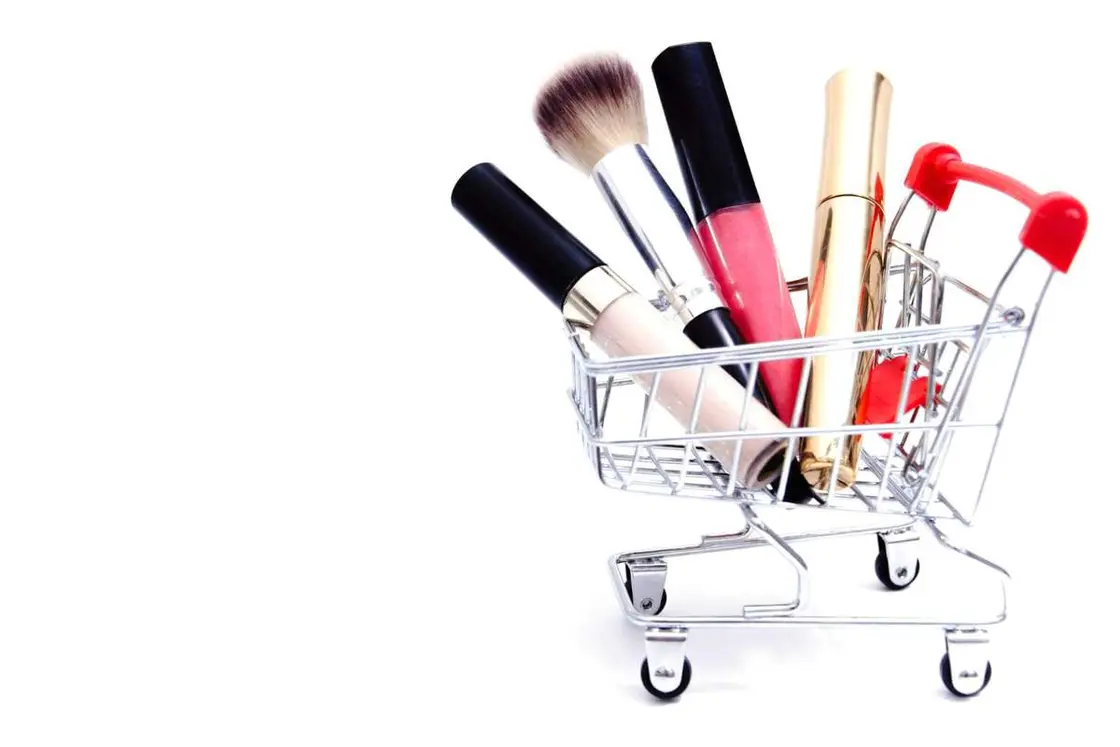
As beauty costs climb and tariffs rise, many women are embracing the concept of dupes. This movement isn't just about saving money; it's a form of resistance.
This marks the conclusion of a three-part series discussing how tariffs impact women and the economy. You can explore the other insights here and here.
The growth of dupe culture goes beyond just saving; it's about economic pushback. When the price of eyebrow gel suddenly increases from 97 cents to $2.90, or a $1.45 eyeshadow stick jumps to $3.50, women find ways to adapt. With beauty necessities facing steep price hikes, the search for affordable, effective alternatives becomes crucial.
After years of refining their routines, women aren't quick to abandon their favorite products. Yet, when tariffs add 30-200% to beloved items, discovering similar options becomes a priority.
It's evident that women aren't merely adjusting to economic changes; they're actively influencing them. Skills acquired from managing household budgets are now extending beyond personal finance.
Small businesses owned by women face significant challenges from rising import fees. With limited margins, they struggle to cope with a 30% increase in shipping or a 145% tariff. While some explore local production and bonded warehouses, the implications remain uncertain.
Women of color and those in low-income areas have historically led in innovative consumption—maximizing resources, sharing, and forming informal economies when excluded from formal systems. Will these effective strategies gain wider acceptance as tariffs compel more women to adopt similar methods?
Adaptability is now essential. Women are creating new consumption models that prioritize flexibility and resilience.
The true effects of these tariffs may not be reflected in economic statistics. Instead, we're witnessing a rise in women who are more conscious of policies and their spending behaviors, refusing to silently accept financial burdens based on gender.
Hopefully, these policies have inadvertently fostered a more financially astute female consumer who can recognize unfair pricing, comprehend how trade decisions impact her finances, and won't settle for paying more. It's not just business; it's personal.