
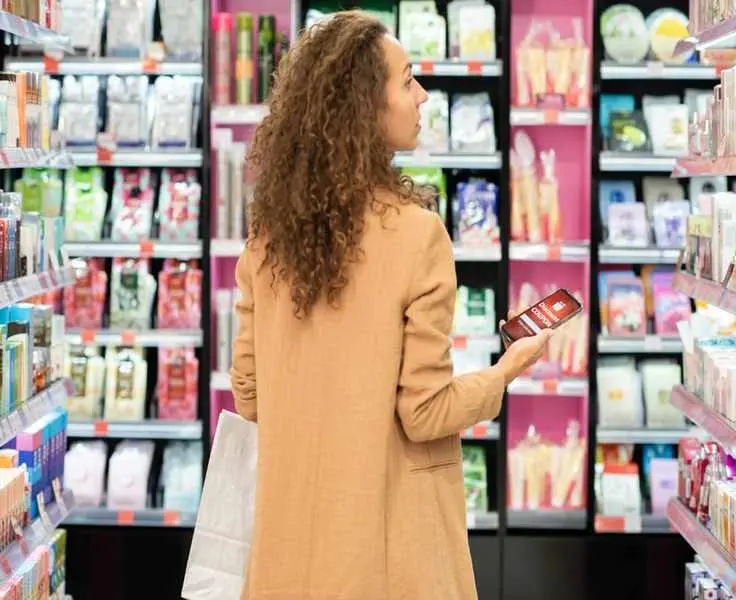
Women and the pink tax are closely linked as economic challenges hit. Discover how recent trade policies are reshaping female consumer experiences and expenses.
This article is part of a three-part series where Maggie Barnett, CEO of LVK Logistics, examines the effect of tariffs on women and the overall economy. You can find her other essays here and here.
Lunch conversations among women reveal more than just the latest beauty buys; they’re now about finances, shipping costs, and why certain products have become 30% more expensive. Discussions range from delays in hair extensions to the burdens of high tariffs that make these items overly priced.
In group chats and over coffee, women are analyzing their purchases and the implications behind them. The “T” in their talk now stands for tariffs, as economic discussions have permeated what once felt like casual chatter.
Women as Unintentional Trade Experts
Women influence up to 85% of consumer spending in the U.S., a staggering figure considering their impact on nearly $35 trillion in global purchasing power. When tariffs come into play, it's not just policy; it personally affects them. The drastic trade changes of 2025—145% duties on imports from China, the termination of the de minimis loophole, and increasing costs from neighboring countries—have altered what fills their shopping carts.
Shoppers today are sounding more like analysts, discussing tariff codes on platforms like TikTok and breaking down trade implications in Instagram reels. Brands are even incorporating tariffs into their marketing, using clever signage to engage customers. Think: “No Duty on Happy Hour” or “Tariffs Got You Down? Our Beer Won’t.”
This is the first time since the 1930s that trade policies have so deeply affected everyday consumer awareness, and women are at the forefront of this emerging consciousness. Three key trends highlight how female consumers are adapting.
1: Mindful Spending Over Mindless Buying
The era of fast fashion is shifting. Tariffs are a factor, but women under 40 report making fewer purchases while spending more on each item. Millennials and Gen Z are increasingly valuing quality over quantity, choosing fewer, more sustainable pieces. Resale markets like ThredUp and The RealReal are thriving, along with capsule wardrobes and upcycling tutorials.
While impulse buying isn't gone, it's evolving. Online shopping encourages informed investing over mere browsing. Women aged 35–44 spend about $1,007 yearly on clothing, while those aged 55–64 spend around $1,220. The new status symbol? How many years you can wear a piece styled differently.
Fashion icons like Kate Middleton and Michelle Obama are setting examples by rewearing outfits, encouraging everyday women to rethink their shopping habits.
2: Community Commerce is Making a Comeback
Women are revitalizing the sharing economy through modern tech. Clothing swaps, local buying groups, and wig lending libraries are gaining popularity. Peer-to-peer fashion platforms are seeing significant growth among female users, as is the trend of supporting local businesses that foster genuine connections.
Women value relationships, whether with people or brands that align with their values. In a peer-driven economy, loyalty extends to stylists, resale curators, and trusted networks.
Loyalty is relational: women stick with people and brands that prove trustworthy. They respond well to personalized loyalty programs that offer private rewards.
3: Pink Tariffs as Financial Micro-Aggressions
The term “pink tariffs” is both troubling and reductive, conjuring outdated gender stereotypes. It trivializes and normalizes economic discrimination against women.
As Susan Scafidi from Fordham’s Fashion Law Institute points out in a recent article, these tariffs symbolize “financial micro-aggressions” within our trade policy.
Here are the stark facts: Women’s apparel faces an average tariff of 16.7%, about 3 percentage points higher than the 13.6% for men’s items, based on an analysis by the Progressive Policy Institute of over 700 clothing tariff lines. For instance, women’s silk underwear is taxed at 2.1%, while men’s is only 0.9%, as reported by The Guardian. A woman’s wool overcoat faces a hefty 64.4 cents per kilogram plus an additional 18.8% tariff, while a similar men’s coat is just 38.6 cents per kilogram plus 10%, according to research from Oxford University.
This imbalance costs American women an estimated $2.5-2.77 billion each year due to the extra tariff burden for clothing designed for them. With tariffs at their highest since 1872, Yale Budget Lab indicates that these existing disparities will worsen. The categories facing the largest increases—light clothing, wigs, cosmetics, and feminine hygiene products—are not gender-neutral and hit women the hardest.
In just two days, price increases on gender-specific essentials were significant. Everyday beauty items saw steep price hikes, and wax strips and post-wax wipes tripled in cost. Kitchen cleaning towels skyrocketed by 377%, from $1.28 to $6.10. Items related to feminine self-care and home maintenance now see increases ranging from 150% to nearly 400%.
The Burden of the Pink Tax is Unevenly Distributed
This economic strain isn't equally felt among all women. Women of color, low-income women, transgender women needing gender-affirming products, and women facing health issues relying on specialized cosmetics—these are not luxury items; they are essentials tied to dignity and identity.
As economist Ed Gresser noted in an interview, “Single-parent families, which are predominantly led by women, allocate about 40% of their income to goods,” compared to just 20% for wealthier households. The new tariffs effectively “shift the tax burden from the affluent to lower-income earners, disproportionately impacting single mothers.”
Dignity shouldn't come with a hefty tariff—yet current economic policies penalize femininity and treat women's necessities as luxuries, perpetuating gender-based economic inequality.



