
From ancient marketplaces to modern online swaps, women have significantly influenced economies. Today, rising tariffs, inflation, and other economic shifts are reshaping women's spending habits and the fashion industry itself.
This article is part of a series where an expert discusses the effects of tariffs on women and the economy. Read previous essays here and here.
Historically, women have crafted parallel economies. Aztec women traded textiles vital for their society, while pioneer women exchanged essentials across trails. In West Africa, women established rotating savings groups based on trust and resilience.
During WWII, as nylon was redirected for military use, women ingeniously adapted by painting stocking seams on their legs. Many joined the workforce, maintaining factories and supporting industries.
Women have always been innovators—the creators of clothing swaps and community meal trains. Today, their resourcefulness has evolved into digital clothing exchanges and urban community buying groups, driven by rising costs. The talent for maximizing budgets now includes terms like “pre-order model” and “secondhand platform.”
Fashion Mirrors Economy: The Psychological Cycle of Style
Fashion often reflects deeper economic sentiments. Economic shifts influence not only hemlines but also how we express ourselves through clothing. Here’s how fashion has historically mirrored economic conditions.
Adaptation and Ingenuity (When Resources Are Scarce): Scarcity breeds creativity. After the Civil War, women repurposed materials, crafting practical styles. In the 1940s, wartime restrictions led to women borrowing styles from menswear, paving the way for today’s androgynous fashion.
Escapism in Style (When Times Are Tough): Tough economic times often spark a contrary fashion response. The Great Depression inspired Hollywood glamour as a form of escape, while the inflationary 1970s favored disco vibrancy and bohemian spirit. We seek beauty and confidence in challenging times.
Signaling Status (When Social Hierarchies Change): Fashion frequently communicates our social standing. The Gilded Age’s opulent styles showcased new wealth, while the 1980s power suits marked women’s corporate ascendance. The grunge look of the 90s expressed disillusionment with capitalism. Style evolves with economic shifts.
Optimism in Design (When Prosperity Returns): Economic booms inspire lighter garments. In the 1920s, rising hemlines mirrored economic growth. Dior’s “New Look” celebrated post-war abundance, while 1960s futuristic styles reflected optimism and progress. Our clothing becomes bolder as our finances improve.
Transformative Change (When Economies Collapse): Significant economic changes influence fashion. The French Revolution’s shift led to simpler, anti-royalist styles, while the digital era brought about athleisure as work-life boundaries blurred.
Tariffs: The Next Fashion Influencer Amid Economic Changes
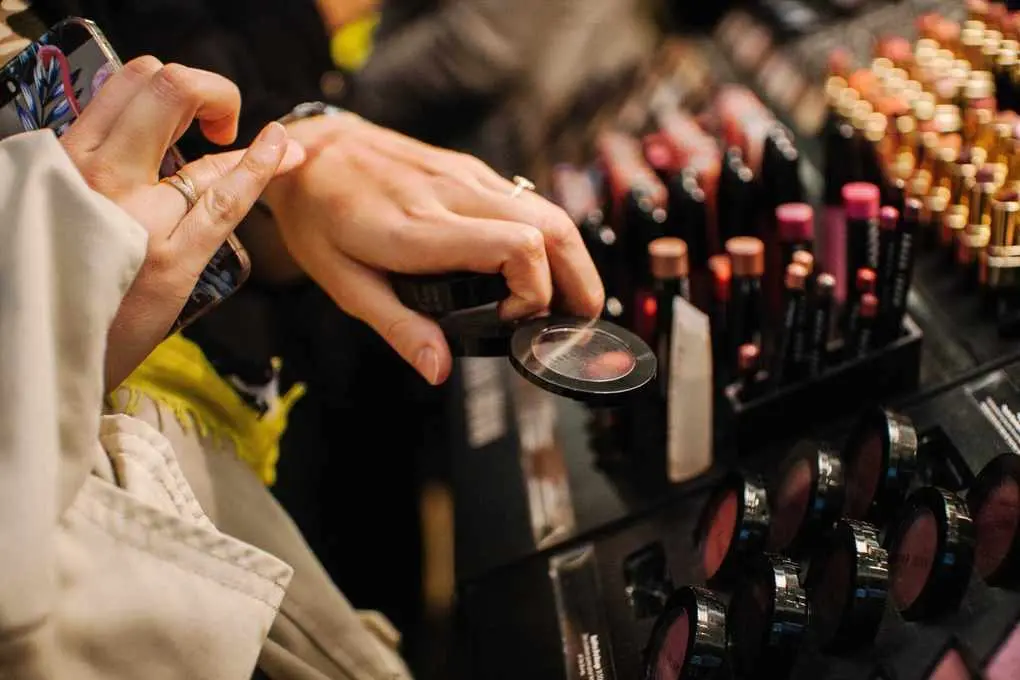
The 2008 financial crisis showcased the “lipstick effect,” where small indulgences like cosmetics thrived despite tight budgets. Fashion shifted towards minimalism, characterized by neutral tones and classic cuts. More recently, the pandemic directed wardrobes toward comfort, with loungewear becoming a staple.
Currently, tariffs—not just recessions—are poised to reshape fashion. Expect designs driven by necessity: clean silhouettes, fewer seams, and simpler aesthetics. The term “recession blonde” is making a comeback, indicating shifts in style born from economic need rather than aesthetic preference.
Designers are adapting, and consumers are aware of the reasons behind these changes. Younger generations, including Millennials and Gen Z, are already embracing the philosophy of buying less, but with greater intention, focusing on ethics and value.
The Final Thought
Unlike past eras where fashion changes were less apparent, today’s tariff influences are visible in real time. We’re observing the direct effects of economic conditions on clothing choices, with a heightened awareness of the driving forces behind our evolving styles.



