
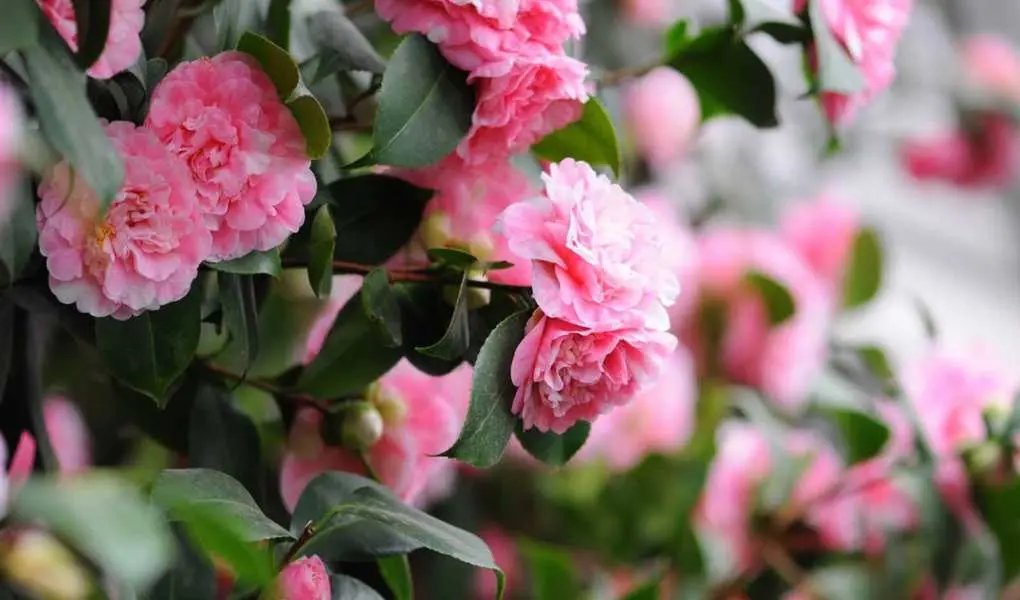
Many gardeners believe that after a camellia blooms, it can be neglected for the rest of the year. However, the weeks following the last flower are vital — your actions now will influence the plant's performance next spring.
Camellias are evergreen shrubs that flourish in acidic soil and prefer sheltered, lightly shaded areas. Their unique characteristic is their timing: as flowering concludes, they start developing buds for the following year. Consequently, choices made now regarding pruning and feeding will directly affect next year's display.
Familiarity with the different camellia varieties, such as Camellia sasanqua that blooms in late fall or Camellia japonica that flowers in early spring, is essential for proper care. For those new to this shrub, the basics of growing camellias will provide a solid foundation. If you have an established plant and want to enhance its beauty, here are the necessary steps for your camellia in April.
1. Focus on Pruning

There's a narrow but crucial timeframe for pruning camellias. This should occur immediately after flowering, as this is when the plant begins to generate new buds for next year. Since camellias flower on old wood, those buds form on this season's growth.
By pruning right after flowering, you promote new growth throughout the season and allow the plant ample space to create new buds. If you delay pruning until summer or fall, you risk removing those new buds, which can hinder flowering the following spring.
The cut-off date for pruning is late June; after this, you may jeopardize next season's blooms. However, the precise timing will depend on your hardiness zone.
Use sharp hand pruners instead of hedge shears, as shearing can harm the leaves and restrict airflow, which is essential for the plant's health. A sharp set of bypass pruners, like these Wolf-Garten Secateurs from Amazon, provide precise cuts that heal efficiently.
Trim the shrub by no more than one-third of its height, removing any dead or damaged branches as well as thin stems. Don't forget to eliminate spent flowers to prevent seed production.
2. Fertilize Before Summer

After pruning, fertilizing camellias should be your next focus. Camellias thrive in acidic soil — ideally with a pH between 5.5 and 6.5 — and the right fertilizer enhances growth and maintains soil conditions.
Opt for a slow-release granular formula meant for acid-loving plants, such as this Azalea, Camellia & Rhododendron Plant Food Fertilizer from Walmart, which nourishes plants for up to three months.
According to landscape designer Caroline Ervin, adding fertilizer for acid-loving plants (8-8-8 or 10-10-10) in spring encourages new growth and bud formation. A second fertilization later in the summer is beneficial, but it shouldn't be too late. 'Fertilizer promotes new growth, and the new leaves need time to harden before winter,' she explains.
Adding compost or organic matter around the base at the same time can gradually lower pH and improve overall soil health.
For an organic option, Espoma Organic Holly-Tone Zone from Amazon is tailored for camellias and contains sulfur to maintain soil acidity while feeding.
3. Address Petal Blight Promptly

Petal blight is a common camellia issue, a fungal disease impacting the flowers.
Symptoms include brown spots on the blooms while the rest of the plant remains unaffected, warns Lotte Berendsen, a plant expert at PlantIn. 'Flowers may fall prematurely, resulting in a sparse and unhealthy look.'
This fungus is particularly persistent. Spores can transfer from infected flowers to the soil, potentially living on for three to five years, explains Vikram.
Maintaining good spring hygiene is crucial: clear away all fallen blooms to reduce the spread, as spores often linger in decaying plant matter. 'Avoid composting infected material, as it could reintroduce the disease to your garden,' cautions Lotte.
If blight has established, using a copper-based fungicide can help control the spread. You can find Nature IQ's Copper Fungicide at Amazon, suitable for organic gardening and safe for camellias.
If you believe the fungus is in the soil, Caroline suggests replacing both the mulch and the top three to four inches of soil around the plant. It's a more extensive task, but it can halt the cycle and protect your plants for the next season.
4. Water Thoroughly, Not Often
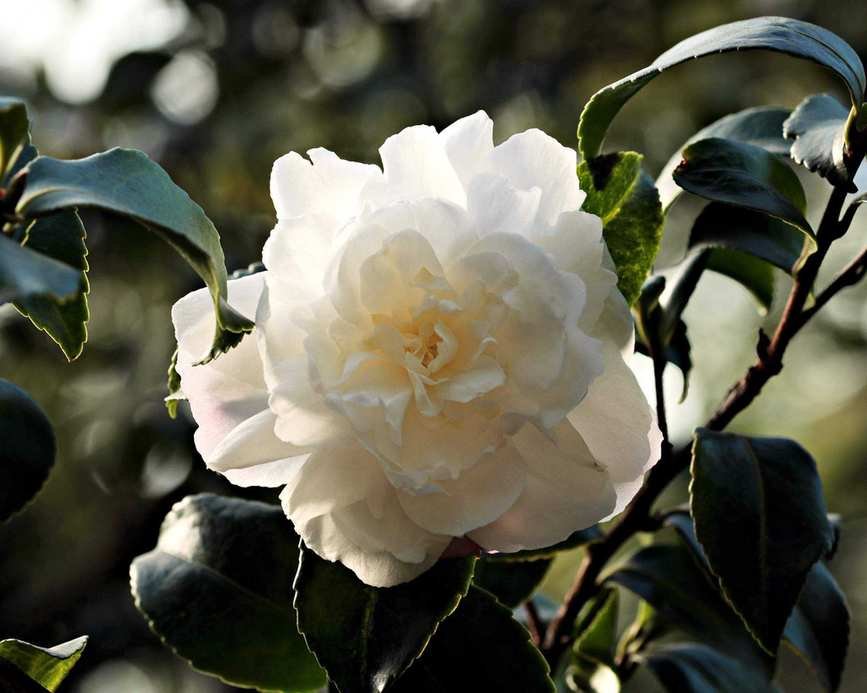
Determining when to water can be challenging, and camellias are no exception.
Camellias require consistently moist soil, says Caroline. 'They are particularly vulnerable to drought in summer, which is when they are preparing buds for the next year. However, avoid overwatering to prevent root rot and fungal issues.'
Signs of underwatering include bud drop, minimal leaf growth, and yellowing leaves. Conversely, overwatering can lead to yellow leaves, leaf drop, or blistering.
How you water is just as crucial as how often. 'It's far better to water deeply and thoroughly every few days than to give a small amount daily,' states Vikram.
If your soil dries quickly, adding an organic mulch layer around the root zone in April can help retain moisture during the summer — which is when camellias need it the most. Consider using this organic compost and manure from Lowe's.
5. Test Soil pH If Flowering or Growth Is Lacking

If your camellia isn't blooming as expected or shows poor growth, there's likely an underlying problem. Soil pH is crucial for nutrient absorption, and even well-fed camellias can struggle if conditions are off.
Yellowing leaves or yellow leaves with dark green veins often indicate iron deficiency due to high pH. A simple soil pH kit, like this one from Lowe's, can confirm if this is the issue.
'If you find the soil too alkaline, adding sulfur can lower pH effectively,' suggests Lotte. 'It may take time for the soil to adjust, but sulfur is the safest and most efficient method to correct pH.'
With these tasks for your camellia in April, you're well-equipped for expert gardening care.



