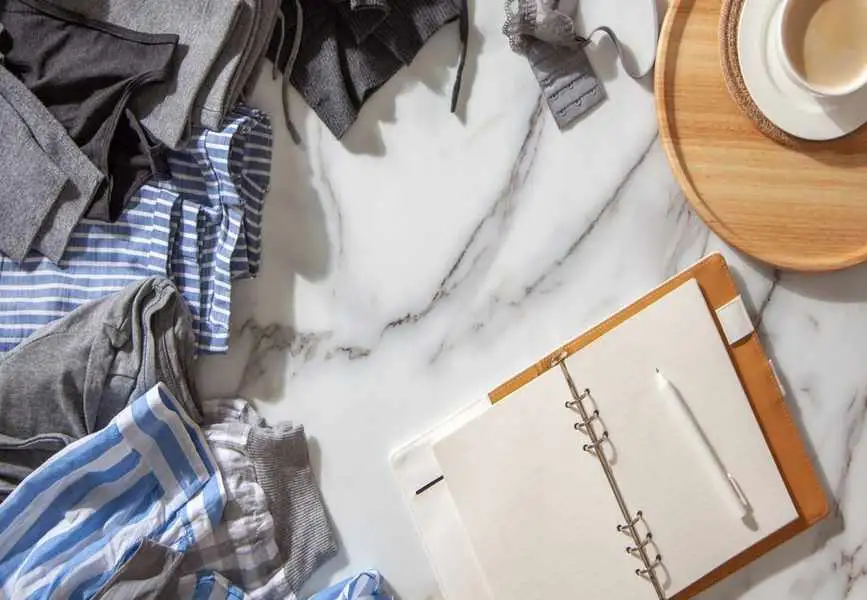
Decluttering can feel overwhelming, but with the right strategies, it can greatly enhance your living environment and daily activities.
Experts have compiled a list of effective decluttering strategies that anyone can apply, whether you're a pro or just starting out, even if you've previously felt lost in the decluttering process.
Here are the essential decluttering rules that help them succeed in organizing homes and why adhering to these principles can turn chaos into order.
Key Decluttering Principles
These seven decluttering principles are your go-to strategies for managing household clutter, according to the experts.
1. Understand Your Motivation

Identifying where to begin decluttering is often the hardest part. Katie Clingman, a professional organizer, emphasizes the importance of planning your approach:
'Before decluttering, consider why getting organized matters to you. How does disorganization affect your daily life? What do you envision for your space?' she suggests.
'Understanding your goals and motivations is vital for creating a successful decluttering strategy. If you hit a wall during decluttering, reminding yourself of your 'why' can reignite your motivation to continue.'
2. Take Small Steps

While tackling a large task in one go can be tempting, holistic lifestyle coach Francesca Verri advises against it. She says, 'Don't try to declutter your entire home in a day.' Instead, approach it room by room or even section by section. This method minimizes feelings of overwhelm.
'One principle I live by is to keep the process manageable — think small. This helps maintain clarity and focus,' she explains.
'Decluttering can be intimidating. If you try to do too much at once, you risk feeling overwhelmed and not starting at all. Focus on a specific area like a bedroom or kitchen, then break it down further into smaller tasks. This way, you keep anxiety at bay and stay committed to your goals.'
3. Clear Out Regularly
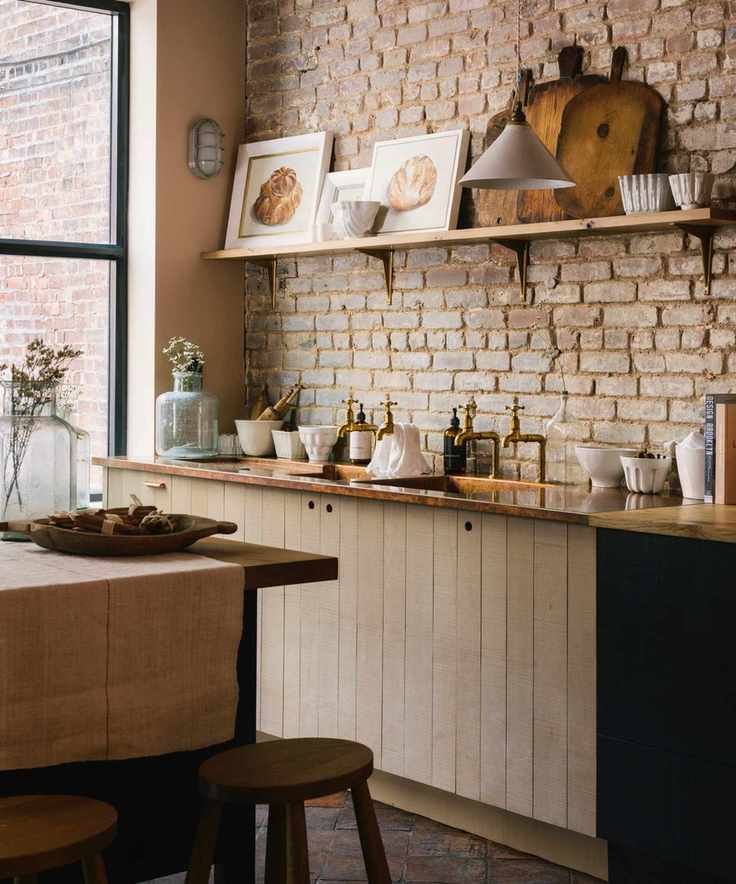
Francesca Verri also emphasizes the importance of clearing out after each decluttering session. 'When you declutter, you're letting go of items that no longer serve you. After a while, your piles of trash, donations, and keepsakes can feel heavy and discouraging,' she states.
'I recommend putting away your decisions. Move the trash or recycling to the bin, take donations to your car or garage, and store the items you're keeping in their designated places. This avoids clutter buildup and allows you to see your progress, which is crucial for motivation.'
4. Embrace Imperfection
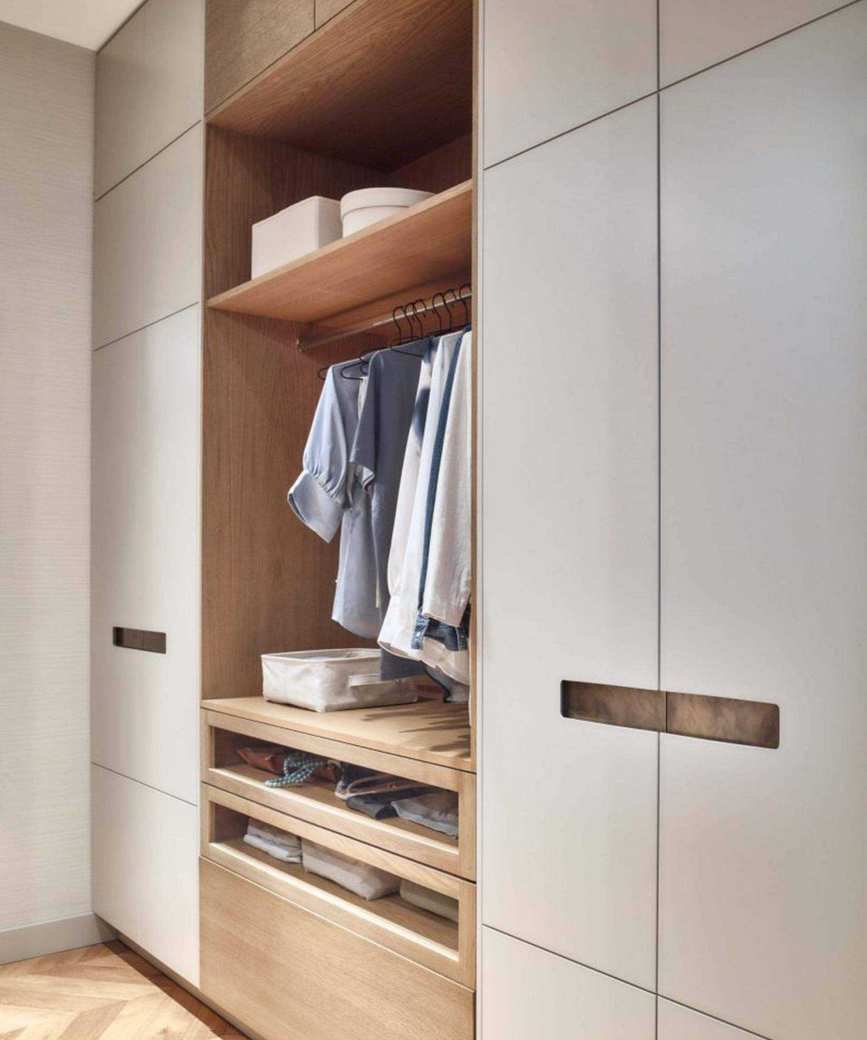
In today's world of social media, it's easy to feel like your home doesn't measure up. Chelsi Jo, a professional organizer, advises against comparisons:
'Don't think you need a professional organizer to get your home in order. Fancy storage solutions and perfect setups don't define success,' she insists.
'I've made my space work with what I have, and you can too. It's absolutely possible to create an organized home without pressure.'
5. Implement the SPACE Method
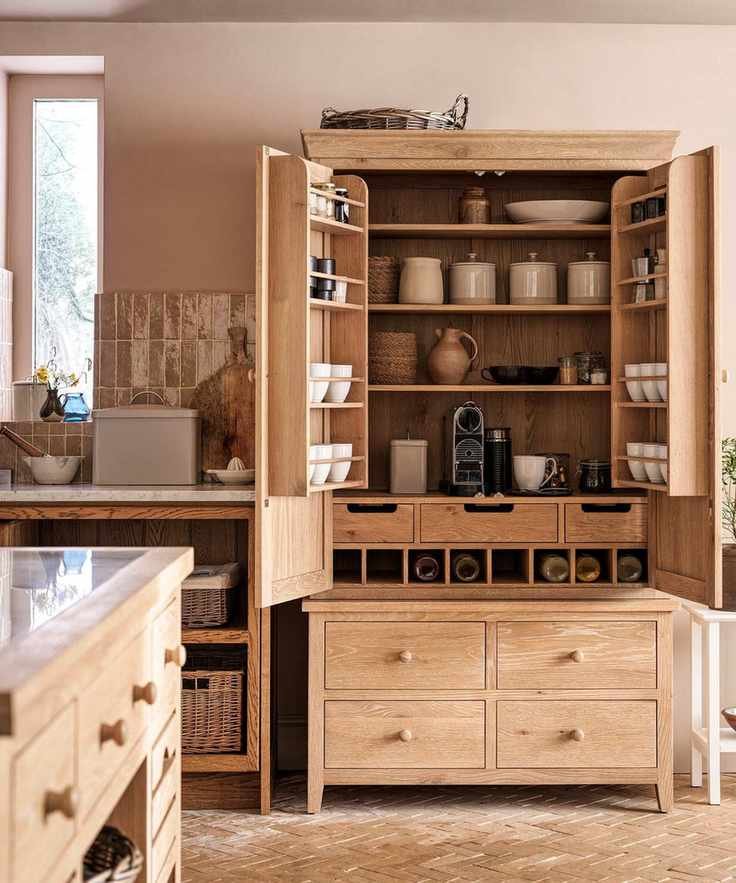
One of the most effective decluttering strategies is to establish a system. Katie Clingman follows the SPACE method for every decluttering project, which stands for Sort, Purge, Assign a Home, Containerize, and Equalize. 'This structured approach ensures success when followed step-by-step,' she notes.
6. Use Sorting Aids
A practical tip from minimalists is to utilize tangible sorting aids during decluttering. For Chelsi Jo, this is a crucial part of her Escape method:
'When you start decluttering, use four boxes, bins, or even imaginary piles. I often draw large squares in the driveway to organize my items. Here's how they work:
- Absolutely Box: Keep items you love or use frequently.
- Maybe Box: Items you're uncertain about.
- Hard No Box: Items you'll definitely part with, typically for donation.
- Trash Box: Items that are simply garbage.
7. Think of Decluttering as Ongoing Maintenance

'To make decluttering easy, shift your mindset,' encourages Chelsi Jo. 'Many view it as a daunting task, but it doesn't have to be.'
'Treat decluttering like daily chores — it should be part of your routine, just like laundry or cleaning. I consistently assess what I use and what I can let go of,' she advises.
Creating your own decluttering rules and following expert advice can significantly boost your motivation. By setting clear guidelines and boundaries, you can maintain a clean and organized space without feeling stressed.