

Walkways are key components of your backyard, shaping how you navigate your outdoor area. It's essential to design them thoughtfully, following some important guidelines.
Garden paths not only connect various areas like gates and patios but also enhance your garden's visual appeal. Whether you choose sleek paved paths with modern lighting or charming stepping stones surrounded by plants, the right design contributes significantly to your garden's character, whether contemporary or classic.
Functionality is just as important as aesthetics. Keep these expert recommendations in mind to ensure your new path is both beautiful and practical.

Combine materials for a more interesting look
5 Essential Tips for Designing a Garden Path
Transform your outdoor space with these important design insights.
1. Define the Purpose of Your Path
'Establishing the purpose of your path is crucial before you start planning,' shares an industry expert. 'Is it for leisurely strolls, hosting gatherings, or primarily for practical use between locations?'
Consider the level of traffic your path will experience and its accessibility. Knowing how you'll use the path will influence your material and design choices, ensuring they meet your specific requirements.
For instance, if your path connects different elevations in your garden, you'll need to decide between steps or a gentle slope. If you plan to move items like a wheelbarrow, ensure it's wide enough for comfortable use.
Straight paths offer practicality, while curves add a natural touch and visual interest. Curved paths can beautifully weave through flower beds, allowing you to enjoy your plants while providing maintenance access.

A winding path creates a relaxed atmosphere
2. Select Complementary Materials
The materials you choose will greatly affect the path's appearance, durability, and cost. Concrete is a cost-effective, sturdy option but might not suit all gardening styles. Paving stones offer many shapes and colors for decorative paths, while gravel provides a rustic look, perfect for casual gardens. Brick adds a classic touch, and wood brings warmth.

An informal path allows for easy access to flower beds
Wood chip mulch is a low-cost option but requires regular maintenance. Choose materials that integrate well with existing landscaping, enhancing the overall cohesiveness of your design.
If your yard features clean lines, opt for hardscapes that match. Conversely, cobbled stones can complement a traditional aesthetic effectively. Experimenting with layout patterns, like herringbone or basketweave, can add flair to your path.

This path highlights each step's edge with contrasting stone
Incorporating plants along the edges can help your path blend seamlessly into the landscape. Choose hardy plants that can withstand local climate conditions.

Paved paths complement nearby raised beds in the Macmillan Legacy show garden at RHS Hampton Court 2022, designed by Sean A. Pritchard
3. Plan for Proper Drainage
Drainage is essential for any walkway, whether in your backyard or front yard.
'Paths without proper grading can lead to standing water, damaging both the path and surrounding plants,' warns an expert. 'This water can also attract pests. Ensure your path slopes gently away from plants and towards a drainage area. If necessary, install a trench drain or similar solution.'
You can also explore permeable materials like gravel or porous pavers to help with drainage.
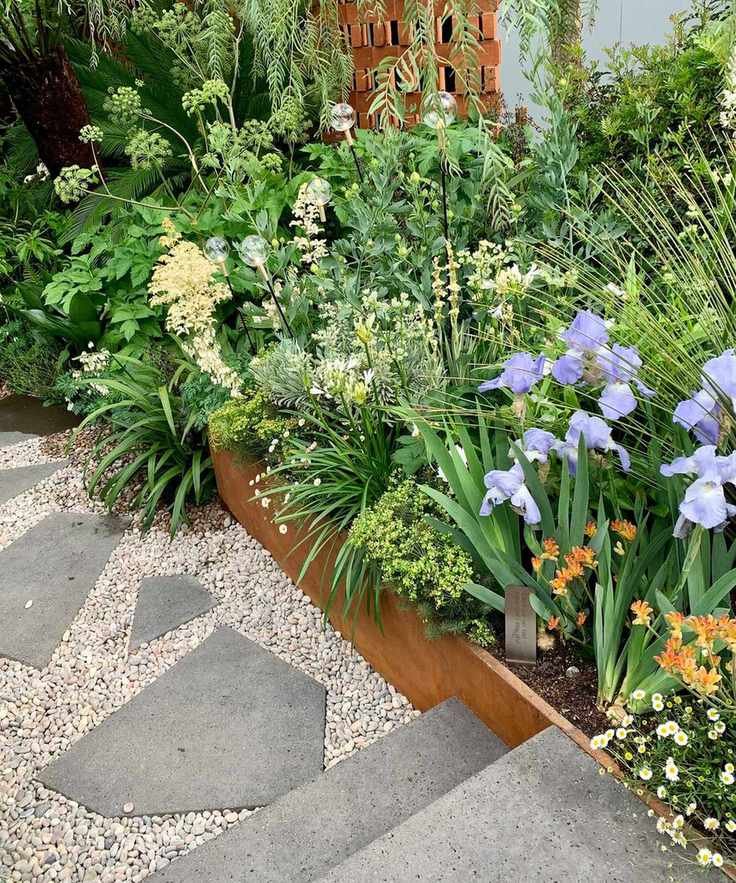
This design by Kate Gould features a mix of gravel and pavers for a stylish and functional path
4. Incorporate Lighting
Neglecting pathway lighting can make nighttime navigation difficult and unsafe. Proper outdoor lighting enhances both safety and aesthetics, according to experts.
'Low-voltage LED lights offer a low-maintenance, energy-efficient solution,' one expert suggests. Strip lights can be placed beneath garden steps, while recessed lights provide a modern touch when embedded in paved paths.
Stake lights are another flexible option; solar-powered varieties are particularly convenient.
 1.
1.
Iron Shepard's Backyard Hook
These hooks are versatile for hanging lanterns or string lights along your path.
 2.
2.
Color-Changing Light Stakes
These solar-powered, app-controlled lights let you select colors to set the mood.
 3.
3.
Stargazer Party + Path Stakes
Light up your walkway with this stylish set of 20 lights, perfect for any outdoor event.
5. Create a Detailed Plan Before Starting
Once you know your path's shape, dimensions, and materials, sketch a to-scale layout of your yard. This visual will help you assess how the new path fits into the space, advises an expert. 'Ensure you allocate enough room for plants and features you want to incorporate.'
When you're satisfied with the design, you can start building. If you're uncertain about the process, hiring a professional might be a good idea.
'Don't underestimate the project's complexity,' a home expert warns. 'Installing a garden path can be more challenging than it seems. If you lack the time, tools, or expertise, consider bringing in a pro for a smooth installation.' This ensures your path meets your vision perfectly.



