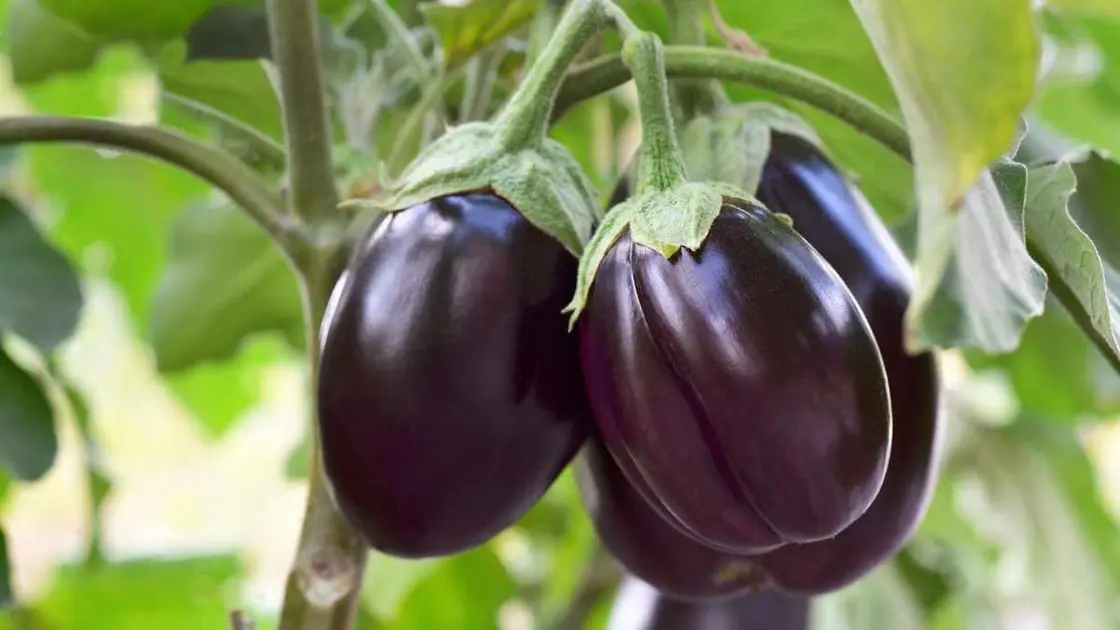
Eggplants thrive on nutrients, making fertilization vital for healthy growth and abundant fruit. While sunlight and soil provide some nourishment, gardeners play a key role by applying fertilizers during the growing season.
There's a variety of fertilizers available for eggplant cultivation each year. Garden stores offer both organic and synthetic options, and you can even create your own homemade fertilizers.
What's the ideal fertilizer for eggplants? Different growth stages require specific nutrients, and timing is essential for optimal results. We'll explore the best practices for fertilizing eggplants and offer guidance on selecting the right fertilizers.
Is Fertilization Necessary for Eggplants?
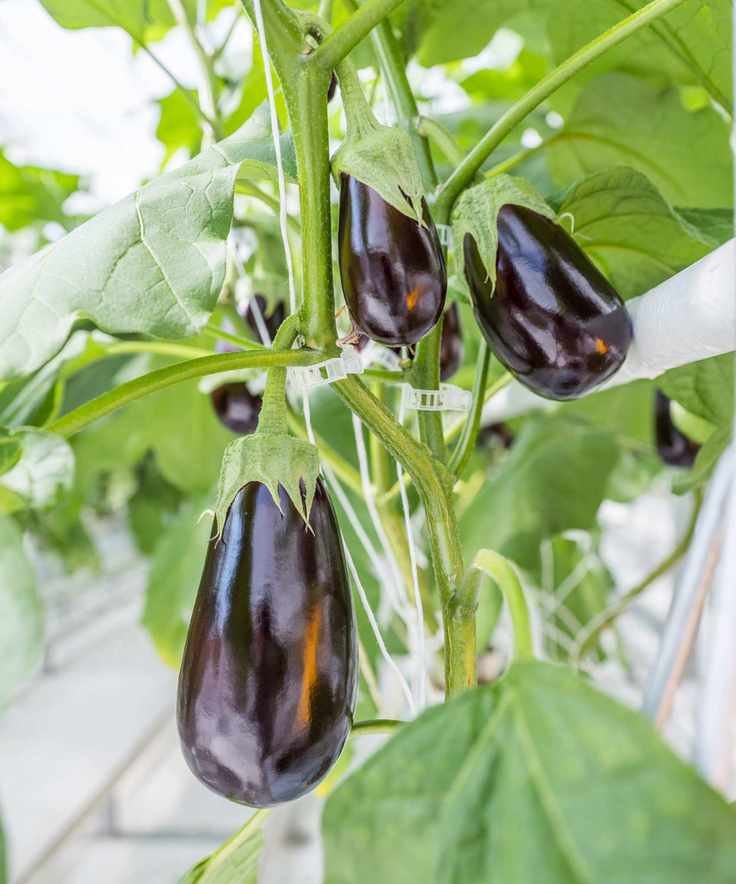
Eggplants are considered heavy feeders, needing plenty of nutrients throughout their growing cycle. Proper feeding promotes plant health, ultimately leading to more eggplants at harvest.
Check Your Soil Before Fertilizing Eggplants
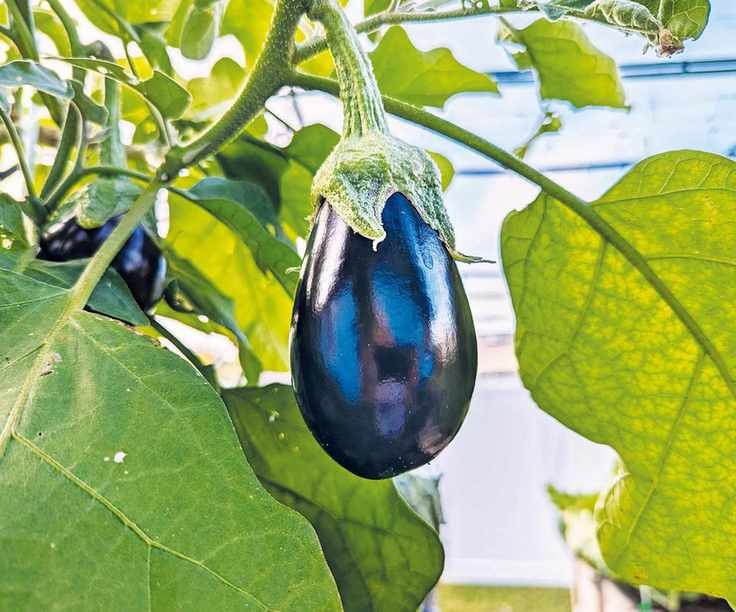
Although fertilization benefits eggplants, assessing your soil's condition is crucial. Conducting a soil test can reveal its pH and nutrient composition prior to planting. This ensures you meet the specific needs of your eggplants.
'Simple soil test kits can be found at local gardening centers or online,' suggests a gardening expert. 'Testing at the start of the season will inform you of any necessary amendments for your soil.'
Soil type can also influence your fertilization timing. 'Clay soil retains nutrients better than sandy soil,' the expert adds. 'With sandy soil, monthly fertilization may be necessary, while clay soil may only need feeding at the start and mid-season.'
For optimal growth, eggplants prefer well-draining, fertile soil with a slightly acidic pH range of 5.5-7.0.
When and How to Fertilize Eggplants
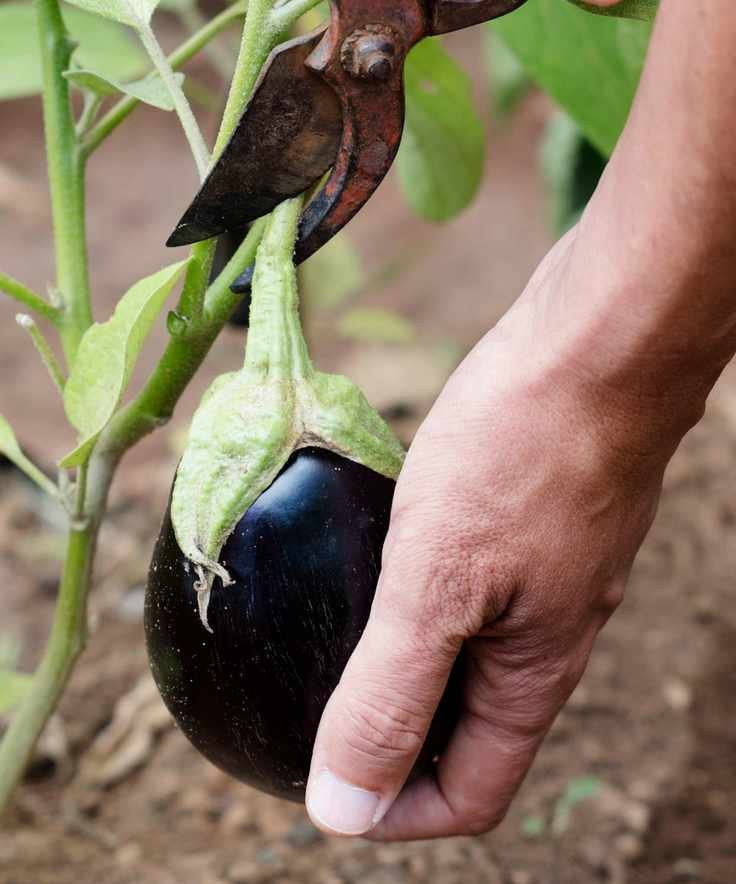
While fertilization schedules can vary based on soil conditions, a general guideline begins with incorporating compost or well-aged manure before planting. Adding organic matter enhances soil structure, moisture retention, and nutrient availability, setting the stage for healthy eggplant growth.
When transplanting seedlings into your garden or greenhouse, mix in a handful of slow-release balanced fertilizer. This extra boost helps seedlings acclimate and develop strong roots.
As the plants begin to bear fruit, they benefit from light, regular fertilization using a plant food rich in phosphorus and potassium. These elements support fruit development, leading to a plentiful harvest. A bi-weekly application of liquid fertilizer during watering can enhance fruiting.
'Consistent fertilization promotes plant vitality,' states a gardening authority. She emphasizes the importance of selecting appropriate fertilizers, warning against excess nitrogen which can lead to lush foliage and fewer fruits.
Choosing the Best Fertilizers for Eggplants
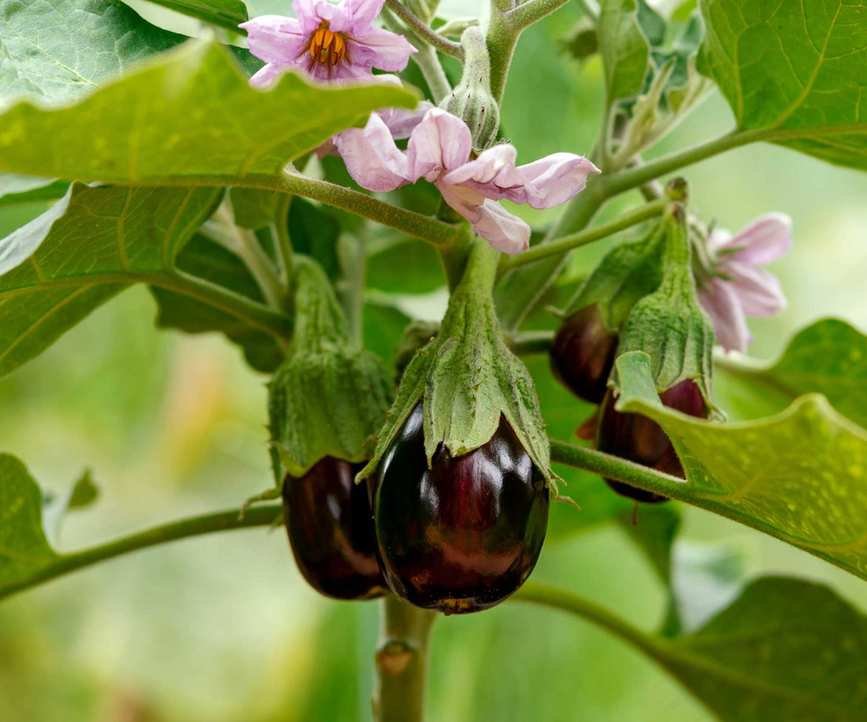
Both organic and synthetic fertilizers can effectively feed eggplants. Select fertilizers based on their nitrogen, phosphorus, and potassium content, typically displayed as three numbers on the product packaging.
Researching suitable fertilizers will help avoid common eggplant growing mistakes, such as excessive vegetative growth due to high nitrogen. Always adhere to recommended application rates to prevent over-fertilization.
At planting or shortly after, a balanced, slow-release granular fertilizer should be mixed into the soil. This type provides nutrients gradually over time. An example is this organic fertilizer available on Amazon designed for fruiting plants.
If you're concerned about over-fertilizing, consider using organic vegetable fertilizer spikes available at Amazon. These pre-measured spikes can feed for up to eight weeks simply by pushing them into the ground—no mess and easy to use.
If your plants aren't thriving, a balanced liquid feed might help. Quick-acting liquid fertilizers deliver nutrients faster—ideal for a quick boost if you missed fertilization during planting. This liquid all-purpose plant food from Walmart can quickly provide essential nutrients when mixed with water.
Choosing fertilizers for your vegetable garden ultimately depends on personal preference and budget. Both organic and synthetic options are available to suit your needs. Additionally, you can create homemade fertilizers with kitchen scraps or other plants, such as tomato fertilizer or comfrey fertilizer—both simple to make and nutrient-rich.
FAQs
Is bone meal beneficial for eggplants?
Bone meal is a phosphorus-rich fertilizer made from animal bones, aiding in fruit development and ripening. It also provides calcium, which helps prevent blossom end rot, a common issue caused by calcium deficiency. You can find organic bone meal at Burpee.
Can eggshells help eggplants?
Eggshells can enhance soil quality around eggplants by providing calcium. Crushing the shells into powder and mixing them into the soil, or steeping them in water to create a calcium-rich solution, can benefit your plants.
Fertilizing is essential for successful eggplant cultivation. However, opinions differ on pruning. Some growers skip pruning and still get excellent yields, while others believe trimming encourages healthier growth and fruit production. Would you try pruning your eggplants? I haven't done it yet, but it could be an interesting experiment.