
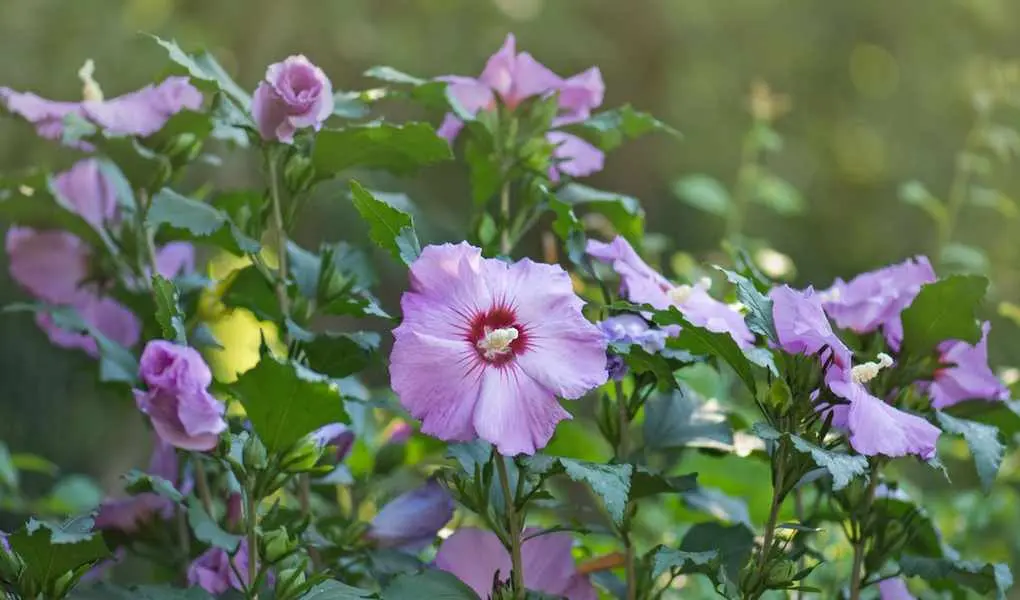
If you're keen on vibrant colors in your garden, hibiscus is likely part of your collection. These shrubs produce stunning tropical blooms from early summer, and with numerous varieties available, you can easily find one that suits your style.
Caring for hibiscus isn't overly difficult. In warmer areas, these shrubs often bloom until mid-fall, keeping your garden lively until frost arrives. However, as the seasons shift and daylight shortens, specific care routines are necessary.
No matter if you have native hardy hibiscus or tropical varieties, fall care is crucial to ensure your plants flourish next year. If you're curious about what to do with hibiscus as the colder months approach, this guide covers everything you need.
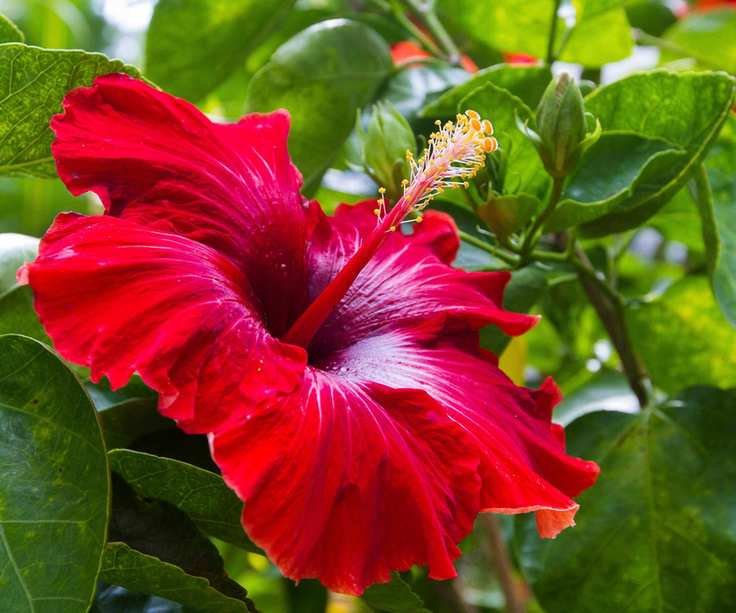
Fall Care for Hibiscus
Hibiscus are renowned for their spectacular blooms, making them a favorite among gardeners. To maximize their beauty, knowing how to care for hibiscus in fall is essential. Even if your plant is still flowering as the weather cools, there are important tasks to tackle.
1. Clean Up and Prune Hibiscus
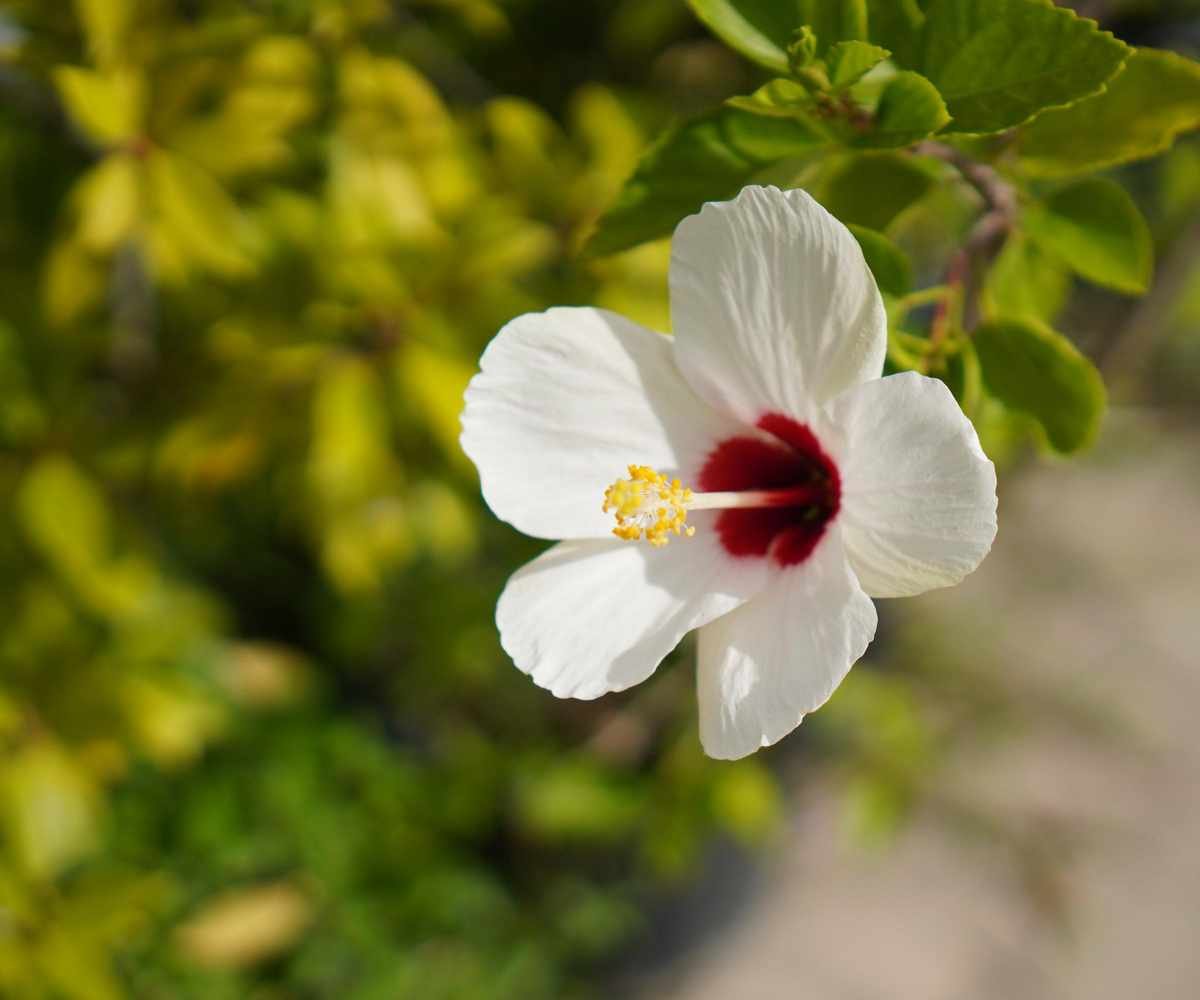
Pruning is a vital fall task. While many plants require attention in October and November, pruning timing varies by hibiscus variety.
According to a plant expert, 'Pruning techniques differ based on the species you have.' Proper pruning encourages fuller growth.
For hardy hibiscus, such as swamp mallow, Hibiscus moscheutos, it's best to prune after leaf drop, generally following the first frost. You can safely cut back to three to five inches above the ground, as these plants will regenerate quickly in spring.
Tropical hibiscus, however, should not be pruned in fall. Instead, wait until spring, after the frost risk has passed, to trim these varieties.
Always use clean, sharp tools for pruning to avoid damaging your plants. Consider using Fiskars snips available on Amazon.
2. Safeguard Tropical Hibiscus
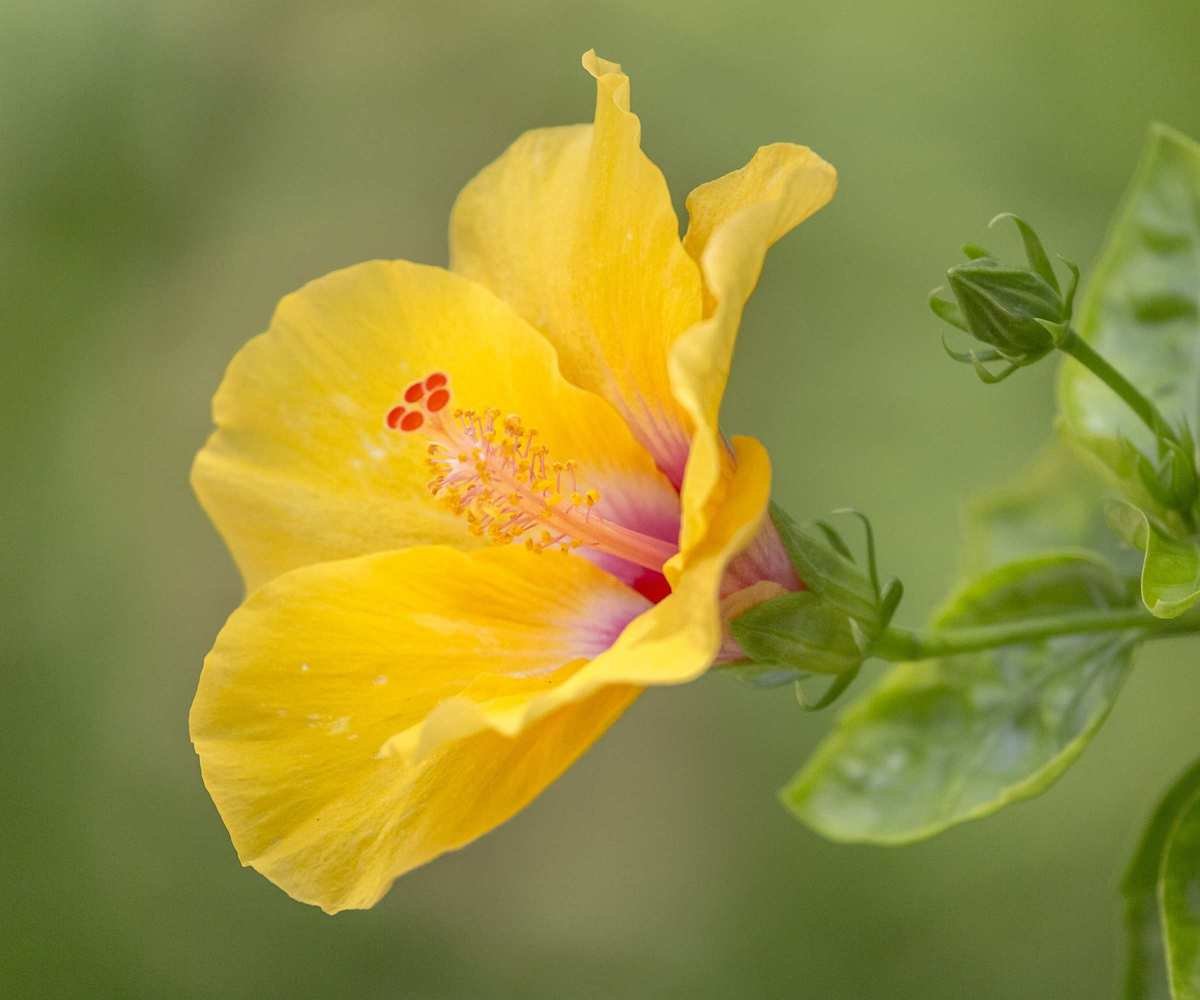
Hardy hibiscus do not require winter protection, thriving even in harsh climates like US zone 5 with temperatures down to -20°F/-29°C.
In contrast, tropical hibiscus needs care during colder months. If you have Hibiscus rosa-sinensis with its vibrant blooms, fall is the ideal time to winterize your hibiscus and shield it from frost.
As indicated by a nursery owner, 'Tropical varieties thrive in US hardiness zones 9 to 11.' If your plant is in a cooler zone, move it indoors when temperatures drop below 50°F/10°C.
For in-ground tropical hibiscus in northern regions, use frost protection to cover the plants through fall and winter. While it may look a bit awkward, protective sheets are essential for survival during cold spells. Frost protection kits are available at Walmart.
3. Apply Mulch to Your Hibiscus

Mulching is another important fall task for your hibiscus. Whether planted in pots or the ground, a thick layer of mulch will help insulate roots during colder months. Additionally, it retains moisture, which is particularly beneficial for tropical varieties that require less frequent watering.
Choose quality mulch from your local garden center or order online, like this pine mulch from Amazon. Apply one to two inches around the base of your plants for optimal results.
If your hibiscus is in a pot, gently loosen the topsoil before applying mulch, which will also nourish the plant and provide insulation.
Common Questions
Can I Bring a Tropical Hibiscus Indoors for Fall and Winter?
Yes, you can relocate a tropical hibiscus indoors during fall. The best time to do this is after flowering, typically around September, though this can vary by species and location.
Be cautious while using a garden fork or spade to loosen the soil and lift the plant. Once freed, move it indoors to protect from frost and snow. After relocating, give it a deep watering and remember to water every few weeks through fall and winter.
Before winter arrives, inspect your hibiscus for seeds. It's easy to learn how to harvest hibiscus seeds. Just leave faded flower stems on the plant and stop deadheading as summer ends. Shake the seed pods over a bucket to collect any dark seeds, and store them in a cool, dark place until you're ready to plant next year.



