
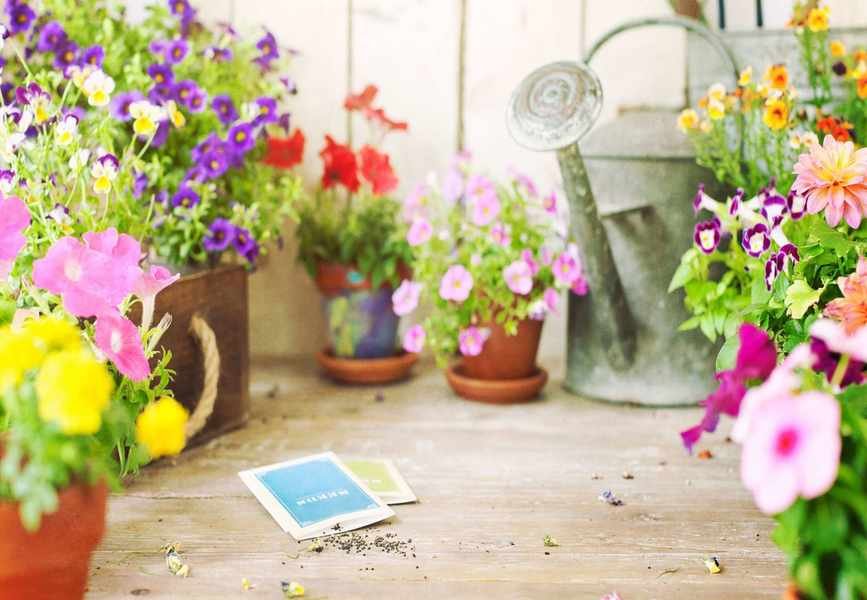
If you've received homemade wildflower seed bombs for a special event or have gathered seeds from your own plants, understanding the right way to store them is vital for preventing waste.
While purchasing new seeds can diversify your garden, there's immense satisfaction in using seeds you've collected. This environmentally friendly practice can yield wonderful results in the next growing season, or even longer, as long as you handle them properly.

Techniques for Proper Seed Storage
Whether you're benefiting from an abundance of seeds at your local library or reassessing your storage methods after a less-than-stellar season, refining your techniques is key.
Improper light exposure and watering are common errors in seed sowing. Let's explore how to master your seed storage with expert insights:
1. Collect Seeds Methodically
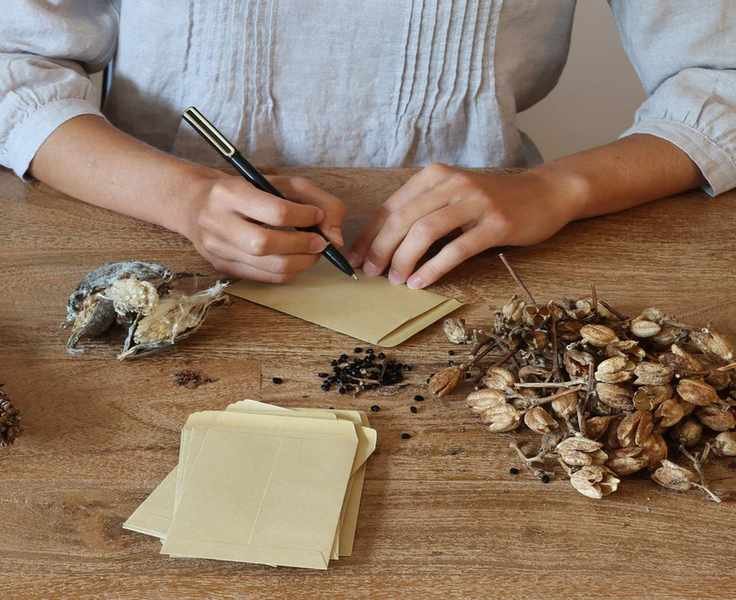
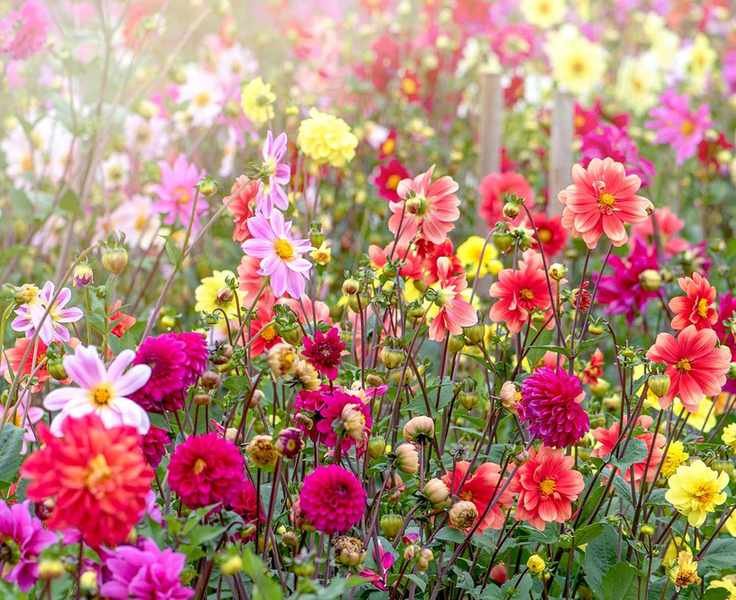
Whether you plan to grow dahlias from seed or aim for a wildflower aesthetic, start by gathering seeds from healthy plants at the appropriate time.
Timing for seed collection varies based on the plant species and hardiness zone. Generally, seeds become dry and crisp about two months post-flowering.
As you collect, identify and label each seed to avoid confusion, especially since hybrids can affect your garden design.
Choose a dry, sunny day for harvesting, and have several paper bags ready.
2. Store in Suitable Containers
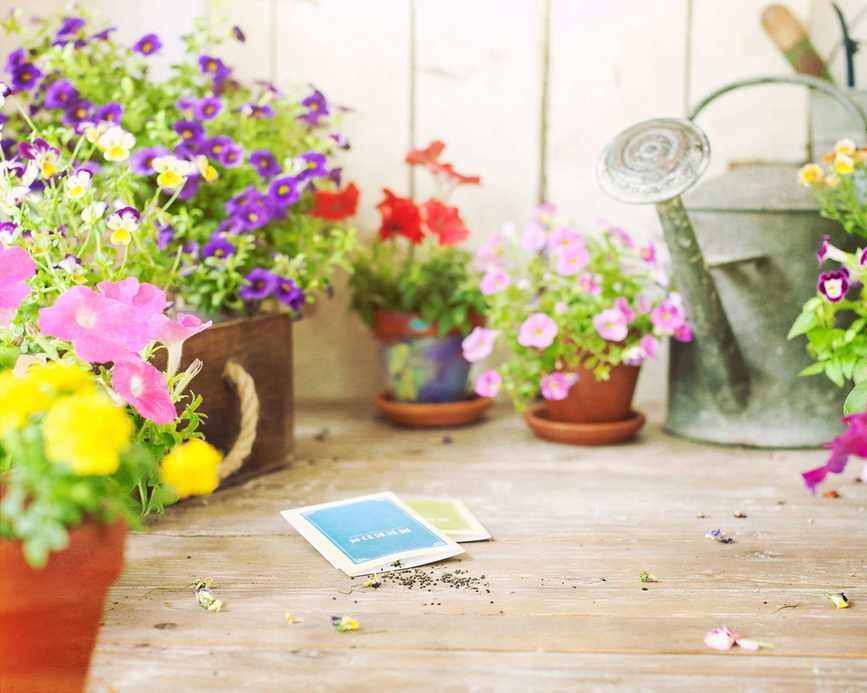
If you have pre-packaged seeds, keep them in their original packets for essential information like variety name, days to maturity, and planting instructions.
Amy Enfield, a Senior Horticulturist, emphasizes, "The original packet contains vital details. If you can't keep them in that packaging, use small envelopes with the plant name and purchase date noted."
Regardless of whether packets are opened, store them in airtight containers to prevent premature germination. Use a jar or plastic box with a secure lid to keep moisture out. This applies to your own collected seeds as well.
Consider organizing seeds before placing them in containers for easy access during planting season. Attractive options like Kilner or Mason jars can enhance your storage aesthetics. Amazon offers various seed storage containers with labels as well.

Amy brings over 25 years of expertise in the lawn and garden sector and has spent 11 years with a well-known gardening brand. She holds a BS and MS in Horticulture from Michigan State University, along with a PhD in Plant & Environmental Sciences from Clemson University.
3. Keep Seeds in a Cool, Dark, and Dry Place
While a garden shed or greenhouse may seem ideal for seed storage, they can be too humid and experience temperature fluctuations. Instead, find a spot indoors to prevent early germination.
Amy advises, "Moisture and heat can diminish seed viability. Store packets in a cool, dry environment, ideally with humidity below 60% and temperatures around 40°F. Many gardeners keep seed packets in airtight containers in the fridge."
Avoid sheds and garages as temperatures and humidity levels can change. If you can't maintain 40°F, aim for 55-60°F, like a cool basement, for your seed containers.
If humidity is a concern, consider adding a desiccant to your storage container. Some gardeners use rice, powdered milk, or silica gel packets to absorb excess moisture.
Note that some seeds, like magnolia, walnut, and oak, should not completely dry out. Store these in a plastic bag with moist vermiculite.
Keep seeds out of direct sunlight. "As long as they're in their original packets or envelopes, they'll be protected from light," Amy notes. For loose seeds, however, find a dark spot, as light can trigger germination.
What's the Shelf Life for Seeds?
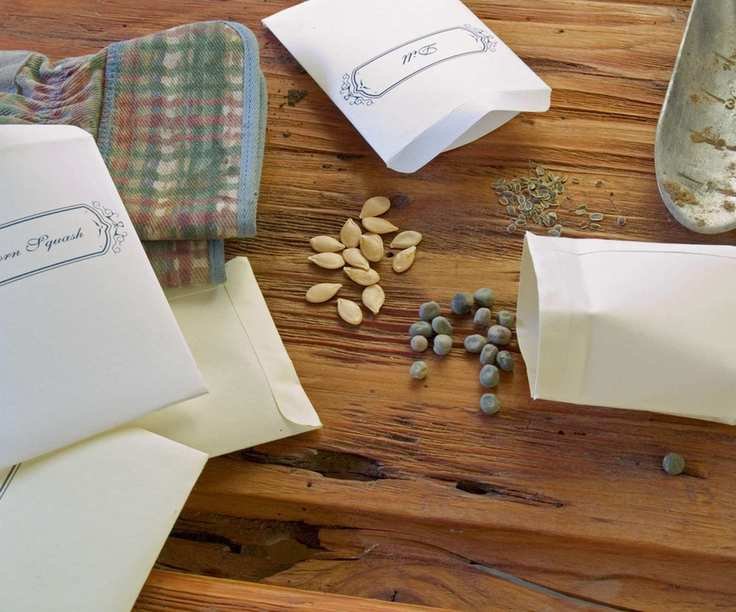
Some plants require immediate sowing, like cyclamen and delphiniums. However, with proper storage, most home-collected seeds can last until the next season. Amy states, "Under ideal conditions, most seeds can be saved for several years. Storage duration varies by seed type."
Corn, lettuce, and pepper seeds might last about two years, while cucumber, radish, and collard seeds can last up to five years. Be aware that germination rates may decrease for older seeds.
Shop-bought seeds can also last beyond their labeled expiration if properly stored. Nikhil Arora, Co-founder of a gardening company, notes, "Unopened packets can remain viable for several years when stored correctly. Opened packets generally last 1-2 years, depending on the seed type and storage quality."
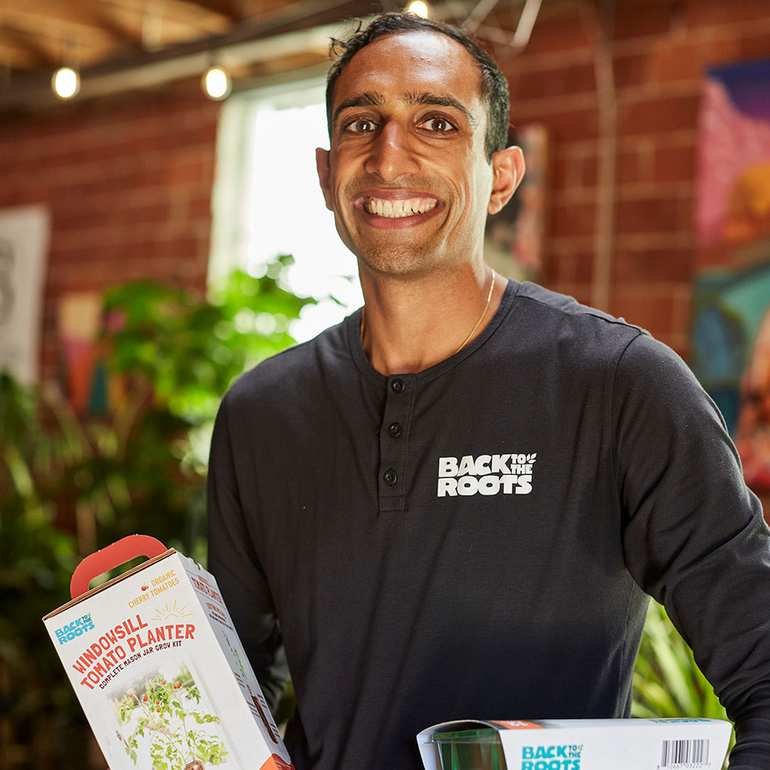
Nikhil co-founded a gardening brand focusing on sustainability and offers organic seeds through various retailers. He initially launched the brand while in college after discovering how to grow gourmet mushrooms using recycled coffee grounds.
How to Test Seed Viability
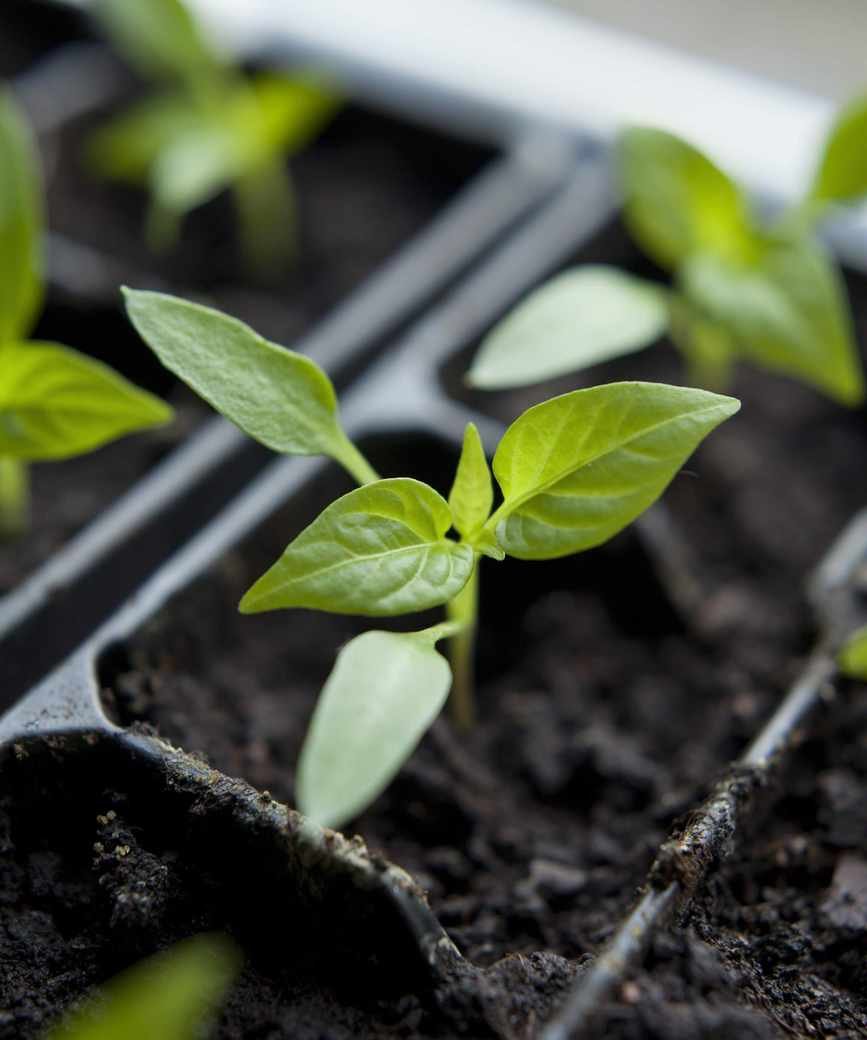
"Seeds don't spoil suddenly; they gradually lose their ability to germinate," Nikhil explains.
If you find an old seed packet with an unclear expiration date, you can easily test its viability. Take about 10 seeds and place them on a damp paper towel. Fold it and put it in a sealable plastic bag, then store it in a warm, humid area.
After a week or so (or according to the germination time on the packet), check for sprouting seeds. You'll quickly determine if your seeds are still viable. Nikhil adds, "Visually inspect seeds for mold or unpleasant odors, which indicate poor quality."
Ideal Seed Storage Solutions
 With airtight lids
Price: $38.99 Was: $20.58
 Seed fridge/freezer storage
Price: $17.82
 Complete with seed envelopes
Price: $21.99
FAQs
Is it better to store seeds in the fridge or freezer?
If you lack a cool, dark storage area, your fridge might help.
Amy suggests, "Some seeds, particularly those from cold-climate plants, benefit from freezer storage. Ensure seeds are completely dry to avoid ice damage, and use sealed bags or containers. When removing seeds from the fridge or freezer, let them reach room temperature before opening to prevent moisture absorption."
What's the best way to store seeds?
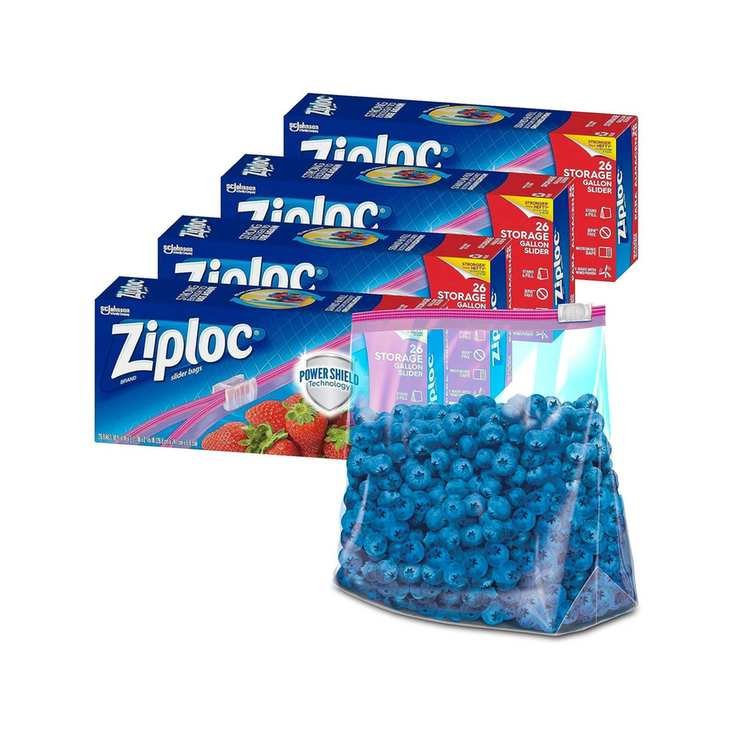
Airtight glass jars are ideal. Nikhil recommends, "My favorite seed containers are airtight glass Mason jars with secure lids. However, Tupperware or Ziploc bags also work well. Just protect seeds from moisture and pests while keeping them organized for easy access."
Using baseball card holders is another effective method since seed packet sizes often match those slots.
By effectively storing seeds, you can cultivate beautiful blooms and maintain a vibrant garden throughout the seasons. Remember to use the best soil for seeds and to transplant seedlings carefully, whether in garden beds or window boxes.



