
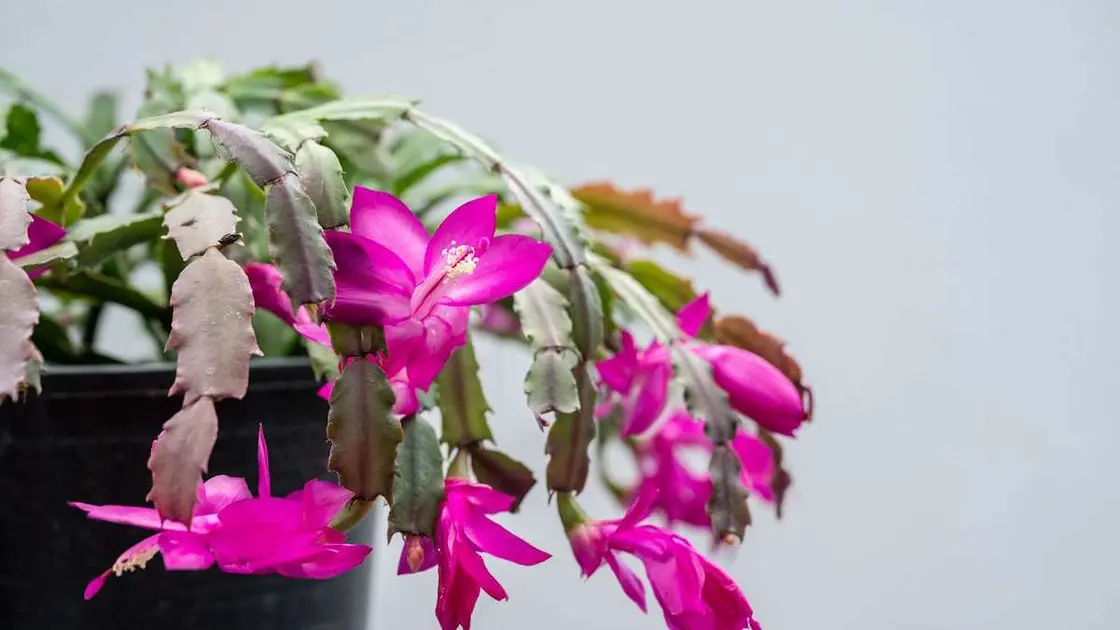
Thanksgiving cacti, scientifically known as Schlumbergera truncata, are cherished indoor plants during the fall, showcasing vibrant blooms in shades of red, pink, purple, and white. Originating from the tropical climates of South America, they bring an exotic touch to your home and can thrive for decades with proper care.
At first glance, Thanksgiving cacti might be mistaken for their holiday counterparts, the Christmas cactus and Easter cactus. They share similar care requirements, as they belong to the same genus, Schlumbergera. However, you can differentiate them by examining their leaves; the Christmas cactus features smoother edges.
This particular cactus blooms slightly earlier than the Christmas cactus, as its name implies. Additionally, the flower shapes are distinct, adding to their unique charm. To help your plant thrive and bloom beautifully this season, we've compiled expert care tips that will ensure its success.
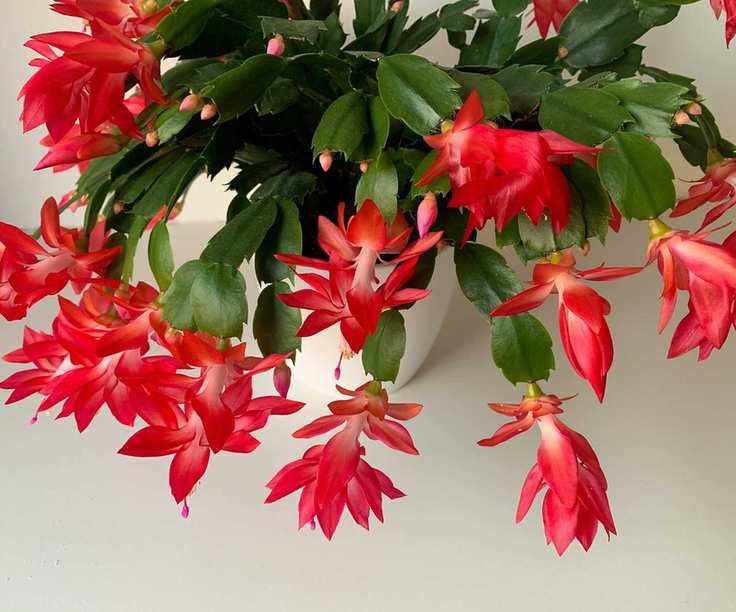
Holiday cacti brighten up your home
3 Essential Care Tips for Your Thanksgiving Cactus
If you're unsure whether you have a Thanksgiving cactus, Kayla Gajdascz from Mental Houseplants notes that 'the flowers of a Thanksgiving cactus usually have a more asymmetrical look and a tubular or funnel-shaped structure.'
A Thanksgiving cactus can grow to about 24 inches wide, depending on its pot size, and is relatively low-maintenance. Still, following the right care guidelines will help it flourish.
1. Water Wisely and Feed During Growth
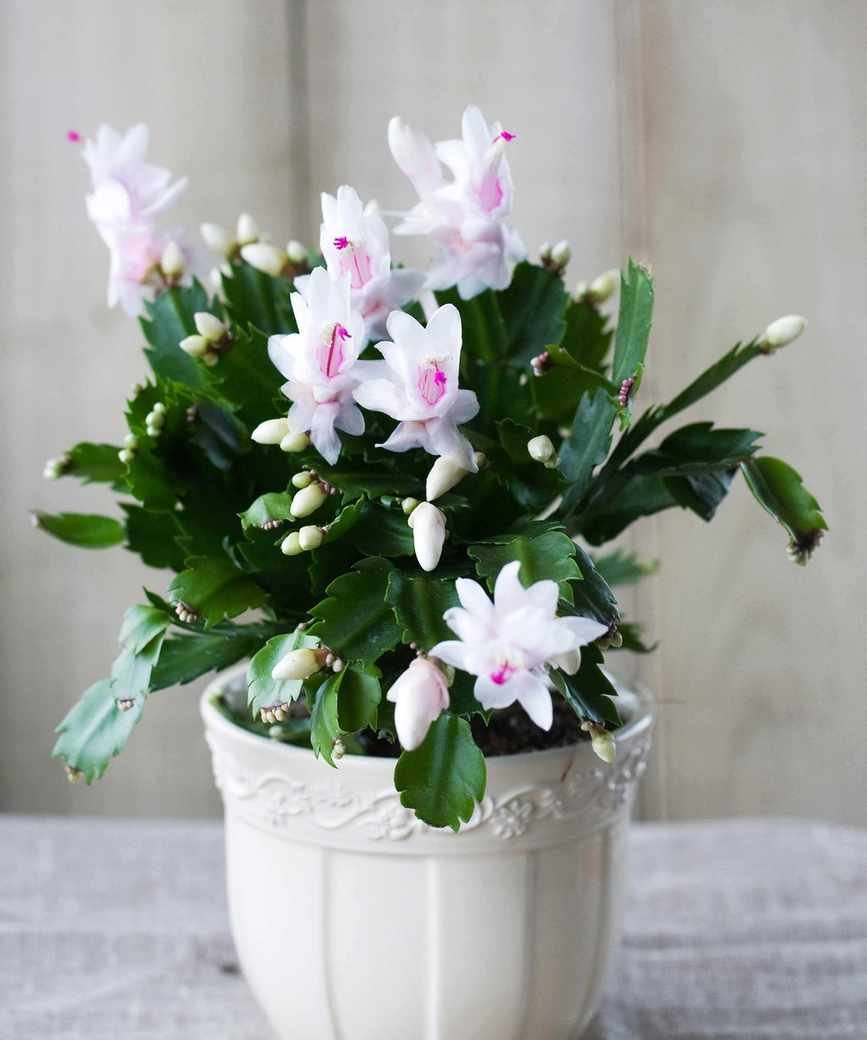
Be cautious not to overwater your plant
As succulents, Thanksgiving cacti are prone to root rot if exposed to standing water. They thrive in moist soil, but you must avoid over-saturating them.
'Water them thoroughly when the top inch of soil feels dry,' Kayla advises. It's important to cut back on watering during the winter months when the plant isn't actively growing.
Ensure the cactus is planted in well-draining soil. Autumn Janus from Perfect Plants Nursery recommends using a specially formulated succulent and cactus soil.
You can also make your own potting mix by combining standard potting soil with perlite or sand to enhance drainage. Remember to choose pots with drainage holes, too. Incorporating materials like peat moss and orchid bark can also be beneficial, as Thanksgiving cacti naturally grow on trees. Replicating their natural habitat will increase your chances of success.
For fertilizing, use a balanced, water-soluble fertilizer every two weeks during spring and summer, according to Kayla.
Top tip: Being tropical plants, Thanksgiving cacti enjoy humidity. Regularly misting them helps, and placing a humidifier nearby can also help. Alternatively, consider placing them in naturally humid areas of your home, like the bathroom.

Autumn is a horticulture specialist with a passion for helping others create beautiful indoor and outdoor spaces. With four years of experience in the horticulture industry, she is well-versed in plant care, selection, and landscape maintenance.

As the co-founder and president of Mental Houseplants, Kayla is dedicated to highlighting the positive effects plants have on mental health. The company collaborates with NAMI, the National Alliance on Mental Illness, contributing a portion of every sale to support their mission.
2. Ensure Proper Lighting and Temperature
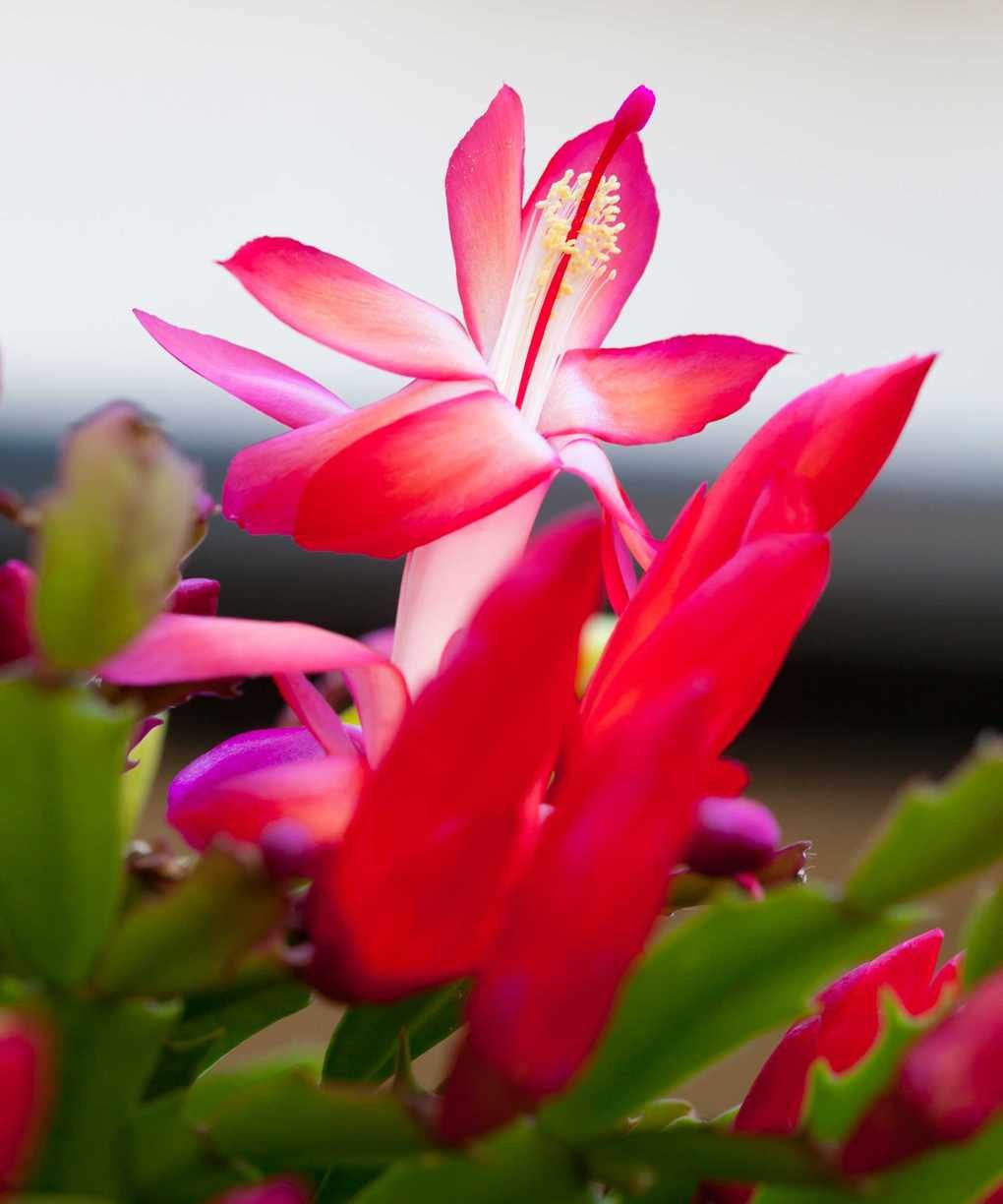
These plants thrive in bright but indirect light
'Thanksgiving cacti flourish in bright, indirect light,' Autumn explains. 'During winter, they can handle more direct light, but in summer, filtered light is preferable to prevent leaf burn.'
'They prefer average room temperatures,' Kayla adds. 'Aim for about 65-75°F during the day and cooler nighttime temperatures of 55-65°F to promote bud development.'
'Keep them away from drafts or heating and cooling vents, as sudden temperature changes can stress the plant,' warns Autumn.
3. Prune for Shape and Health

Trimming blooms can enhance the plant's appearance
Pruning your Thanksgiving cactus can encourage a bushier and more compact growth. If your plant has grown leggy over time, feel free to trim back the long stems after flowering by removing a few leaf segments from the tips.
Just be careful not to cut back more than one-third of the plant at once to allow for easier recovery. You can also remove any damaged sections.
Always use a clean, sharp pair of pruners or scissors to avoid injuring the plant.
Most flowers will naturally drop off once they die. However, you can manually deadhead any that remain attached by gently pulling them off, as they will be dry and should come off easily.
FAQs
How can I propagate a Thanksgiving cactus?
To propagate these succulents, take stem cuttings and let the ends callus before replanting them in well-draining potting soil for better success.
Why are the leaves dropping off my Thanksgiving cactus?
Leaf drop is often due to watering issues, whether it's too little or too much. If you suspect overwatering, carefully remove the plant from its pot to check for root rot. Trim any damaged roots and replant in fresh, dry soil to aid recovery.
These lovely plants are an excellent way to introduce vibrant color into your home during the fall months. But even without their blooms, their foliage remains appealing throughout the year. If you appreciate their beauty, don't forget to consider the Easter cactus, which blooms in spring.



