

Adding personal elements to your garden is a fulfilling way to create a unique outdoor space. One meaningful approach is to grow trees that correspond to your birth month, known as birth month trees.
Similar to birth month flowers that bring personalized blooms and herbs that offer delightful scents and flavors, birth month trees enhance your yard with beautiful foliage and towering structures, each carrying its own significance.
The concept originates from the Celtic Tree Calendar, an ancient system that aligns trees with the lunar calendar. Curious to learn more? Below, you'll find insights about all 13 birth month trees (surprisingly, there are 13, not just 12) along with their meanings and cultivation tips.
Understanding Birth Month Trees

The Celtic Tree Calendar gained popularity in 1948 through the book The White Goddess (available on Amazon), authored by the British poet and mythologist Robert Graves.
Graves reinterpreted the Ogham alphabet, an ancient writing system that connects each character to a tree or plant. He proposed that the Celts utilized a lunar tree calendar.
Today, birth month trees serve as a lovely way to honor individuals, making them a charming addition to memory gardens dedicated to loved ones.
If you're excited to discover your birth month tree, check the list below. Just ensure you choose a species suitable for your US hardiness zone before planting.
December 24 – January 20: Birch

Starting off the Celtic Tree Calendar is the birch tree, a delightful addition to any yard. In Celtic tradition, birch symbolizes renewal and rebirth, which is fitting for the start of the year.
There are numerous birch species to select from, with most featuring striking white bark that contrasts beautifully with the surrounding greenery.
Additionally, birch trees offer vibrant fall colors, showcasing bright yellows and oranges in the latter part of the year.
To ensure healthy growth, maintain consistent moisture by watering regularly and consider mulching around your birch.
Find a birch tree for your garden at Fast Growing Trees.
January 21 – February 17: Rowan
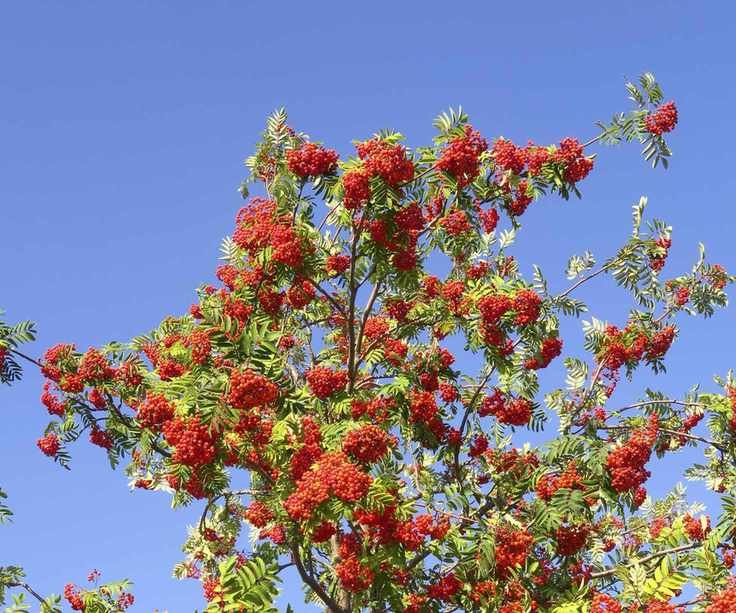
If you were born between mid-January and mid-February, the rowan tree is your birth month tree. It symbolizes protection and intuition, making it a wonderful addition to brighten winter gardens.
Growing rowan trees is simple as long as they are planted in a sunny area with well-draining soil.
Be sure to prune them during late winter to early spring, removing any damaged branches and leaves before the growing season begins. Use loppers (like these from Amazon) for clean cuts.
February 18 – March 17: Ash

Ash trees are associated with poetic vision and creativity in the Celtic Tree Calendar. Their stunning array of green, red, and yellow leaves makes them a captivating choice—like this Autumn Purple Ash Tree from Fast Growing Trees.
However, be cautious when planting ash trees near your home, as their extensive root systems can potentially damage pipes and other structures.
That said, their impressive height (up to 80 feet) makes them a stunning feature in your yard.
Ash trees thrive in well-draining, fertile soil types common in British woodlands, making them a fantastic option for those looking to introduce woodland plants to their gardens.
March 18 – April 14: Alder

Alder trees symbolize courage and determination, boasting dense foliage. If your birthday falls between March and April, this tree would be a great addition to your garden.
They thrive in clay soil and can tolerate wetter conditions, making them a resilient choice.
Alder trees also provide year-round interest, showcasing yellow catkins from late winter to spring that develop into cones by fall.
If your soil is alkaline, consider acidifying your soil for these trees. Testing your soil's pH can be done with a soil test kit from Amazon, and then use these pH adjusters from Amazon as needed.
April 15 – May 12: Willow

For those born from mid-April to mid-May, the willow tree represents a connection to water and wisdom. This tree is perfect for gardens with large ponds or for creating a whimsical fairy garden.
There are many willow varieties to choose from, including fast-growing options for privacy or smaller types for container gardens.
You can start with flamingo willow tree cuttings from Amazon for a container.
Be sure to plant willows in sunny locations, as they thrive in full sun. Shade can hinder their growth.
May 13 – June 9: Hawthorn

Hawthorn trees take center stage in spring as the birth month tree for May. In Celtic tradition, they symbolize love and protection and play an important role in Beltane, a festival celebrating the arrival of summer.
In May, hawthorn trees bloom with striking white and sometimes pink flowers.
As a fan of spring blossoms, it's no surprise that hawthorn is my birth month tree. I love incorporating them into my floral arrangements.
These trees are also excellent for smaller gardens. For instance, the Snow White Indian Hawthorn Shrub from Fast-growing Trees grows to a mature height of five feet.
When tending to these trees, remember that late winter is the best time to prune hawthorn while the tree is dormant. This helps reduce stress and keeps the tree healthy. You can use Fiskars loppers from Amazon for this task.

Rachel is a gardening editor, flower grower, and floral designer. Her journalism career began on Country Living magazine, which sparked her love for container gardening and wild planting. After over a decade of writing and editing various consumer and special interest titles, Rachel became editor of floral art magazine The Flower Arranger. She then trained and worked as a floral designer and stylist in London for six years before joining the gardening team.
June 10 – July 7: Oak

This iconic British tree is easily recognized by its lobed leaves. In the birth month tree tradition, oak is revered for its strength and stability.
They thrive in a variety of soil types, handling full sun to partial shade, and require consistent moisture.
I have successfully grown an oak tree from an acorn, which is a fun project anyone can try. You can even purchase acorn oak tree growing kits from Amazon to get started or to gift to someone born in early summer.
Don't forget to prune your oak tree during its dormant season to maintain its health and shape.
July 8 – August 4: Holly
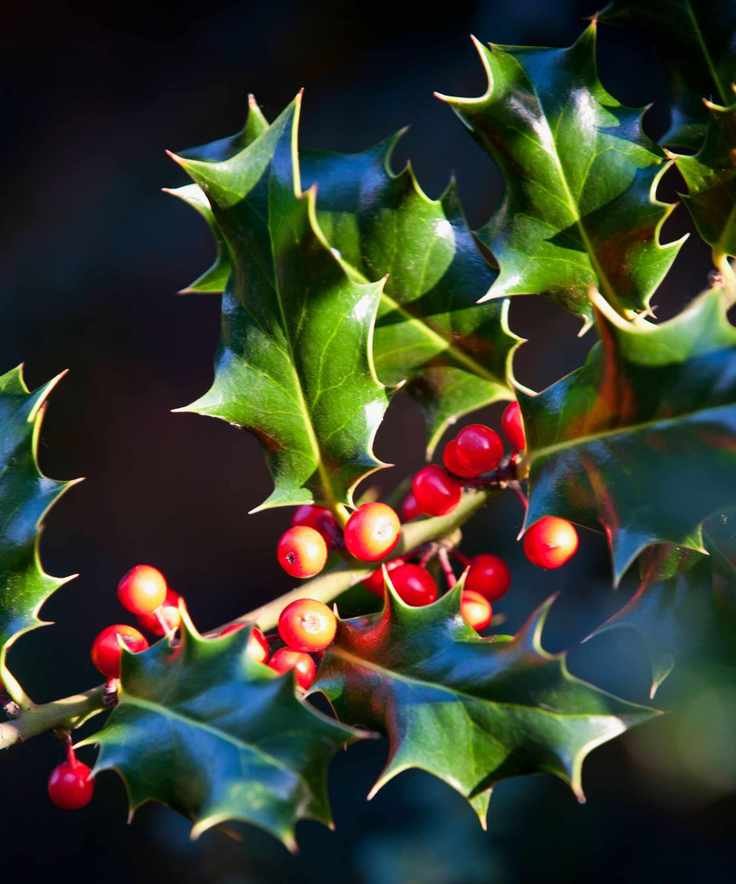
Holly is my birth month tree, and I'm thrilled to have a holly bush in my new home this year—it feels meant to be. According to Celtic tradition, holly signifies nobility and resilience.
While holly is often recognized as one of the best winter berry shrubs, it also produces delicate white flowers in spring. Plus, its evergreen leaves offer year-round enjoyment.
I personally have a variegated holly with stunning yellow and green foliage. Growing holly is straightforward; I simply prune it in spring to shape it and encourage fresh growth before the colder months.
Find a holly bush for your yard at Nature Hills.
August 5 – September 1: Hazel

Hazel trees are cherished for their edible hazelnuts, which are harvested between September and October. They also provide versatile wood for creating plant supports.
If your birthday falls in August through early September, this tree represents knowledge.
Hazels are typically smaller, making them ideal for compact gardens. Some varieties can even be grown in pots, or you can choose a standout variety like the American Hazelnut Filbert Tree from Fast Growing Trees.
It's essential to prune hazel trees in their early years to create a strong foundation for future growth.
September 2 – September 29: Vine

While not a traditional tree, the grape vine is associated with joy and celebration in the Celtic Tree Calendar, likely due to the wine made from its grapes.
It's a fantastic fruiting plant, although growing grapes does come with specific requirements. These include planting in the fall, finding a sunny spot, and ensuring the soil remains well-drained.
Proper pruning is crucial for grape production. This involves adapting your technique each year (details can be found in our linked guide) and using the right pruning tools. These pruning shears from Amazon are a great choice.
September 30 – October 27: Ivy

Common ivy, while not a traditional tree, represents perseverance and survival for those born in late October.
The good news is that ivy can be grown indoors, making it a perfect gift for those celebrating birthdays this month. I have an ivy houseplant, and it's one of the easiest plants to care for. You can place it in lower light conditions without much fuss, reflecting its native woodland habitat.
To encourage growth, regular pruning is beneficial. Just like hair, cutting it back promotes growth, which is why I use these pruning snips from Amazon as part of my plant care kit.
October 28 – November 24: Reed

While not a traditional tree, reed grass earns its place in the Celtic Tree Calendar, symbolizing honest expression and musical connections.
This ornamental grass is ideal for adding movement in the wind and is often cultivated as a pond plant due to its fondness for wet conditions.
Reed grass also showcases stunning fall colors, transitioning from green to bronze later in the season.
Find a feather reed grass for your garden at Nature Hills.
November 25 – December 23: Elder

The elder tree, the last on the Celtic Tree Calendar, is cherished for its versatility in the garden. You can grow elder trees of various colors and sizes, each producing edible berries.
As a birth month tree, elder represents completion and reflection, rounding off the year. It's also known for its medicinal properties, including antiviral benefits.
Elder trees are among the most low-maintenance options, thriving with minimal care.
However, if you want to enjoy a plentiful harvest of those beautiful purple-black berries later in the year, be sure to prune elderberry shrubs in the spring.
Find an elder bush at Fast Growing Trees.
Frequently Asked Questions
What Do Birth Month Trees Represent?
Each birth month tree is tied to a specific time of year, highlighting significant seasonal events. For instance, hawthorn blooms in May, while hazel bears fruit in August, making these trees particularly meaningful.
If you love the idea of selecting plants that resonate personally, you might also enjoy our guide on zodiac houseplants for your indoor garden.



