
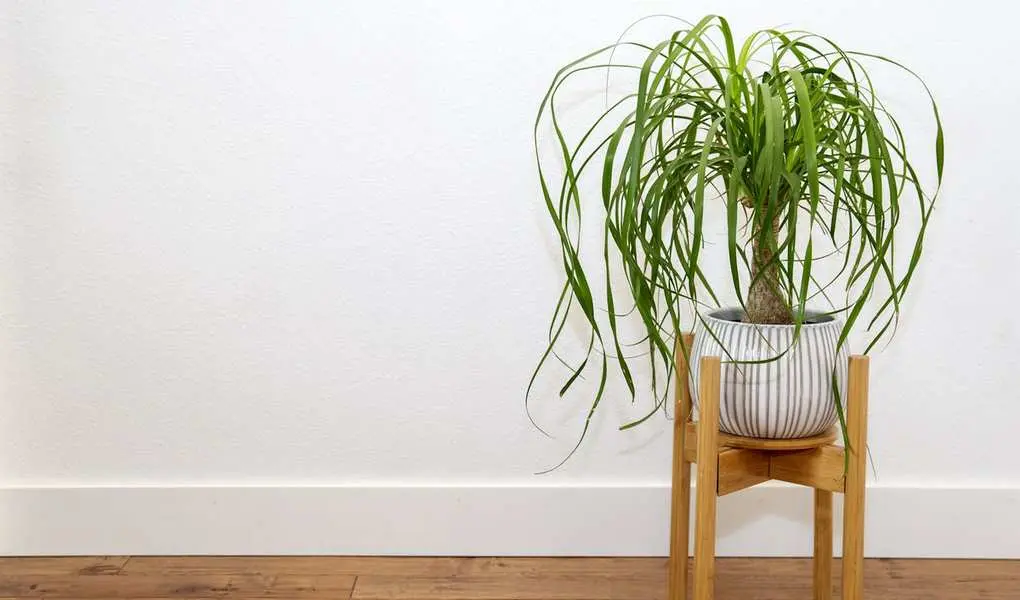
Ponytail palm tree, also known as Beaucarnea recurvata, is a stunning indoor plant characterized by its thick trunk and cascading curled leaves, resembling a ponytail. This plant is ideal for those wanting to introduce a touch of the tropics into their living spaces.
Originating from the semi-deserts of southeastern Mexico, Belize, and Guatemala, ponytail palms can grow from one to six feet tall. They make for charming small indoor plants on windowsills or larger statement plants that occupy floor space.
These lovely plants are simple to care for and can thrive for many years with the right attention. We've gathered essential tips from experts to help you nurture your ponytail palm tree.
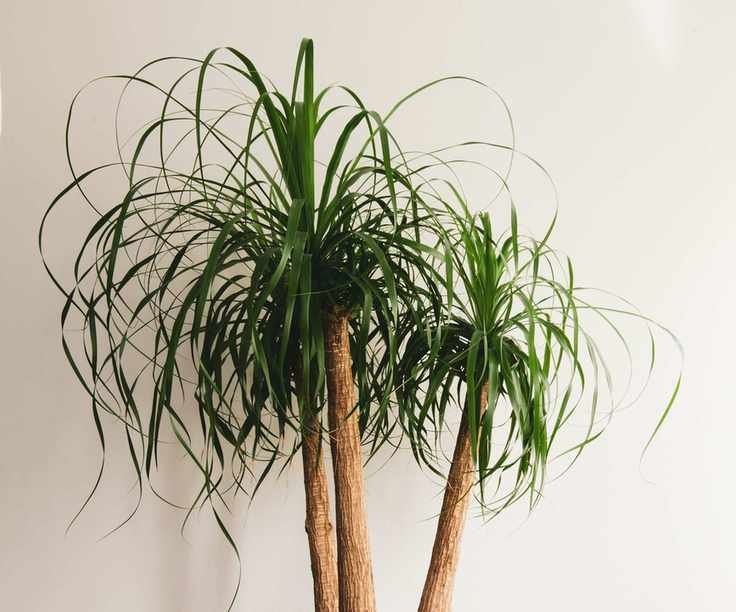
3 Essential Tips for Ponytail Palm Tree Care
Ponytail palms are easy-care indoor plants that need minimal but specific care to flourish. Check out these expert recommendations for keeping your ponytail palm healthy.
1. Provide Ample Bright, Indirect Light
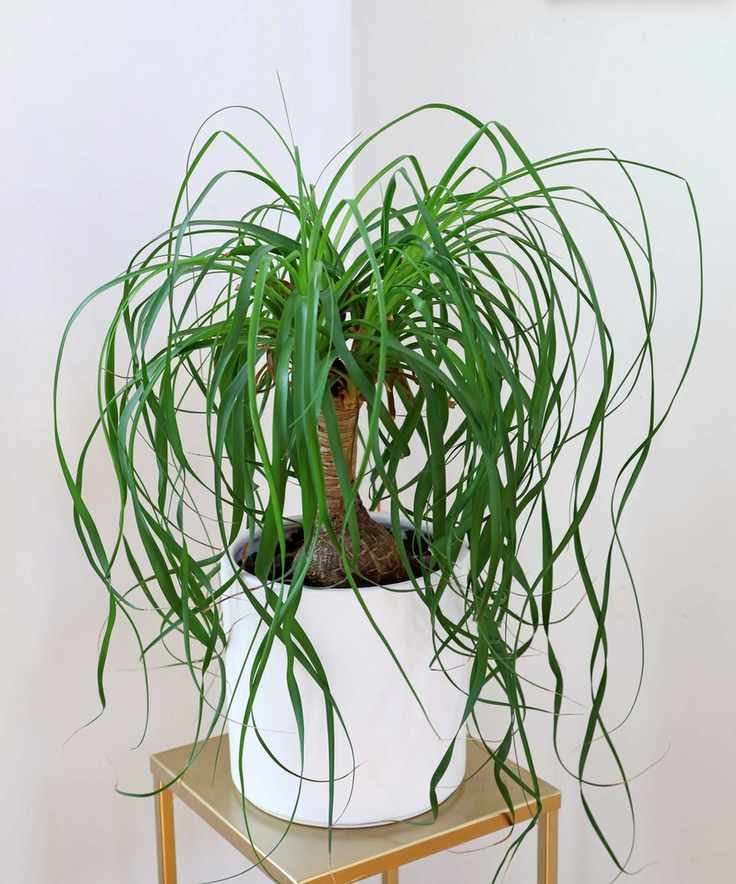
These plants thrive in bright, indirect light, making placement near a sunny window ideal. 'Ponytail palms flourish in bright, indirect sunlight, so make sure to keep them away from direct rays,' advises a plant expert. Direct sunlight can burn the delicate leaves, while insufficient light may lead to drooping foliage.
As these plants are also safe for pets, you can position them where your curious companions might roam without worry. Once you've found a suitable spot, let your ponytail palm remain there; they prefer consistency.

2. Allow Soil to Dry Before Watering
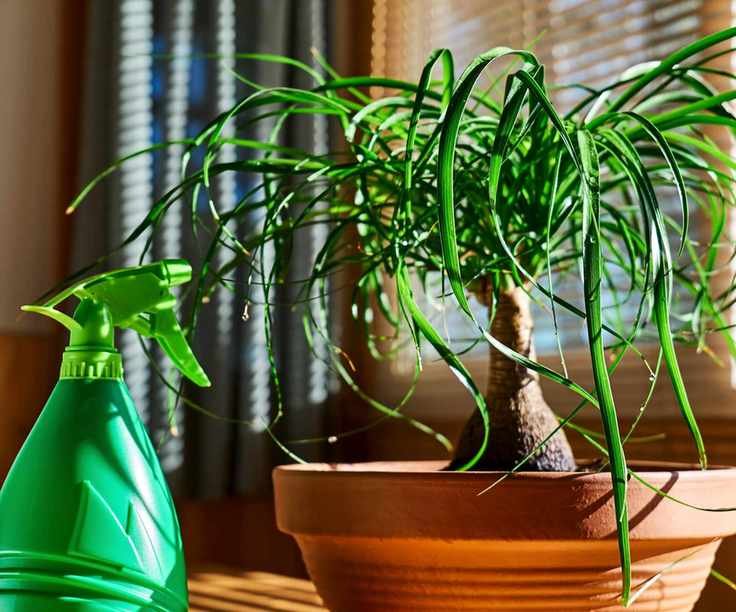
Watering correctly is key to keeping houseplants healthy. 'It's best to water the ponytail palm sparingly, allowing the soil to dry out between waterings,' a horticulturalist suggests. Overwatering is a common mistake that can lead to drooping leaves and root rot.
During the growing season in spring and summer, it's generally recommended to water every four to six weeks or whenever the top inch of soil feels dry. Adjust your watering schedule based on your home's temperature and humidity levels.
A handy tool to consider is a moisture meter from Amazon to help track soil moisture levels.

3. Repot Every Few Years
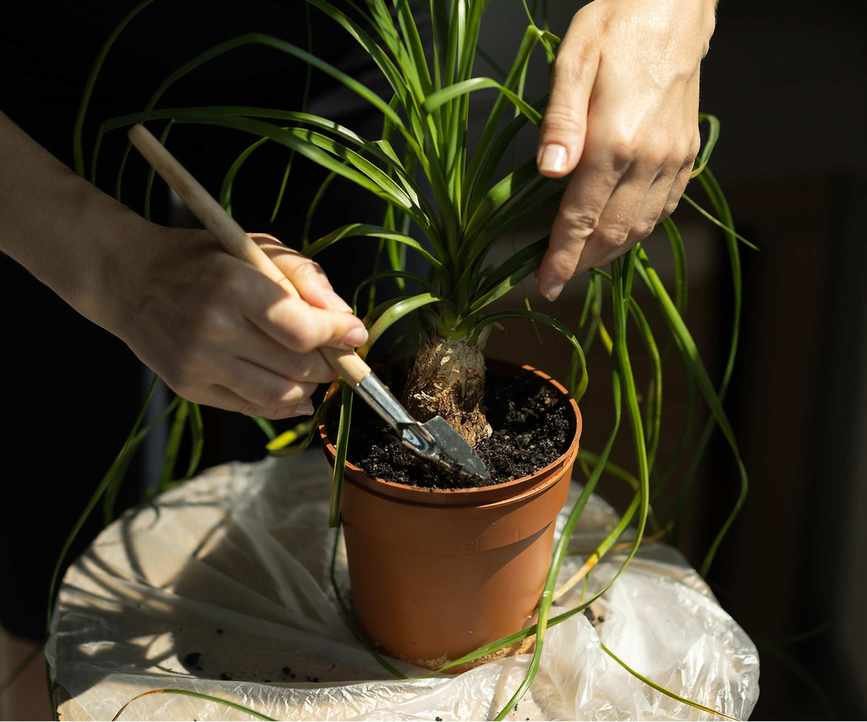
To prevent your ponytail palm from becoming root-bound, it's essential to repot it into a larger container as it grows. Although these plants are slow growers, they still need repotting every few years.
Experts typically recommend repotting every two to three years, or every three to four years for larger plants. Check the roots by gently removing the plant from its pot; if they appear crowded or if the plant is top-heavy, it's time to repot.
Failing to repot can lead to drooping leaves, stunted growth, or even the plant's demise. Choose a pot with drainage holes for better water management, like planters with drainage holes from Amazon.
FAQs
Should I Fertilize My Ponytail Palm?
While not essential, fertilizing can support your ponytail palm's growth. Use a houseplant fertilizer, such as liquid fertilizer for indoor plants, during the spring and summer when it's actively growing.
Is Pruning Necessary for My Ponytail Palm?
Pruning can benefit your ponytail palm by promoting health. Trim away any dead or damaged leaves using clean, sharp gardening tools, such as micro-tip pruning shears from Amazon. This will help maintain its health and stimulate further growth.
Ponytail palms add a striking green element to any home. They are straightforward to care for and can thrive for years with proper attention.
For more inspiration on houseplants, explore other tropical indoor plants to enhance your living space, or think about nurturing a weeping fig.



