
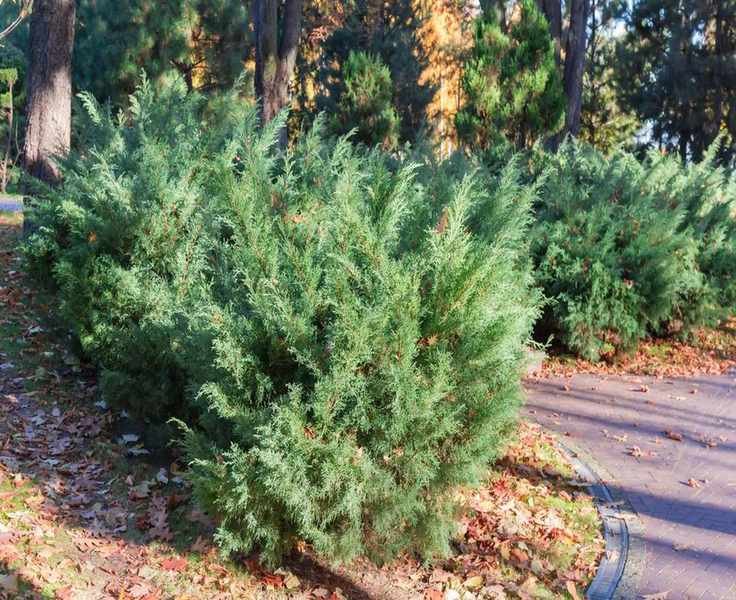
Juniper shrubs are resilient evergreen conifers available in various shapes and sizes. Their adaptability and low-maintenance nature make them a favorite, but proper pruning is key to their upkeep.
Considered among the simplest evergreen shrubs for gardens, junipers require minimal watering and feeding once established. They usually need little pruning, except for removing dead or damaged branches.
However, there are times when these hardy plants do need pruning. Knowing the right timing and techniques is crucial for their health. Improper pruning can lead to lasting damage, resulting in unsightly bald spots, as these slow-growing plants take time to recover.

Best Practices for Pruning Junipers
Pruning junipers primarily serves to shape the plant and prevent overgrowth. Their slow growth means they don’t require frequent trimming, but improper cuts can lead to bald areas. Here are some expert recommendations on when to prune.
Optimal Timing for Juniper Pruning
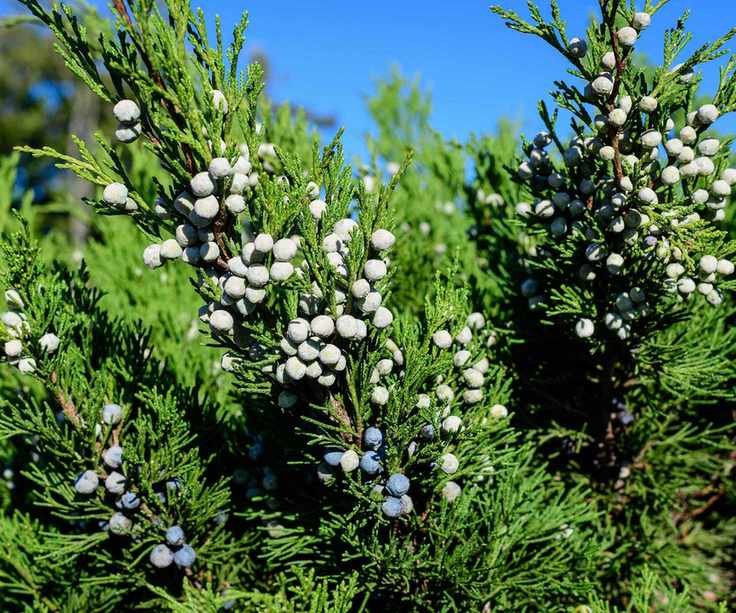
Although junipers don’t need a lot of pruning, it's vital to choose the right timing to maintain their appearance and health. Experts suggest that understanding the plant's growth cycle is essential for effective pruning.
According to horticultural professionals, pruning should occur in late winter or early spring, before the buds begin to swell. It’s also acceptable to do minor touch-ups during summer.
Trimming before the active growth period in spring allows junipers to recover quickly and reduces stress on the plant. This timing also helps maintain the bush's aesthetic since new growth will cover any cut areas.
Weather conditions should also be considered when pruning. Avoid trimming in freezing temperatures, as this can be detrimental to the plant. Additionally, keep an eye on the forecast; pruning during predicted rain can expose the plant to disease.
There’s no rush to prune junipers, so add it to your spring gardening tasks and wait for the right moment to use your pruning tools for gentle trimming.
Techniques for Pruning Junipers
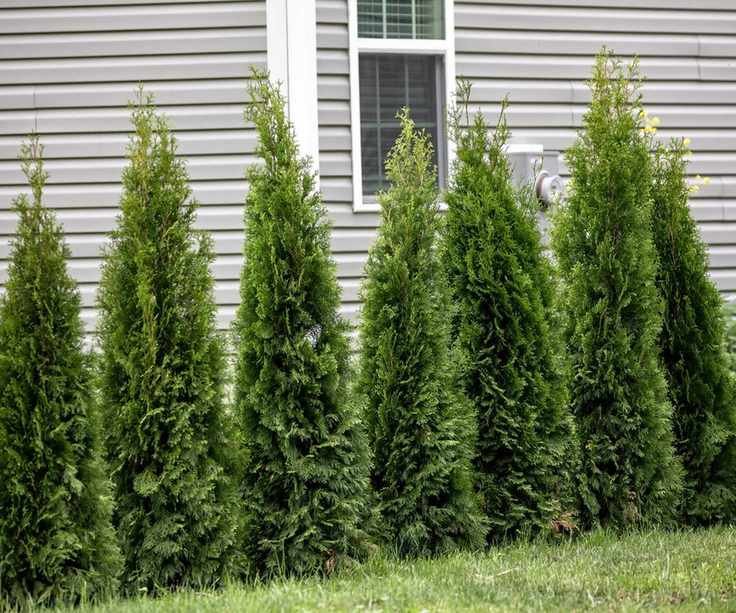
When pruning junipers, it's best to trim lightly and thoughtfully. This approach ensures the plant retains a natural and tidy appearance. Regularly step back to assess your work and avoid over-pruning. Given their slow growth, mistakes can take time to mend.
Remove any dead, diseased, or damaged branches carefully with clean, sharp shears. Focus on branches where new growth can cover the cuts, preventing bare patches.
Like any shrub, ensure that junipers are tapered, being wider at the base than at the top. This design allows light to reach lower branches, promoting healthy growth.
“Prune selectively to keep the plant’s natural look and always cut to an upright branch,” advises a garden consultant. “Make cuts at a 45-degree angle to a side branch with sharp pruners.”
Avoid heavy pruning, adhering to the one-third rule, which suggests never removing more than a third of the plant at once.
Never cut back into the old, darker wood, as this will not produce new growth and will leave unattractive gaps in the shrub.
If a juniper has outgrown its space, consider replacing it with smaller evergreen varieties instead of cutting it back significantly.
Also, avoid simply shearing the outer growth unless shaping a topiary, as this practice tends to promote dense edge growth rather than healthy interior development.
Essential Pruning Tools
Fiskars 5/8"
These affordable steel blade bypass pruners are budget-friendly and easy to maintain.
Felco No. 2
These premium pruners feature hardened steel blades and durable aluminum handles, often regarded as the best on the market, with replaceable parts.
Okatsune 103
These sleek Japanese pruning shears are lightweight and perfect for smaller hands.
Common Questions
Can Junipers Be Pruned in Summer?
Yes, light summer trimming is permissible for shaping, but avoid it during excessive heat.
Is Fall a Good Time to Prune Junipers?
It's best to refrain from pruning in the fall, as this may trigger lush growth that struggles during winter, leading to browning from cold weather.
Junipers offer a variety of options for landscaping needs. For instance, creeping juniper is a low-growing variety perfect for creating an attractive ground cover. This drought-resistant plant requires minimal care and only needs trimming for dead or damaged growth.



