
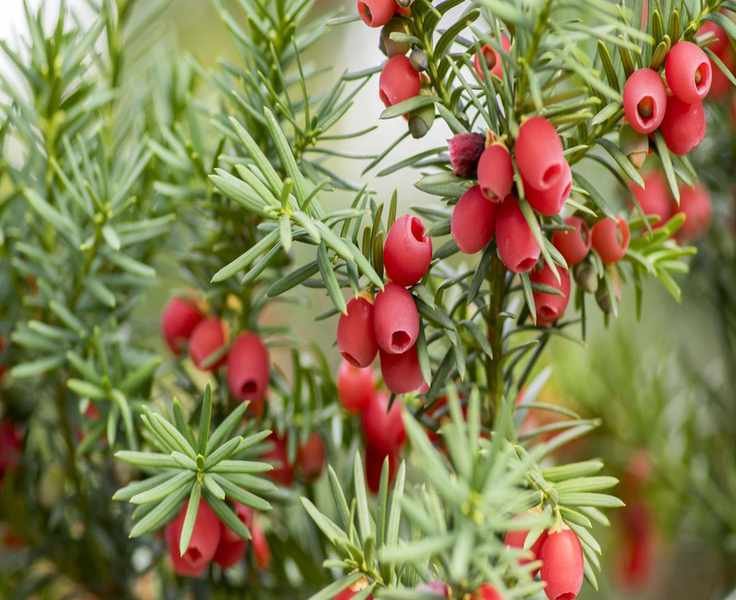
Incorporating evergreens into your landscape is a smart choice for ensuring a vibrant yard all year long. While they might not boast the vivid colors of blooming perennials, evergreens serve as essential structural elements in your garden, offering versatility and adaptability.
As an experienced gardener, I've nurtured a variety of evergreen shrubs. If you're creating a new garden or expanding an existing one, evergreens can truly elevate outdoor areas. Imagine bright green pittosporum domes paired with ornamental grasses or lush yew hedges framing your entrance.
Here, I present some of the simplest evergreen shrubs to cultivate that are hardy, resilient, and low-maintenance. Whether you seek evergreens for compact gardens or prefer easy-to-grow evergreen trees as shrubs, this guide has everything you need.
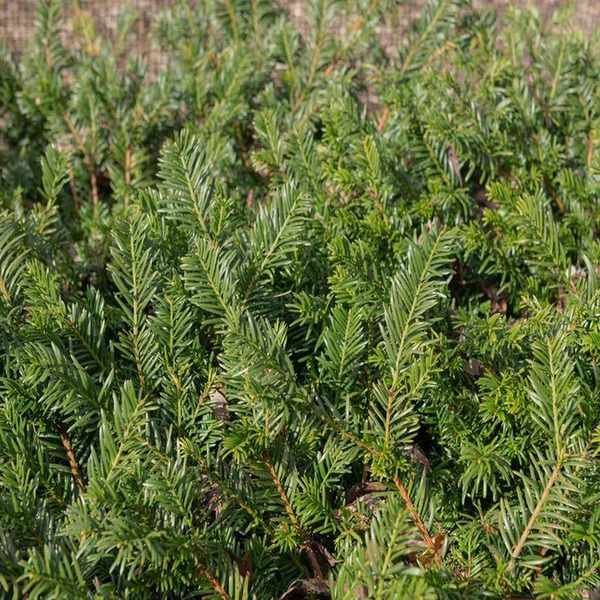
Top Easy Evergreen Shrubs
If you're thinking about landscaping with evergreens this season, choose varieties appropriate for your US hardiness zone. Some evergreens thrive in both warm southern zones and cooler northern areas, but it's always wise to select species that will flourish in your specific environment. You don't want to invest in a beautiful shrub only to watch it struggle shortly after planting.
1. Juniper

Junipers rank among the best evergreen shrubs, celebrated for their delightful fragrance and consistent foliage. 'Junipers are definitely among my favorite evergreens to cultivate,' shares a gardening expert.
'With numerous species and varieties, some junipers remain small, like the native creeping juniper, Juniperus horizontalis, which grows only about two feet high. Creeping juniper plants can be found at Walmart.
'For a taller option, consider Juniperus chinensis 'Spartan', which naturally grows in a conical shape and reaches approximately 15 feet tall,' the expert adds. This variety can thrive down to US hardiness zone 4, withstands cold winters, and boasts a dense growth habit with a rapid growth rate. Although it requires annual pruning in early spring, this topiary evergreen is easy to maintain and drought-resistant once established.

With a deep-rooted passion for horticulture, this expert has amassed extensive knowledge through years of experience in the field.
Okatsune Pruners
These striking red and white pruners effortlessly slice through thin branches and stems, making pruning a breeze.
Pink Gardening Gloves
Crafted from synthetic leather, these gloves protect your hands while you work in the garden and feature padded palms to prevent blisters.
Hedge Shears
These shears deliver exceptional cuts, and their white-and-red handles are easy to spot if misplaced.
2. Yew
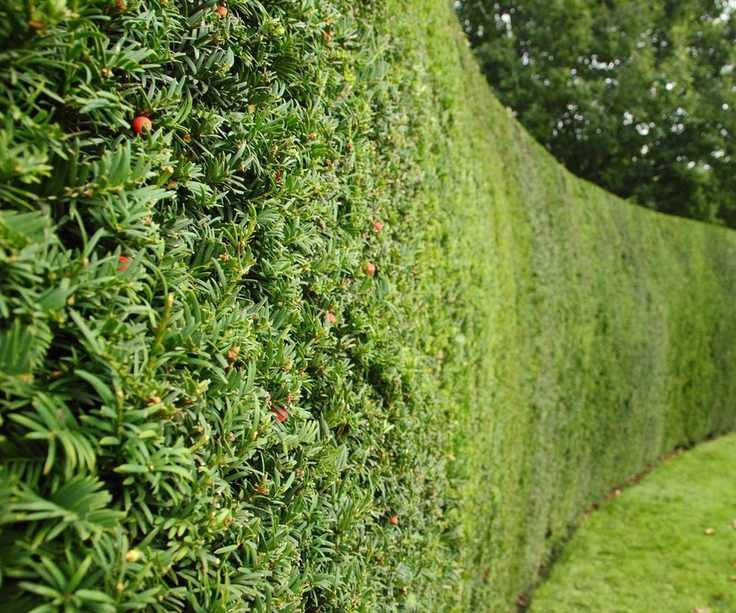
'Yew is a reliable evergreen to cultivate,' says a nursery owner. 'This classic plant is low maintenance and a staple in landscaping.'
Yew, or Taxus, can grow in zones 4 through zone 8 and adapts to various settings. I've raised the English yew, Taxus baccata, as tall privacy hedges reaching up to 15 feet or as low hedges along pathways. It can also be shaped into rounded forms, perfect for achieving a modern cottage garden look.
'Yews are incredibly easy to grow,' the nursery owner continues. 'All yews respond well to regular trimming, typically done in summer or early fall, and once established, they require no additional feeding or watering. The spreading yew, available from Perfect Plants, is a hardy choice that produces vibrant red berries in winter.'
All parts of yew are toxic, so it's essential to wear gloves when planting or pruning. The sap can irritate the skin, so exercise caution and wear protective clothing. Check out these durable gardening gloves from Amazon.

With over 20 years in horticulture, this expert grew up on a farm and is passionate about sharing his knowledge of landscape trees and shrubs.
3. Japanese Holly
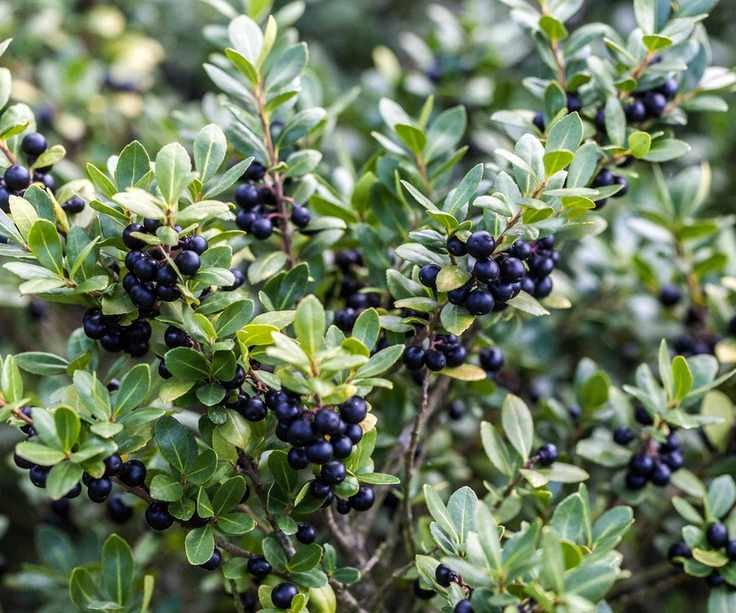
Japanese holly, or Ilex crenata, is another easy evergreen shrub. With its small, persistent leaves, it's an excellent substitute for boxwood, Buxus, thriving without the risks of box blight fungus.
If you're after topiary plants, Japanese holly is a low-maintenance evergreen that's resistant to pests while producing lovely dark berries in winter.
'The deep green leaves can be utilized in various ways,' the nursery owner notes. 'They can be grown in pots, serve as a screen for balcony privacy, or planted in borders and shaped into rounded forms.
'Japanese holly is appreciated for its adaptability,' he adds, 'growing well down to US hardiness zone 5 and tolerating full sun or deep shade.'
Japanese holly plants can be found at Perfect Plants.
4. Pittosporum
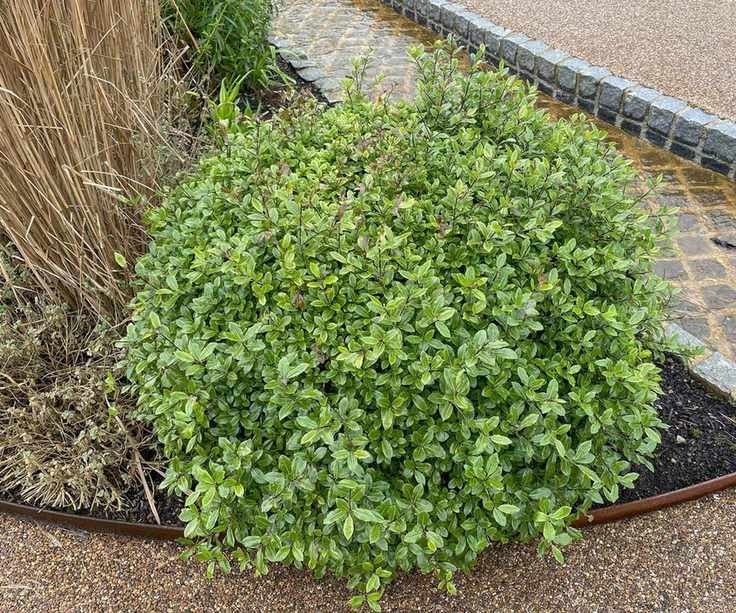
Pittosporums are favored by garden designers and landscapers globally. Native to Asia and Oceania, these attractive evergreens come in various shapes and sizes.
One standout species is Pittosporum tenuifolium, hardy down to US hardiness zone 8. As shown in the image above, this species can be groomed to maintain a compact size for topiary, though without pruning, it can grow up to 10 feet tall.
I've successfully grown this variety in various front and backyards in London with no issues. Regular pruning helps keep pittosporums bushy, as they can become woody if left untrimmed.
Pittosporum shrubs can be purchased online at Walmart.
5. Sweet Box
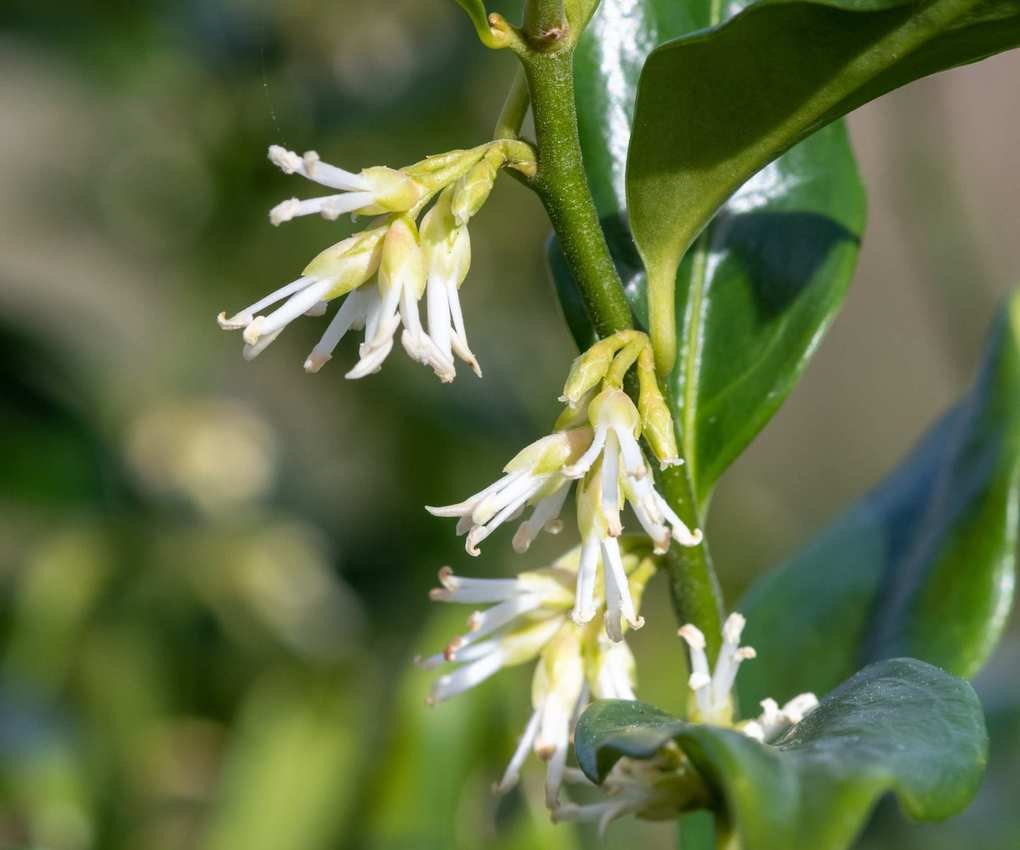
One of the most beautiful evergreen plants is the sweet box, known as Sarcococca confusa. With its delicate white flowers blooming in winter, this shrub's fragrance can uplift even the gloomiest of days. Sweet box starter plants are available from Walmart.
If you're seeking fragrant winter flowers, sweet box is the ideal choice. In a park where I worked for two years, we had a thriving section of sweet box plants that required minimal maintenance. They typically grow to about three or four feet tall, providing reliable greenery throughout the year.
This species can thrive down to US hardiness zone 6, preferring part to full shade. It grows slowly, so pruning is unnecessary, and once established, it demands little watering or fertilizing. To me, this is undoubtedly one of the simplest evergreen shrubs to grow.
Best Time to Plant Evergreen Shrubs
The optimal time to plant evergreens is during fall or spring. Aim for planting in mild, dry weather, either in October or November before the first frost, or in March and April after the last frost. Avoid planting during extreme temperature fluctuations, as they can negatively affect your plants. Be sure to provide a deep watering after planting to give them a strong start. Additionally, mulching can help retain soil moisture throughout the year.
If you're interested in native plants, consider learning how to grow lingonberry shrubs. These low-growing evergreens reach a maximum height of two feet and are low-maintenance, ensuring year-round greenery while also producing bright red berries in the fall. Live lingonberry plants can be found on Amazon.
Mulch your evergreen shrubs with pine bark to retain moisture, suppress weeds, and enhance their growth potential.



