
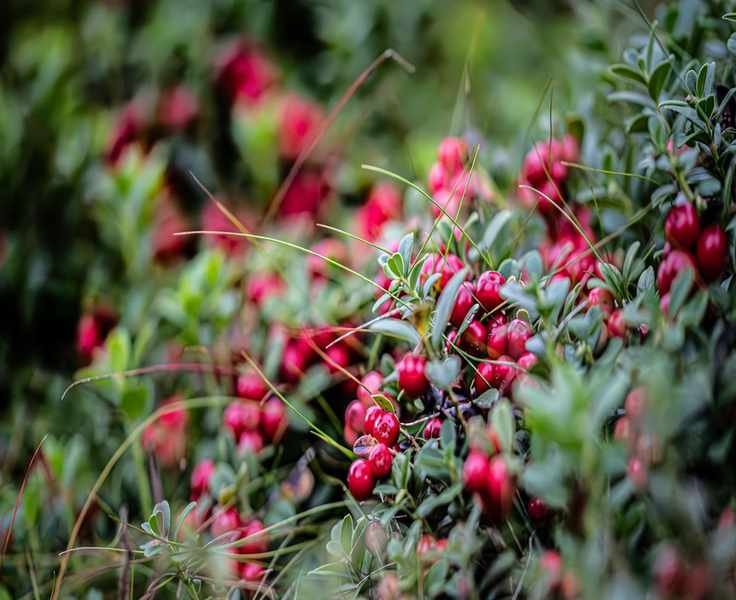
Lingonberries, Vaccinium vitas-idaea, thrive in the cooler climates of North America, Asia, and Europe, typically found in boreal forests and arctic tundra. With their glossy green leaves, these hardy plants serve as excellent ground cover for shaded areas, contributing year-round vibrancy to your garden.
Perfectly suited for northern climates, lingonberries endure cold, snow, and frost. They are closely related to blueberries and cranberries, producing bright red berries in late summer and fall.
If you seek a resilient evergreen that offers both beauty and fruit, lingonberries could be the ideal choice. Here, we provide essential tips on cultivating these shrubs in your garden.

Growing Lingonberry Plants
While colorful perennials are lovely, integrating evergreen varieties like lingonberries into your landscape makes practical sense. These shrubs are perfect for filling challenging spots, such as under trees or in shaded corners, ensuring your garden remains attractive all year round.
These 3-4 inch tall lingonberry starter plants will quickly flourish as evergreen ground cover, yielding delightful red berries.
Lingonberry Growth Characteristics
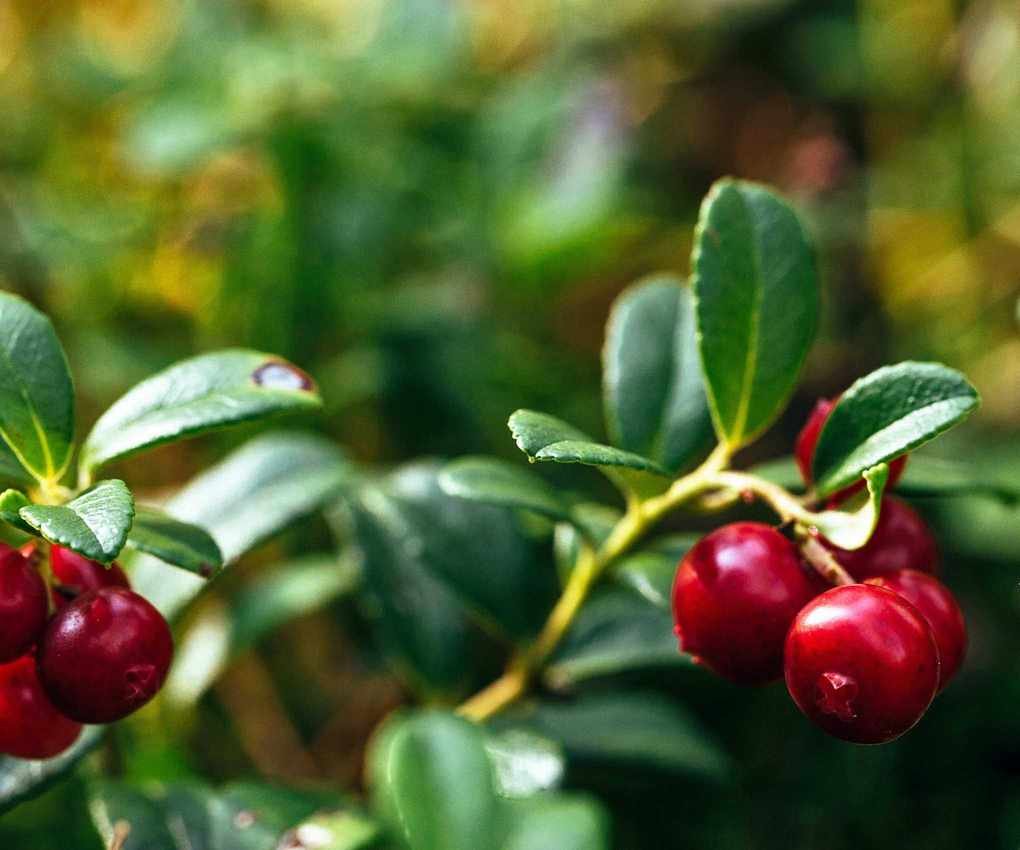
According to a gardening expert, lingonberries are a robust ground cover option. This native plant typically reaches heights of one to two feet and spreads about two feet wide.
Lingonberries thrive in US hardiness zones 2 to 8. They flourish from Greenland to Alaska and south to the Great Lakes and New England, favoring peaty or acidic soils.
From late spring to early summer, you'll see lovely pink, bell-shaped flowers emerge, followed by berries in summer and fall. These fruits are popular with both birds and people, offering a flavor balancing tartness and sweetness.
For those considering wildlife-friendly gardens, lingonberries provide vibrant color in October and November. They thrive in full sun to part shade, but note that deeper shade may reduce flower and berry production.
Expert Tips for Growing Lingonberries
Soil: Lingonberries prefer slightly acidic, well-drained soil. While they can adapt to neutral pH, aim for a range of 5.0 to 6.5 for optimal growth. To enhance soil acidity, consider adding pine straw mulch or organic matter to boost soil health.
Light: This shrub thrives best in partial shade. Aim for three to four hours of sunlight daily to maximize berry production.
Watering: Lingonberries have shallow roots, requiring regular watering during dry summer months. Mulching annually helps retain soil moisture and suppress weeds, which can compete for nutrients.
Fertilizing: In the spring, apply mulch, compost, or a balanced fertilizer. Once established, these plants typically require little to no additional feeding.
Pruning: In spring, remove any dead or damaged stems before the growing season begins. Pruning every few years in late winter encourages new growth and berry production.
Toxicity: Lingonberries are safe for both humans and animals, but it's always wise to research any species before consuming the fruit.
Best Lingonberry Variety to Grow
One recommended variety is 'Red Sunset', known for its vigorous growth, good height, and larger-than-average berries. This variety attracts birds during the fall, making your garden lively.
Lingonberries are a fantastic option if you're dealing with pests in your yard. Planting them alongside deer-resistant species, like witch hazel and red twig dogwoods, can help deter unwanted visitors.
For additional planting inspiration, check out our guide on growing creeping juniper, another native evergreen that will enhance your landscape year-round.



