
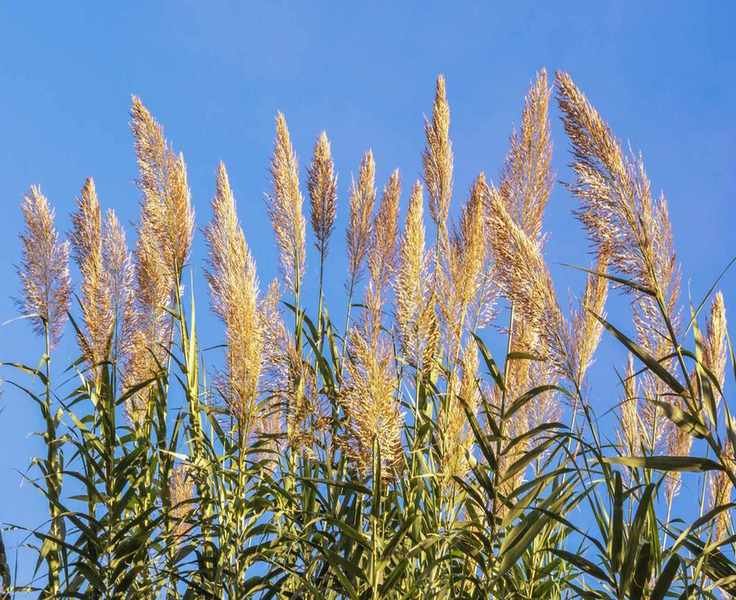
Throughout California, various plants exhibit aggressive growth, with invasiveness being highly region-specific, influenced by climate and ecosystem. This is why state-specific guidelines matter—what's harmful in one area may be manageable in another.
California's diverse terrain makes it particularly susceptible to invasive species. From the Pacific coastline to Death Valley, several non-native plants flourish uncontrollably. The California Department of Food and Agriculture (CDFA) maintains a list of noxious weeds, which are illegal to sell, propagate, or transplant within the state.
While you may know common invasive trees and perennials to steer clear of, numerous noxious weeds exist that could put you in a legal bind. Here are five illegal plants to grow in California, along with expert advice on managing them and suitable native alternatives.
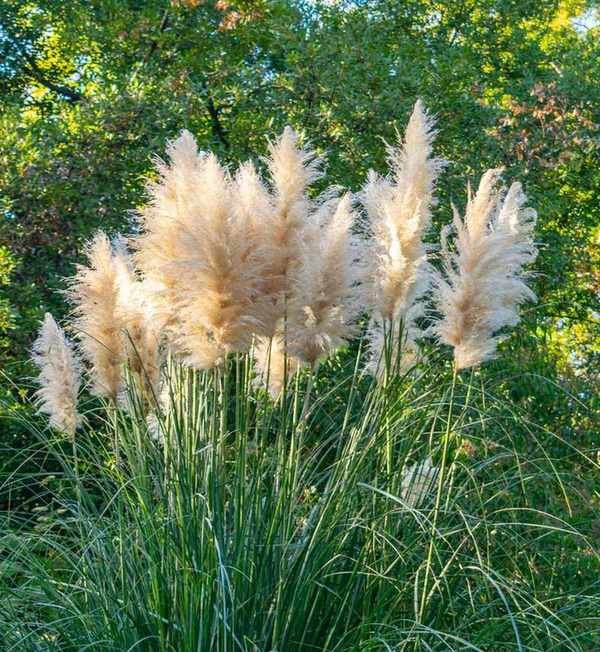
5 Invasive Plants Prohibited in California
No matter where you are in California, you'll likely encounter invasive species. From mountainous zones (US hardiness zone 5) to warmer coastal areas (zone 10), certain invasive plants can damage agricultural land and gardens.
Two gardening experts have shared five plants deemed illegal to cultivate in California, as identified by the CDFA. Although possessing these plants isn't illegal (they may have existed in your yard prior), distributing, propagating, or purchasing them can lead to fines or legal repercussions.
If you find an illegal or invasive species, reporting it can help limit its spread. Visit the CDFA hotline page for details on how to take action.
1. Tree of Heaven
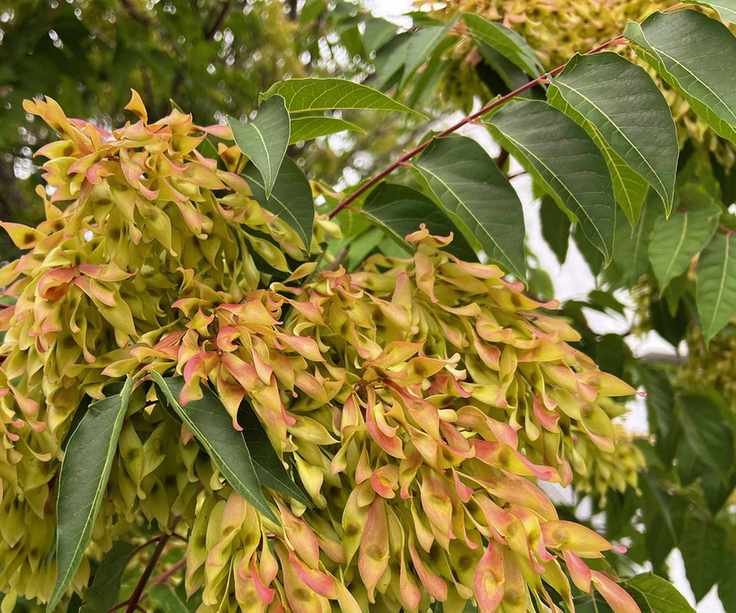
The tree of heaven, or Ailanthus altissima, is widely regarded as a tree to avoid in backyards nationwide, according to Kevin Lenhart, Design Director at Yardzen.
Designated as a noxious invasive weed in several states, including Arizona and Minnesota, it's illegal to purchase or plant them.
Originally from China, this tree lacks natural competition here, allowing it to grow rapidly—up to 15 feet a year. It produces numerous seeds and excretes chemicals into the soil that inhibit nearby plant growth, furthering its dominance and harming local ecosystems.
To remove Ailanthus altissima from your yard, Kevin suggests pulling seedlings as they sprout to prevent deep taproots. Merely cutting the tree won't eliminate it as it will resprout. Regularly removing shoots and roots requires commitment, and hiring a professional may be necessary for larger trees.
For replacements, consider native deciduous trees. Serviceberries and dogwoods make stunning choices across most of the US.
Order dogwood trees from Walmart, suitable for US hardiness zones 5 to 9 in full sun or light shade.

2. Giant Reed
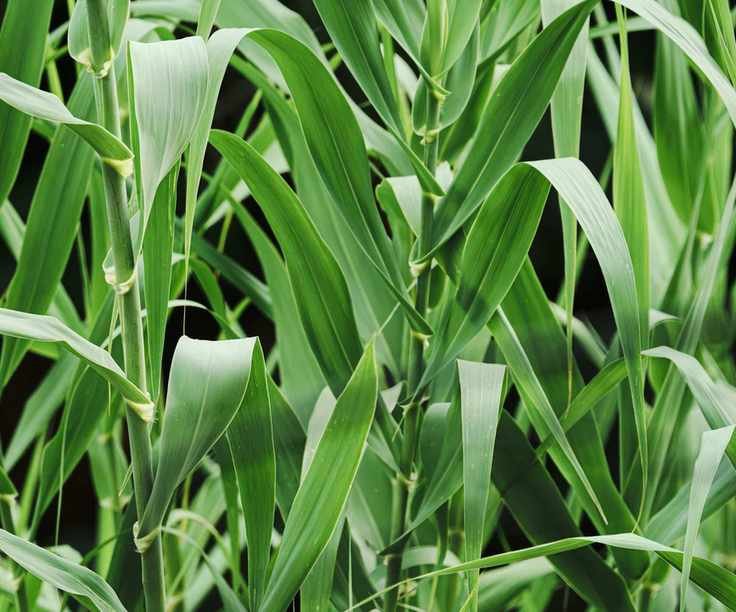
'Giant reed grass, or Arundo donax, is another illegal noxious weed in California and Texas, and invasive in other states,' Kevin explains.
This plant, native to northern Africa and parts of Asia, forms dense clusters that invade disturbed areas, sand dunes, riverbanks, and wetlands.
It displaces vital habitat species and depletes resources essential for California's native plants.
Removing giant reed grass can be labor-intensive. Manual digging works for small groups but is impractical for extensive colonies. Heavy machinery may expedite removal but can disrupt the land, making it susceptible to new invasions.
Often, chemical treatment becomes the most feasible method, requiring careful management near water and wetland areas—professional assistance is advisable.
Many native grasses, such as switchgrass or Panicum virgatum, thrive as alternatives. It's a principal native grass in the US, flourishing in hardiness zones 6 to 8 while thriving in sunny gardens.
Find switchgrass live plants on Amazon.
3. Purple Loosestrife

Lythrum salicaria, or purple loosestrife, is classified as a noxious weed in California, making its purchase, sale, or distribution illegal.
Although its tall flowers may seem appealing, this plant has invaded wetlands across the US and should be avoided.
Early detection and manual removal work for small infestations, but established clumps may necessitate professional intervention.
As a native alternative, consider growing verbena. Tall varieties like Verbena hastata (blue vervain) thrive in zones 3 to 9, preferring full sun and offering a prairie-style look.
Purchase live blue vervain plants on Amazon.
4. Scotch Broom
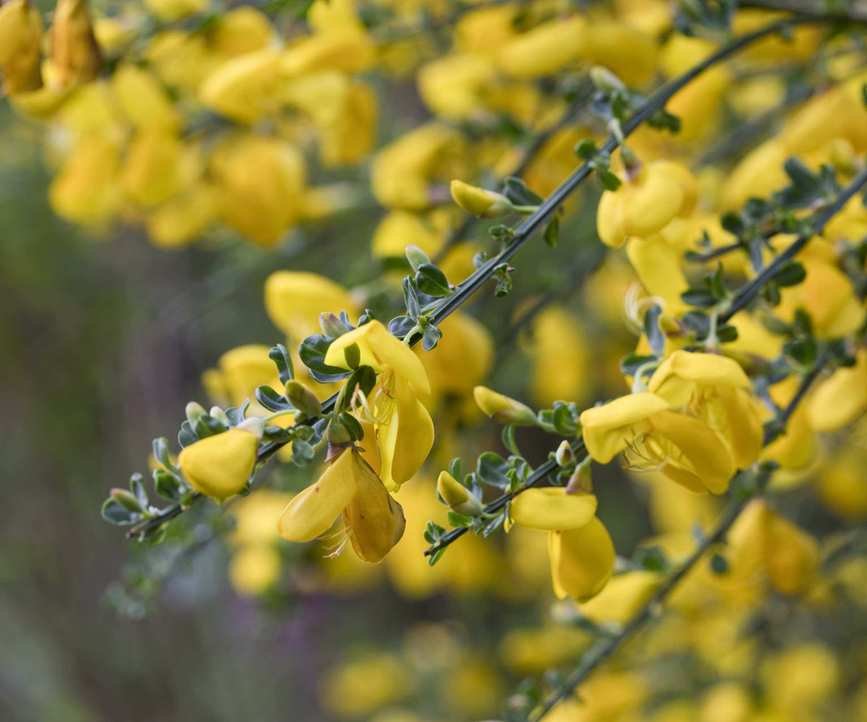
Cytisus scoparius, commonly known as Scotch broom, is a dense shrub that outcompetes many native plants. It poses a wildfire risk due to its high flammability.
Predominantly found in Northern California's coastal and mountainous areas, it thrives in the Sierra Nevada foothills.
While possessing Scotch broom is legal, cultivating, selling, or distributing it is prohibited. These shrubs can yield thousands of seeds over their lifespan without proper management.
One study found that cutting the plant with a pruning saw during the late summer drought (August to October) resulted in less than 7 percent resprouting, unlike cutting at other times.
If you attempt this method, consider using a Fiskars pruning saw, available on Amazon, for effective cutting.
For a non-invasive shrub, consider sweet olive, or Osmanthus spp.. This plant can serve as an informal hedge or shrub. Alternatively, try dwarf Alberta spruce, Picea glauca, or other small conifers.

5. Artichoke Thistle
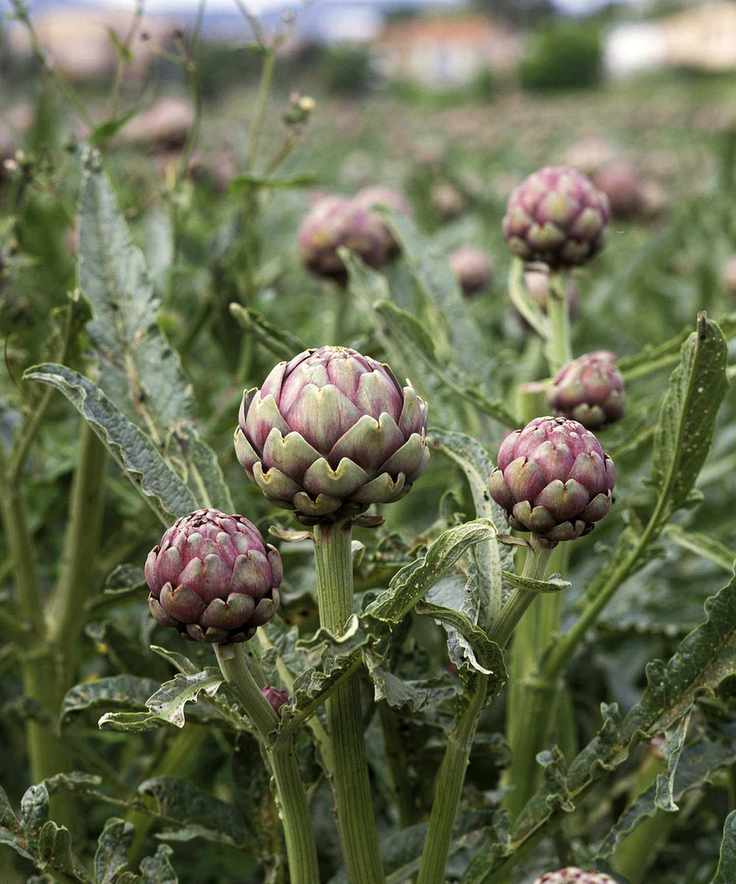
Cynara cardunculus, known as artichoke thistle or cardoon, is classified as an invasive species and is prohibited in California, according to the state's Noxious Weed List.
This plant flourishes in grasslands and coastal scrubs, spreading quickly in disturbed soil.
For removal, focus on regular deadheading to prevent seed production. Complete eradication requires digging out the taproot, which can be challenging based on the plant's size.
As a native alternative, consider growing swamp thistle, seeds available on Amazon. This North American native plant grows well in zones 3 to 10 in moist but well-drained soil, attracting butterflies during monarch butterfly migrations.
FAQs
Is Pampas Grass Illegal to Grow in California?
Pampas grass isn't illegal to grow in California, but many nurseries have stopped selling it due to its invasive nature. It poses issues along the central and southern coasts, as well as in Hawaii and the Gulf coast.
Residents often dislike pampas grass because it can quickly invade disturbed areas and is highly flammable, increasing wildfire risks.
Kudzu, an invasive vine, is problematic across the US, not as prevalent in California but still a concern.
It grows aggressively by runners or seeds, overtaking other plants and competing for resources. Grazing animals can help control it, or professional help may be needed if using herbicides.
Essential Weeding Equipment
Touchscreen Garden Gloves
These durable gloves are perfect for tackling tough tasks like invasive plant removal.
Fiskars Handsaw
This 10-inch pruning saw is ideal for cutting thick branches and stems during invasives removal.
Extra Thick Kneeling Pad
This Workpro kneeling pad provides a 1.5-inch cushion for comfort while gardening.



