

Weeds are often seen as the villains of gardening, intruding where they're not wanted. Yet, some gardeners have come to accept that a few non-invasive weeds, like dandelions, aren't worth a fuss. However, aggressive invasive weeds pose a real threat, overtaking backyards and choking out native plants. It's crucial to identify and get rid of these weeds swiftly to prevent minor issues from escalating into serious infestations.
If you're already familiar with invasive trees and climbers to avoid, we've got you covered with all the essential info about invasive weeds. Here, garden specialists share their top advice on spotting and eliminating common invasive weeds.

Identifying and Eliminating Invasive Weeds
Weeds thrive in various climates, with some only found in specific regions or US hardiness zones. For instance, kudzu vine is mostly located in the warmer southern areas. If you're seeking tips on keeping weeds out of flower beds, you're in the right place. Here's how to identify and get rid of five common invasive weeds.
1. Giant Hogweed
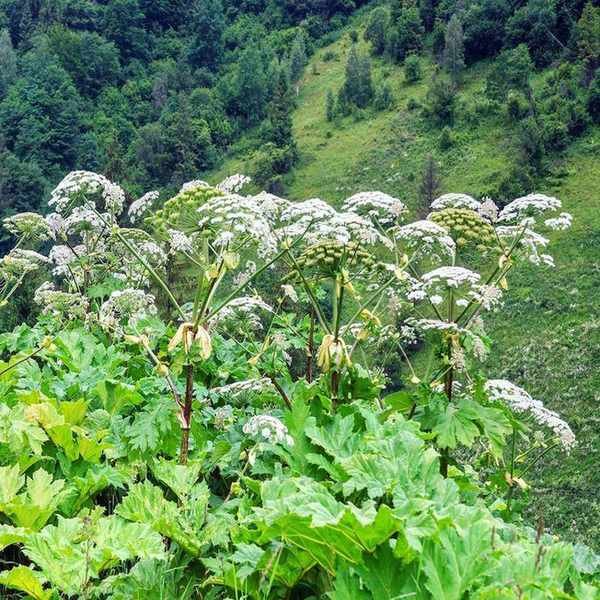
Giant hogweed, Heracleum mantegazzianum, is a hazardous perennial weed found in US hardiness zone 3, thriving in cool, moist areas.
According to a garden expert, it's problematic across North America, especially in Oregon, Washington, and parts of Canada. This weed can reach heights of ten to fifteen feet, showcasing large, jagged leaves.
Giant hogweed belongs to the carrot family and produces white flower clusters in summer, typically around June. While visually appealing, this plant is poisonous; its sap can cause skin burns and dermatitis.
To effectively remove giant hogweed, pull it out early in spring, but ensure you're wearing protective long-sleeved gardening gloves, like these from Amazon.
Giant hogweed has a deep taproot resembling a parsnip. As a seasoned gardener, I've found that removing taproot weeds is easier when the ground is slightly damp. In clay soils, wet conditions allow taproots to slip out, while dry soil can lead to breakage.
A common mistake is improper disposal of the plant. Burning it can release toxic particles into the air. Instead, snip flower heads into a green waste bag for proper disposal. Patience is key; with persistence, you can effectively manage hogweed.
2. Nutgrass
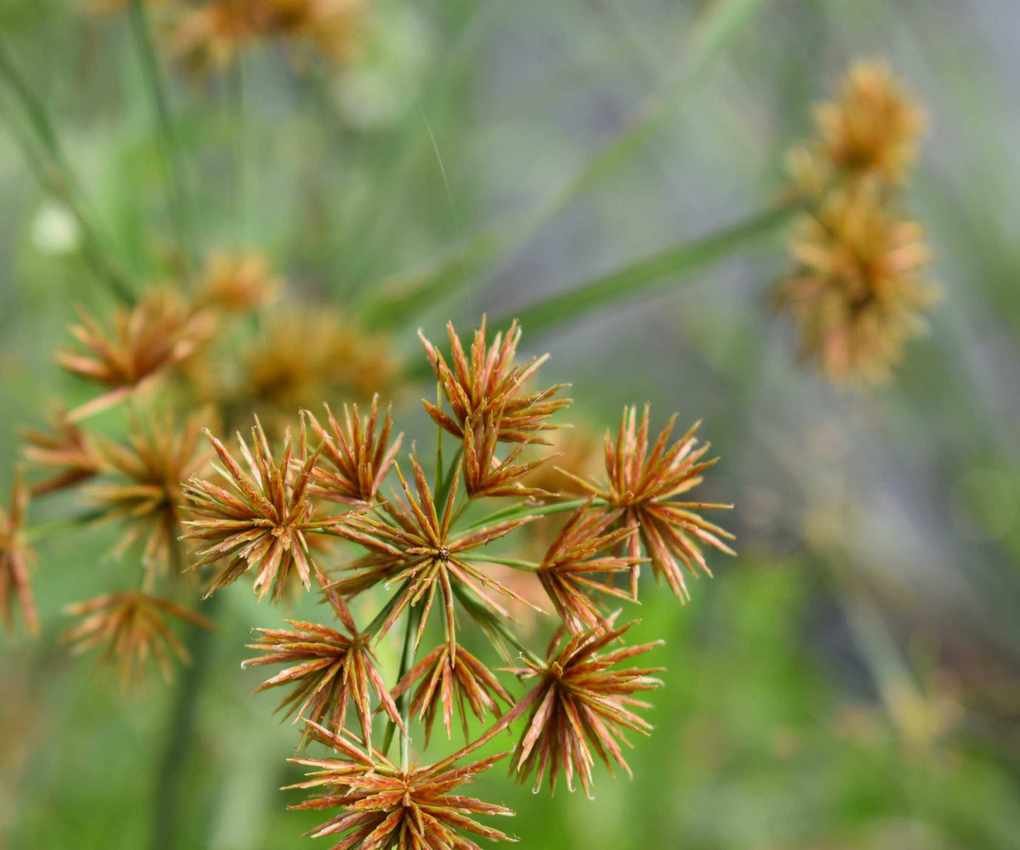
Nutgrass, Cyperus rotundus, is a fast-spreading weed that can rapidly become overwhelming. It spreads through white rhizomes and produces tubers called nutlets that generate new plants.
Identifying nutgrass is straightforward; it has triangular stems around four to six inches long and often appears just one or two days after mowing. They also produce brown flowers that quickly create seeds.
To manage nutgrass, consider using a selective herbicide made for this type of weed, making it easier to target without harming grass. For small outbreaks, remove nutgrass by pulling it out, but removing the nutlets can be challenging.
Many organic products can damage lawns, but sometimes sacrificing some turf is necessary. A natural vinegar-based solution, for example, will eliminate nutgrass but may also harm other grasses. Organic weedkillers are available from Walmart.
3. Bermuda Grass

Bermuda grass, Cynodon dactylon, is a robust grass that thrives in sunny, watered areas, extending down to US hardiness zone 5. It's darker green and finer in texture, with pointy blades that are easy to identify.
This grass spreads through stolons and rhizomes, making it tough to eliminate. It also produces seed stalks that can disperse by wind or attach to shoes and animal fur.
These invasive plants can develop seed stalks in just eight to ten days, highlighting the importance of mowing weekly during the growing season to prevent flowering. While mowing helps, using a targeted herbicide is often the most effective control method.
4. Kudzu

Kudzu, Pueraria montana, is a deciduous vine known for rapidly overtaking native plants by blocking sunlight and water. Identifiable by its oval or heart-shaped leaves, this plant can cause significant ecological damage if not promptly addressed.
Often referred to as the vine that ate the South, kudzu can quickly smother trees and shrubs. Managing this invasive species requires vigilance and a combination of mowing, root lifting, and herbicides.
Cutting back the vines slows growth but doesn't eliminate it. Combining cutting with root removal is a non-chemical method that can be effective. Some gardeners even suggest using livestock to graze on the vines, but be cautious that they don't eat desirable plants!
5. Himalayan Balsam

Himalayan balsam, or Impatiens glandulifera, has become widespread along riverbanks in the UK and US. Although its pink flowers are attractive, this plant can quickly dominate and harm native ecosystems.
This invasive species generally grows between three to eight feet tall, with elongated lime-green leaves reaching up to six inches. It often emits a musty odor, especially in wet weather.
Hand pulling is an effective way to remove Himalayan balsam, as it has a shallow root system. By uprooting it early in the season, you can prevent flowering and seed production. For larger infestations, consider using a trimmer to cut it down and dispose of the clippings responsibly. While it may take time to fully eradicate this weed, consistent hand removal will keep your yard chemical-free and help you manage Himalayan balsam. You might find tools like the Black and Decker cordless strimmer from Amazon useful for the task.



