
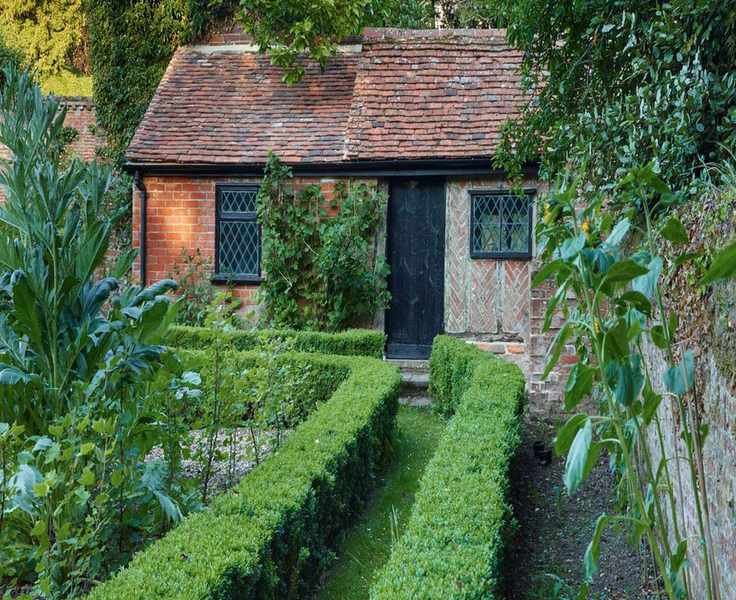
Everyone desires beautiful evergreen plants for their gardens. While vibrant colors and pleasant scents are essential in summer, having lush greenery in winter is equally important. Why not enjoy the allure of stunning evergreens all year round?
'Every planting scheme should incorporate lovely evergreen shrubs to maintain interest throughout the seasons and form the foundation of garden design,' suggests Chris Bonnett, founder of Gardening Express.
Chris continues, 'There are many options available, and it's crucial to consider your soil type to select the right plants for your conditions. Generally, these plants are quite hardy and can thrive in various growing environments. When making your choices, think about your overall garden design or theme, evaluate your soil type, and most importantly, choose a plant that you love and will appreciate regardless of the season.'
Below, we've selected the most stunning evergreen plants for your outdoor space.
Most Stunning Evergreen Plants
The most beautiful evergreen plants extend beyond shrubs; you can also add evergreen climbers and evergreen trees to ensure your garden stays colorful and appealing all year.
1. Hebe
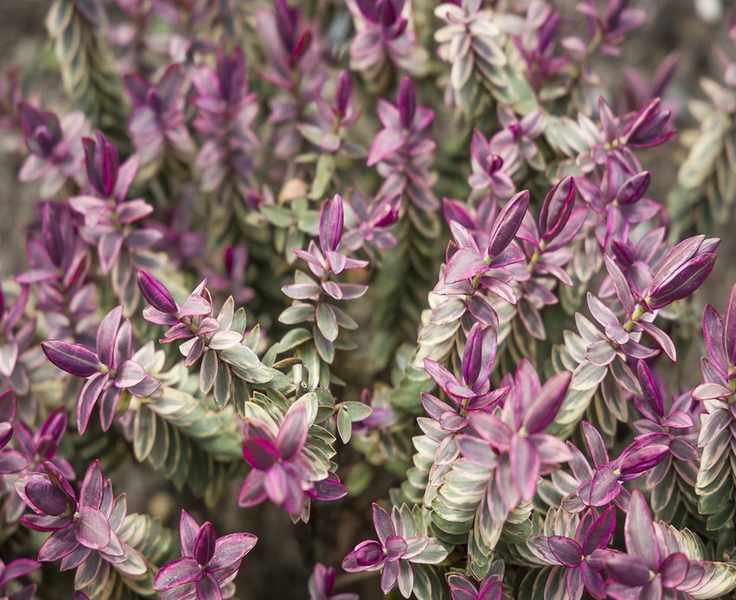
Native to New Zealand, hebes are sun-loving shrubs known for their decorative evergreen foliage. They are easily recognized by their clusters of tiny leaves, available in variegated varieties or hues of pink, silver, blue, or purple. Throughout the summer, these plants produce flower spikes in shades of purple, white, mauve, blue, or pink, attracting bees and butterflies while providing essential habitat for various insects.
Their dense foliage is also ideal for topiary designs.
Guy Watts, founder of Architectural Plants, notes, 'Hebe Sutherlandii features neat compact leaves that create crisp, defined shapes when trimmed into pillows or balls.'
For a more relaxed and dynamic look, we recommend Hebe paviflora 'Angustifolia'. When clipped into a pillow shape, it gracefully sways in the breeze.'
2. Ceanothus
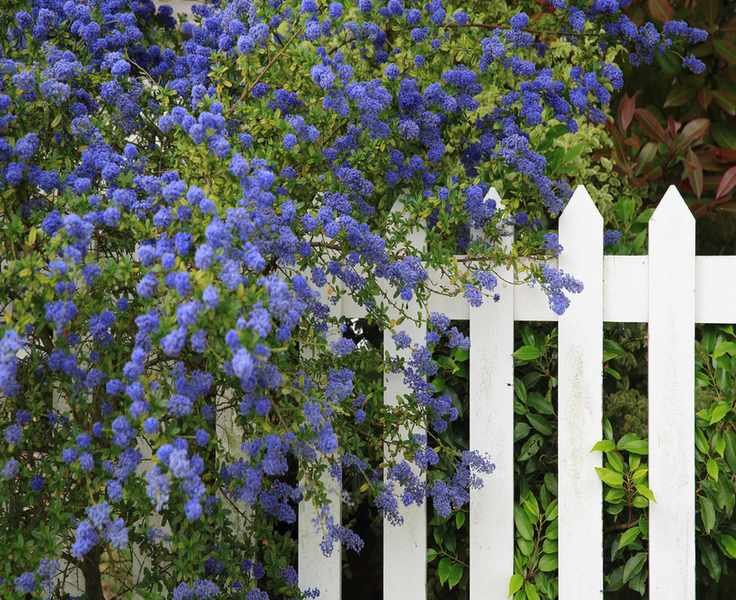
Commonly referred to as Californian lilac, this striking shrub showcases vibrant blue or white fuzzy blooms every spring and summer. Besides its impressive floral display, it features deeply crinkled leaves available in glossy green and variegated options, including the yellow-green 'Pershore Zanzibar' and 'El Dorado' as well as the white-edged 'Silver Surprise'.
Resilient and relatively fast-growing, Ceanothus comes in various shapes and sizes. You can choose from low-growing ground cover varieties that spread up to 6-8ft (180-240cm) wide or tall, upright ones that can reach heights of 6ft (180cm) to 15ft (450cm) — check out 'Sierra Blue' and 'Ray Hartman'. This drought-tolerant plant does have varying temperature tolerances, so ensure your chosen plant suits your local HDSA zone.
Portland Nursery specializes in West Coast natives and offers a wide selection of ceanothus. 'What they all share is a need for excellent drainage, minimal summer watering, and nutritionally lean soil. Overwatering and excessive feeding will significantly reduce the lifespan of your Ceanothus. In their natural habitat, they thrive in dry forests, rocky slopes, and wooded canyons.'
3. Camellia
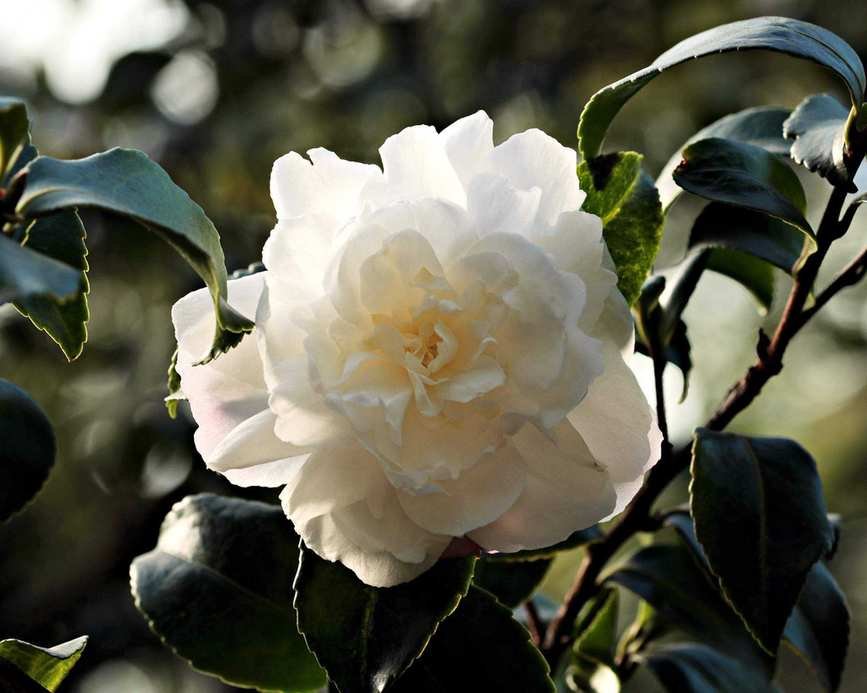
One of the best shrubs for shade, camellias are cherished for their striking blooms, although their stunning flowers, linked with luxury brand Chanel, only appear during the spring. Nevertheless, the plant remains an attractive addition year-round, as its leaves retain their vibrant green color. 'Camellias bring a wonderful display to gardens and make excellent specimen shrubs that serve as focal points in borders,' says Charles Carr, Head of Hillier Wholesale Nurseries.
Utilize them in large containers on your patio or incorporate them into borders as part of a mixed planting scheme.
'Many camellias can be grown as wall shrubs, making them ideal for smaller gardens or narrow walkways,' advises Crocus's Plant Doctor Helen Derrin. 'Simply attach a sturdy support or trellis to a wall or fence and tie the flexible stems in a fan shape for even coverage.'
Learn how to prune camellias to achieve this beautifully shaped form.
4. Aucuba

Aucuba is a shrub with a slightly tropical appearance that adapts well to various growing conditions.
The large, striking speckled leaves remain attractive and green throughout winter.
'Spotted laurel thrives in deep shade or full sun, making it one of the most resilient and easily established hedging options available,' says Morris Hankinson, founder of Hopes Grove Nurseries.
This fast-growing shrub is undemanding about soil types, making it perfect for shady spots and one of the best shrubs for privacy. Its glossy green leaves are speckled with yellow, and once established, it requires minimal attention or pruning. It can withstand temperatures down to 5℉ (-15℃).
5. Fatsia japonica
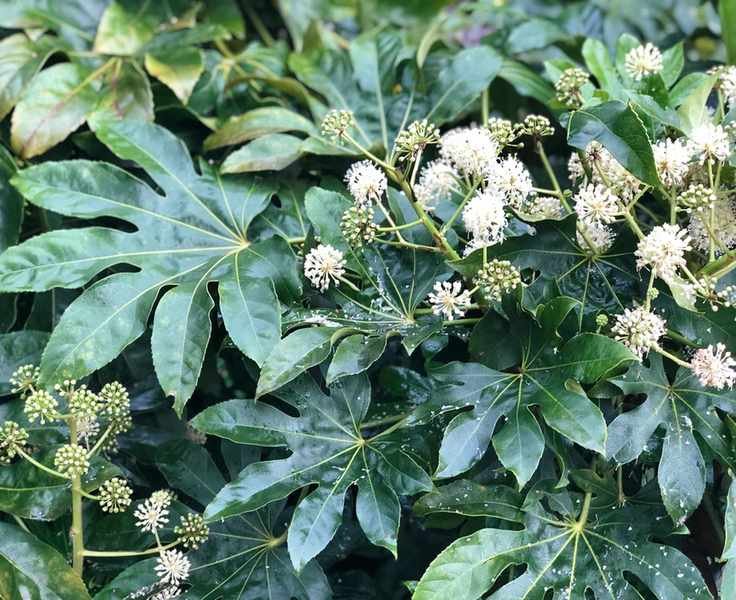
If you're searching for a plant that thrives in various conditions, consider Fatsia japonica.
While this hardy shrub produces unique white flowers in late fall, its large, glossy leaves take center stage.
This relatively slow-growing shrub can reach heights of 8-13ft (2.5-4m) and is also suitable for growing in large containers.
'Fatsia japonica looks fantastic when planted alongside other tropical plants, such as bamboo or palms,' the team at The Palm Centre explains.
6. Yew

The Yew is a low-maintenance plant that serves as an excellent alternative to traditional topiary plants like boxwood.
This deep green foliage can thrive in almost any environment as long as the soil drains well. Additionally, the yew produces bright red berries in the fall.
'Yew hedges are incredibly dense, providing shelter and nesting opportunities for many birds,' the team at Woodland Trust mentions.
'The berries are consumed by birds such as blackbirds, mistle thrushes, song thrushes, and fieldfares, as well as small mammals like squirrels and dormice. The leaves are also eaten by caterpillars of the satin beauty moth.'
7. Magnolia grandiflora
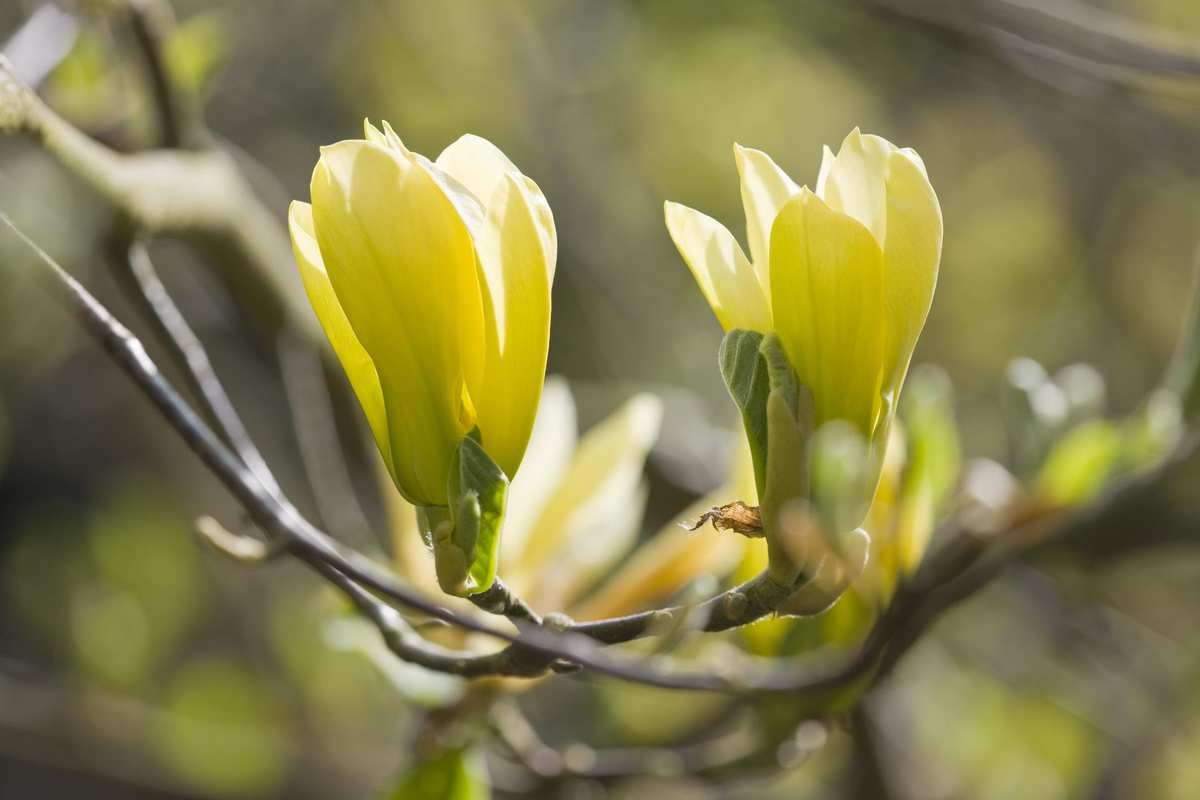
Magnolia grandiflora is a stunning evergreen with glossy leaves and large creamy white flowers that bloom from late summer to fall.
This slow-growing plant can take nearly a century to reach its maximum height of 26ft (8m) and is perfect for providing privacy with its dense canopy and minimal leaf loss.
Experts at Paramount Plants state, 'It thrives in sheltered warm locations — sunny or partially shaded areas are ideal as long as they are not exposed to cold drying winds.'
After the flowers drop, the dark green leaves and their rusty undersides become the focal point, and be sure to learn how to prune a magnolia tree to maintain its shape.
8. Boxwood
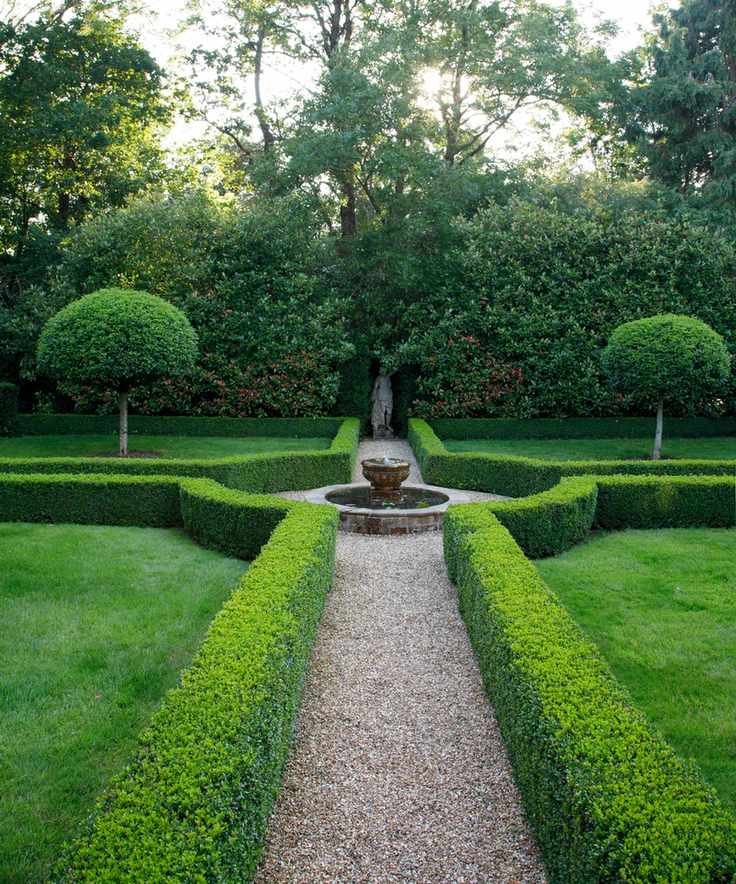
Boxwood, known for its tiny green leaves, is a popular choice for hedges due to its ease of trimming and suitability for topiary.
This plant can grow as a large shrub or small tree, thriving in well-drained soil and sheltered spots with partial shade, as its leaves are vulnerable to scorching in strong sun and wind.
'If left unpruned, this tree can reach around 7m over approximately 40 years, but it is most commonly seen shaped into hedges and topiary for screening,' say hedging experts at Practicality Brown.
'Prune in spring, after the last frost, to stimulate new foliage growth, which will be tender when it first appears, and then hardens before colder weather returns.'
9. Lavender
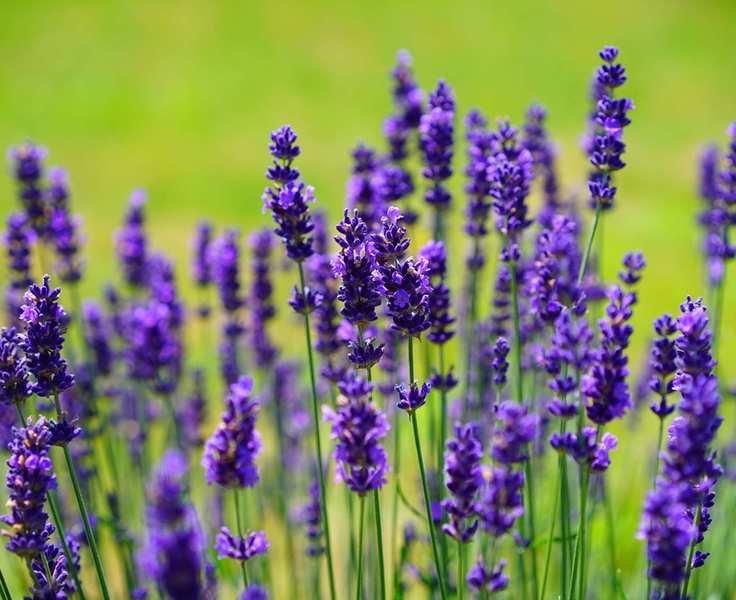
Lavender is a timeless favorite, offering year-round interest for both people and pollinators with its fragrant foliage and flowers.
Plant lavender in borders, use it as edging, or place it in various pots on your patio. With numerous available varieties, ensure you select those best suited to your space. Flowers can vary from deep navy blue to purple, pale lilac, and white, along with differing fragrance strengths; hybrids like lavandine and some English varieties such as Hidcote and Munsted are among the most aromatic.
'Caring for lavender is relatively simple,' the team at Red Rock Lavender Farm explains. 'Once established, it doesn't require much watering, and using the wrong fertilizer can often harm the plants.'
Learn how to prune lavender for a dense and well-shaped plant.
10. Holly

Holly is not just for Christmas; those iconic red berries look especially enchanting with a dusting of frost.
Its deep green, spiky leaves provide year-round interest, ensuring you always have foliage available for holiday decorations.
Resistant to nibbling, holly can be grown as a hedge, tree, or shapely shrub, with many captivating varieties, each with its unique traits. Holly Ridge Nursery recommends Ilex Opaca as 'the aristocrat of evergreens, this highly deer-resistant holly has been less popular in recent years, though it remains a strong choice. Its pyramidal shape retains vibrant berries through winter, creating a striking visual against the greenery.'
Other must-have hollies include the exceptionally resilient 'Carnival' with its rich green leaves and large red berries, and the slow-growing 'Old Heavy Berry' that produces dense clusters of dark red fruit.
Which evergreen plant is the most beautiful?
We believe that the magnolia grandiflora stands out as the most beautiful evergreen plant, showcasing a profusion of large blooms in spring that emit a delightful fragrance.
What evergreen shrub has large flowers?
The camellia is an evergreen shrub known for its large and stunning flowers, which appear in early spring.



