If you're in search of a new residence or a stylish Airbnb for a summer escape, head a few hours north along the Atlantic coast. You'll soon spot a distinct home shape that epitomizes New England architecture.
Saltbox homes trace their origins back to early America, where colonial settlers crafted these two-story structures to accommodate growing families and establish a unique living style. Let's uncover the essence of this iconic design.
See: Architectural Styles – your comprehensive resource for various home designs and historical styles
Defining the Saltbox House
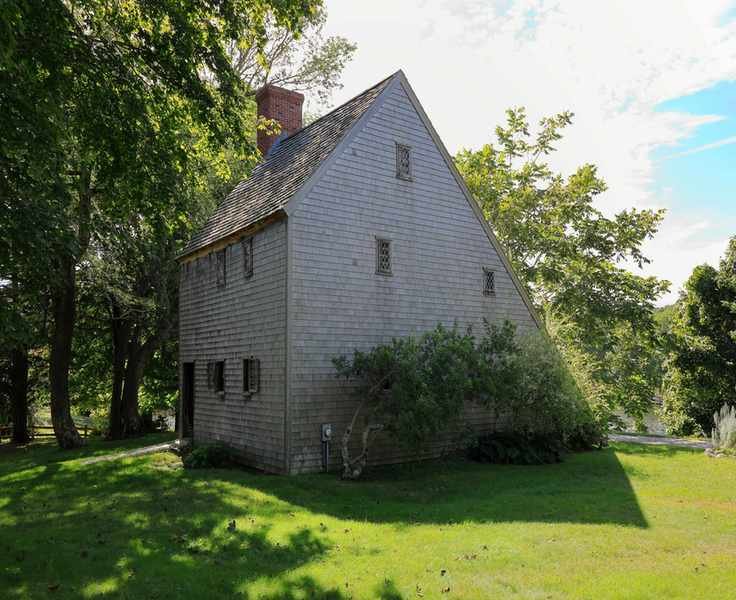
Characterized by a flat front and symmetrical facade, saltbox houses date back to the 1600s. A single chimney typically rises from the center, providing balanced warmth throughout the house.
These homes are now seen as more traditional compared to contemporary designs. They often feature wood shingles and painted shutters on the exterior. Inside, many showcase antique-inspired designs with patterned wallpaper and exposed beams that reflect their historical roots.
Visual Characteristics of Saltbox Houses
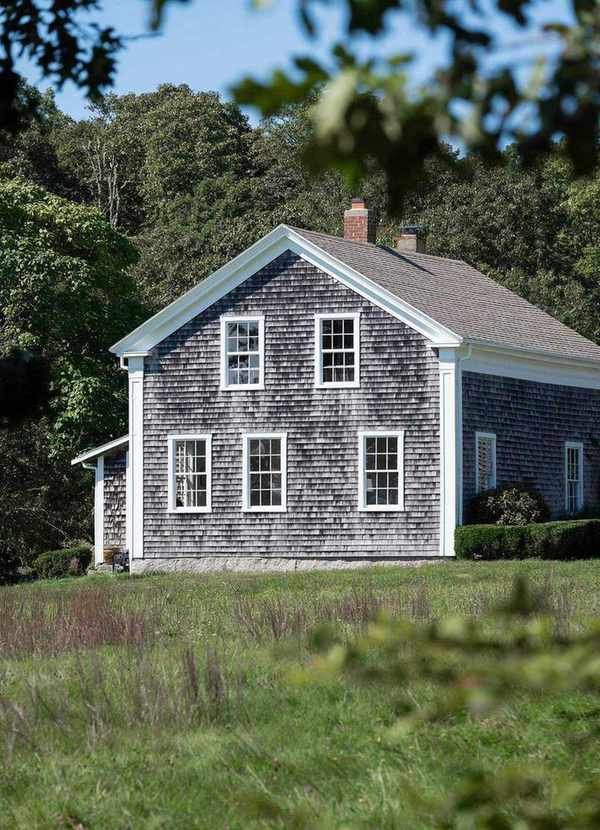
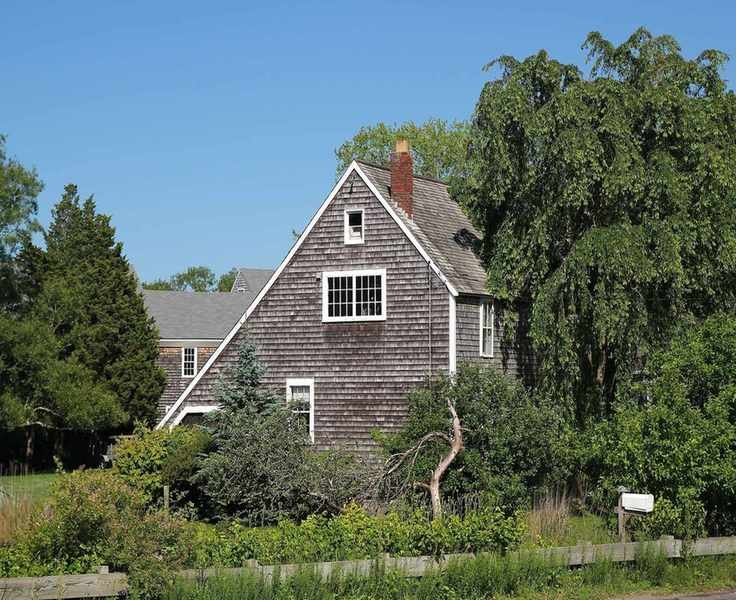
Saltbox houses generally present two stories at the front and one at the back, topped with a pitched roof that has uneven sides. The flat front and central chimney are distinguishing features.
Identifying a saltbox house involves recognizing the sloped roof, which descends to a single story in the rear. This design was originally intended to maximize living space and exploit a colonial-era tax loophole that taxed two-story homes at higher rates than ranch-style houses.
Given its sloped design, a saltbox house was classified as a single story, and this style also facilitated the shedding of heavy snowfall in northern states, reducing the load on the roof.
Saltbox Houses' Popularity
Saltbox homes thrive in New England, where their popularity has endured since their inception. Notably, President John Adams was born in a saltbox house in Quincy, Massachusetts, in 1735.
This style remains sought after due to the rich history and intricate details of preserved homes. Many are listed on the National Register of Historic Places.
Saltbox houses have become emblematic of New England culture, inspiring similar designs elsewhere, often evoking memories of northern retreats.
Locations of Saltbox Houses
You'll primarily find saltbox homes scattered across New England, particularly in Connecticut and Massachusetts. They can also be seen as far north as Labrador and Newfoundland in Canada.
- See: Cape Cod House Style – your guide to achieving this look
Origin of the Name Saltbox
The term saltbox comes from the wooden containers used for storing salt during colonial times.
Decorating Your Saltbox House
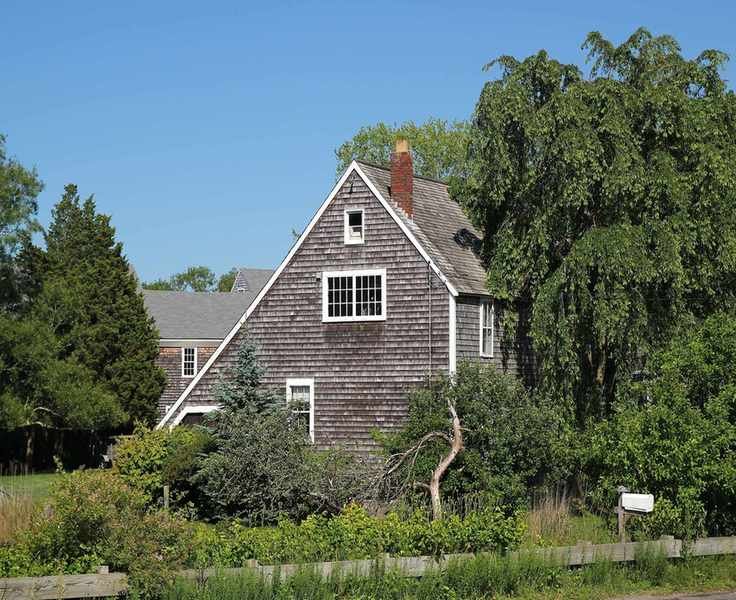
Decorating a saltbox house offers the same versatility as any home. You can opt for modern touches or embrace its traditional elements. The key is to harmonize your choices.
1. Highlight Historical Features
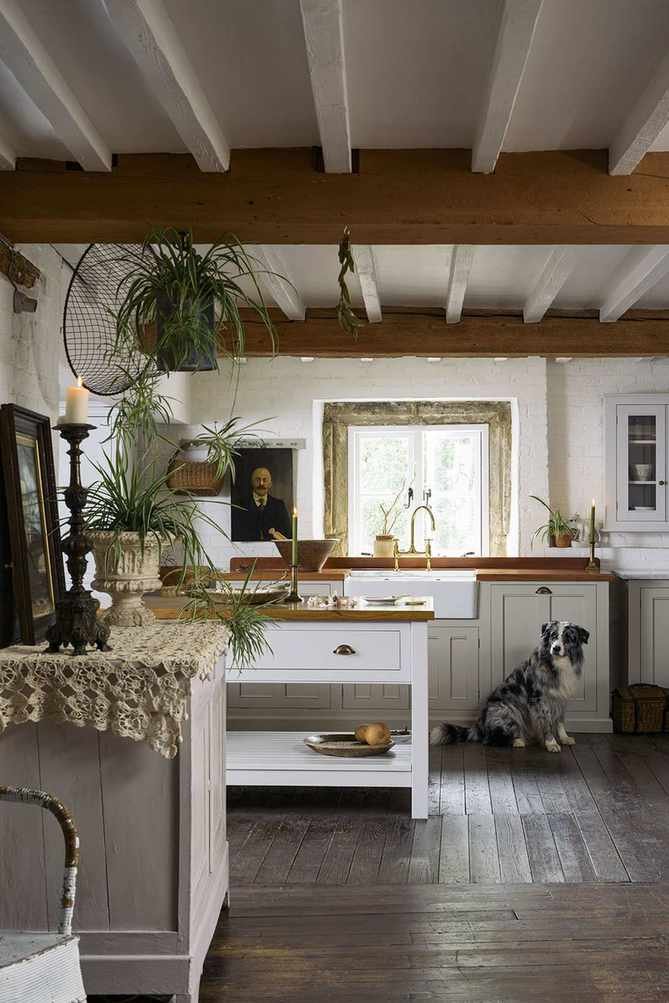
Older saltbox homes have charming antiques worth showcasing. Repaint old windows for a refreshed look and incorporate upholstered pieces in the living and dining areas to celebrate history.
Exposed beams can enhance the vintage feel. Pairing worn beams with sleek stainless steel appliances may not yield the best aesthetic.
2. Embrace Clean Lines for Modern Appeal
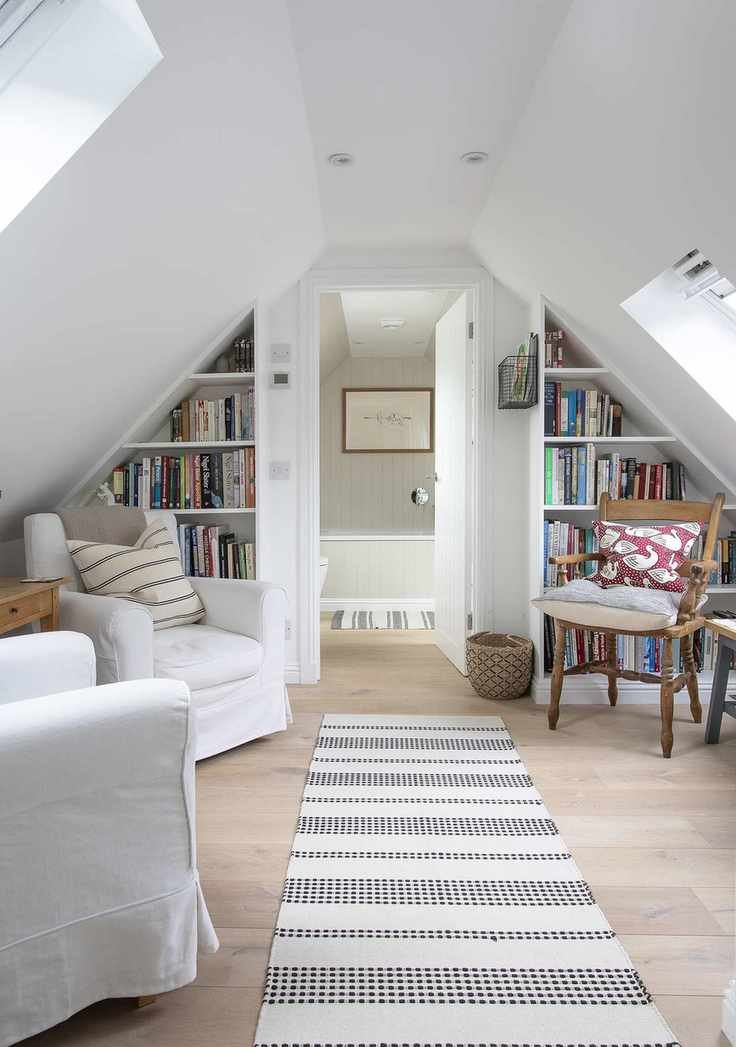
Utilizing the angular structure of saltbox homes can create a modern interior. Updating wooden shingles or smoothing exposed beams allows bold design choices. Introduce vibrant colors and sharp lines for a contemporary vibe.
3. Coordinate Colors Thoughtfully

With natural materials such as wood paneling and slat roofs in most saltbox houses, pair these elements with earthy tones and textures for a cohesive look.