
Introduction to Fabrics
Fabrics are the essential materials that transform creative ideas into reality, whether crafting garments, creating quilts, designing interiors, or setting up event aesthetics. Sourced from plants and animals or engineered synthetically, these materials come together in various blends to enhance their performance. Choosing the right fabric significantly impacts the appearance, feel, and durability of your finished project.
The textile world features an extensive array of options. Cotton is known for its breathability, while linen provides a cool feel in warm weather. Silk offers a luxurious drape, wool supplies warmth, and synthetic fabrics like polyester ensure durability and easy care. Blended fabrics leverage multiple fibers' strengths, allowing creators to achieve desired results. Each type varies greatly in texture, durability, and maintenance, knowledge that can elevate your projects from mediocre to exceptional.
Seamstresses in 2026 have unparalleled access to quality fabrics through online platforms. You can buy by the yard for single items, acquire bolts for larger projects, or order sample swatches to check color and texture before making larger purchases. This article explores fabric types, buying options, care techniques, and helpful tips to ensure your creations look professional.
Main Types of Fabrics
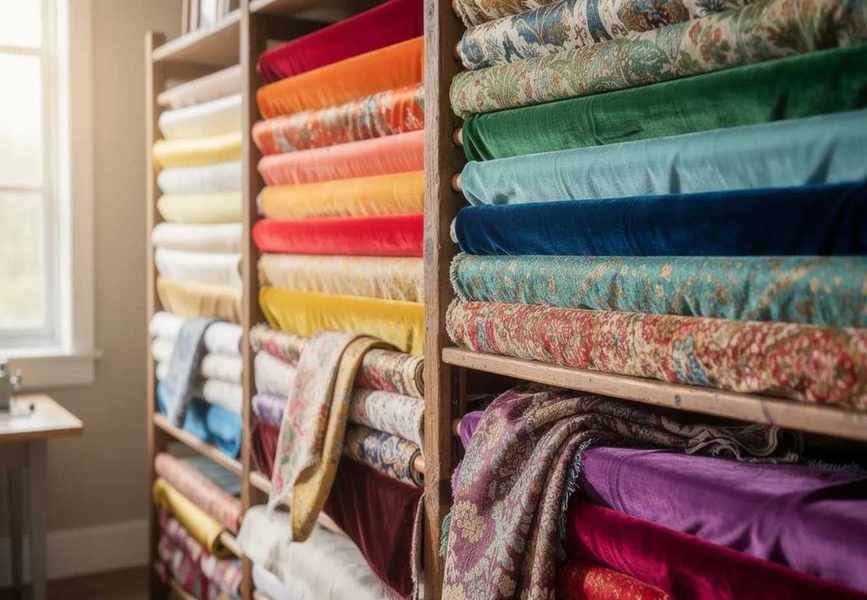
Recognizing the differences among natural, synthetic, and blended fabrics is crucial for successful sewing. Natural fibers come from renewable sources, synthetics are derived from petroleum-based processes, and blends combine the best aspects of both. Wool is a natural insulator used in suits and upholstery, while silk is soft and luxurious, often found in fine garments. Various online retailers provide a rich selection of fabrics suitable for quilting, home décor, clothing, and crafts. There is a growing trend toward sustainable materials, focusing on recycled polyester, organic cotton, bamboo, and hemp. Leather, valued for its durability and waterproof nature, is often used in jackets and upholstery. The 2026 design trends lean towards earthy tones and bold floral patterns in home textiles.
Natural Fibers:
- Cotton: Soft and absorbent (can hold 27 times its weight in water), hypoallergenic, and biodegradable. Ideal for casual wear, t-shirts, and bedding. It may wrinkle and shrink 5-10% after the first wash.
- Linen: Made from flax plant stems, it offers superior cooling in hot weather due to its absorbent and quick-drying nature. While it’s stronger when wet, it wrinkles easily and can feel stiff initially.
- Silk: Derived from silkworms, it features a luxurious texture with a natural sheen. Surprisingly strong yet lightweight, it requires careful washing or gentle cycles due to its cost and delicacy.
- Wool: Sourced from animal fleece, it provides warmth through its crimped structure that traps air. Naturally moisture-wicking, it can absorb up to 30% of its weight without feeling damp. Requires careful storage to protect against moth damage.
Synthetic Fibers:
- Polyester: The leading synthetic, produced in over 50 million tons annually, it resists shrinking, stretching, and wrinkling. Ideal for activewear and home textiles. Downsides include heat retention and microplastic shedding during washing.
- Nylon: Offers superior tensile strength and elasticity. Great for stockings and activewear, though it can generate static and melt under high heat.
- Acrylic: Mimics wool's warmth while resisting moths and sunlight but can pill and lacks breathability.
- Spandex: Provides significant stretch recovery (500-800%), essential for form-fitting garments. However, it degrades when exposed to chlorine.
Common Blends: Poly-cotton blends (typically 65/35 ratios) combine cotton's breathability with polyester's durability. Cotton-spandex blends enhance stretch for fitted clothing, while linen-viscose blends improve drape and reduce wrinkling. These blends occupy over 60% of the apparel market for good reason.
The weave and knit structure dramatically influence a fabric's behavior. Poplin offers crisp styles for shirts, twill provides durability for denim, satin delivers shine, and jersey adds stretch for comfy tops.
Popular Fabrics for Clothing, Quilting, and Home Décor
Not every fabric suits every project, so knowing which materials align with specific applications can save time and frustration. Matching fabrics to projects warrants careful consideration before you shop.
For clothing, breathable options like cotton or linen are best for summer wear, while heavier fabrics are ideal for upholstery. In home décor, consider a double rub rating of 15,000+ for standard use and 30,000+ for high-traffic areas. Blended fabrics like cotton-polyester enhance comfort and wrinkle resistance for both sheets and clothing. Natural fabrics are comfortable, while synthetic options excel in high-traffic upholstery due to their durability. Always request fabric swatches to assess how they appear in specific lighting and how they feel against skin. Linen softens over time, making it an excellent choice for well-loved garments. Lightweight fabrics like chiffon and gauze work well for flowy styles, while heavier choices like denim and canvas add structure to upholstery and outerwear.
Fabrics for Garments
Cotton poplin (3-4 oz/yd²) and cotton lawn (2-3 oz/yd²) provide a crisp yet breathable feel for shirts, dresses, and children's clothing, thriving in spring and summer wardrobes. Poplin is ideal for structured blouses or button-downs.
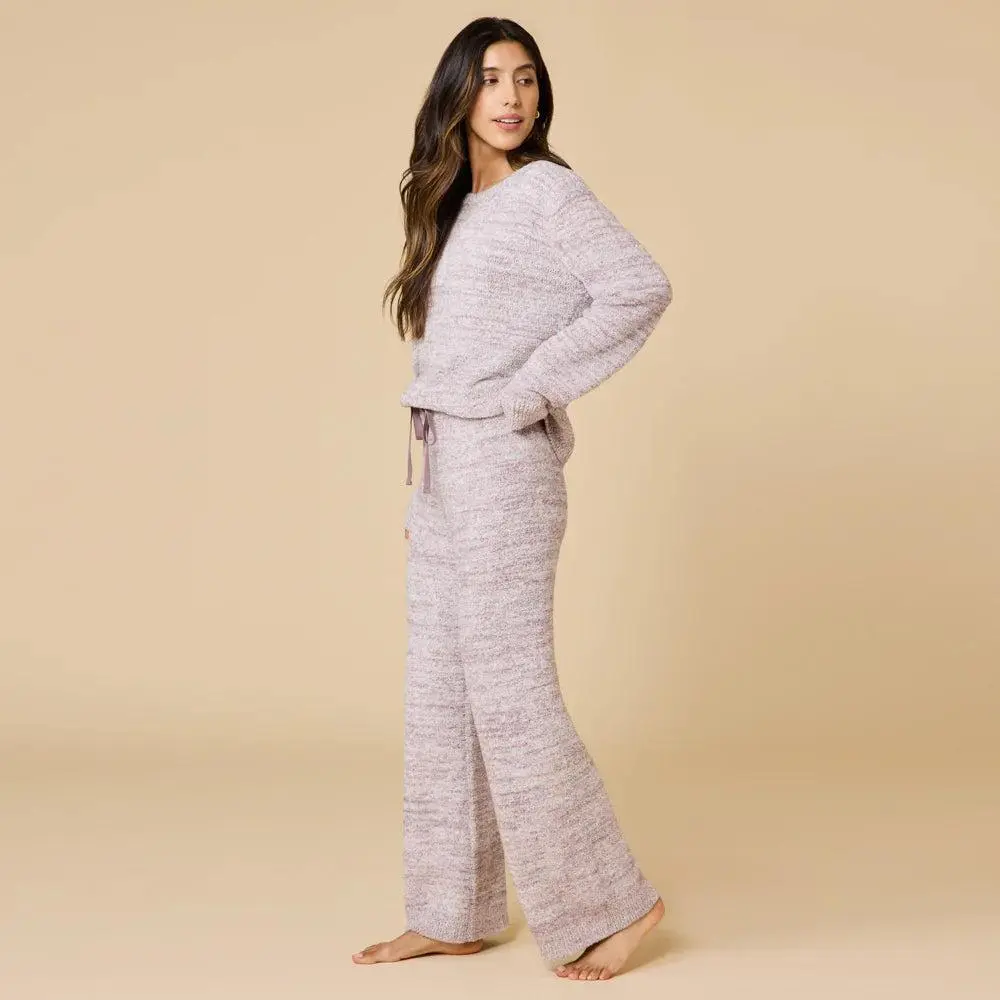
T-shirt knits meet the demands of active lifestyles. Cotton jersey (5-7 oz/yd²) is a staple for everyday wear, while cotton-modal blends offer a silkier drape. Bamboo jersey, known for its antimicrobial properties and superior absorbency, is perfect for loungewear and leggings that transition from errands to relaxation, especially when prioritizing ultra-soft everyday fabrics.
Fabrics for Quilting
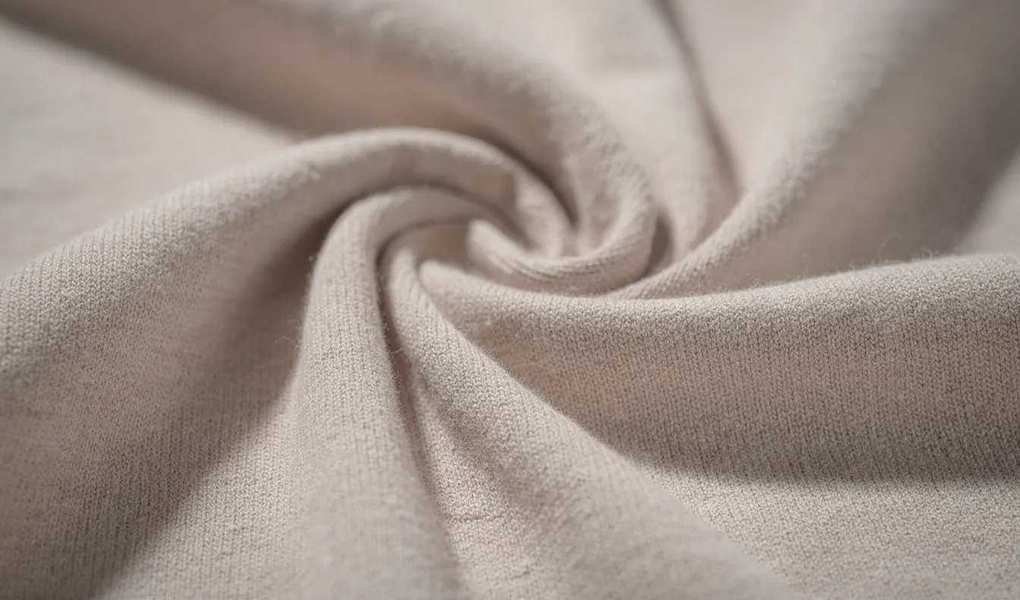
Quilters favor 100% cotton (4-4.5 oz/yd²) for its reliability. This weight ensures colorfastness (dyes endure 50+ washes without fading), stability during cutting (with minimal stretch), and durability for quilts meant to last. Its tight weave and pre-shrunk finish make quilting cotton a dependable choice.
Fabrics for Home Décor
Home décor projects typically require heavier materials that can endure daily use. Canvas and duck (10-20 oz/yd²) offer excellent abrasion resistance for cushion covers and sturdy bags. Upholstery jacquards feature patterned weaves for durability, while linens at 7-9 oz/yd² serve well for elegant curtains and table linens.
When selecting home décor materials, high rub counts are essential; quality upholstery should exceed 30,000 double rubs for furniture that faces daily wear.
Specialty Fabrics
Evening wear, bridal gowns, and costumes often need specialty materials, including satins (high sheen), chiffons (sheer), organza (crisp), and lace (intricate). These fabrics require advanced sewing techniques, such as French seams, to manage their delicate nature. Practice on scraps before committing to your final project.
How Fabrics Are Sold and Measured
Fabric is sold by the yard, bolt, or as small swatches in both online and physical stores. Understanding these options helps you shop confidently and minimizes waste.
Buying by the Yard
Most sewists purchase fabric by the yard (36-inch increments) based on their pattern needs. For instance, ordering 3.5 yards of 58”-wide cotton twill suffices for a denim-style jacket. Many retailers provide continuous yardage when possible, so your pieces arrive without unexpected seams. Always verify product details and quantity limits before checkout.
Bolt Purchasing
Bulk buyers, such as event planners or small businesses, often purchase complete bolts. Common bolt lengths range from 10-15 yards for apparel to 20-40 yards for linings. Buying bolts ensures dye lot consistency, crucial for large projects. Some fabric retailers offer discounts when buying full bolts.
Sample Swatches
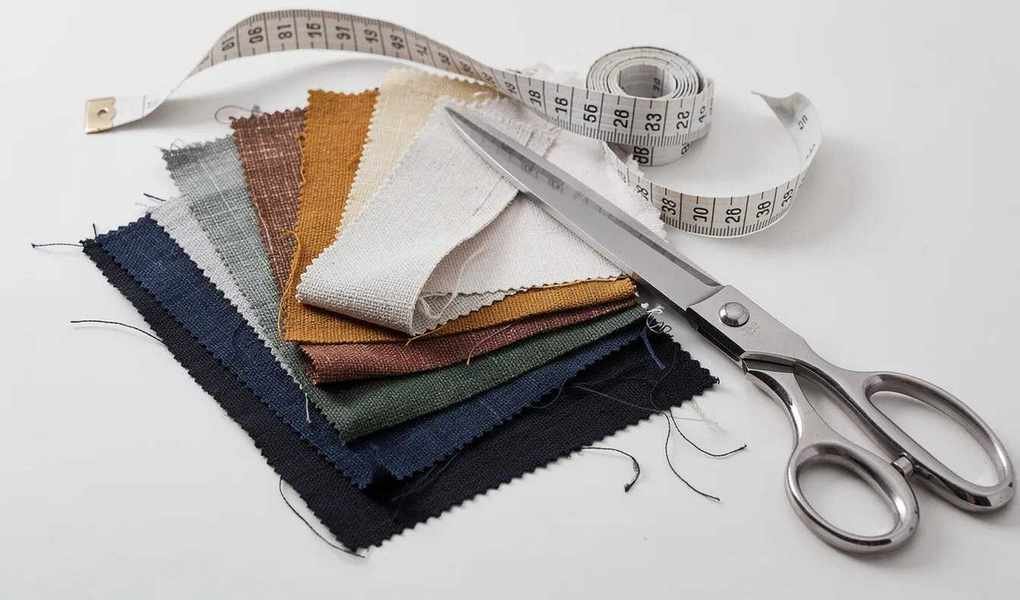
Before committing to 8-10 yards for a wardrobe or event décor, ordering 3” x 3” or 4” x 4” swatches can provide valuable insights. Swatches reveal details that photos can't capture: linen’s characteristic slubs, satin's sheen variations, and how colors look in your actual workspace. This small investment prevents costly mismatches and aids in making informed choices.
Understanding Fabric Widths
Fabric width affects how many yards you'll need:
- 44-45” width: Standard for quilting cottons and many apparel knits.
- 54-60” width: Common for shirtings, twills, and dress fabrics.
- 72-120” width: Typical for home décor fabrics and drapery.
A 45”-wide fabric typically requires approximately 20% more length to cover the same pattern compared to 60”-wide material. Always check pattern envelopes and calculate before your order.
Some fabrics may have maximum continuous lengths due to production or shipping limitations, often capped at 25-30 yards. Check product pages or contact customer service for details when planning large projects. International orders might have additional shipping considerations.
Selecting the Right Fabric for Your Project
Linking fabric selections to pattern requirements and garment lifespan can elevate your projects. While hope and enthusiasm are essential, understanding fabric behavior is key to success.
Match Weight and Drape to Your Pattern
Pattern envelopes provide fabric type suggestions for a reason. Consider these recommendations:
- Lightweight (2-5 oz/yd²): Best for blouses, gathered skirts, and flowing dresses.
- Medium weight (6-9 oz/yd²): Suitable for structured dresses, pants, and light jackets.
- Heavy weight (10+ oz/yd²): Ideal for coats, bags, and upholstery.
Floaty rayons work beautifully for gathered styles, while crisp poplins maintain structured collars. Each fabric adds unique life to your patterns.
Understanding Stretch Requirements
Choosing between stretch and non-stretch fabrics is crucial for fit. Four-way knits with 50-100% stretch allow for a sleek silhouette in fitted patterns. Replacing a woven with a knit pattern (or vice versa) usually requires modifications, as the fabric structure must align with pattern expectations.
Testing Colorfastness and Print Quality
Pre-wash tests on bright fabrics can prevent bleeding issues in finished garments or quilts. Some dyes may release color in hot water, so identifying this before cutting is critical. Many crafters save fabric scraps for testing before committing to larger projects.
Lifestyle Considerations
Your daily life should influence fabric choice:
- Busy families: Opt for low-maintenance polyester blends that wash easily, while weighing nylon and cotton for breathable underwear based on activity levels.
- Hot climates: Choose natural fibers like linen (which wicks 20% better than cotton) for air circulation.
- Frequent travelers: Look for wrinkle-resistant blends that stay fresh after unpacking.
- Growing children: Economical polycotton handles frequent washing and consider 100% cotton underwear for comfort and skin health.
Budget Decisions
Invest in quality materials for longevity, such as linen for timeless pieces, wool for durable coats, or silk for special garments. Economical choices are best for costumes, craft projects, or children's wardrobes where items won’t see long-term use. A sale on beautiful fabric isn’t a deal if it falls apart after a few washes.
Caring for Different Types of Fabrics
Proper washing, drying, and storage can significantly extend the life of handmade garments and quilts. Knowing how to care for your fabrics ensures that your creations endure.
Pre-Washing Guidance
Always pre-wash cottons, linens, and rayons at the intended temperature. Cotton can shrink 5-10% during its first wash, so pre-washing helps maintain fit. This simple practice allows better control over sizing and prevents finished items from being unwearable; understanding how viscose behaves in the wash is also essential.
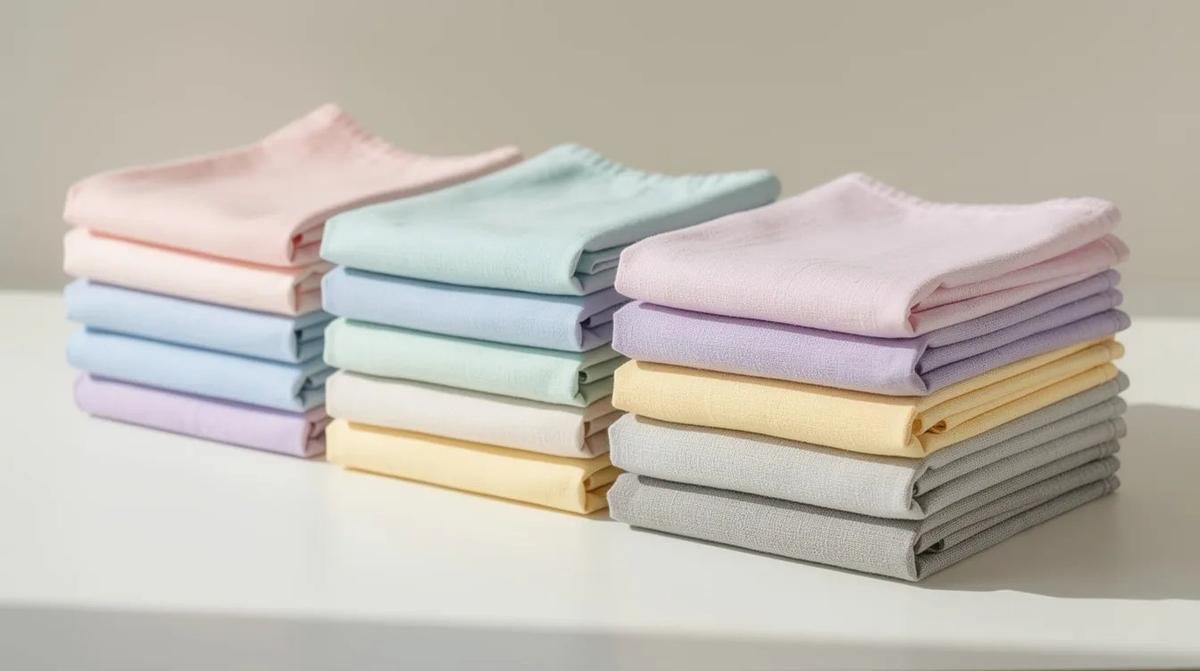
Natural Fiber Care
Each natural fiber has specific care requirements:
- Cotton: Wash in cool to warm water (maximum 140°F), tumble dry low or air dry.
- Linen: Use gentle cycles or hand wash to maintain strength (hot water can reduce strength by 20-30%), air-dry flat to prevent distortion.
- Silk: Hand wash only with mild detergent, avoid wringing, dry flat out of direct sunlight, and follow gentle routines similar to washing silk pajamas.
- Wool: Hand wash in cold water or dry clean, reshape while damp, and dry flat.
Synthetic Fiber Care
Synthetics need lower heat settings to avoid melting or shine marks:
- Polyester melts at 250°F; avoid high heat on irons and choose fabric softeners that won’t leave heavy residues.
- Use line drying or dryer balls to cut static cling by up to 50%.
- Skip fabric softeners that coat fibers and reduce moisture-wicking properties, especially on delicate semi-synthetics like viscose that need special care.
- Turn garments inside out to minimize pilling from friction.
Storage Best Practices
Proper storage can significantly extend fabric life:
- Keep wool and silk clean in breathable cotton garment bags.
- Utilize cedar blocks for moth protection (larvae feed on keratin in wool).
- Avoid direct sunlight, which fades silk 40% faster than other materials.
- Roll fabric on tubes or fold on boards to prevent permanent creases.
Create a Fabric Care Log
Consider maintaining a care log or labeling system for your sewing projects. Record fiber content, washing instructions, and purchase details for future reference. When you find that perfect vintage-style cotton needs replacement, you’ll know exactly where to shop.
Those who keep organized records for their fabric stash spend less time resolving care issues and more time creating. Whether you track in a notebook or digital format, this small habit offers significant long-term benefits. With the right care, the quality fabrics you buy today will serve you beautifully for years, making each yard a worthy investment in your creative journey.



