
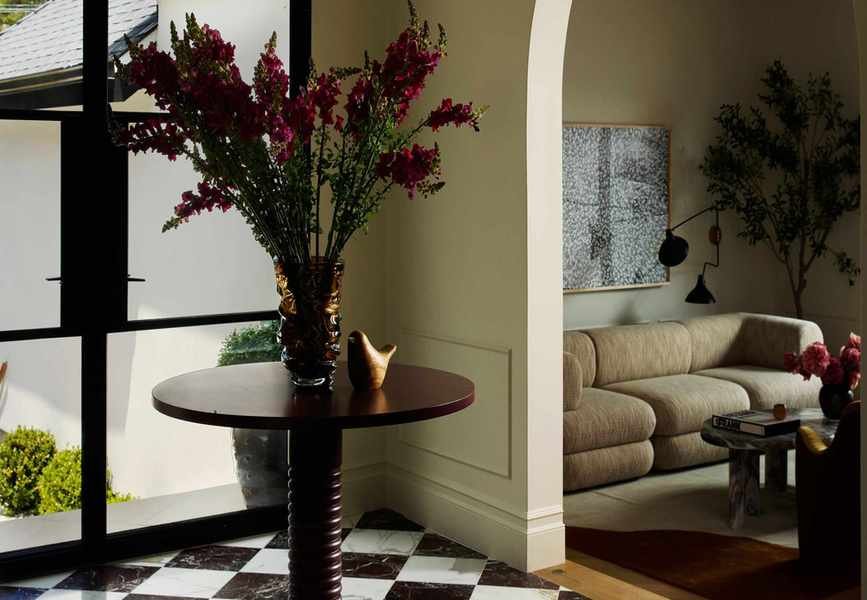

Your entryway is the first impression visitors get. When designed thoughtfully, it influences how the entire home is perceived.
Often overlooked, the entryway is crucial during renovations. Many skip it due to budget constraints, time limitations, or a belief that its small size renders it unimportant. However, its impact is significant. A well-designed entryway establishes expectations and makes the entire home feel carefully curated.
Here are five key principles I apply to every entryway design, no matter the size or style.
1. Start with a Statement Piece of Furniture
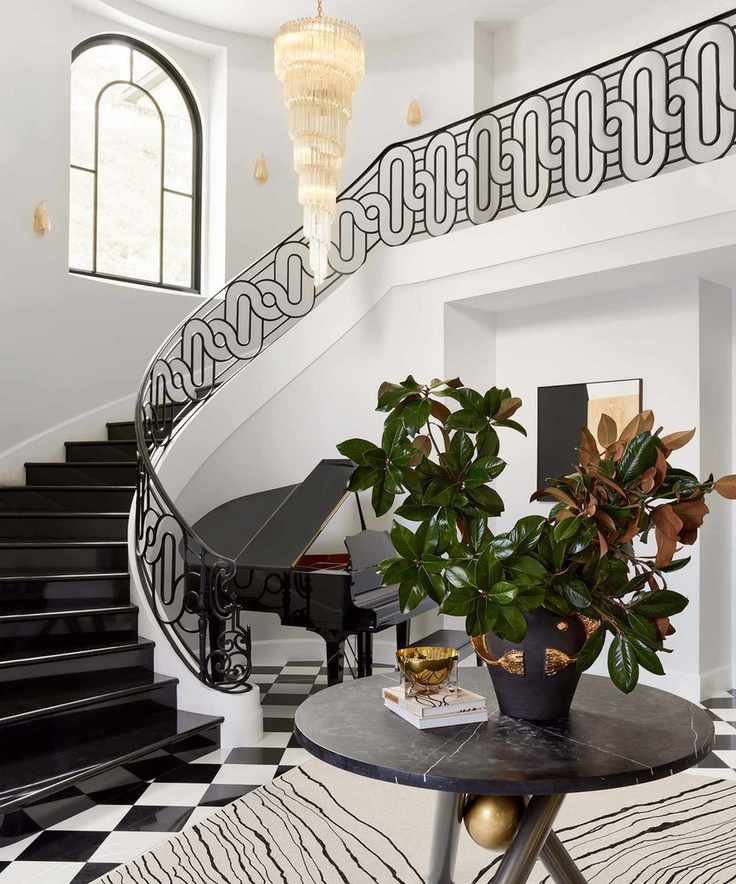
Choose a standout piece, not just a shelf or a generic console that fits the space. Opt for furniture that commands attention due to its design, material, or unique shape. This becomes the focal point of the room.
If the entryway is narrow, don't settle for something basic. A slim console in an attractive finish can be more impactful than a bulkier piece that lacks character.
2. Install the Mirror First
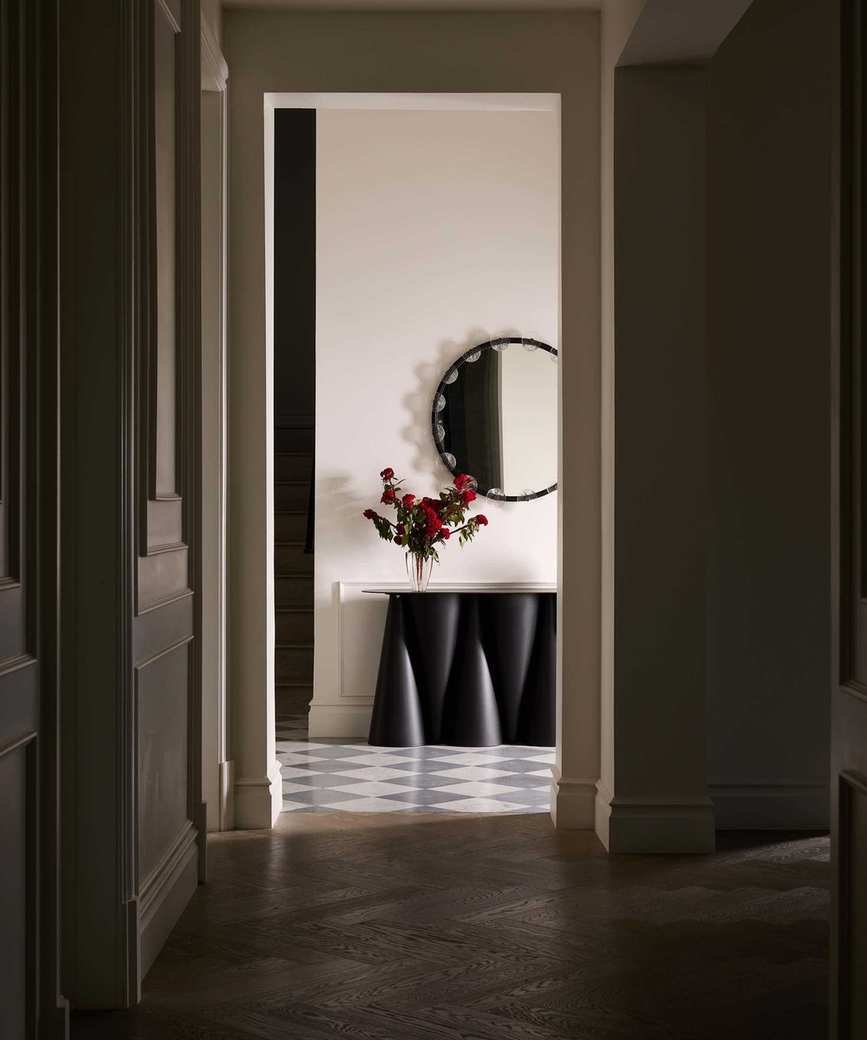
Positioning a mirror across from or next to the front door serves two purposes: it reflects light back into the entryway and creates a visual anchor. Size is crucial; a small mirror often appears as an afterthought. Aim for a mirror that spans at least half the width of what it's mounted above.
Round mirrors are especially effective in entryways, softening the angular lines typical of hallways. However, the mirror's size is more important than its shape.
3. Prioritize Lighting Before Adding Decor
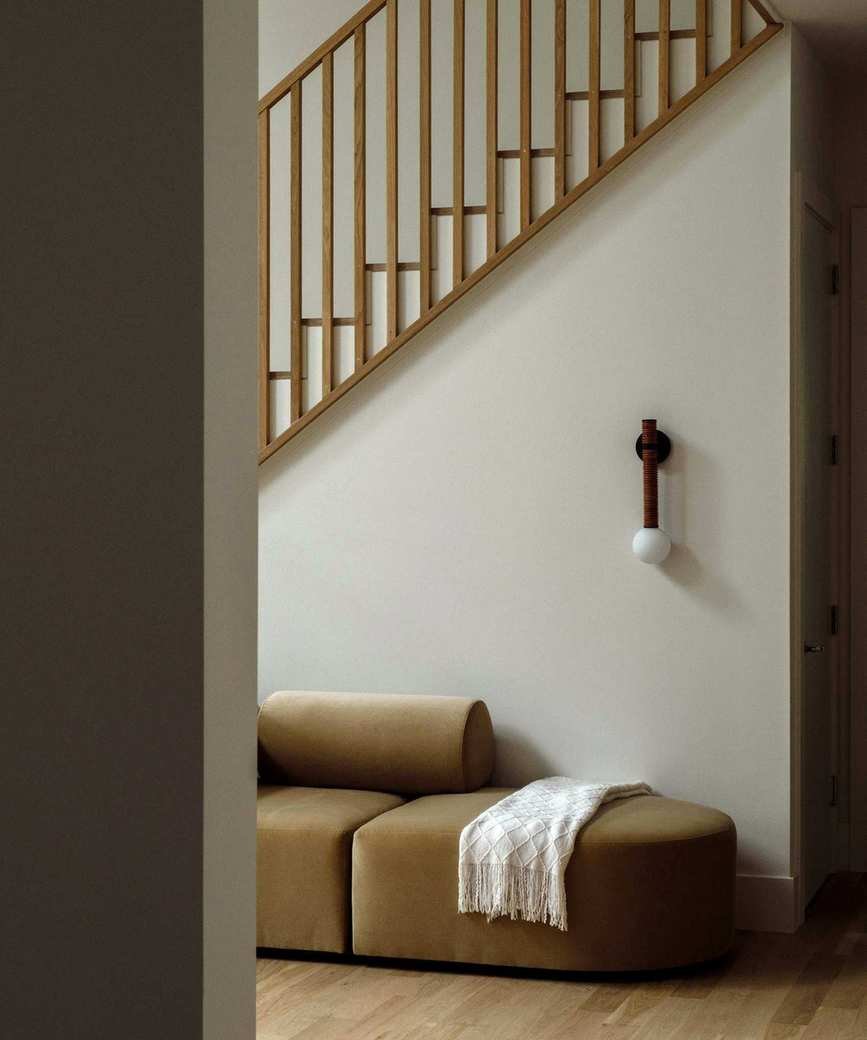
Many entryways rely solely on a single overhead fixture, which can make the space feel flat and utilitarian. Instead, incorporate a wall sconce at eye level—around 170–175 cm from the ground—to enhance warmth and visual interest, creating a layered lighting effect.
If budget allows for only one lighting upgrade in the whole home, this should be the spot.
4. Make the Floor a Focal Point
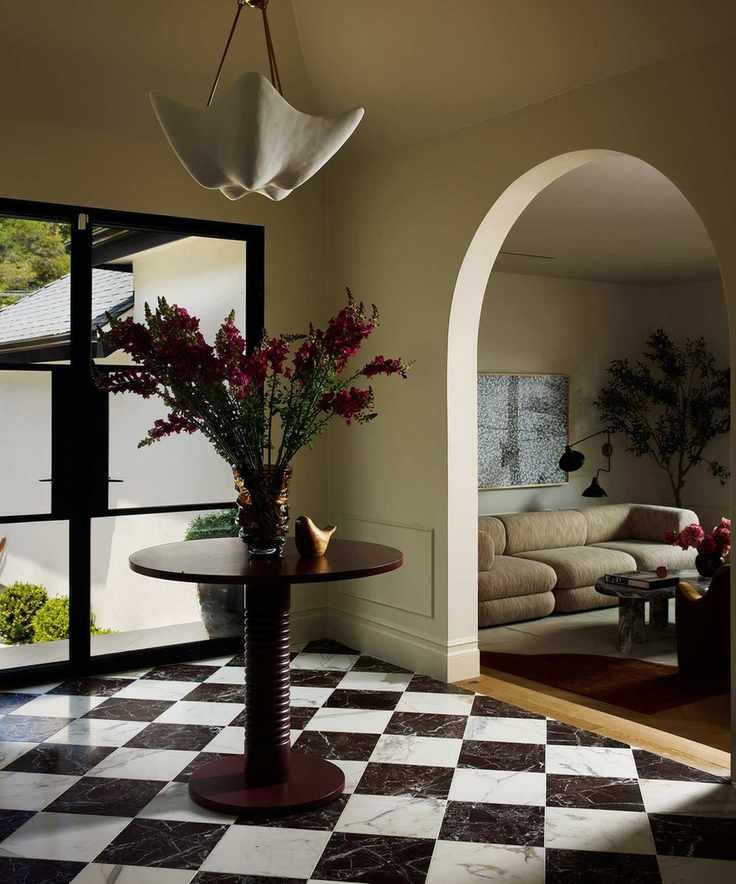
The flooring in an entryway commands more visual attention than any other surface. Consider using bold patterns, unique materials, or contrasting styles to signal thoughtful design. Consistency in flooring between the entryway and adjacent spaces can be a missed chance for creativity.
Remember, guests notice the floor first. Make it captivating.
5. Include One Decorative Object for Aesthetic Appeal
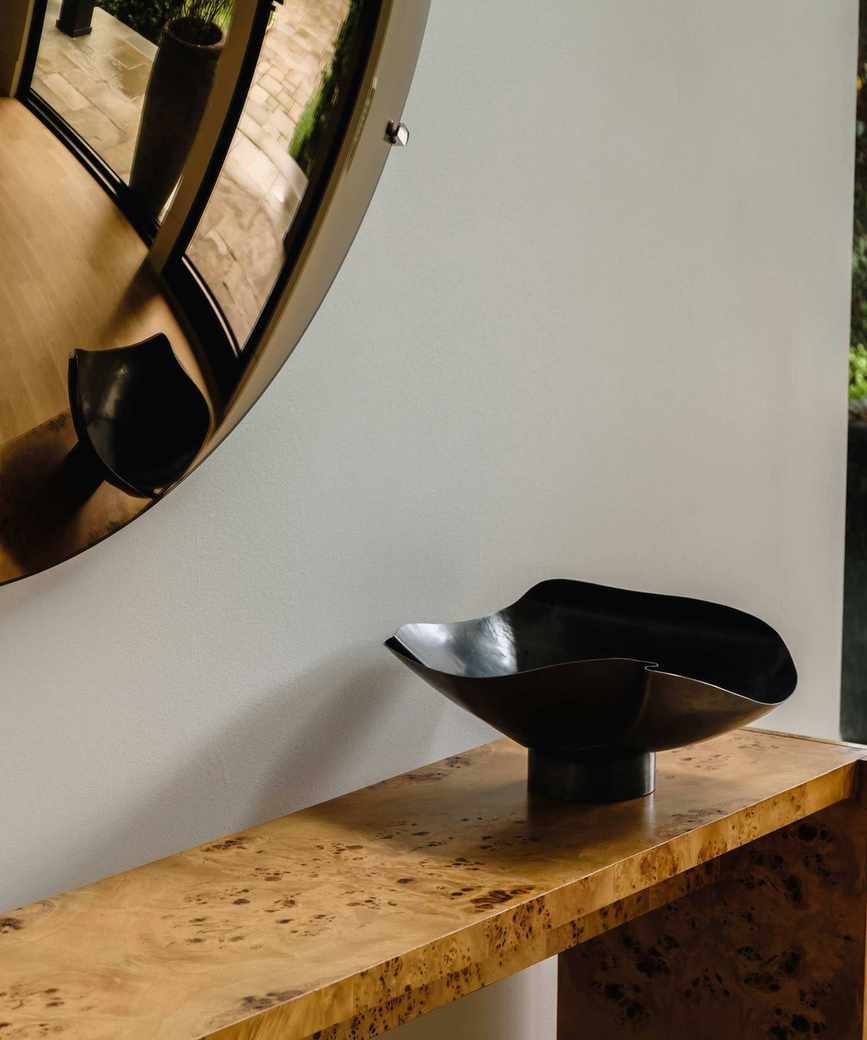
Incorporate an object that serves no functional purpose—perhaps a sculptural bowl or a beautiful vase. Entryways that feel well-considered often feature something that exists solely for its beauty, chosen for its personal significance.
This detail differentiates a merely finished entryway from one that feels thoughtfully styled. While all other elements may be meticulously curated, without a personal touch, the space can feel more like a display and less like a home.
Creating a luxurious entryway doesn't require vast space. Rather, it should exude intentionality. Every element visible from the front door ought to convey a sense of thoughtful selection.



