
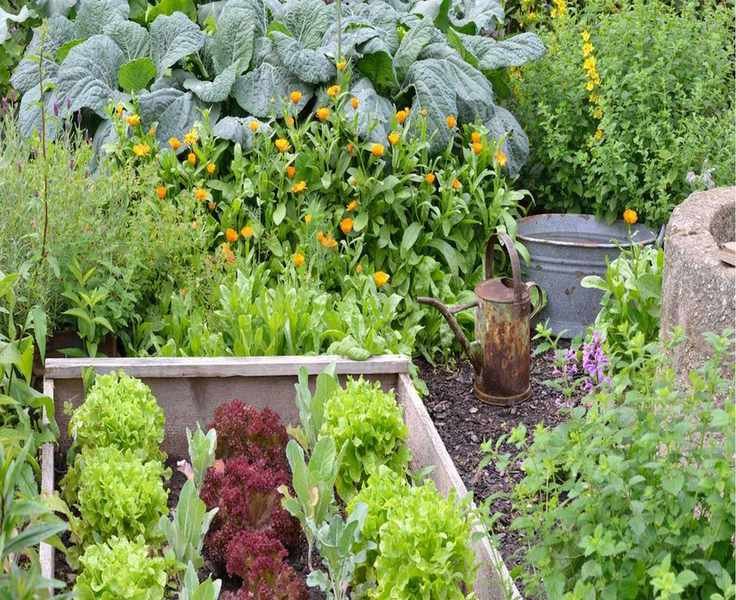
In the past year, I've explored ways to grow more vegetables, and my biggest challenge has been limited space. However, I've experimented with various space-efficient techniques that truly deliver results.
You don't need a large kitchen garden to enjoy a fruitful harvest. While many vegetables thrive in pots, maximizing space goes beyond simple containers. Imagine walls adorned with cascading tomato plants, buckets of potatoes on your balcony, and easy-to-grow salad greens that yield for months.
If you've dismissed the idea of gardening in your small outdoor area, let me change your mind. Here are five strategies I've personally tested—each one is simple and effective.
1. Train Tomatoes with String
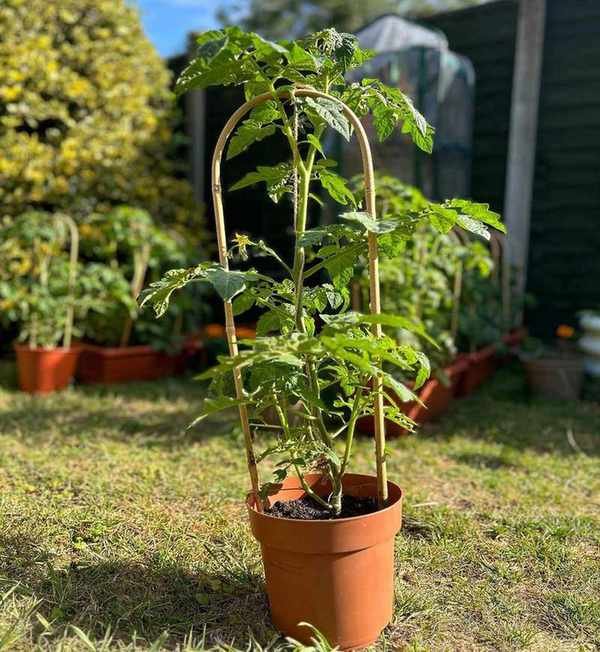
String can replace a traditional plant stake.
Don't limit yourself to bushy tomato varieties; you can successfully grow indeterminate tomatoes in pots. I implemented the string method last year, and it yielded fantastic results.
Using a hoop stake (available on Amazon) or even a greenhouse roof, tie a piece of garden twine (from Walmart) to the top and bury the other end in your tomato plant's pot. As your plant grows, wrap its stem around the twine.
This method not only trains the plant but also keeps it tidy, enhances airflow, and minimizes problems like tomato leaf curl.
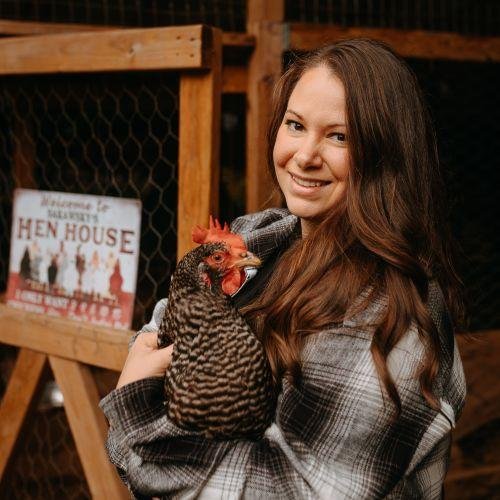
When selecting tomatoes, choose indeterminate types that can be spaced closely, trained vertically, and pruned to a single vine, as noted by Anna Sakawsky. Opt for pole beans instead of bush beans, as they thrive on trellises and yield more in limited space.
This technique is also suitable for peas, or you could use trellis designs to optimize wall space; consider this lattice trellis from Wayfair for a charming touch.
2. Select Compact Varieties for Containers
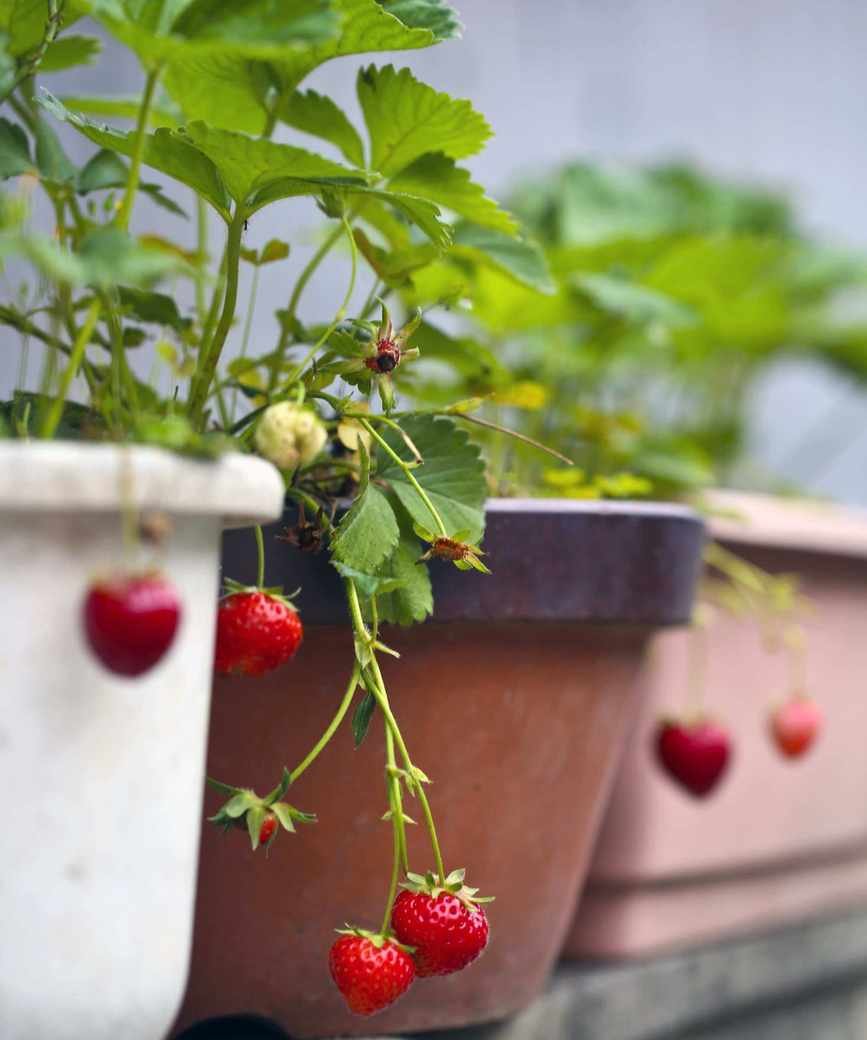
Strawberries are among the easiest fruits to cultivate in pots.
One of the most effective ways to save space is by choosing compact vegetable varieties. Almost every type of vegetable offers compact options suitable for pots or square foot gardening.
For example, you can find Hamberg Lettuce Seeds or Blue Bantam Dwarf Pea Seeds that are perfect for container gardening.
You can also grow cucumbers vertically to save space.
When working with limited space, focus on what you use most, and skip items that you don't often consume, suggests Lindsey Chastain.
Consider a tiered strawberry tower from Amazon to maximize your space while adding visual appeal to your garden.

3. Use Buckets for Growing Potatoes
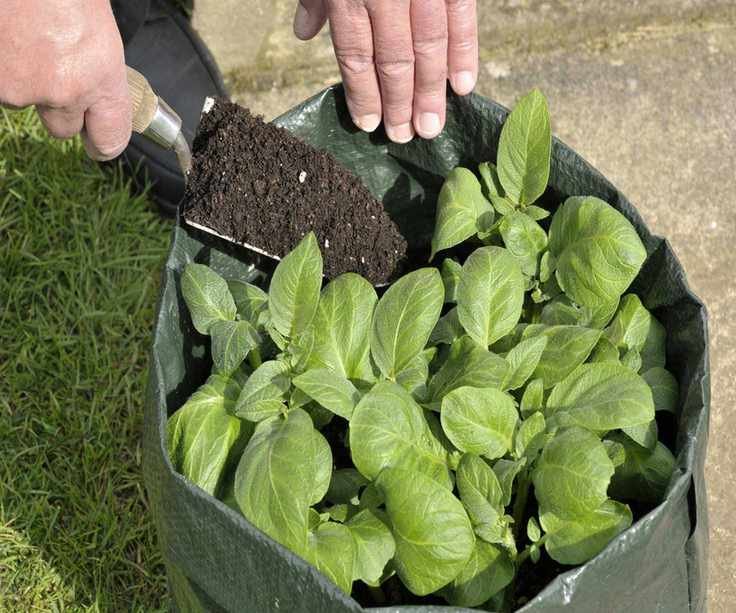
Add compost as your potatoes grow—this is called 'hilling up' and boosts yield.
There are countless methods to grow potatoes, but using a bucket is a favorite of mine. This approach conserves space, prevents unwanted potato growth after harvesting, and protects from pests.
Additionally, potatoes in buckets usually grow quickly (harvesting in about 10-12 weeks) due to excellent drainage (I drilled holes in my bucket), and you can reposition it for optimal sunlight exposure while keeping the soil warm.
Gardening expert Matt Tutt suggests using tires: place cardboard down, set a tire over it, and fill with soil. Then, plant your potatoes and cover them with soil.
Add more soil and a new tire as they grow, creating a tower effect that maximizes space.
You can also grow potatoes in bags using potato grow bags (available on Amazon) for an even lighter option with enhanced drainage.

4. Implement Companion Planting
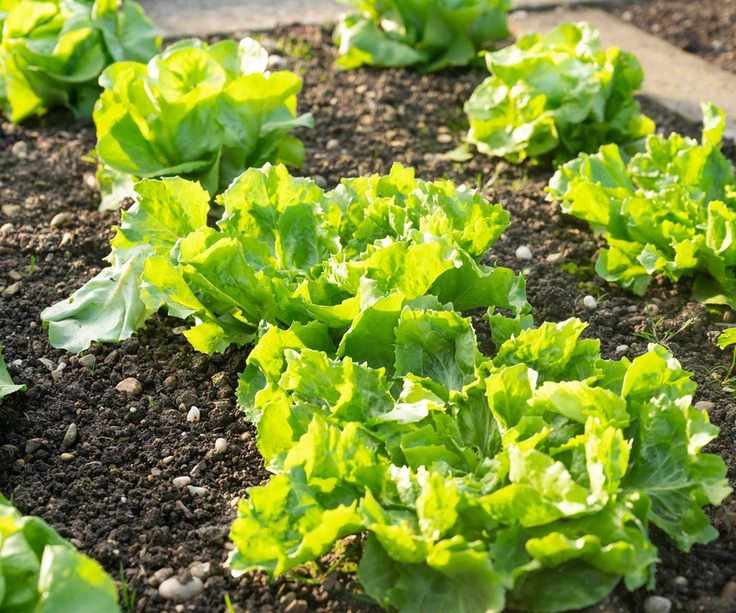
Consider various lettuce companion plants, including alliums.
Maximize your garden's potential through companion planting. This technique can save space. For instance, plant carrots, basil, or nasturtiums beneath your tomato plants instead of allowing the soil to remain bare.
Alternatively, sow early spring radishes between rows of carrots or beets; the radishes mature quickly and can be harvested before the root crops begin to grow.
Two plants often thrive together, and you can also replant pots after a harvest, notes Lindsey.
Look for varieties that suit different seasons; for example, carrots can be planted in both spring and fall. Rotating crops across seasons can enhance your limited space.
5. Focus on High-Value Crops
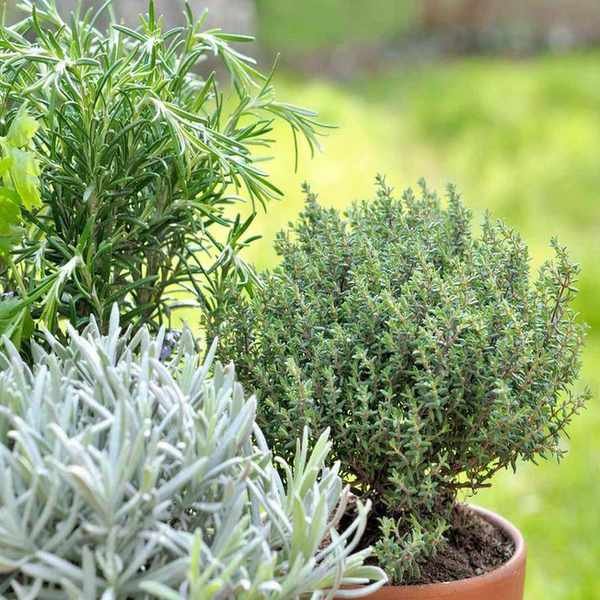
Grow many herbs indoors during winter for year-round productivity.
Some vegetables and herbs provide greater returns in small gardens, says gardening expert Rachael Carter.
For those gardening in containers or with limited space, selecting vegetables and herbs that can be harvested throughout the year significantly boosts your garden's productivity.
Rachael recommends starting with kale, parsley, and green onions—growing a few of each can substantially reduce grocery bills for many families, depending on usage!
Many cut-and-come-again vegetables and herbs can be planted once for harvests from spring to fall.
Consider arugula seeds and rosemary seeds as excellent choices.
Herbs can also be cultivated indoors on a windowsill, providing fresh ingredients throughout the year.
What to Shop
Potato Grow Bags
These bags are specifically designed for growing potatoes and ensure good airflow and drainage.
15 Vegetable Seeds
This set of vegetable seeds features 15 non-GMO heirloom varieties to try.
Tiered Vertical Garden Planter
This tiered planter is perfect for cultivating strawberries, salad crops, herbs, and more while saving space.
FAQs
Which Crops Are Suitable for Hanging Baskets?
Hanging baskets are ideal for growing strawberries, which provide an attractive cascading display. Many vegetables like lettuce, spinach, tomatoes, and peppers also thrive in these containers.
If you're new to growing your own produce, check out our guide to the easiest vegetables to cultivate for inspiration. You don't need extensive outdoor space to enjoy fresh, homegrown harvests.



