
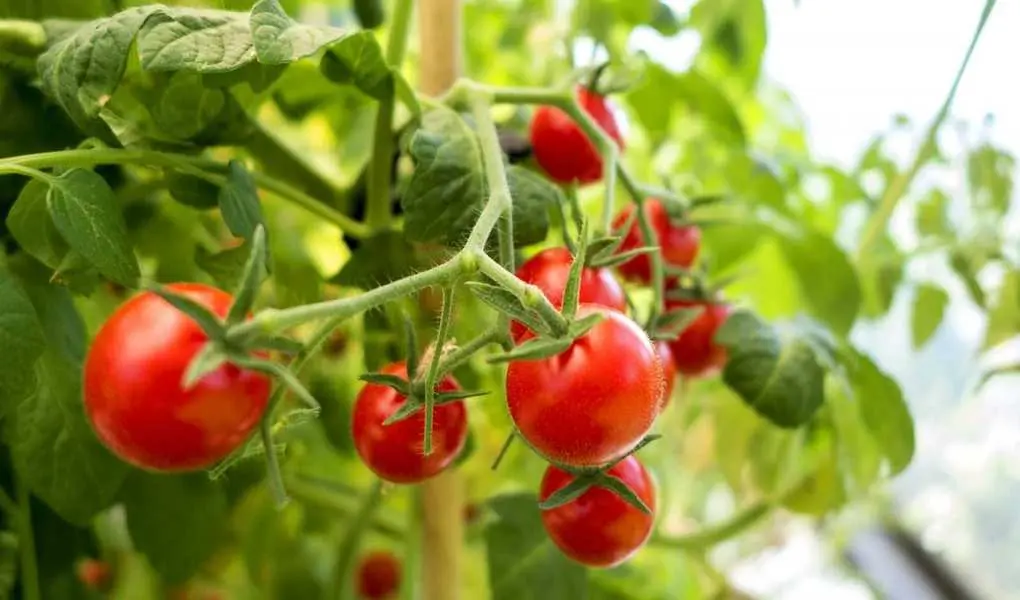
Growing tomatoes brings joy, from the first blooms to harvesting ripe fruit. Yet, curling leaves can be a frustrating sight for gardeners.
Tomato leaf curl is a widespread issue that can stem from factors like weather, watering habits, pests, diseases, and nutrient imbalances. Fortunately, most situations are manageable, especially with prompt action.
When you spot curling leaves on your tomato plants, don't lose hope. This article explores the typical reasons for leaf curl and shares effective remedies.
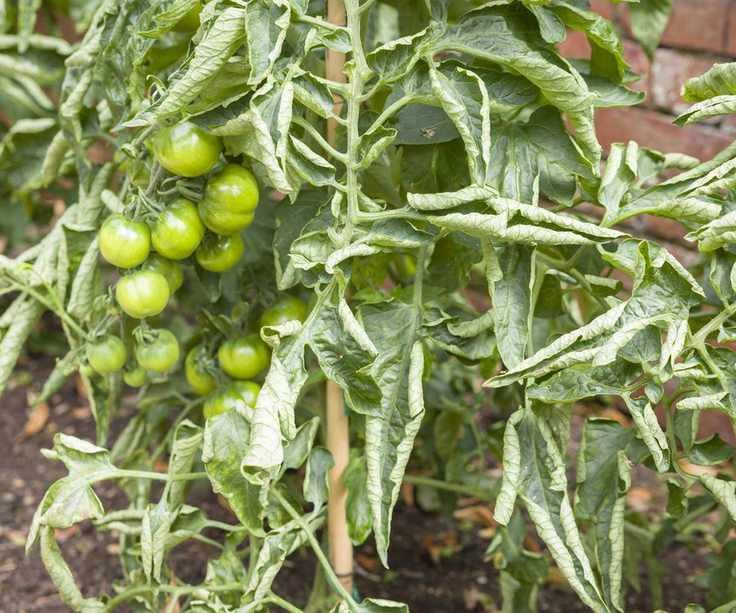
What is Tomato Leaf Curl?
Tomato leaf curl occurs when the leaves begin to curl inward due to environmental or physiological stress. This issue often starts with the older leaves and can be alarming for gardeners.
Leaf curl signals that your plants may be struggling, but it doesn't mean your tomatoes are doomed. Identifying and addressing the cause is essential to safeguard your tomato harvest.
Common Causes of Tomato Leaf Curl and Their Solutions
Here are some prevalent causes of tomato leaf curl along with how to remedy each one.
1. Watering Issues

Tomatoes thrive in consistently moist soil. Insufficient water can lead to curled leaves as the plants strive to conserve moisture, particularly in hot weather. This risk is heightened when growing in pots.
Conversely, overwatering can also cause leaf curl. In addition to curling, yellowing leaves are a telltale sign of excessive soil moisture.
Consistency is vital. Regularly check soil moisture and opt for deep watering rather than frequent light watering.
Using a soil moisture meter can help you accurately assess moisture levels below the surface. A meter like this soil moisture meter at Amazon gives quick insights to help you determine when to water.
Applying mulch around your plants is another effective strategy to retain soil moisture.
2. Temperature Challenges

Tomatoes prefer warm, sunny locations, but they can become stressed when temperatures exceed 90°F.
In response to heat, plants curl their leaves to conserve water, reducing transpiration and preserving moisture.
In hotter regions, planting tomatoes where they receive afternoon shade can help protect them from extreme heat.
If your plants are in pots, consider relocating them out of direct sunlight or using shade cloth. A cloth like this 40% shade cloth from Walmart is ideal since overly thick fabric can block too much sunlight.
Cold temperatures below 54°F can also lead to curling leaves. Avoid planting tomatoes too early in spring; wait until the weather warms up. Always harden off plants for a few weeks before outdoor planting.
For those in windy areas, providing shelter for your tomatoes can help protect them from chilling winds that may scorch leaves.
3. Pest and Disease Issues
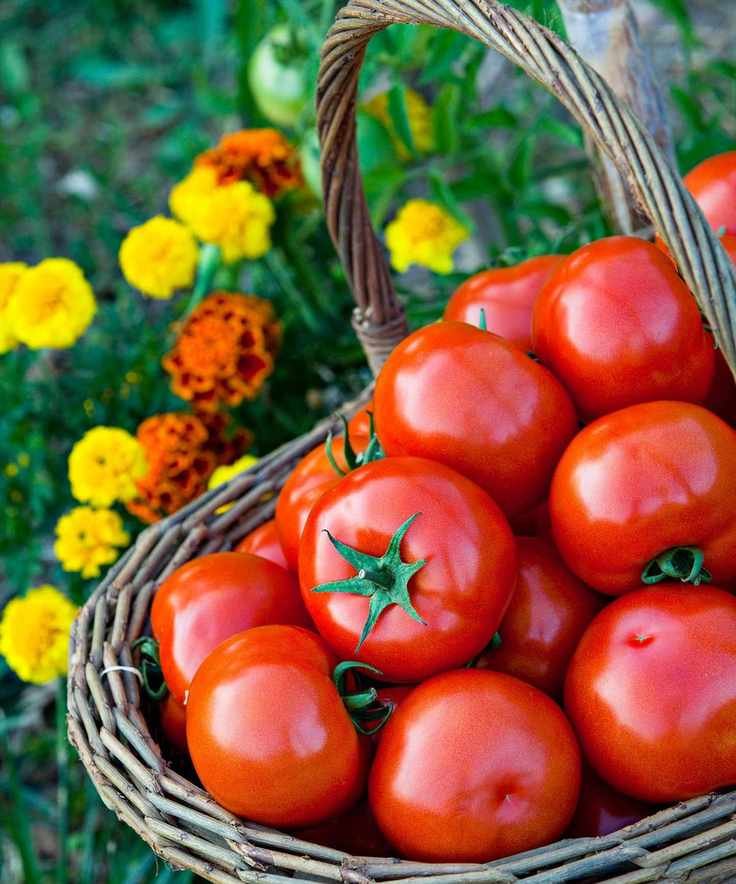
While environmental stressors often lead to leaf curl, pests can also be the culprit.
A variety of pests such as aphids, whiteflies, thrips, spider mites, and broad mites may cause this issue. These sap-sucking insects cluster on the undersides of leaves.
Spider mites, whiteflies, and aphids can often be removed with a strong water spray or treated with insecticidal soap (check out this insecticidal soap at Walmart). Utilizing companion plants can help deter pests or attract beneficial insects that prey on them.
Pests can also spread diseases. Viral issues like leaf spot, mosaic virus, and tomato yellow leaf curl virus often present with curling leaves.
Opt for disease-resistant tomato varieties, and always use clean, sharp pruning tools to prevent disease transmission.
Taking preventive measures against diseases is crucial since infected plants should be removed to stop the spread. Dispose of affected plants properly and avoid composting them.
4. Nutritional Deficiencies
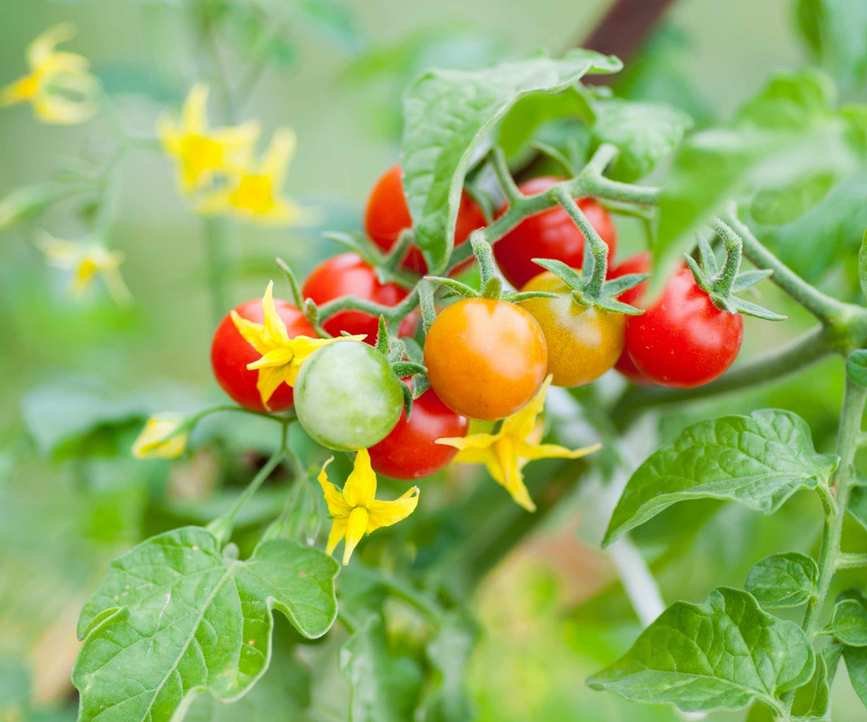
Tomatoes are nutrient-hungry plants needing ample nutrients for robust growth and fruit production. Regular fertilization is essential to provide necessary nutrients. When plants lack nutrients, curling leaves may occur.
An excess of nitrogen can lead to excessive foliage growth, making it difficult for the plant to sustain itself, resulting in curled leaves. Conversely, insufficient potassium or phosphorus can cause stunted growth or leaf curl.
Conducting a soil test will help identify any nutrient deficiencies or excesses. A simple soil test kit from Amazon can provide insights on nutrient levels.
Using a specially formulated tomato fertilizer is often the best choice, or you might consider making your own fertilizer.
FAQs
How Can You Tell if Tomatoes Are Overwatered?
Tomato plants typically require about 1-2 inches of water weekly, but this can fluctuate based on weather and planting conditions.
Signs of overwatering include wilting, drooping, and yellow leaves. Additionally, fruit may split or crack, and the soil surface might exhibit green mold from excess moisture.
Mountain Magic Hybrid Tomato Seeds
This indeterminate tomato variety is highly resistant to diseases, including blight, verticillium, and fusarium wilt. Its fruits are also resistant to cracking.
Miracle-Gro Tomato Plant Food
This water-soluble fertilizer can be applied during watering every 1-2 weeks for healthier plants and larger tomatoes.
Tomato Cage 2-Pack
A pair of sturdy tomato cages made from premium steel with a rust-resistant coating to support your plants throughout the growing season.
In addition to leaf curl, some tomato plants may fail to produce fruit. You might notice flowers but no fruits, often due to blossom drop before pollination.
Causes of blossom drop can include extreme temperatures or excessive nitrogen in the soil. If pollination is lacking, try shaking the plants to distribute pollen or hand-pollinating with cotton swabs or a toothbrush.



