
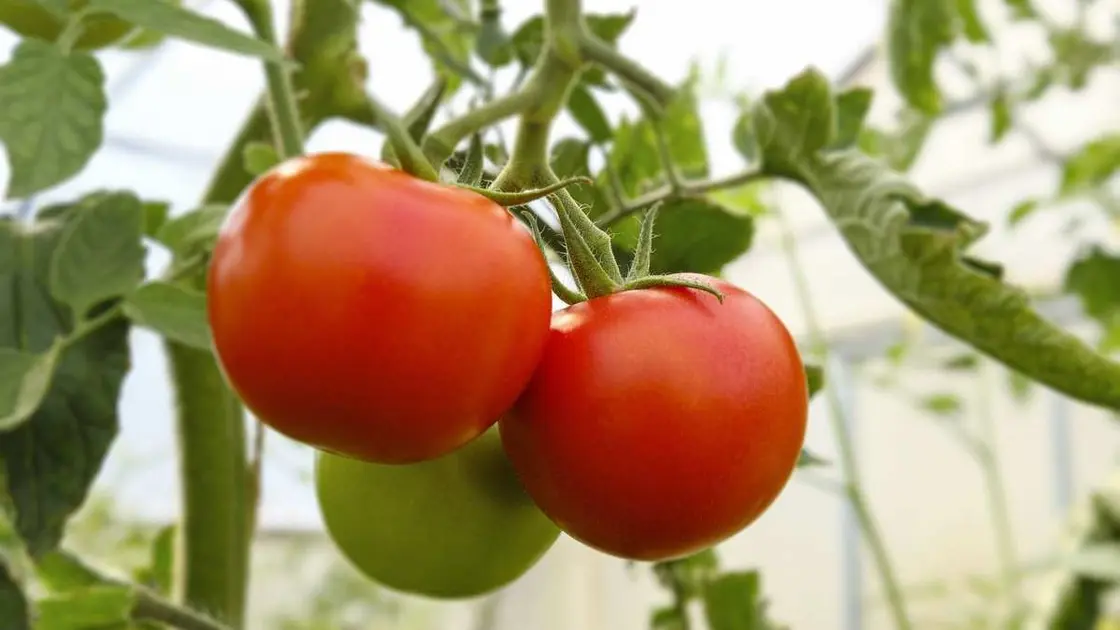
Growing fresh tomatoes is a rewarding experience, but pests can threaten your yield and even damage your plants. It's crucial to take proactive steps to safeguard your beloved crops.
Be on the lookout for insects eager to feast on your tomato plants. Infestations can make your plants unsightly and hinder their growth, leading to spoiled fruits.
Fortunately, several organic methods exist to deter tomato pests and address any outbreaks, ensuring a bountiful harvest.
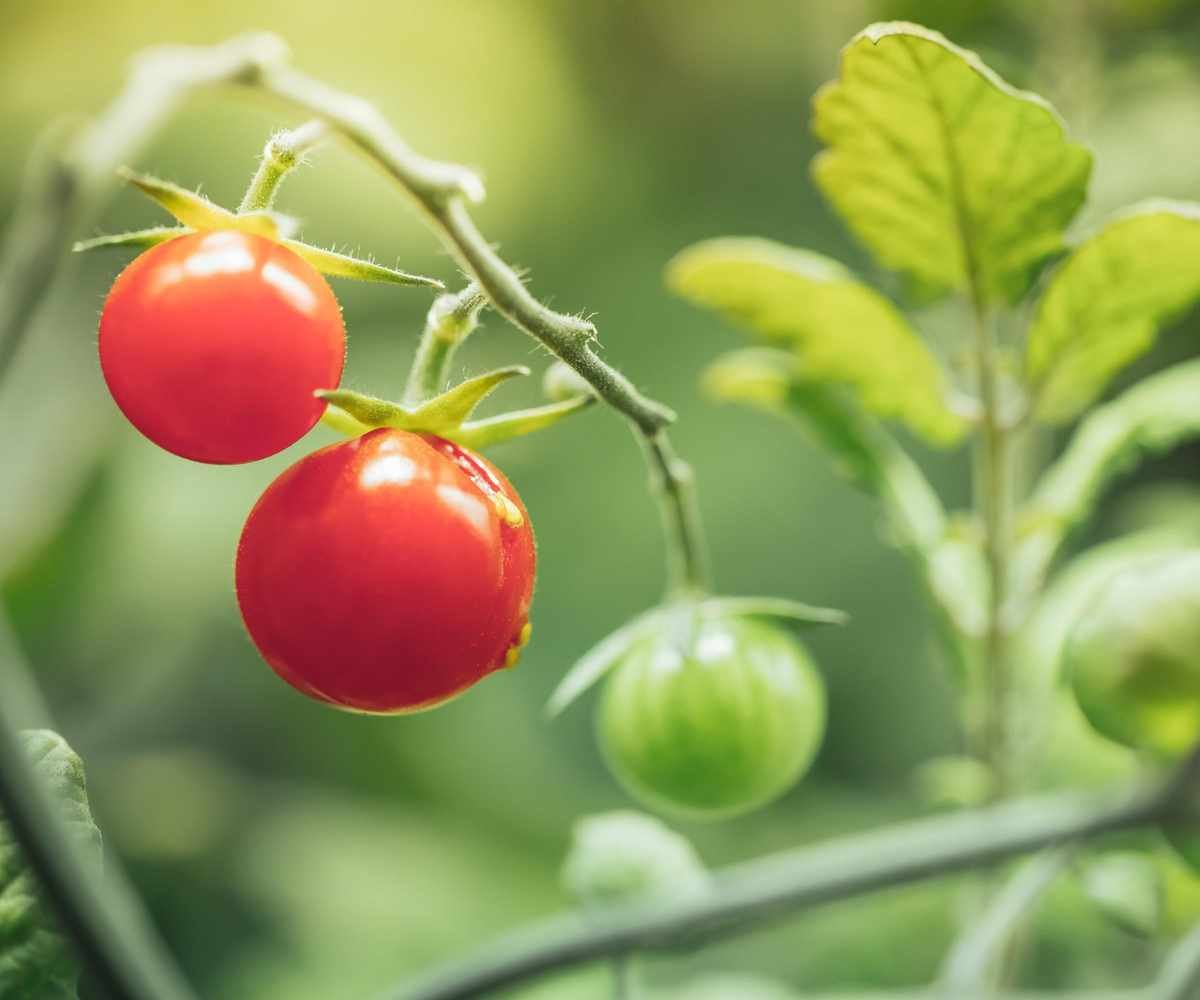
Tomatoes thrive in both outdoor gardens and greenhouses
Common Tomato Pests to Watch For
In addition to diseases, various pests can invade your tomato plants. Be mindful of aphids, tomato hornworms, fruitworms, spider mites, flea beetles, slugs, and snails. These pests can cause significant harm.
Infestations can begin as soon as you plant your tomatoes. Young seedlings are especially vulnerable to cutworms that can sever their stems. The threat persists until harvest, as any fruits damaged by pests are often inedible.
Luckily, various strategies and products, many of them organic, can help manage pest issues. Regularly inspecting your plants for signs of pests is essential for timely intervention.
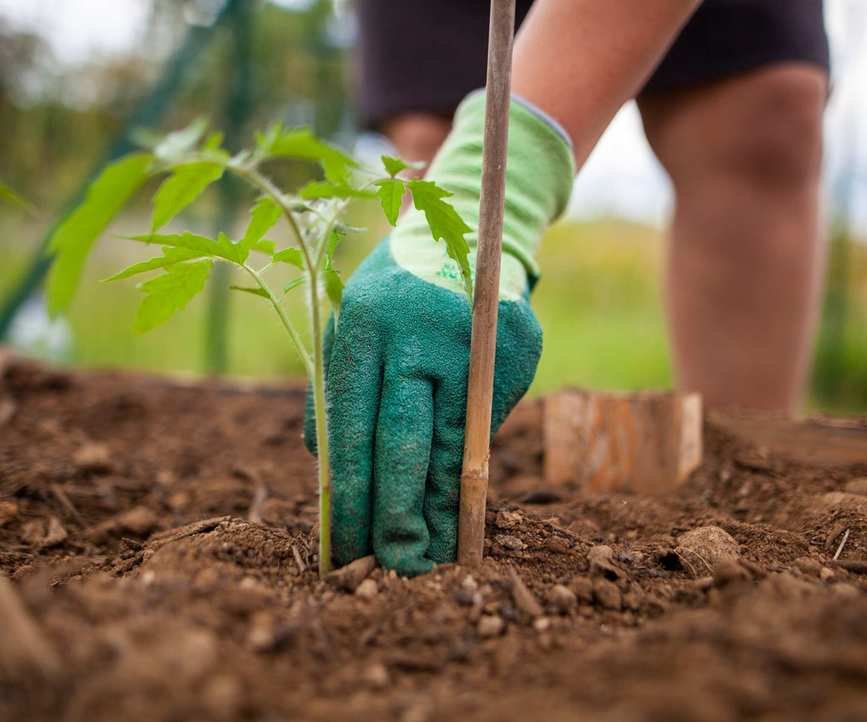
Young tomato plants face risks from cutworms, slugs, and snails
Impact of Tomato Pests
Pests can inflict severe damage on your plants, regardless of the tomato varieties you grow. Aphids can suck sap, leading to curled leaves and stunted growth, while hornworms can chew through leaves and fruits. It's alarming to realize that every part of your plants can be affected.
Damage from pests can weaken overall plant health and even jeopardize their survival. Affected plants are also more susceptible to diseases, drought, and additional pest invasions.
Some pests, like thrips, not only damage plants but also spread tomato diseases throughout your garden. For instance, thrips can transmit the tomato spotted wilt virus while feeding on sap.
Pest damage will likely reduce your harvest. A compromised plant cannot produce a full crop, and many pests ruin fruits, making them unsuitable for consumption or preservation.
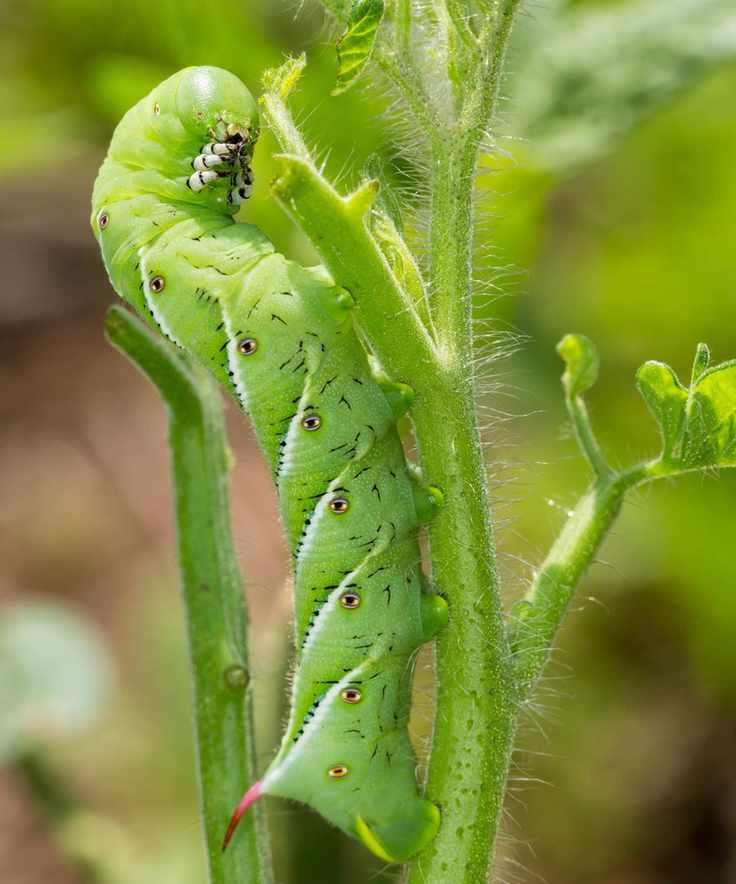
Hornworms are notorious for consuming leaves and fruits
Effective Pest Control for Tomatoes
Natural solutions for managing tomato pests include the technique of companion planting. This method involves planting specific plants alongside tomatoes that can attract beneficial insects or repel harmful pests.
Emily Jones, a seasoned tomato grower, believes companion planting is vital for pest management. She suggests that marigolds, basil, and garlic effectively deter pests while attracting beneficial predators.
Other helpful herbs and flowers include sweet alyssum, calendula, mint, and oregano, which can draw in beneficial insects. Additionally, attracting birds to your garden with bird baths and feeders can help control pests as they hunt for insects.
While it may take more effort, handpicking larger pests like hornworms, stink bugs, and caterpillars is often the most effective method. Inspecting your plants daily allows you to catch these pests early and relocate them far away.
Susan Mulvihill, the author of The Vegetable Garden Problem Solver Handbook, suggests using an empty container filled with soapy water to trap pests, as the soap breaks the water's surface tension.
Flea beetles can be particularly tricky to manage. Susan recommends timing your tomato planting to avoid their peak activity. If needed, applying beneficial nematodes can target the larval stage of these pests.

Homemade Solutions for Pest Control
Emily advises using organic sprays and homemade insecticides to manage pests effectively. Typically, two applications spaced a week apart yield the best results.
One effective solution is a homemade insecticidal soap, which combines mild liquid soap and water to target soft-bodied insects like aphids and whiteflies.
Neem oil is another option; simply follow the instructions on the label for effective application. Reapply neem oil every three weeks to address ongoing pest issues and prevent future infestations.

Identifying Tomato Pest Damage
What does spider mite damage look like on tomatoes?
Spider mites are tiny and hard to find, but their presence is often indicated by fine webbing on plants. They cause yellow or white spots on leaves by sucking sap from individual cells.
What issues arise from tomato hornworms?
Hornworms are challenging to detect due to their camouflage. They can inflict significant damage by consuming leaves and fruit. These pests are most active at night and can be identified by their droppings.
What are the little worms in my tomatoes?
Tomato fruitworms are smaller pests that primarily feed on the fruit, leaving entry holes and damaging the interior. Any affected tomatoes become inedible and should be discarded.
What does aphid damage look like on tomato plants?
Aphids may be small but can multiply rapidly, causing significant damage. They cluster under leaves, sucking sap and leading to yellowing and stunted growth.
Whether you're cultivating tomatoes in a garden, greenhouse, or on a patio, your goal is to achieve the best harvest possible. Regular watering, fertilizing, and pruning are essential. Stay vigilant against pests, as many common threats can be managed effectively for a successful harvest.



