

Homegrown tomatoes are a summer favorite, offering flavors that far exceed store-bought varieties. Starting from seed allows you to explore a broader range of tomato types than what's typically available in stores.
Growing tomatoes is relatively straightforward. Seeds germinate easily in spring in a warm environment, and they flourish with the right amount of heat. Once the seedlings reach a few inches tall, it's essential to transplant them into separate pots to promote their health.
Wondering when to move tomato seedlings to the garden? The ideal time is when the temperature is consistently around 70˚F. Until then, pot them up, monitor the temperature, and then transplant them to their final location, whether in a greenhouse or outside.
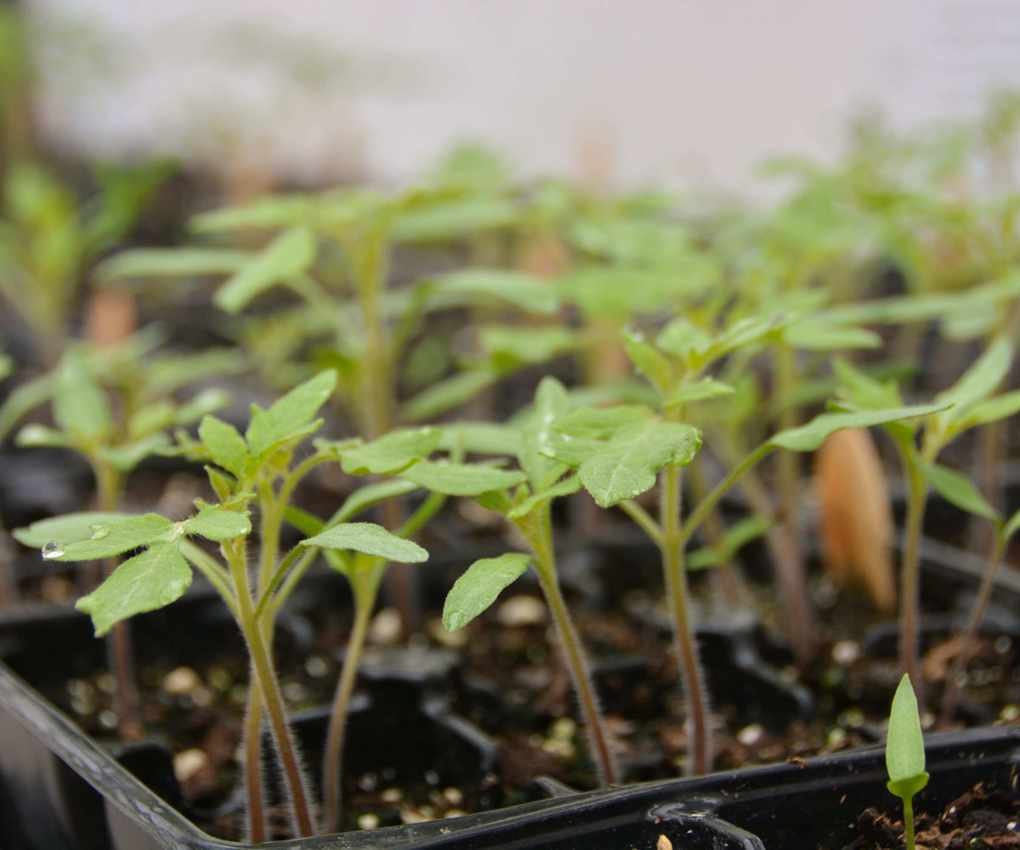
Tomato seedlings need transplanting into individual trays
When to Pot Up Tomato Seedlings
Timing is crucial for successful tomato cultivation, with several steps between sowing seeds and planting the seedlings in their permanent spots.
Start by sowing tomato seeds indoors in March or April, depending on your climate. They germinate best at temperatures between 64˚F and 77˚F. Within 10 days, the seeds sprout, and they will thrive if transferred to larger pots, allowing each plant the space it needs to grow robustly and yield a great tomato harvest.
Transplant seedlings once they reach a minimum height of two inches and have their first true leaves. It's vital to separate seedlings at the right moment to avoid competition for water and nutrients, which can lead to poor growth.
A gardening expert advises, 'Transplanting early is better than waiting too long. If not separated promptly, seedlings may struggle against each other, leading to stunted growth.'
In cramped conditions, seedlings may turn yellow if they lack adequate resources.
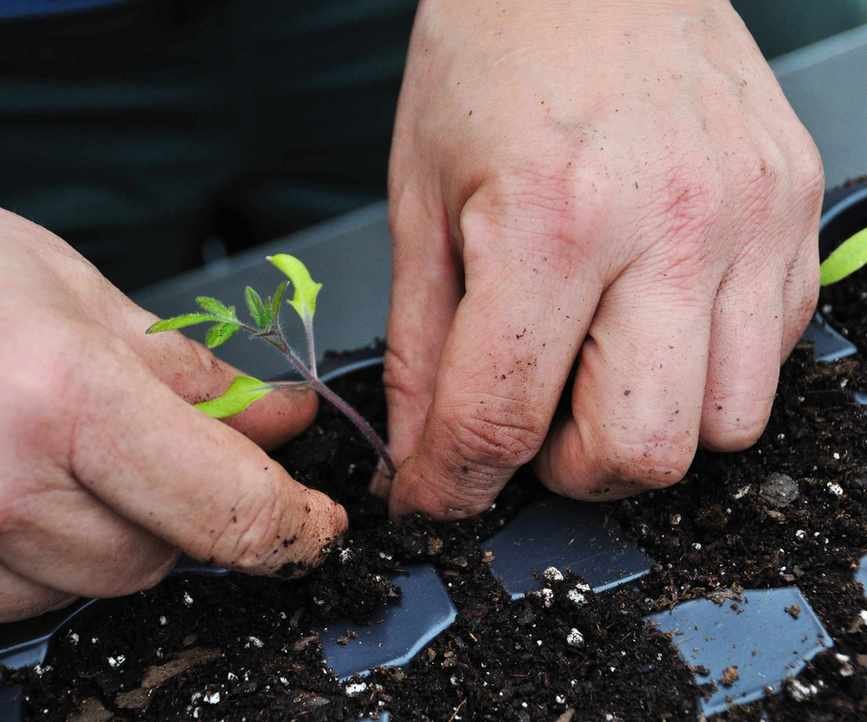
Transplant seedlings into individual pots, ensuring they receive ample light and a temperature of around 59˚F. Lack of light can cause seedlings to stretch and grow tall with few leaves. Maintain space between plants and increase it as they grow, as tomato plants can become tangled, affecting air circulation.
Tomatoes can require multiple repottings before reaching their final destination. A good rule is to repot when the plant's height is three times the pot's diameter.
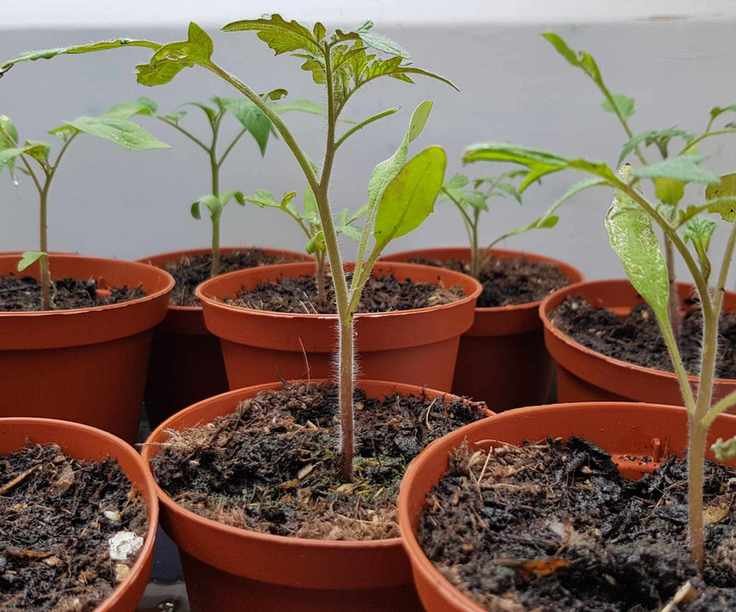
Tomato plants flourish with light and warmth
Steps to Transplant Tomato Seedlings from Trays to Pots
Transplant seedlings when they are between two and four inches tall. This process is simple: move seedlings from their seed trays to larger pots measuring 3-4 inches in diameter, using quality potting compost.
An expert suggests a straightforward four-step method for potting up tomato seedlings:
- Fill pots with compost, creating a hole deep enough for the roots without curling.
- Gently grip the seedling by a cotyledon and ease it out of its tray using a dibber or pencil.
- Position the seedling so the cotyledons sit just above the compost surface; water gently without firming.
- Check daily and water lightly as needed, ensuring leaves dry before nightfall to prevent rot.
Handle seedlings carefully; always support them by the leaves to avoid damaging the stems.
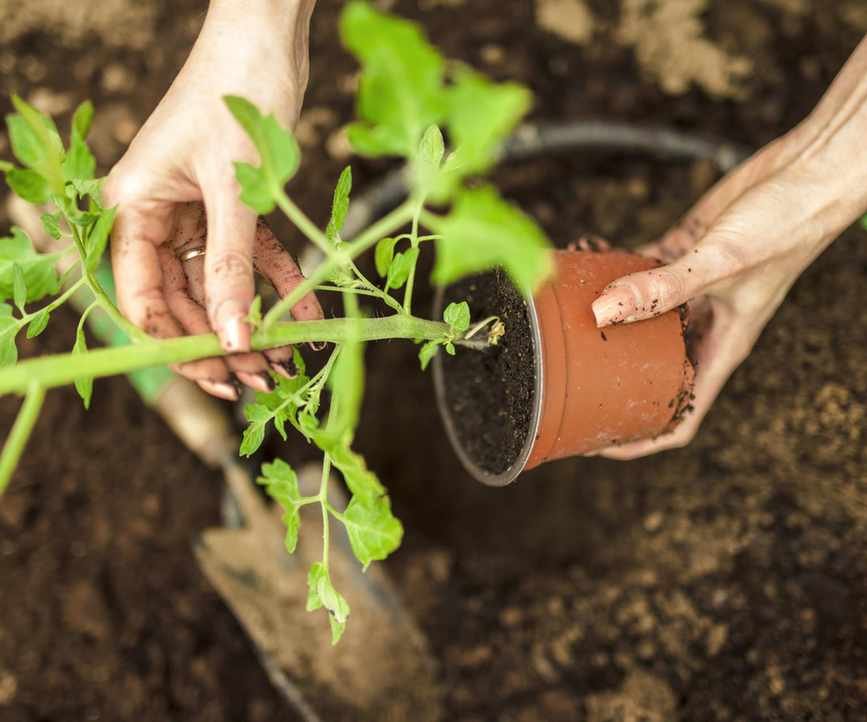
Transplanting Tomato Seedlings to Their Final Location
Transplant young plants when they reach 9 to 12 inches tall, ideally once temperatures are between 70 and 75˚F. Indoor plants can be moved in late April or early May, while outdoor plants should wait until nighttime temperatures exceed 50˚F, often weeks after the last frost.
For outdoor growth, harden off seedlings gradually to acclimate to outside conditions over a few weeks, ensuring you wait until the last frost has passed. Tomatoes can thrive in pots, container gardens, or grow bags.
Dig a generously sized hole for the root ball, place the plant, and firm the soil around it. Mixing a bit of homemade compost into the soil can provide additional nutrients, but avoid fertilizing young plants during planting. Water adequately, keeping the soil damp but not overly saturated.
Tomatoes are either cordon or bush types, which influences pruning techniques. Cordon varieties grow as single stems and require support, such as a trellis or bamboo stake. It's advisable to set this support in place when planting to avoid disturbing the roots.
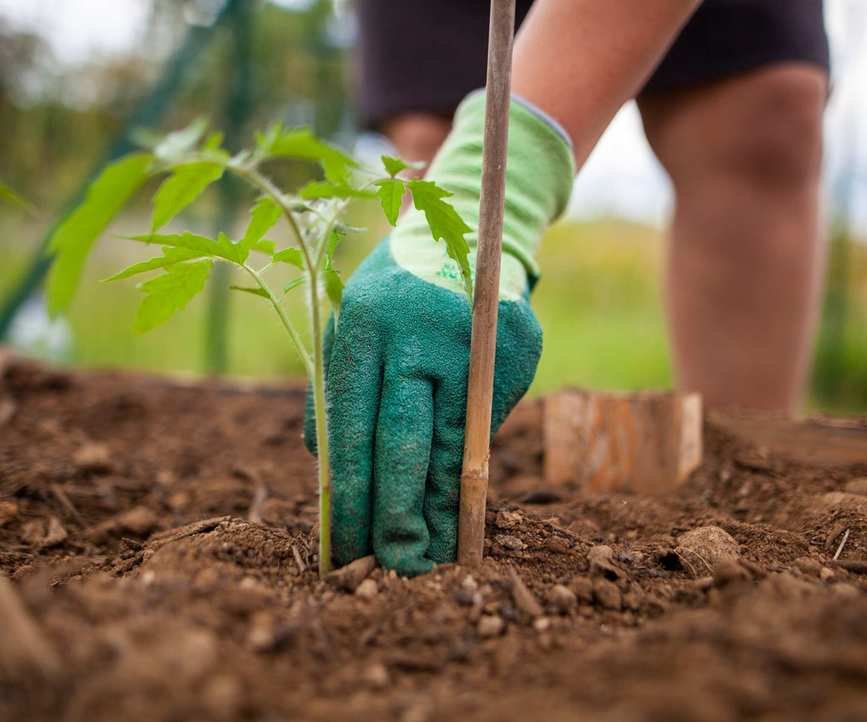
Cordon tomato varieties need support for growth
Common Questions
How Deep Should Tomato Seedlings Be Transplanted?
Tomato seedlings can be planted up to their first set of leaves. If they become leggy, deeper planting is possible, up to eight inches, removing any lower leaves that will be buried.
A general guideline is to plant up to two-thirds of the stem. This encourages additional root growth along the buried stem, enhancing the plant's root system.
What If I Transplant Tomatoes Too Early?
Transplanting too early can expose tomatoes to unfavorable weather, risking damage or death from late frosts. While tomatoes can withstand temperatures down to 33˚F, they struggle below 50˚F, leading to poor growth and reduced yield.
Keep an eye on local weather and nighttime temperatures to determine the best time for transplanting seedlings.
Understanding when to transplant tomato seedlings is vital for healthy growth. Giving them room in individual pots ensures they develop strong roots, setting them up for success in their final spots. Observing their leaf development and first true leaves will guide you in potting them up. This process is rewarding and can lead to a fruitful harvest of delicious tomatoes.



