
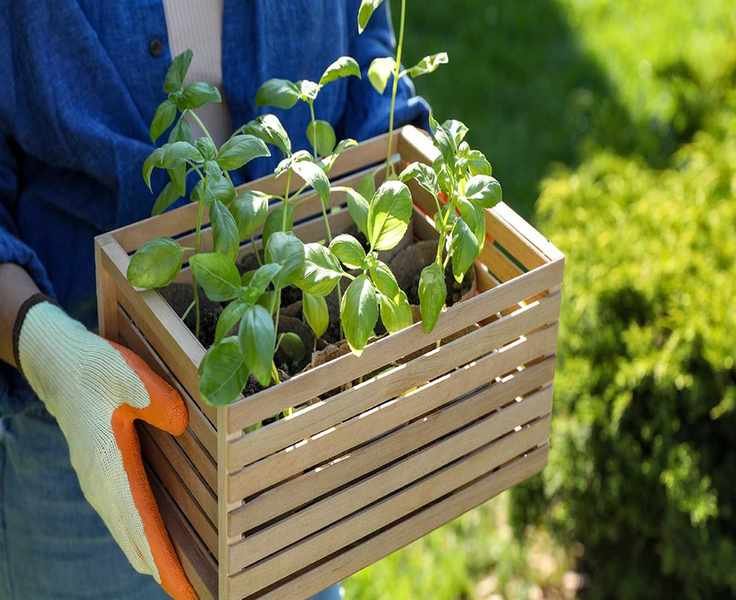
Starting seeds indoors during early spring allows you to get a jump on the growing season. However, moving them outside isn't just a simple transfer; it requires a careful approach to prevent shocking your delicate plants.
To help your seedlings thrive, hardening off is crucial. This process involves gradually introducing them to outdoor conditions over about two weeks, easing their transition.
Experts provide insight into the advantages of hardening off and the potential consequences of neglecting this step, along with recommendations on which plants need it most and those that can skip it.
What Does Hardening Off Mean and Why Is It Beneficial?
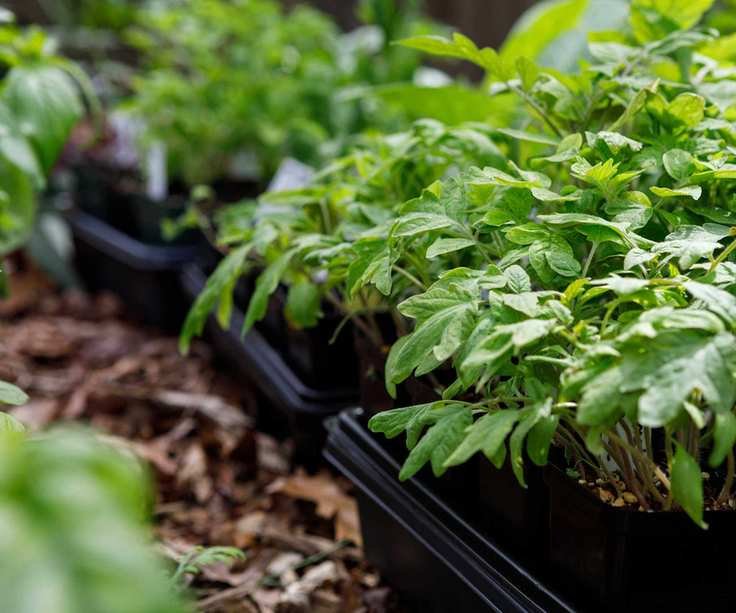
Hardening off plants helps them adjust to their final planting location.
Rebecca Sears explains that hardening off involves acclimating plants to outdoor elements like sunlight and wind. This gradual exposure builds their resilience, allowing them to flourish in your garden.
Amy Enfield elaborates that this process enhances the strength of plant cell walls, resulting in sturdier stems that can endure wind. It also promotes thicker cuticle layers to minimize water loss and shield against sunburn.
Acclimated plants establish robust root systems quickly, leading to healthy above-ground growth and reducing the risk of transplant shock, which can manifest as stunted growth or yellow leaves.
If you're sowing seeds indoors this season, this step is essential for ensuring their health. Additionally, plants that were indoors during winter also benefit from hardening off.


Consequences of Skipping Hardening Off
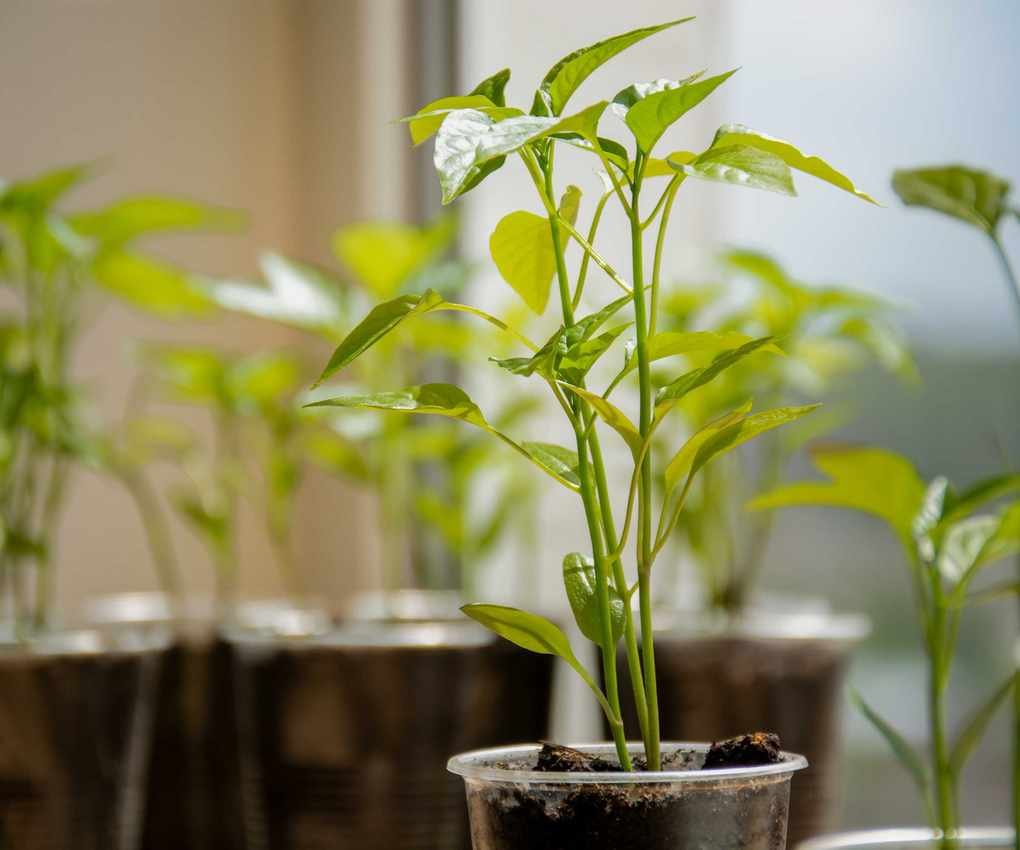
Neglecting to harden off can lead to negative outcomes for young plants.
Justin Hancock warns that moving a plant directly from a greenhouse or indoors to outside can cause significant stress. This abrupt change may lead to wilting, sunburn, or even death in vulnerable plants.
Exposing plants suddenly to extreme temperatures and direct sunlight can result in detrimental effects, further emphasizing the need for a gradual transition.
Which Plants Need Hardening Off?
Rebecca recommends hardening off any plant grown in controlled settings, especially tender annuals like cucumbers, basil, and zinnias. This step is particularly important for seedlings started under grow lights, which may not be prepared for intense sunlight.
Justin adds that younger or more stressed plants gain the most from hardening off. Seedlings, in particular, need this process far more than well-established plants.
Plants that have been overwintered indoors, like pelargoniums, also require gradual exposure before returning to outdoor conditions.
Do Nursery Shrubs Need Hardening Off?
It depends on their growing conditions at the nursery. If shrubs and trees were raised outdoors, they typically don't need further acclimatization.
Many hardy perennials grown outside usually don't require hardening off unless they were raised in a greenhouse.
While hardening off seedlings is beneficial, remember there are additional steps to ensure healthy plants, starting from germination.
Amy emphasizes the importance of creating the right environment during transplanting to enhance plant performance. Opt for quality soil in raised beds, and maintain regular watering while monitoring for garden pests. Knowing how to manage issues like slugs is especially crucial for young plants, and there are many natural solutions available.
Additionally, ensure your plants receive adequate nutrients by regularly feeding them with products like Miracle-Gro Organic™ Plant Food [available from Amazon], which supports healthy growth both above and below the soil.



