

While deer might appear harmless, they can be a persistent issue for many gardeners. These animals enjoy a variety of plants and will readily consume leaves, flowers, and even tree bark.
While tall fences are the most effective way to keep deer out, there are also quick and simple DIY tricks you can implement. These methods often rely on unpleasant scents or visual scares and won't break the bank.
We reached out to gardening professionals for their top DIY pest control techniques against deer. Below are their recommendations, including what to avoid.
Grow Strongly-Scented Herbs
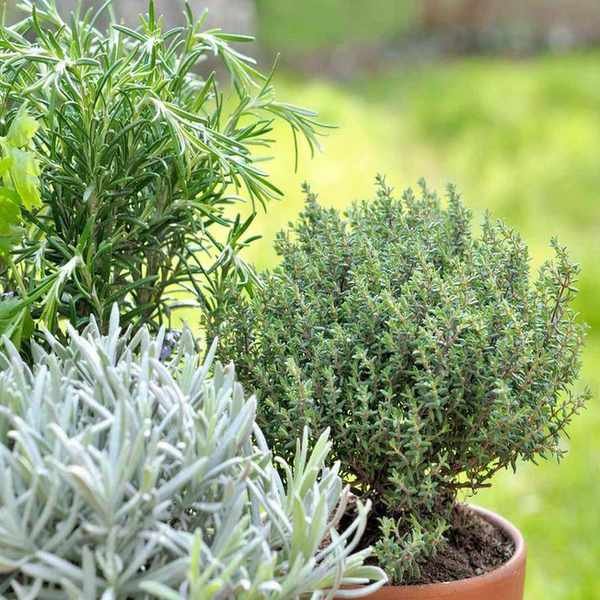
Strongly-scented herbs can deter deer.
A gardening expert suggests planting fragrant herbs around your garden's edge to deter deer. Scents from plants like lavender, mint, rosemary, oregano, sage, and thyme are unappealing to them.
These herbs not only enhance your garden but are usually easy to care for and can be used in cooking.
While you can purchase small pots of herbs for quick planting, many can also be cultivated from seeds. Check out a herb seed bundle that includes ten varieties.
The strong scents can also help repel other pests; for example, peppermint can deter squirrels, while thyme and basil may ward off mosquitoes and other insects.
Make Your Own Spray
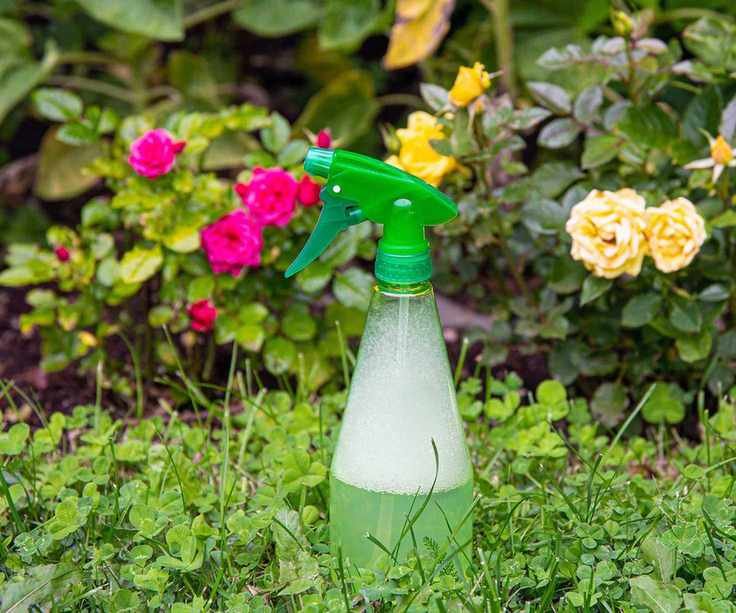
Create a deer-repelling spray from common items.
Using additional scents that repel garden pests is also an option. An effective DIY spray can be made from everyday household items.
A blend of hot sauce, garlic powder, dish soap, and water can be sprayed around plants and along garden borders. The strong smells and flavors keep deer from feeding in those areas, and it's an inexpensive method that can be reapplied regularly.
Another expert recommends switching up your repellent every few weeks. If deer get used to one scent, they may ignore it, especially if food is scarce.
Used coffee grounds can serve as an alternative deterrent. Sprinkle them around your plants to help keep deer and some insect pests at bay.
Utilize Visual Deterrents
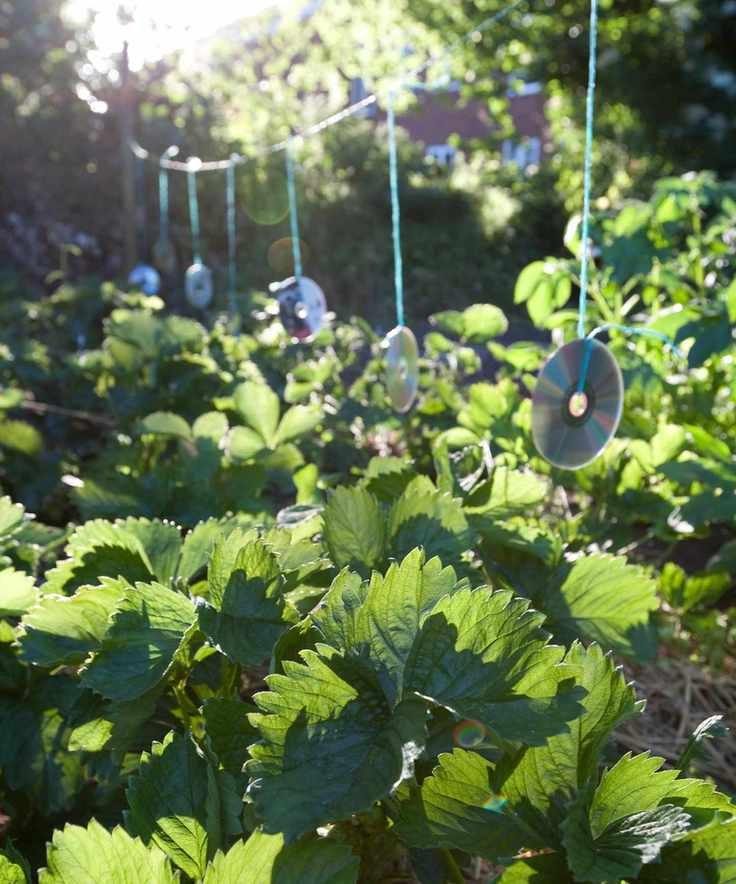
Reflective items can deter deer and birds.
Since deer are generally wary, startling them with moving objects and shiny surfaces can help keep them away. They instinctively look for signs of danger, and anything that flashes or moves can resemble a predator.
This method can be as simple as gathering shiny materials from around your home. Items like aluminum pie pans, old CDs, or reflective streamers work well. You'll also need some string to hang them.
Punch holes in the pie pans for stringing them up. Hanging two pie pans back-to-back can create noise in the wind, adding to the deterrent effect. For CDs, just thread a string through the hole.
Once assembled, hang them from tree branches, fences, or hooks around your garden, ensuring they can sway freely in the wind. Changing their locations occasionally can prevent deer from becoming accustomed to their presence.
What to Avoid When Deterring Deer
It's crucial to steer clear of methods that could harm wildlife or pets, like harmful chemicals or dangerous objects. Opt for humane deterrents that ensure safety for both animals and your plants.
Additionally, don't rely solely on scent-based deterrents during winter. While aromatic plants and sprays can be effective during most seasons, their effectiveness can diminish in late winter or early spring when food is limited. In these situations, consider adding physical barriers like fencing to safeguard your garden.
Combining various approaches often yields the best results. As experts suggest, rotating deterrents helps keep deer guessing and prevents them from becoming familiar with any single method.
Enhancing your yard with deer-resistant plants is another strategy. Consider bulbs like daffodils, alliums, and hyacinths; they typically require minimal care once established.
Deer aren't the only pests that can challenge your gardening efforts. For additional pest-control strategies, explore ways to manage gophers or deter coyotes from your property.



