
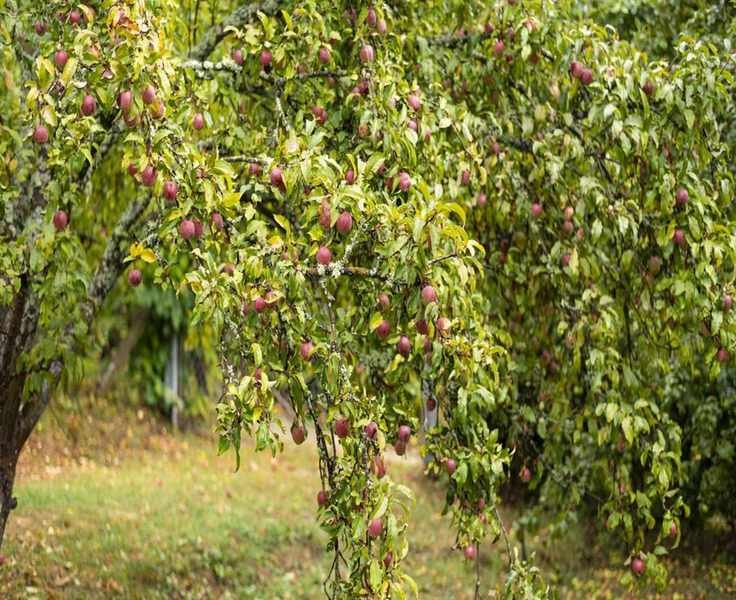
Spring frosts can wreak havoc on tender fruit tree blossoms. When buds begin to develop, they become vulnerable; a late frost can ruin your chances for a fruitful harvest. Knowing how to shield your fruit trees from frost is essential.
Additionally, young trees and those in pots are at higher risk during winter. Even resilient varieties can suffer under extreme conditions, but fortunately, there are practical methods to shield them from freezing temperatures.
Don't let frost claim your fruit trees; follow these straightforward strategies. This guide outlines how to effectively protect fruit trees from frost, whether during winter or spring, ensuring that your harvest remains intact.
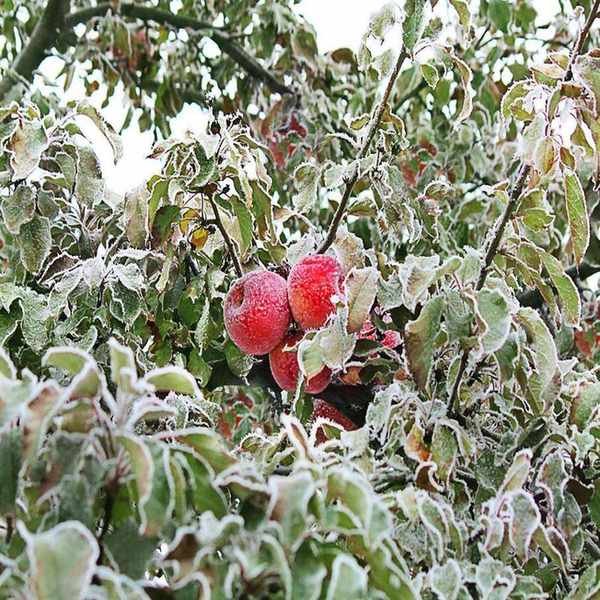
Is Frost Protection Necessary for Fruit Trees?
While many fruit trees are hardy and can withstand winter, there are instances where frost protection is beneficial.
Strategies for Winter Frost Protection
When selecting fruit trees for your garden, always choose varieties suitable for your climate. However, even robust trees can be affected by significant temperature drops. Young, recently planted, or potted trees require extra protection from frost.
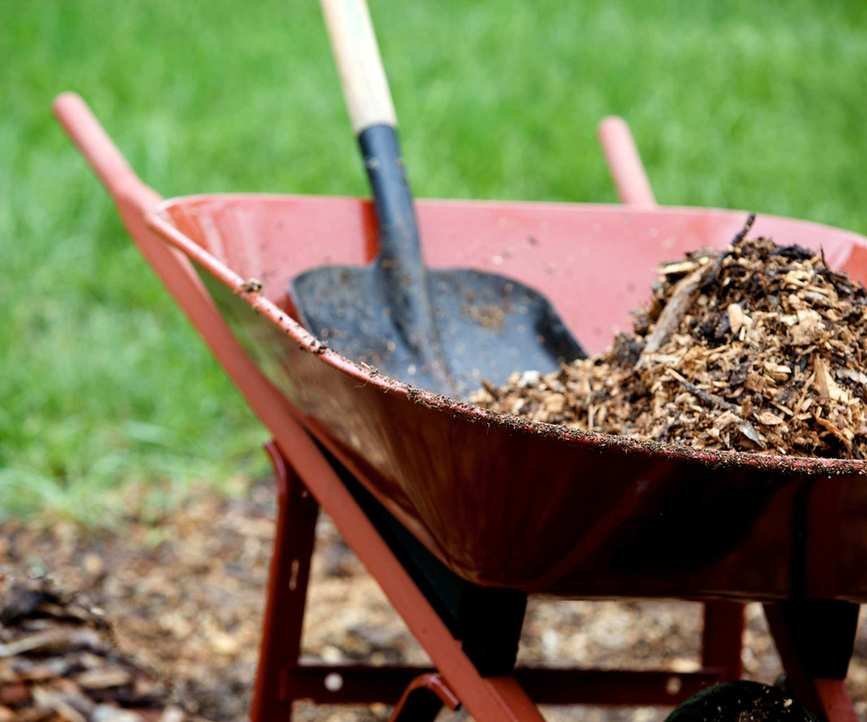
- Mulching - To guard against frost, apply mulch generously around your trees. A thick layer of mulch will keep the soil warm and shield the roots from harsh winter conditions. Aim for a 2-3 inch layer to help retain warmth and prevent soil freezing. Use organic materials like compost, leaf mold, straw, or bark, and ensure a clear space around the trunk to avoid rot. Plan ahead and apply mulch before the first frost hits, based on your hardiness zone.
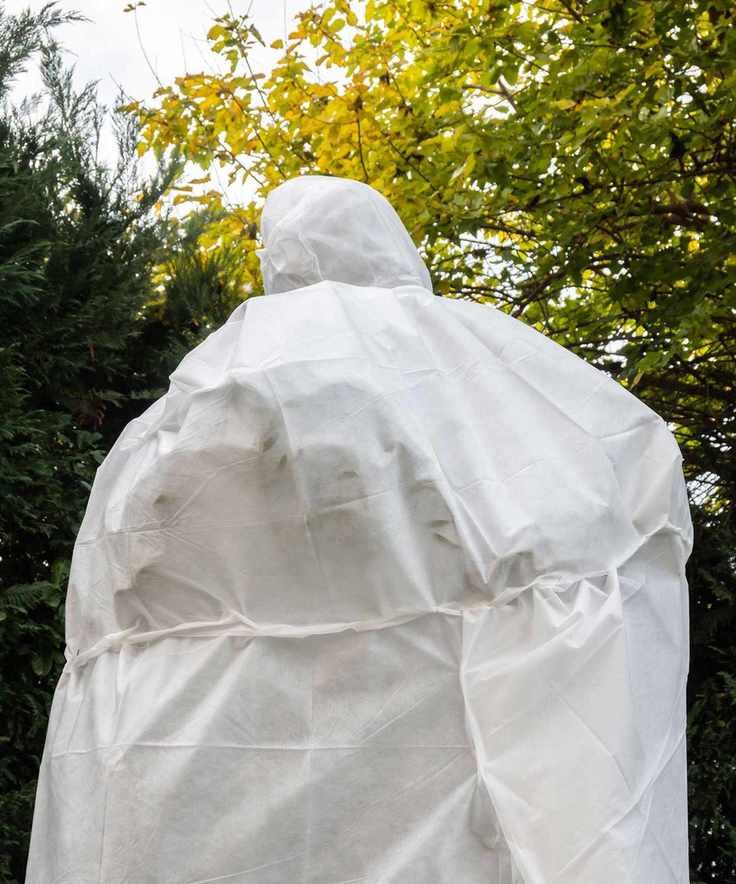
- Cover Young Trees - Young trees are more vulnerable to frost damage. If you've planted trees in the fall, protect them in their first winter. Use frost cloth or horticultural fleece to cover the trees when heavy frosts are forecasted. Secure it with string or bungee cords, and consider weighing it down for extra stability. There are ready-made covers available that simplify the process. Remove covers once the frost has passed.
- Insulate or Move Pots - Fruit trees in pots need extra care during winter. Their roots are especially susceptible to freezing. Relocate pots to sheltered areas and wrap the trees in frost cloth or burlap. Adding mulch around the pots is another effective method to keep the roots warm.
Products to Help Shield Fruit Trees from Frost
Frost Covers
These lightweight frost covers protect fruit trees from freezing temperatures and snow, featuring convenient zip and drawstring designs for quick setup.
Frost Cloth
A durable 10x30 ft frost cloth that wraps around trees to offer effective protection against the cold.
All Natural Mulch
Organic mulch made from natural materials to insulate the roots of fruit trees from frost.
Spring Frost Protection Techniques
Early spring freezes can damage blossoms and hinder fruit development. If a warm spell is followed by freezing temperatures, your trees can suffer severe damage.
In addition to moving container-grown trees to sheltered spots, consider these methods for protecting fruit trees from frost-related harm:
- Cover Trees - The easiest way to safeguard trees is to cover them during frost alerts. Use frost cloth or burlap to create insulation from the warmer air trapped inside. Ensure the cover stays off the flowers and reaches the ground for maximum protection. Adding a second layer can enhance heat retention. Remove the covering once the frost has passed and temperatures rise.
- Water Trees - This may sound unusual, but watering trees at night with sprinklers can help protect them from frost. As water freezes, it releases heat, creating an insulating layer around blossoms. A fine mist throughout the night can keep delicate blossoms protected under a thin ice layer. Proper execution is key.
- Select Late-Flowering Varieties - If you live in areas prone to late frosts, choose late-flowering or frost-resistant fruit tree varieties to minimize frost risks. Researching hardier options will ensure your trees withstand potential cold snaps.
FAQs
Should I Cover Strawberries for Frost?
Strawberries are resilient and can survive winter outdoors. However, late spring frosts can damage early-blooming varieties. Protect strawberries by covering them with frost cloth or plastic row covers before a frost to trap heat.
Is it Safe to Prune Fruit Trees During Frost?
Many fruit trees, like apples and pears, are pruned while dormant in winter. However, stone fruits should be trimmed in spring or summer during active growth. Avoid pruning during severe cold or heavy frost.
Indoor fruit trees can be protected from frost but should return outdoors once the weather is favorable. When growing fruit trees indoors, such as in greenhouses, they may need extra assistance to ensure a successful yield.
Due to limited pollinators indoors during spring, hand-pollination may be necessary for fruit set. You can easily hand-pollinate using a small paintbrush or cotton swab to transfer pollen from male to female flowers.



