As summer blooms, outdoor dining becomes popular, but so do unwanted pests. This season is perfect for exploring natural pest control techniques to keep your home and garden bug-free.
While we know coffee grounds benefit plant growth and even clean furniture, they're also known for producing a fragrance that bugs dislike.
Experts weigh in on the effectiveness of coffee grounds in pest deterrence and how burnt coffee grounds can help keep insects at bay.
Can coffee grounds repel insects?
"Coffee's strong scent is delightful to humans, but it's off-putting to many insects; burning coffee can repel mosquitoes, ants, slugs, and some beetles," explains Kayla Stavridis. "The nitrogen content in coffee grounds can also be toxic to some insects, boosting their repelling power."
How effective are burnt coffee grounds?
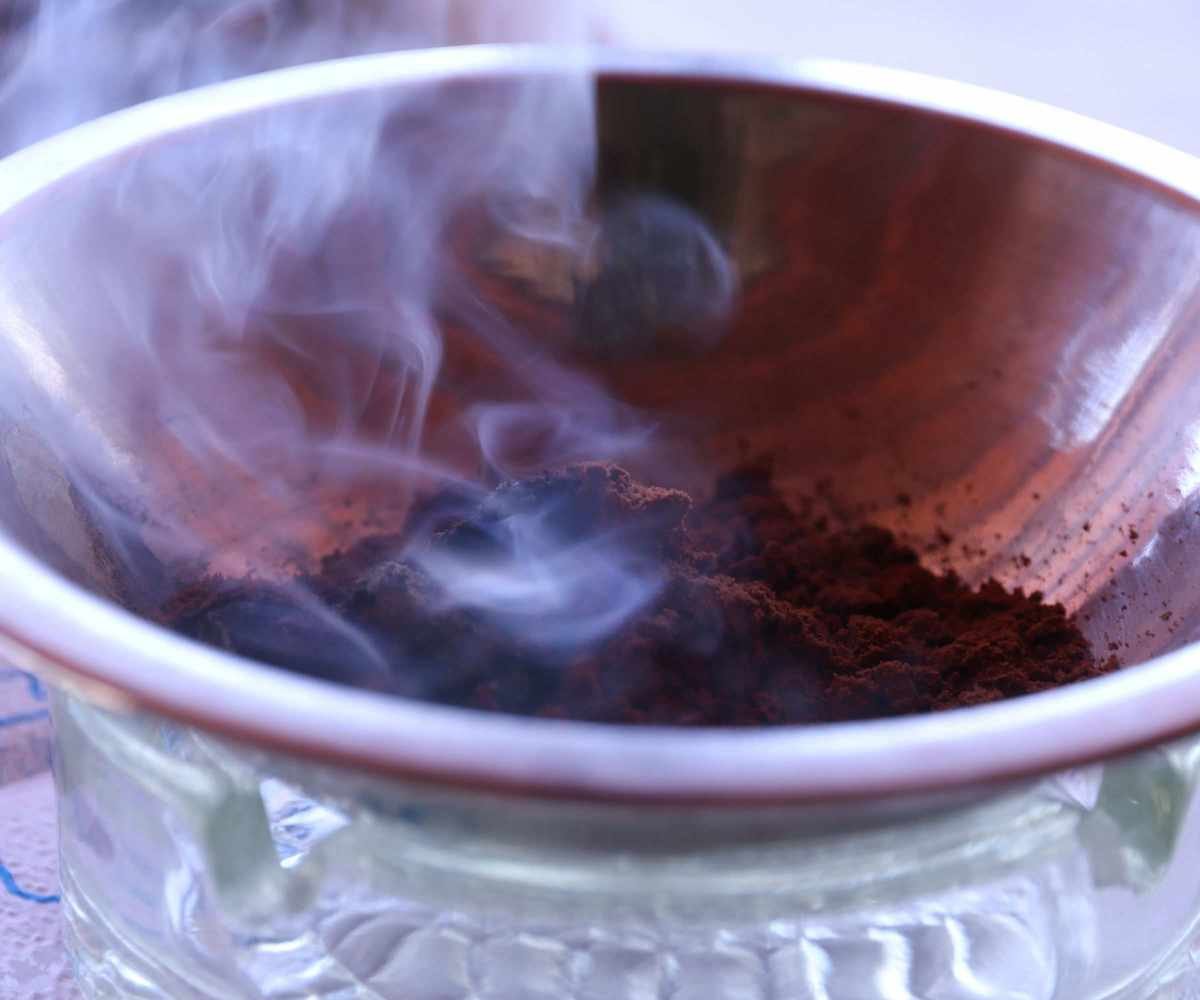
According to Guy Halverson from a pest control firm, several studies have examined the effects of burnt coffee grounds on insects.
"Coffee grounds possess compounds like caffeine and diterpenes that work as natural insecticides. Their scent intensifies when burned, creating a potent aroma that drives pests away. They mask the scents that attract insects, complicating their search for food sources," he notes.
Jeremy Yamaguchi, CEO of a landscaping service, adds: "While coffee grounds can ward off certain pests, they aren't universally effective. They repel insects sensitive to strong scents, which may also deter beneficial pollinators like bees. Additionally, their coarse texture can help keep slugs and snails away from plants."
However, coffee grounds aren't a catch-all solution. Employing a range of strategies, including professional treatments alongside natural methods like coffee grounds, is recommended for thorough pest management.
Utilizing coffee grounds for pest control

There are various methods to use burnt coffee grounds as insect repellents. Experimenting with different applications based on the pests you're facing can be helpful.
To prepare burnt coffee grounds, brew them as usual, then re-brew before placing the grounds in a dry pan to enhance their scent.
Once prepared, you can apply the grounds using the following methods:
- Direct application: "Spread used coffee grounds around outdoor seating or the perimeter of your home where insects are spotted. This is particularly effective against ants, as they avoid walking over coffee grounds."
- In the garden: "Sprinkle coffee grounds around plants to deter pests. Their abrasive and acidic nature keeps snails and slugs at bay."
- Create a barrier: "Place a line of coffee grounds at doorways or windowsills to deter insect activity. Most insects dislike crossing the textured and aromatic grounds."
- Make a spray: "Mix burnt coffee grounds with water in a spray bottle to apply to infested areas."
- Indoor use: "For indoor pests, place coffee grounds in small containers in corners or cabinets where pests appear. Watch for moisture, as it can lead to mold growth."
Hula Home Continuous Spray Bottle | Was $14.99, now $7.99 at Amazon
Different strategies for various pests

A.H David, a pest control expert, explains that the effectiveness of coffee grounds relies on the type of insect.
- Ants: Coffee grounds can effectively combat ants due to their strong aroma and acidity. Sprinkling them around problem areas disrupts ants' scent trails, making navigation difficult and reducing their numbers.
- Slugs and snails: Coffee grounds create a deterrent barrier against soft-bodied pests like slugs and snails, which avoid crossing them. This technique protects plants like hostas and lettuce.
- Mosquitoes, bees, and wasps: Coffee grounds can be burned like incense to repel flying pests. Simply dry some grounds and burn them in a heat-proof bowl until they produce smoke, driving mosquitoes away.
Effective coffee ground tips
Refresh regularly: "Coffee grounds lose effectiveness when they dry out, so replace them often, especially after rain or if they appear dry," advises Stavridis.
Combine with other repellents: "Mixing coffee grounds with natural repellents like cinnamon or peppermint oil can increase effectiveness and enhance scent."
Can coffee grounds be used in wood burners?
Absolutely! Coffee grounds can be burned in wood burners. Coffee logs, made from compacted grounds, burn well in wood-burning stoves and biomass boilers, reportedly producing more heat and subtle aroma than wood logs.
Do coffee grounds benefit plants?
While using coffee grounds for pest control, you might also wonder if they benefit plants. The answer is yes.
"Coffee grounds improve soil health by adding organic material that enhances drainage, water retention, and aeration. This creates a healthier environment for plants, boosting their resilience to pests," explains an expert.
They are nitrogen-rich, acting as a natural fertilizer for your garden. Grounds can be mixed into soil or added to compost piles. However, use them sparingly to avoid altering soil pH, which could harm plants preferring neutral or alkaline conditions.
Incorporating coffee grounds into your gardening routine can be highly beneficial when used appropriately.
Although coffee grounds aren't a universal solution for pest control, they can be a valuable component of your bug-repelling strategy, especially when used alongside other methods. They provide a natural, safe, and budget-friendly approach to managing pests in your spaces.