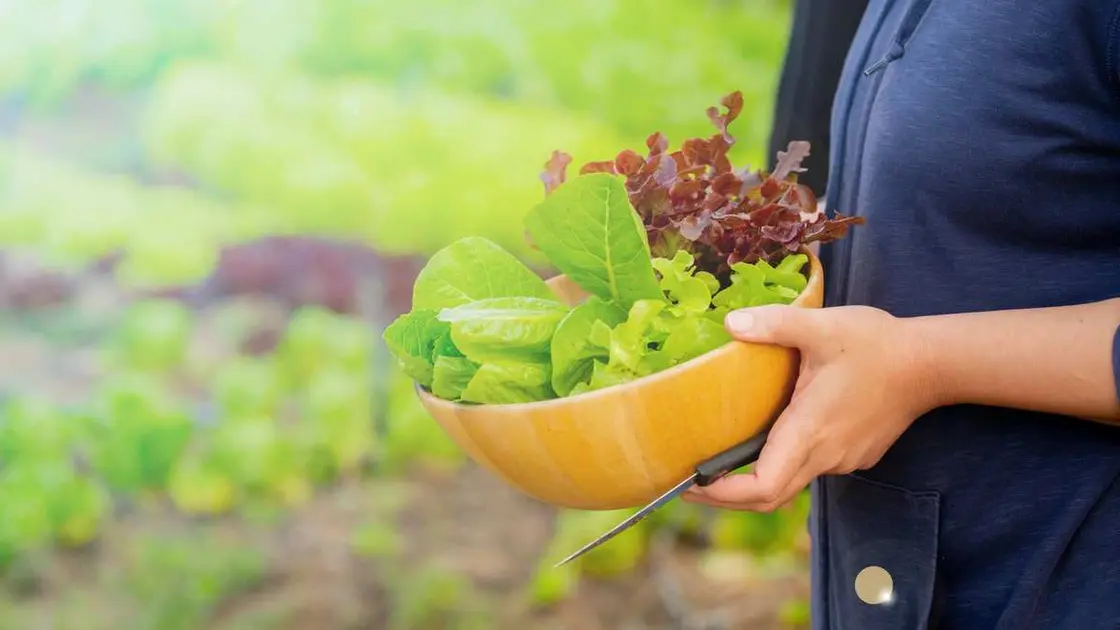
If you're growing crops at home or planning to start a vegetable garden, cut-and-come-again vegetables should be a priority. These easy-to-cultivate plants yield a steady supply of fresh produce without significant investment, offering weeks or months of harvests.
These vegetables either keep producing stems for continuous cutting or sprout new leaves as you harvest the mature ones. Even if space is tight, you can grow them in pots or window boxes.
As a former professional kitchen gardener, I frequently included cut-and-come-again varieties in my planting plans. Whether I was cultivating them for chefs or selling to visitors, these crops consistently delivered ample harvests for the cost of just a few seeds. Here are seven standout cut-and-come-again vegetables suitable for gardens of any size.
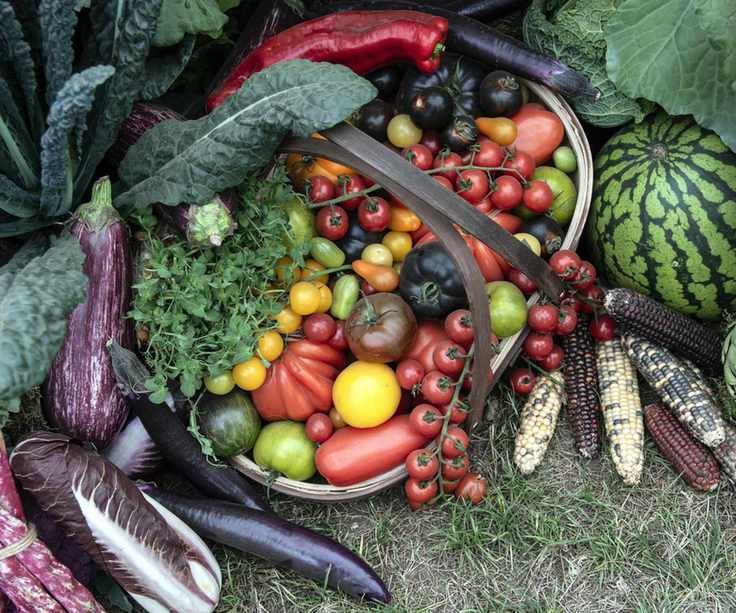
Understanding Cut-and-Come-Again Vegetables
Not all vegetables with extended harvesting periods qualify as cut-and-come-again. While beans, tomatoes, and cucumbers yield multiple harvests throughout the season, they don't fit this specific category.
However, I always included multiple-harvest plants alongside the cut-and-come-again options listed here:
Seven Best Cut-and-Come-Again Vegetables
This list isn't exhaustive, as many vegetables can be harvested multiple times. However, these selections are sure to provide you with lasting yields.
1. Swiss Chard
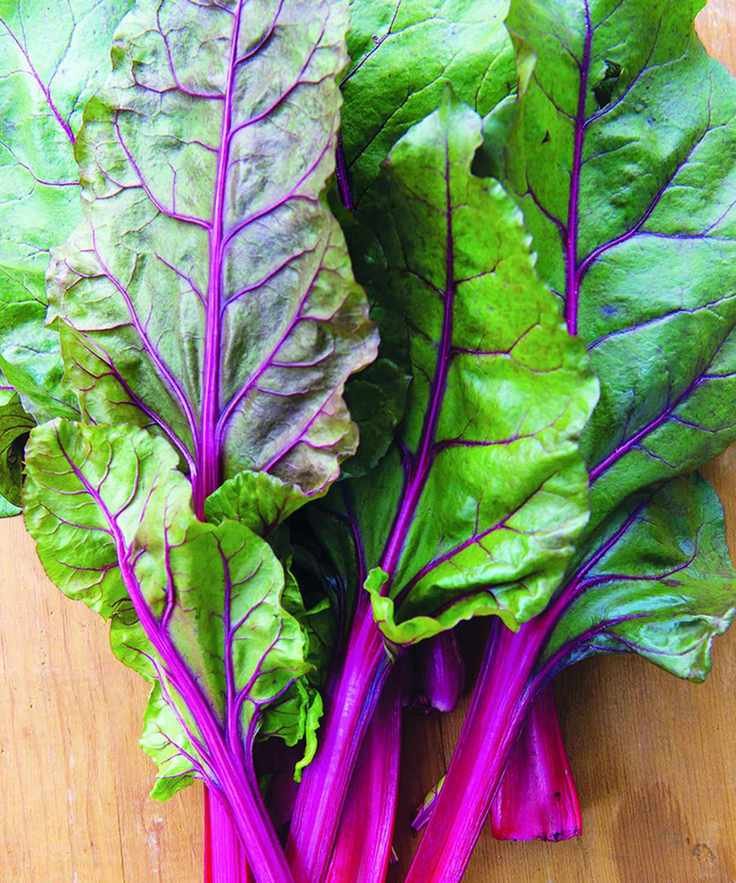
Swiss chard has been a staple in my gardens for years. It's visually appealing, easy to grow, and offers a continuous supply of stems for months.
Plant seeds in spring for summer to fall harvests and again in midsummer for a second round. With protection, it can even survive winter and continue producing in spring.
To harvest, simply pick outer leaves and cut stems at the base using sharp shears, allowing inner leaves to flourish.
2. Lettuce
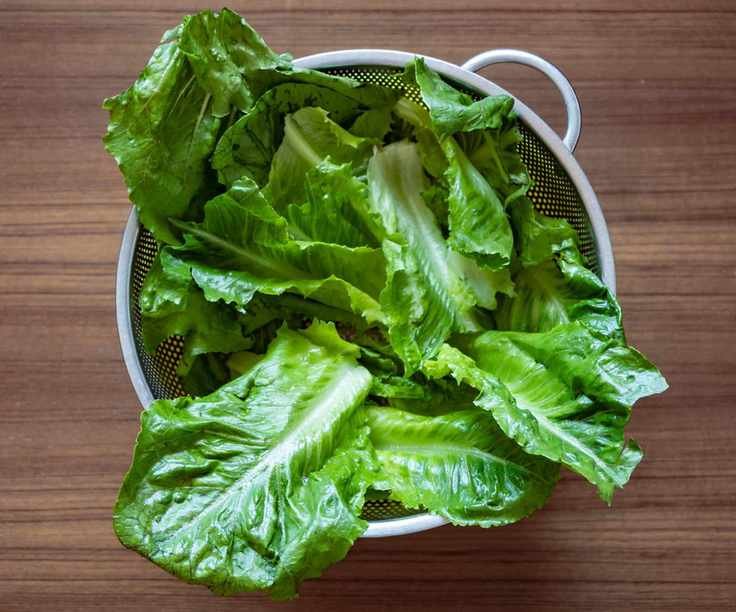
Lettuce is perhaps the most recognized cut-and-come-again vegetable, often the first choice for new gardeners. This quick-growing variety thrives in outdoor beds, containers, or even windowsills, making it easy to harvest fresh leaves for salads.
You can plant lettuce from spring through late summer, with first leaves ready in as little as 30 days. Loose-leaf varieties work best for continuous picking.
3. Kale
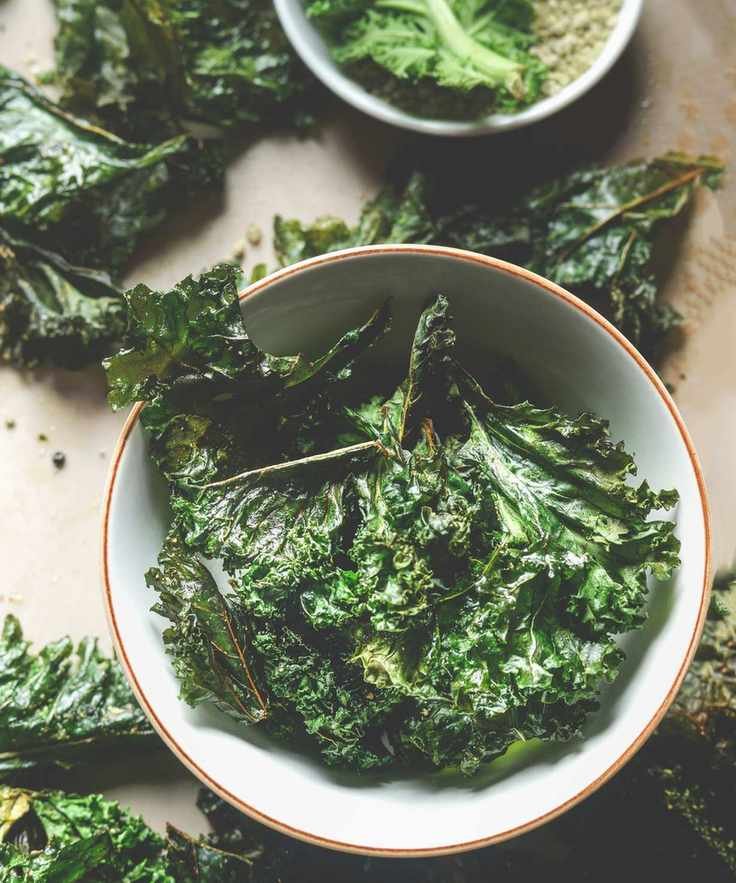
Known as a superfood, kale is another excellent cut-and-come-again vegetable. Its leaves are packed with nutrients and can be harvested over an extended period.
This hardy crop can survive winter, with frost enhancing its flavor. Start harvesting by cutting outer leaves while leaving the growing center intact.
4. Broccoli
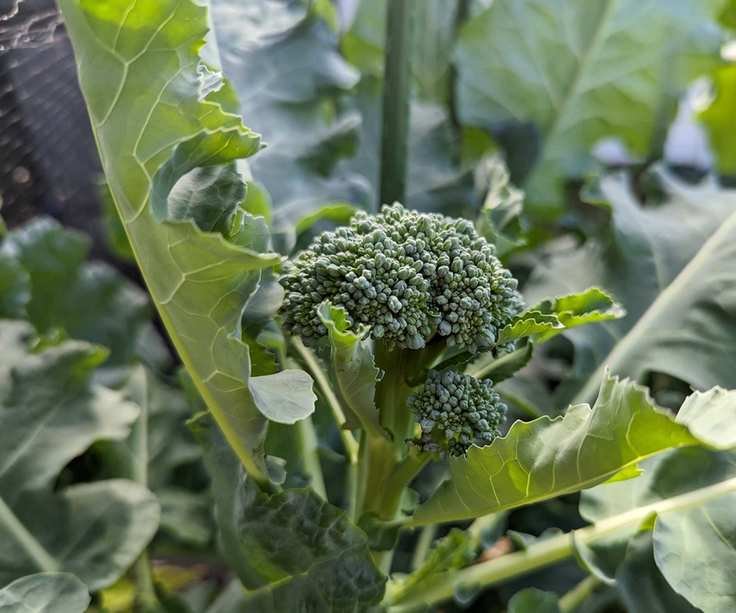
Broccoli offers an initial harvest from its main head, but many don't realize it also produces smaller side stems afterward. You can typically gather three to four additional harvests.
To maximize your yield, prevent the plant from flowering by focusing on side shoots after cutting the main head.
5. Asparagus
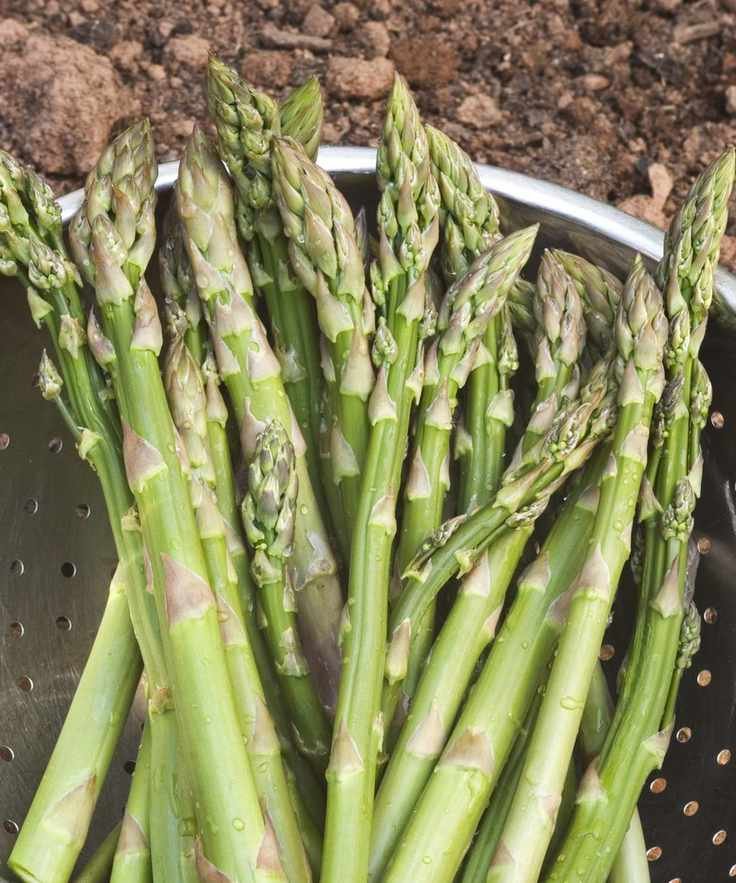
While asparagus requires patience — with a two-year wait for the first harvest — its longevity makes it worthwhile. This perennial can produce for up to 20 years.
Plant crowns in spring or fall, and when spears appear, cut them at 6-10 inches. Regular harvesting encourages new growth.
6. Rhubarb
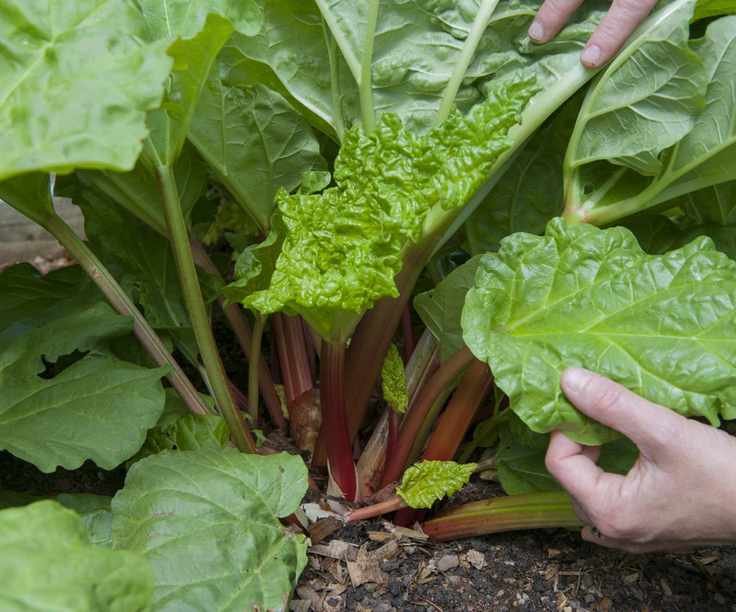
Often classified as a fruit, rhubarb is technically a vegetable worth growing for its tart stalks. You can cultivate it for a decade or more by planting crowns or seeds.
Harvest by pulling the stems rather than cutting, which helps maintain the plant's health. This method allows for continuous production throughout the season.
7. Arugula
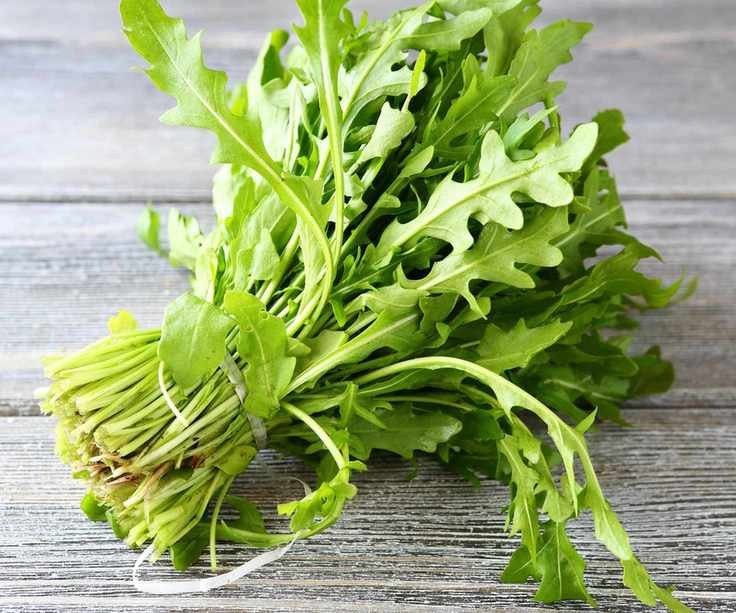
Arugula is one of the simplest vegetables to grow and ideal for quick, repeated harvests. This peppery green is best enjoyed fresh from the garden.
Start planting in spring, and pick leaves when they reach three inches, ensuring you remove older leaves first to promote new growth.
Is spinach a cut-and-come-again vegetable?
Yes, you can grow spinach as a cut-and-come-again crop. Harvest outer leaves with shears or by pinching the stems; baby leaves are ready in about a month.
Can bok choy be harvested multiple times?
Bok choy can be harvested as a cut-and-come-again vegetable. By taking outer leaves and allowing the center to remain intact, the plant will continue to regrow.
While cabbage isn't a cut-and-come-again vegetable, you can encourage a second harvest by cutting the head from the stem and making an 'X' on the top to stimulate growth.
This Fiskars harvesting knife features a precision-ground blade, perfect for quick cuts. These Felco snips are ideal for trimming smaller stems, and garden hods make cleaning your harvest a breeze.