
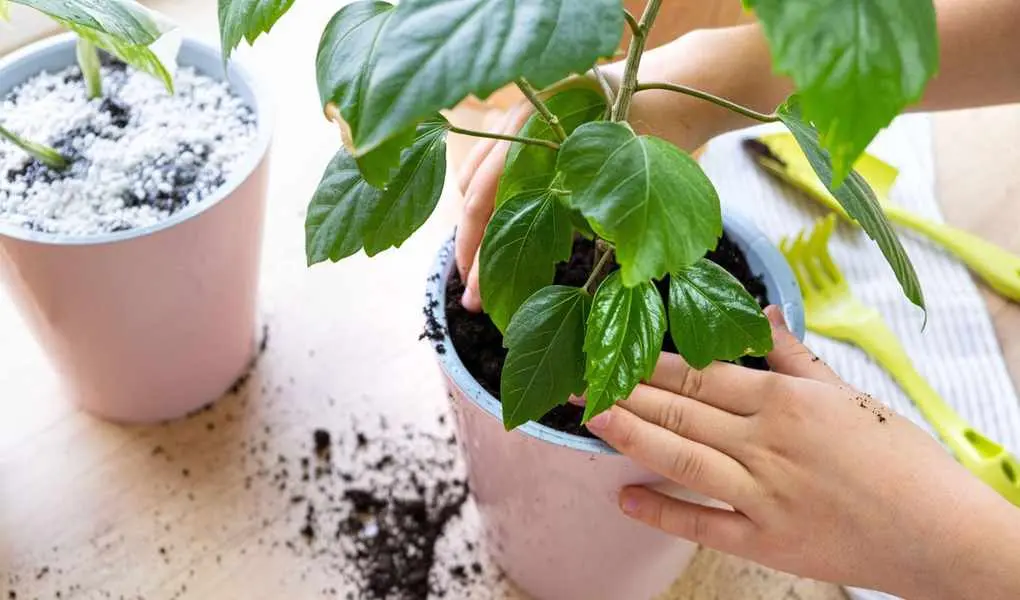
Houseplants can attract various pests, but those that burrow into the soil are often hard to detect. These hidden bugs can be difficult to eliminate.
While some common houseplant pests are easily spotted on the plant itself, soil-dwelling bugs can remain unnoticed for extended periods. Tom Hilston, an indoor gardening expert, notes that pests can significantly damage houseplants by feeding on leaves and roots, stealing vital nutrients in the process. Among the most common culprits are aphids, fungus gnats, spider mites, and whiteflies.
Addressing soil pests requires a comprehensive approach that works for various types of bugs. Here are some expert-recommended strategies to help you manage these unwanted guests while enjoying your indoor garden.
Eliminate Bugs from Houseplant Soil Naturally
Even the most resilient indoor plants can fall victim to pest infestations. Fortunately, there are natural methods to rid your plants of these nuisances without resorting to harmful chemicals that could affect your household. Regular inspections of your houseplants for pests, even if they are considered low-maintenance, can save you time and hassle in the future. It's especially crucial to monitor plants during colder months when indoor conditions favor pest proliferation. Familiarizing yourself with winter houseplant care is key to maintaining a healthy collection.
To check for bugs in your houseplant soil, observe the surface as you water. If an infestation exists, tiny insects may surface while watering.
According to Tom, "All pests leave some signs of their presence." For example, fungus gnats will scatter when the plant is disturbed, making them easier to spot. Spider mites might only be visible if you transfer some soil to a paper towel, while aphids and whiteflies are more apparent on the plants and soil. Keeping a vigilant eye on your plants will make it easier to address infestations before they escalate.
1. Water with Hydrogen Peroxide Solution

Hydrogen peroxide serves as a gentle antiseptic and effective disinfectant for various household applications. When diluted with water, it can eliminate bacteria, fungi, viruses, and pests.
To treat your plants, mix three parts water with one part 3% hydrogen peroxide. This solution not only kills bugs and their offspring but also enriches the soil with oxygen, promoting healthy root growth. You can also spray this solution directly on leaves to handle any pests that have moved up from the soil. Avoid using concentrations higher than 10% to prevent harming your plants.
For optimal results, use the hydrogen peroxide solution occasionally and alternate with plain water or rainwater to avoid overexposing your plants' roots to too much oxygen.
2. Apply Diatomaceous Earth
Diatomaceous earth, a finely milled powder derived from fossilized algae, may not sound appealing but effectively combats pests. It can damage the exoskeletons of insects, causing them to dry out while allowing water to permeate the soil.
Sprinkle a light layer of diatomaceous earth on the surface of your potting soil and the drainage tray to capture bugs as they crawl or wash out. Combining this with the hydrogen peroxide treatment is an excellent way to eliminate an infestation.
3. Allow Soil to Dry Out

After flushing out pests, thoroughly drying the soil is vital for maintaining soil health. Sunlight can help — placing your plants outdoors for brief periods can assist, as can withholding water for a few days. Larvae and eggs thrive in moist soil, so drying it out is essential.
This strategy is particularly effective for gnats. Kate Turner, a gardening expert, explains that fungus gnats can be a nuisance, but their larvae can harm seedlings. To prevent them, ensure your compost remains dry, as they prefer damp conditions. If gnats appear, let the compost dry completely before watering again, and consider adding fine grit to the surface. Persistent infestations might require repotting your plant.
4. Prevent the Spread of Bugs in Houseplant Soil

Preventing infestations is the best strategy. Isolating affected plants promptly can help stop bugs from migrating to other pots. Tom recommends using neem oil mixed with water in a spray bottle as an effective pest deterrent. Spraying affected areas can help break down the outer layers of insects.
Additionally, relocating the plants allows you to clean the original area thoroughly, catching any bugs that may have fallen. Regular use of non-toxic organic pesticides like neem oil can also deter infestations and protect your plants and the environment.
Why Are There Bugs in My Plant Soil?
Indoor plants are as vulnerable to pests as those outdoors, sometimes even facing worse infestations due to the absence of beneficial insects like ladybugs that typically keep harmful pests in check.
Bugs often enter homes through open windows or doors, on newly purchased plants, or through infested potting soil. While it's nearly impossible to prevent bugs from entering, taking preventative measures such as using homemade bug sprays and maintaining proper watering routines can help avoid severe infestations.
How Do You Debug Potting Soil?
A quick method for debugging large amounts of potting soil is to submerge it in slightly warm water. Let the soil sit submerged for about 10 minutes to encourage bugs to evacuate.
Be sure to allow the soil to dry thoroughly before watering again.



