
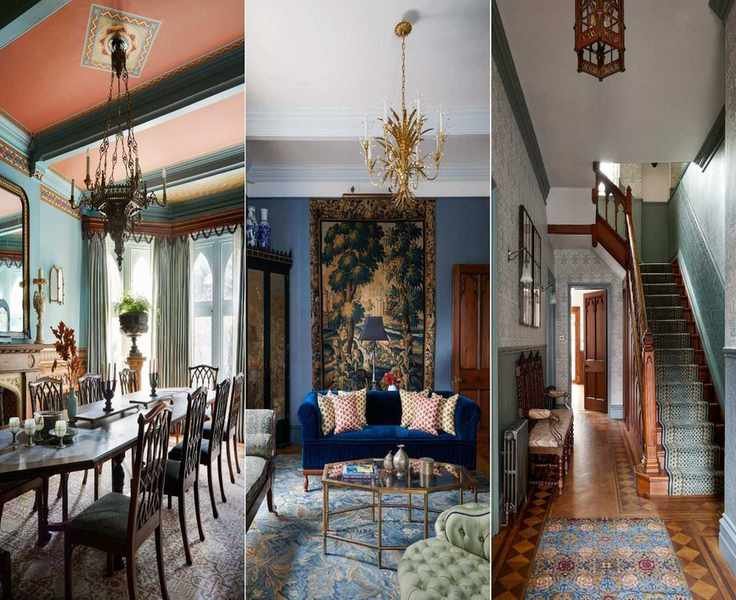
Characterized by deep colors, elaborate architecture, and striking decor, Gothic interior design is gaining traction this year. Whether in historical properties or modern spaces, this aesthetic offers abundant inspiration.
If bright and minimalist designs aren't your style, Gothic decor may resonate with you. This approach emphasizes luxurious, moody spaces that elevate the ambiance of any room.
Introducing this bold style might seem intimidating, so we consulted interior designers for insights on how to seamlessly integrate Gothic elements into your home.
Understanding Gothic Interior Design
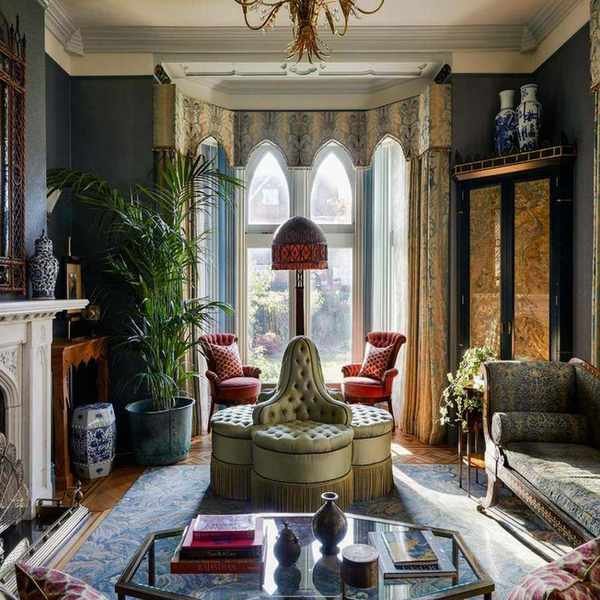
Gothic interior design draws from various historical influences, showcasing dark tones, pointed arches, and rich decorations. As the trend for moody palettes grows, now's an ideal time to adopt this aesthetic.
'Gothic design encapsulates the drama and romanticism of medieval times while ensuring spaces remain inviting and comfortable for today's lifestyles,' notes a designer. 'By carefully choosing architectural elements and decor, these interiors transport you to another era while providing modern conveniences.'
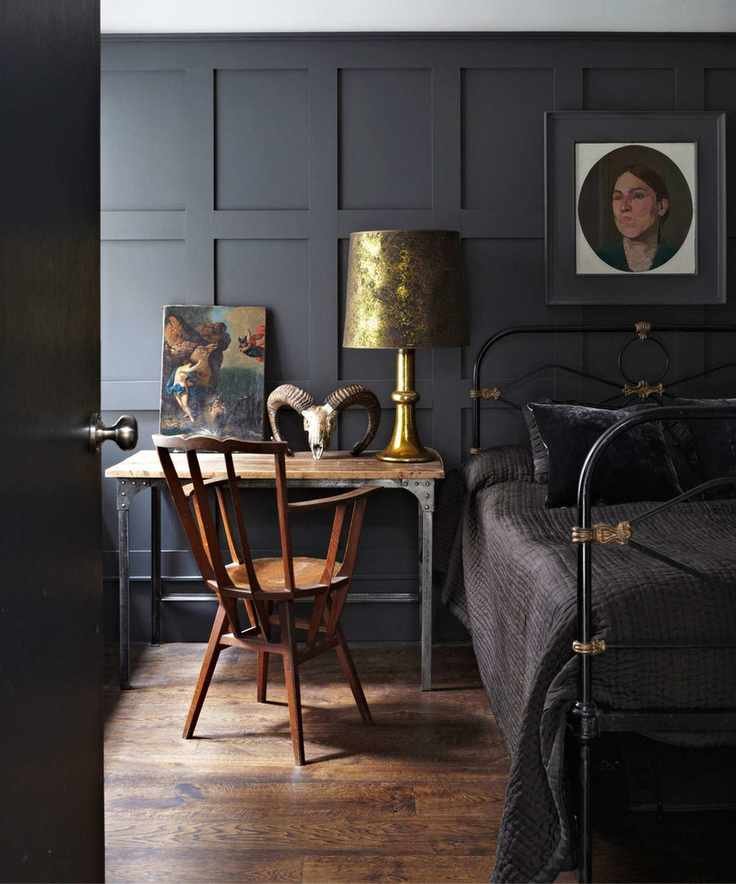
This style features essential components for authenticity. 'Key elements include grand architecture and intricate details, such as high ceilings, pointed arches, and vibrant stained-glass windows, all supported by robust stone structures,' shares another designer.
'The atmosphere benefits from heavy oak furnishings, sumptuous upholstery in dark fabrics, and rich wallpapers adorned with floral patterns or trompe-l'oeil designs.'
Why Gothic Interior Design is on the Rise
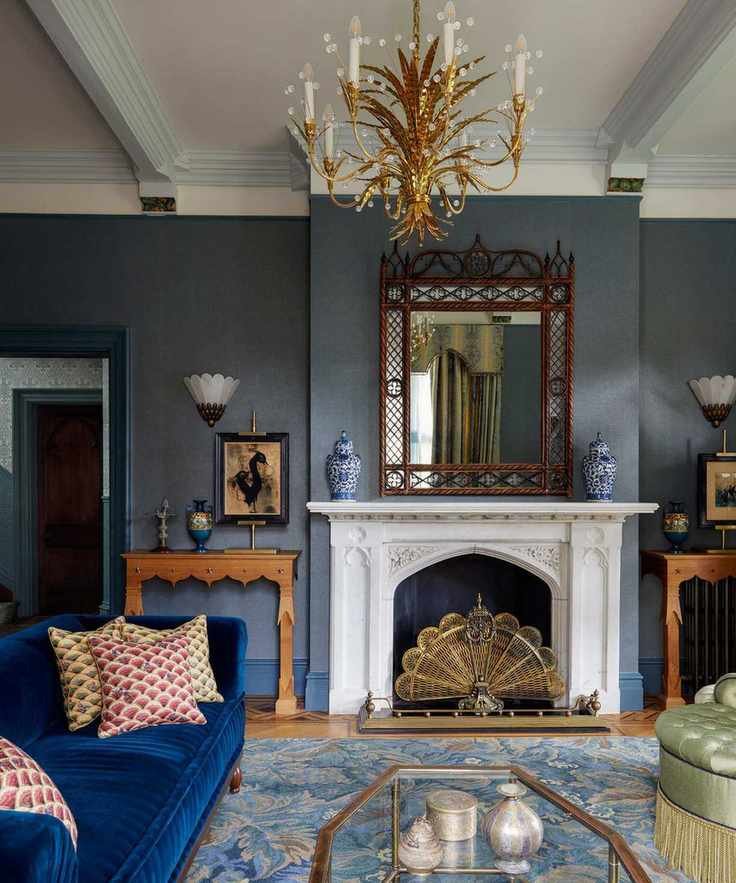
Although Gothic design has long been part of the decor landscape, its resurgence in 2024 can be attributed to a shift away from minimalism. 'People are increasingly looking for spaces that reflect their personalities and offer a sense of sanctuary,' explains a designer.
'While minimalist designs can be visually appealing, they often lack the depth and character that create a welcoming environment. In contrast, Gothic interiors captivate the senses with their opulent textures and intricate details, making them an appealing choice for those wanting a more personalized touch.'
This style encourages the use of vintage and antique decor, allowing homeowners to express their individuality through curated pieces.
Tips for Decorating with Gothic Interior Design
1. Choose a Moody Color Scheme
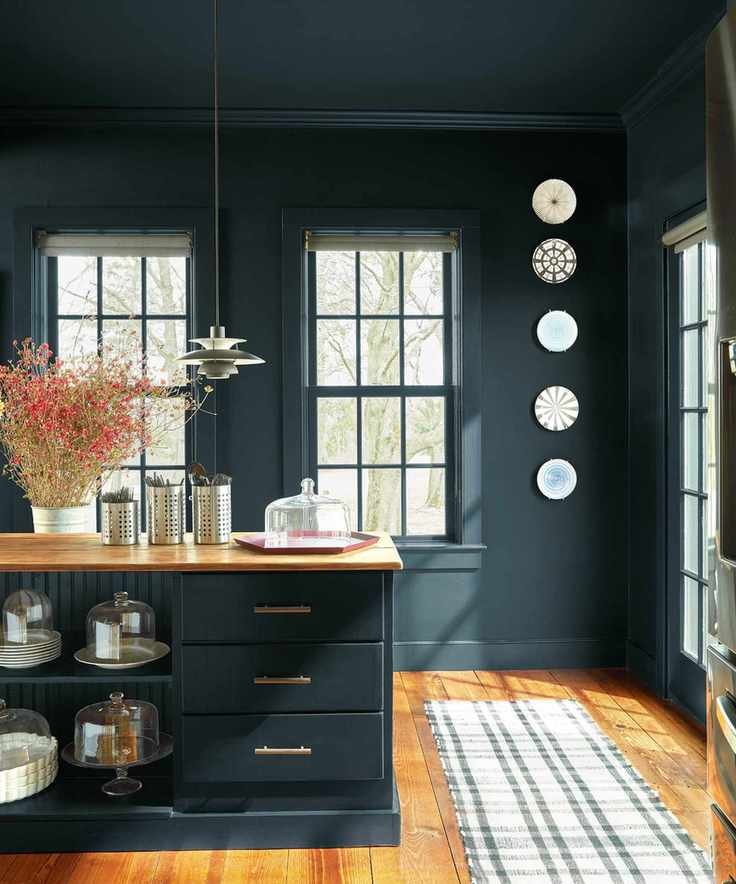
The color palette of Gothic design is typically rich and inviting, with dark shades enhancing the coziness of rooms. Contrary to popular belief, deep tones can brighten spaces rather than dim them.
'Gothic interiors often feature deep hues like burgundy, forest green, and midnight blue, creating an air of luxury,' a designer explains. 'How you style these colors, along with complementary textures, can significantly impact the room's atmosphere.'
Accents in gold, silver, and jewel tones can bring vibrancy to darker hues, while strategic lighting creates a captivating ambiance.
2. Incorporate Gothic Motifs
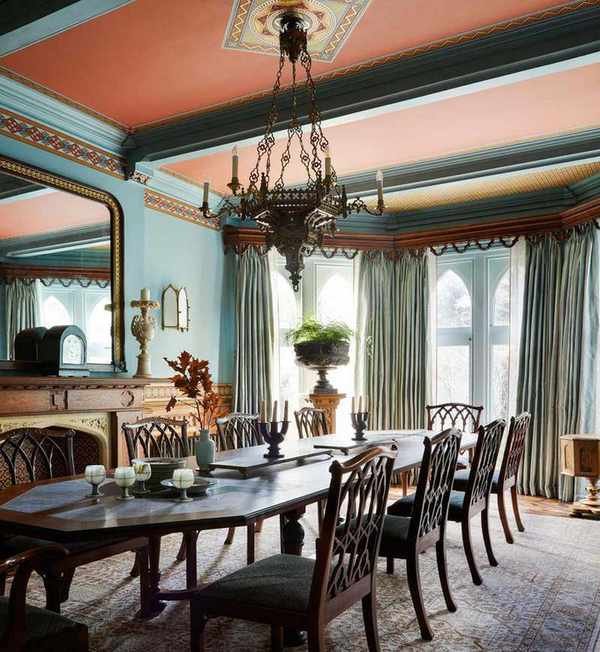
No Gothic-inspired space is complete without motifs characteristic of the style. This might include authentic period furniture, carved wood accents, or decorative gargoyles.
'Ornate cornices in plaster or carved wood capture the medieval grandeur, while contemporary pieces can add a modern twist,' suggests a designer.
Consider how smaller details, like door knockers and light fixtures, can subtly nod to Gothic themes, infusing your space with mystery and charm.
3. Enhance Spaces with Luxurious Decor
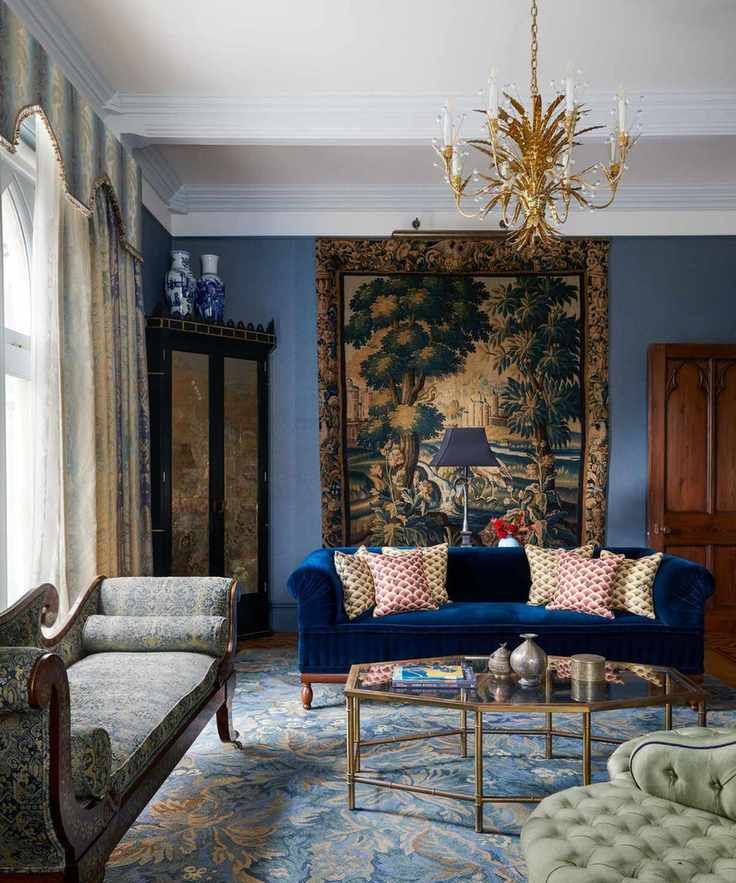
Decor is crucial for crafting unique and inviting spaces. Gothic homes often feature heavy textiles like velvets, which pair beautifully with the style's color schemes.
Using textiles not only as throw blankets but also as wall decor can transform a room's atmosphere.
'Tapestries and rich furniture contribute to a luxurious, cozy vibe, inviting relaxation in a space filled with history,' a designer adds.
4. Merge Original Architecture with Modern Touches
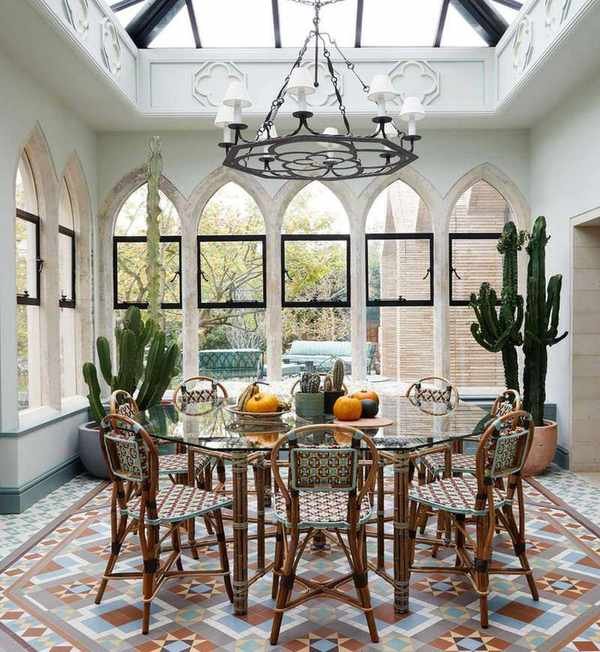
Embracing unique architectural details is key, but it's equally important to include contemporary elements. This blend ensures the style remains relevant.
'We love merging historical features like stone walls and vaulted ceilings with modern furnishings and lighting for a balanced look,' shares a designer. This approach keeps spaces feeling timeless yet connected to the present.
5. Highlight Carved Woodwork
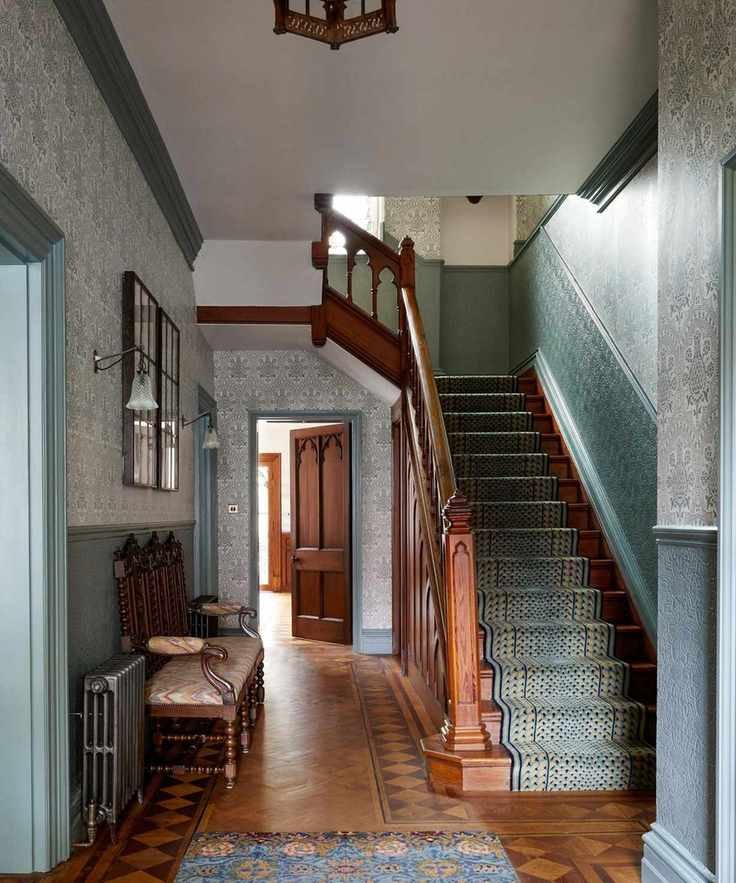
Original Gothic homes showcase intricate woodwork, from wall paneling to fireplace designs. Incorporating these elements captures the essence of Gothic style.
'Intricate woodwork is a hallmark of Gothic interiors, enhancing doors, mantels, and staircases with beautiful patterns,' notes a designer.
A carved mantelpiece can serve as an impactful focal point, whether sourced from a heritage maker or found as an antique.
With its rich color palette, luxurious materials, and blend of historical and contemporary influences, Gothic interior design inspires spaces that are both cozy and inviting. This aesthetic proves that a moody palette can create warmth and charm.



