
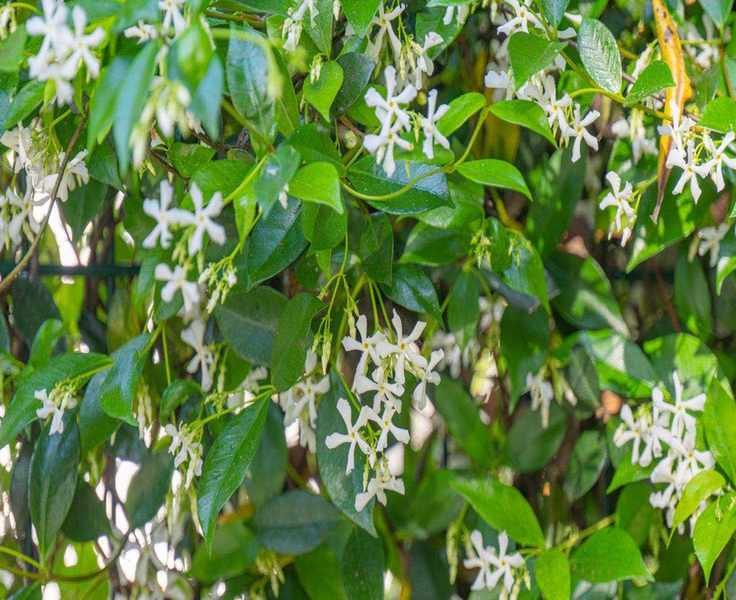
Star jasmine is a favored climbing plant among both novice and seasoned gardeners. I've successfully cultivated star jasmine, or Trachelospermum jasminoides, in containers multiple times and found it to be resilient and adaptable.
Whether your space is a shaded balcony or a sunny patio, this vigorous vine flourishes in pots, especially when trained on a trellis, garden wires, or arches.
If you're seeking an easy-to-grow vine for your container arrangements this season, consider star jasmine. Here's everything I know about nurturing these beloved plants, including essential potting, feeding, and watering tips.
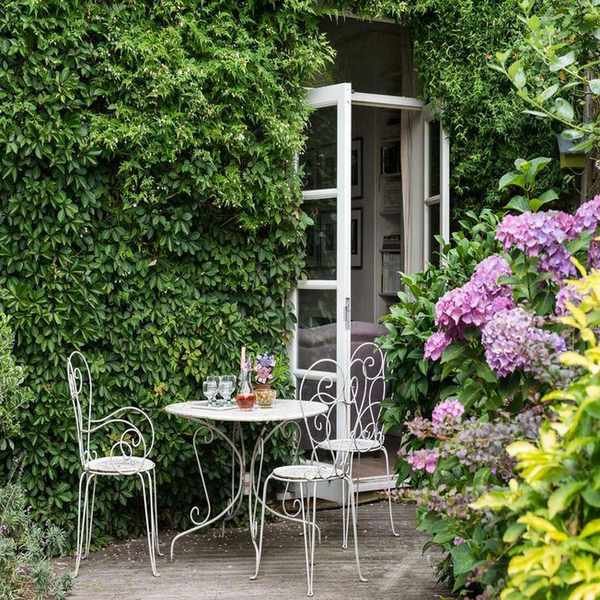
Growing Star Jasmine in Containers
From my experience, star jasmine vines are among the finest climbers for pots. They provide evergreen coverage and fragrant blooms in spring, making them hard to beat.
While they're generally straightforward to grow, there are key guidelines to follow when adding them to your garden.
Tips for Growing Star Jasmine in Pots

This evergreen vine thrives in USDA hardiness zones 7 through 10.
You can purchase live star jasmine vines from Perfect Plants Nursery on Amazon.
Native to eastern and southeastern Asia, I've found star jasmine vines to be very adaptable, thriving in both partial shade and full sunlight.
While some sources suggest they need six to eight hours of direct sunlight, I've successfully grown them in partial shade as long as they receive four hours of sun daily.
Keep in mind, though, that less sunlight may result in fewer blooms, although the evergreen leaves still look attractive.
For container gardening, choose a pot at least 12 inches wide filled with quality potting mix, and consider adding horticultural grit or perlite for better drainage.
Using something like organic potting soil from Whitney Farms, available at Walmart is a good option.
Star jasmine are fast-growing and can reach up to six feet in height within a year. Thus, providing support like trellises or wires is wise.
While the tendrils can cling on their own, it's helpful to initially secure young shoots to supports with garden twine, guiding them to grow where you wish.
Care Tips for Star Jasmine in Containers

Water your plants deeply at least once or twice weekly during spring, increasing frequency as summer temperatures rise.
Avoid letting the pots dry out completely, as this can harm your climbing plants. I typically use a 'touch test' to check if the top inch of soil is dry.
When it comes to fertilizing star jasmine, they don't require heavy feeding, but those in pots usually benefit from a monthly application during the growing period.
Use a general-purpose fertilizer, either liquid or slow-release, preferably one with lower nitrogen (N) and higher phosphorus (P) and potassium (K) levels, like a 3-5-5 ratio, to promote more blooms.
Consider trying an organic bloom booster fertilizer like the one from Espoma, available on Amazon.
Common Questions
Is Star Jasmine Toxic?
Star jasmine belongs to the dogbane family, known scientifically as Apocynaceae. While generally regarded as non-toxic for humans and pets, it's wise to wear gloves while pruning, as the milky sap produced can irritate skin.
Once well-established, star jasmine in pots can yield significant growth annually. Don't hesitate to prune your vines to maintain size, especially in compact gardens.
For further tips, check out my piece on climbing plants that flourish with minimal care, featuring easy options to try this season.
Explore Garden Accessories
Myrtlewood Etched Planter
This elegant 'Myrtlewood Planter' by Gracia Oaks is perfect for your flowering vines, enhancing any outdoor space.
Star Jasmine Live Plant
This pot-grown star jasmine thrives in sunny or partially shaded areas. Remember to water it well upon arrival.
Yardwork Utility Gloves
These gloves will protect your hands while planting and trimming star jasmine this season.



