
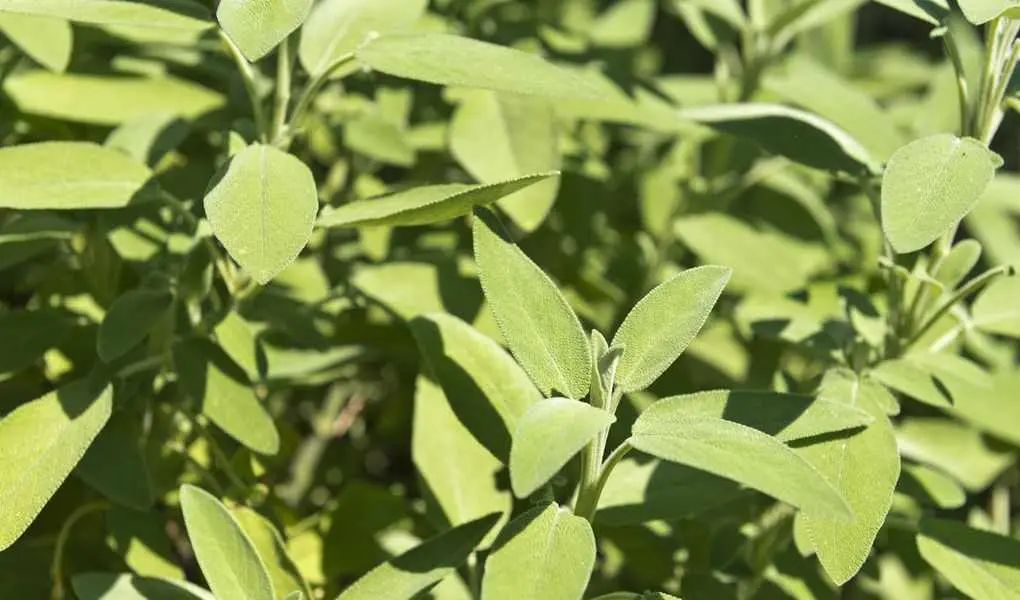
Sage is a wonderful addition to any garden. This hardy, fragrant herb is a favorite of mine, and it pairs beautifully with lavender and rosemary, adding delightful scents to your pots and borders. The best part? Once you have a thriving plant, propagating sage cuttings is a breeze and costs nothing.
During my time in Italy as a gardener, I cultivated several sage patches along the garden path. The gentle, earthy aroma filled the air whenever someone brushed past, and most of those plants originated from cuttings. While it takes some patience compared to purchasing larger plants, the joy of propagation is unmatched.
If you already have a healthy sage plant, why not learn to take cuttings this summer? With my straightforward guide below, you'll be able to expand your herb garden significantly—who wouldn't want that?
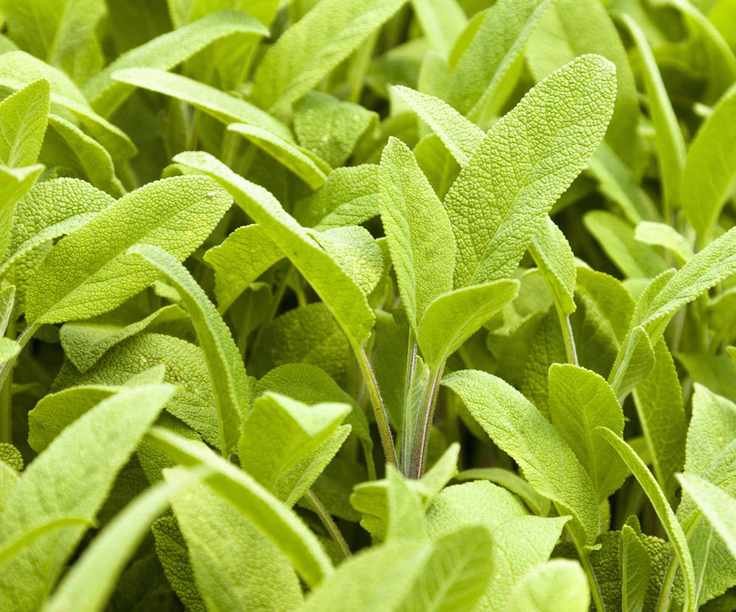
Everything You Need to Know About Sage Propagation
Common garden sage, or Salvia officinalis, is a beloved aromatic herb that thrives in US hardiness zone 4. Being native to the Mediterranean, it flourishes in sunny spots and poor, dry soils, making it a low-maintenance choice for your garden.
If you or a gardening buddy have a healthy sage plant, consider taking cuttings this summer. Here's what I've learned about propagating sage from my gardening experiences.
Optimal Timing for Sage Cuttings

The ideal time to take sage cuttings is during the summer, typically in July or August.
For the best success, aim to cut them on a mild morning. This timing helps because sage, like many plants, retains more moisture in the early hours, reducing the risk of wilting.
Steps to Take Sage Cuttings
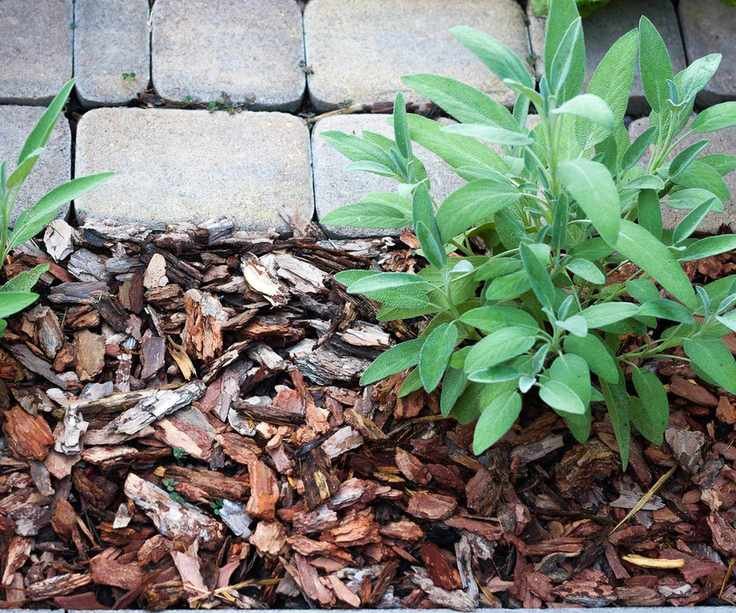
- Start by gathering clean, sharp tools, such as Fiskars snips or a Swiss pocket knife.
- Next, locate healthy green stems. Choose a youthful shoot that appears fresh and vibrant. Cuttings should be at least three inches long, with two or more leaves at the top. Place them in a bucket of water as you work to keep them hydrated.
- Once you have several cuttings, head to your garden shed or greenhouse with your pots and soil. Strip the leaves from each cutting, leaving just two small leaves on top. Trim the bottom at a diagonal just below a leaf joint, which is where roots will begin to form.
- Using rooting hormone can enhance root development, though it's not mandatory. If you choose to use it, dip the bottom half inch of your cuttings in water and then in rooting hormone powder.
- Plant your cuttings in well-draining potting mix, adding grit for better drainage. You can fit four or more cuttings in one small pot, ensuring the leaves don't touch.
- Water the cuttings thoroughly and place them in a cold frame or greenhouse, keeping them out of direct sunlight. Monitor the soil moisture—keep it damp but avoid waterlogging.
- Your cuttings should start rooting within two to three weeks. Gently wiggle them to check for roots. If they've rooted, you can transfer them into individual small pots until next spring.
FAQs
Can Sage Cuttings Root in Water?
Yes, you can attempt to root sage cuttings in water. My experience has been mixed; I've had better success with soil, but it's worth trying.
Simply take your cuttings, remove the lower two-thirds of the stems, and place them in a vase, such as this stylish cutting vase, which supports the stems.
Put the cuttings in a bright spot, and with a bit of luck, you'll see white roots in a few weeks.
There are countless plants you can propagate, and you might be surprised by how enjoyable it is.
Be patient; sometimes cuttings fail for no reason, while others take off in just days. Don't hesitate to try again.
For more inspiration on propagation, check out our guide on taking lantana cuttings and filling your garden with vibrant flowers without spending a dime.
Shop for Propagation Tools
Rooting Powder: This user-friendly rooting powder increases your sage cuttings' chances of success.
Felco Pruning Shears: Durable and effective, these Felco snips are ideal for harvesting sage cuttings.
Organic Seed Starter: This premium organic potting mix is perfect for nurturing young cuttings.



