
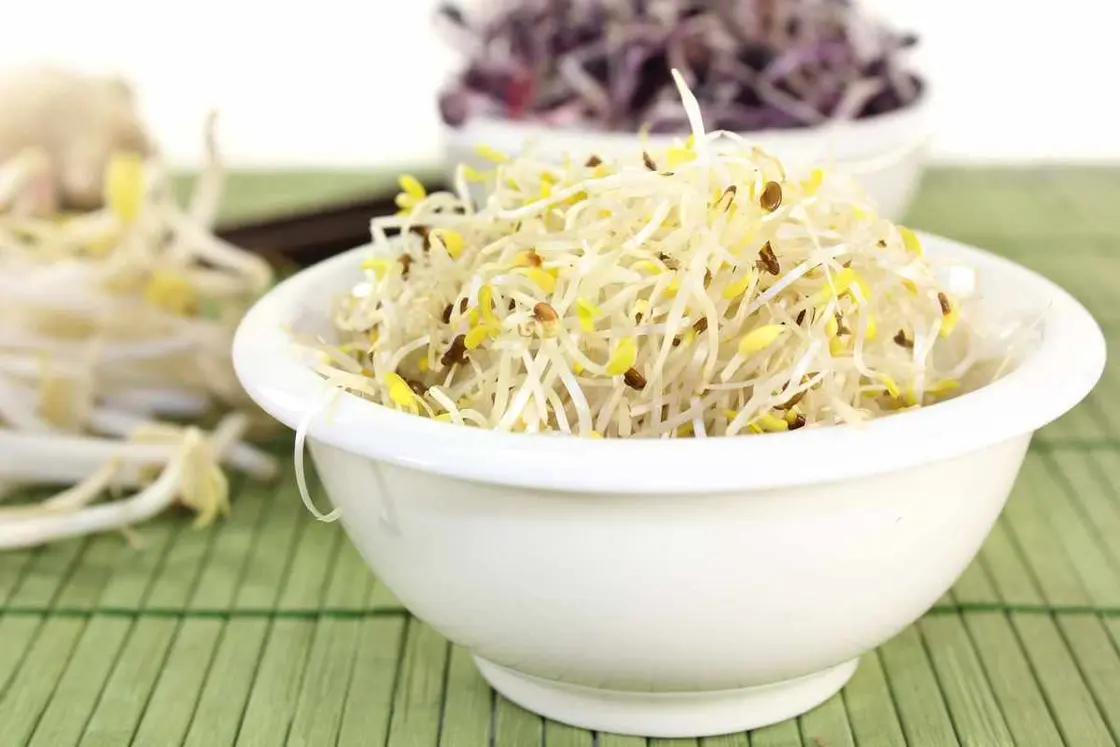
Once you learn to grow alfalfa sprouts, you won't want to stop. These miniature plants flourish quickly, providing fresh sprouts in only five days.
Alfalfa (Medicago sativa) is a perennial herb used in traditional medicine and supplements. It's also a fantastic addition to your vegetable garden, as you can enjoy it fresh in salads or as a garnish.
Available as dry seeds, alfalfa requires minimal equipment and can be grown in limited space. Our comprehensive guide will teach you how to cultivate alfalfa sprouts.
Growing Alfalfa Sprouts
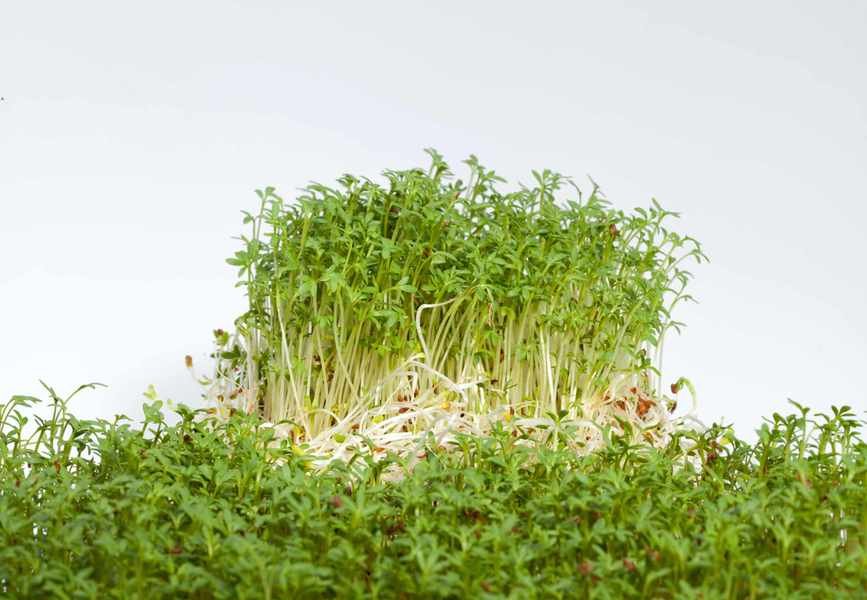
Experiment with growing alfalfa sprouts and discover just how simple and rewarding they can be. 'These rapid crops burst with unexpected flavors that will delight your palate,' say experts.
More space-efficient than traditional vegetable gardening, alfalfa sprouts can thrive in a jar, tray, or even on paper towels.
However, a note of caution: the CDC warns that sprouts can pose foodborne illness risks. 'Cook sprouts thoroughly to minimize illness risk,' they recommend. 'Cooking kills harmful bacteria.' They also advise that children, older adults, pregnant women, and those with weakened immune systems should avoid raw sprouts.
Refer to the warnings regarding alfalfa from the US NIH.
Seed Quantity
A small amount of seeds goes a long way, so start with a little to determine your needs. Approximately 0.35oz (10g) of seeds can yield 3.5oz (100g) of sprouts, roughly 1½ cups, within five to six days.
Growing Alfalfa Sprouts in a Jar
To grow alfalfa sprouts, you'll need alfalfa seeds, a sprouting jar or a wide-mouthed glass jar (like a mason jar), and a mesh lid or a piece of muslin secured with an elastic band. This setup allows for proper air circulation and encourages sprout development. A fine sieve or strainer is also handy for draining soaked seeds. Follow these steps:
1. Soak and Drain the Seeds
Fill the jar with cool water and add the seeds. Secure the lid or cloth and let soak for eight to ten hours, then drain the water, using the strainer to catch the seeds.
2. Allow Sprouting
Shake off excess moisture and spread the damp seeds evenly in the jar by gently shaking it. Any leftover moisture can cause rot. Place the jar in a dark spot at room temperature for eight to ten hours.
3. Repeat the Process
Rinse the seeds with cool water again, drain them well, and spread them in the jar. Leave for another eight to ten hours. You should see sprouts by the end of day one, but continue rinsing and drying for another four days until they reach your desired size.
4. Ensure Air Circulation
'Keep the sprouts out of direct sunlight and ensure they have airflow,' recommend sprouting experts. 'Warm conditions accelerate growth, while cooler temperatures slow it down. Light does not affect growth until leaves develop.'
5. Harvesting Alfalfa Sprouts
When your sprouts reach the desired size, tip them out onto a tray in sunlight. After 15 minutes, they will turn green as sunlight activates enzymes. They're now ready to eat.
Growing Alfalfa Sprouts on a Tray
To grow alfalfa on a tray, start by soaking the seeds in a jar for eight to ten hours, then strain the water. Evenly spread the seeds on an unglazed clay tray or pot saucer.
Place the saucer in a watertight tray, filling it halfway with water. Position it in a dark area and maintain the water level over the next four to five days. The clay will provide enough moisture for the seeds.
When the sprouts reach ½ to 2in (1.3 to 5.1cm) in height, move the saucer to a sunny windowsill. They can be consumed once they turn green.
Growing Alfalfa Sprouts on Paper Towels
To grow them on paper towels, soak the seeds overnight and strain. Soak a few sheets of paper towel in water, wring them out, and lay them on a shallow tray.
Evenly distribute the soaked seeds on the paper towel and cover with another sheet. Place the tray in a dark location. Keep the towel damp by misting as needed. Sprouts typically appear in two to three days.
Leave the towel in the dark until the sprouts are the desired size, usually around five to seven days. Then, move the tray to a sunny windowsill to green them up before harvesting.
'To harvest without waste, gently pull the sprouts from the paper towel, leaving roots and seed hulls intact,' advise gardening experts.
Safety of Growing Alfalfa Sprouts
Growing your own alfalfa sprouts is safe as long as you choose seeds specifically for sprouting. Alfalfa is cultivated as a forage crop, so it's vital to use seeds intended for human consumption.
Time Required to Grow Alfalfa Sprouts
Alfalfa sprouts grow quickly; expect to see sprouts after the first day, but they typically take about five days to reach an appropriate size.



