Cleaner indoor air has become vital for homes today. With rising concerns about allergens, pollution, and VOCs, understanding the best methods for purification is essential.
While air purifiers and ionizers may sound alike, their functionalities differ significantly, which is crucial to consider when prioritizing your health.
After dedicating over 100 hours to testing various air purifiers in my space, I've compared both technologies to guide you toward the safest and most effective choice for your environment.
Air Purifiers vs. Ionizers
I consulted industry experts to clarify the distinctions between air purifiers and ionizers.
What Sets Them Apart?

Air purifiers filter harmful particles from the air, while ionizers make them heavy enough to drop from the air.
Kelly Russum, owner of KC's 23 ½ Hour Plumbing & Air Conditioning, explains, 'Air purifiers function like vacuum cleaners, while ionizers behave like magnets. Purifiers capture pollutants such as dust, pet dander, and pollen using HEPA or carbon filters. In contrast, ionizers emit charged ions that attach to airborne particles, causing them to fall or adhere to surfaces.'
This distinction is vital. Air purifiers actively eliminate pollutants by trapping them in replaceable filters, which is akin to vacuuming the air. Many models incorporate activated carbon filters designed to combat odors and harmful gases like VOCs, a method also found in professional-grade systems and often confused with air scrubbers.
On the other hand, ionizers don't actually remove particles; they merely displace them. Negative ions bind to pollutants, making them heavy enough to fall from the air. Lane Martin, co-founder of Modern PURAIR, states, 'You're not truly eliminating the particles; you're just temporarily removing them from the air.'
It's important to remember that particles displaced by ionizers typically settle on surfaces like floors and shelves, meaning manual cleanup is still necessary. This fact highlights common air quality oversights at home, such as neglecting dust accumulation or not vacuuming upholstered furniture. The Black+Decker dustbuster furbuster available on Amazon is ideal for cleaning sofas and upholstery with its powerful handheld design, which we rated 4.5 stars during testing.
Dr. Jaspreet Dhau, vice president of research development at Molekule, offers an additional caution, saying, 'Ionizers remove pollutants by electrically charging airborne particles. However, ozone is a harmful and irritating compound, even in low concentrations.' This is an important side effect of many ionizing devices that shouldn't be ignored.
Which One Is Right for You?

For those with asthma, allergies, or respiratory challenges, air purifiers are the preferred option.
Your choice between an air purifier and an ionizer largely hinges on your health considerations and your home's needs.
For individuals with allergies, asthma, or other respiratory issues, experts generally endorse air purifiers. Kelly Russum points out, 'Air purifiers deliver visible results. You can see the filters fill up, and they excel at capturing allergens, mold, and unpleasant odors.'
These devices also work well alongside other lifestyle adjustments, such as removing indoor pollutants and enhancing ventilation. In urban settings, they are particularly valuable in efforts to enhance air quality.
Conversely, ionizers provide a low-maintenance solution. With no filters to replace, they operate quietly and are cheaper to run, being effective against ultra-fine particles like smoke.
However, as Dr. Dhau cautions, 'Ozone can irritate the lungs,' making ionizers that emit ozone unsuitable for homes with children, pets, or individuals with respiratory sensitivities. An indoor air quality monitor available at Walmart can help you track indoor pollutants.
'If you prefer an ionizer,' Kelly Russum advises, 'select models that comply with California's CARB ozone emission standards.' These are certified to produce minimal or no ozone, an essential factor, especially for smaller or poorly ventilated spaces. For instance, the Lasko Tower Fan and Ionizer sold at Walmart is certified as meeting these criteria.
Some people consider using both types of devices or selecting models that combine the two. However, Russum suggests this may be unnecessary: 'There's no need to just displace pollution when you can eliminate it entirely with a purifier.'
Shopping Guide
You can find air ionizers priced between $40 and $200+ at Walmart and Amazon to suit various home needs. Here are our top three recommended air purifiers from the 17 we've evaluated. Prices accurate at publication time.
 Affordable option
The Coway Airmega Aim offers excellent purification at an affordable price. It features a HEPA filter and targeted purification, effectively removing pet odors during our tests.
Discover more in our detailed Coway Airmega Aim review.
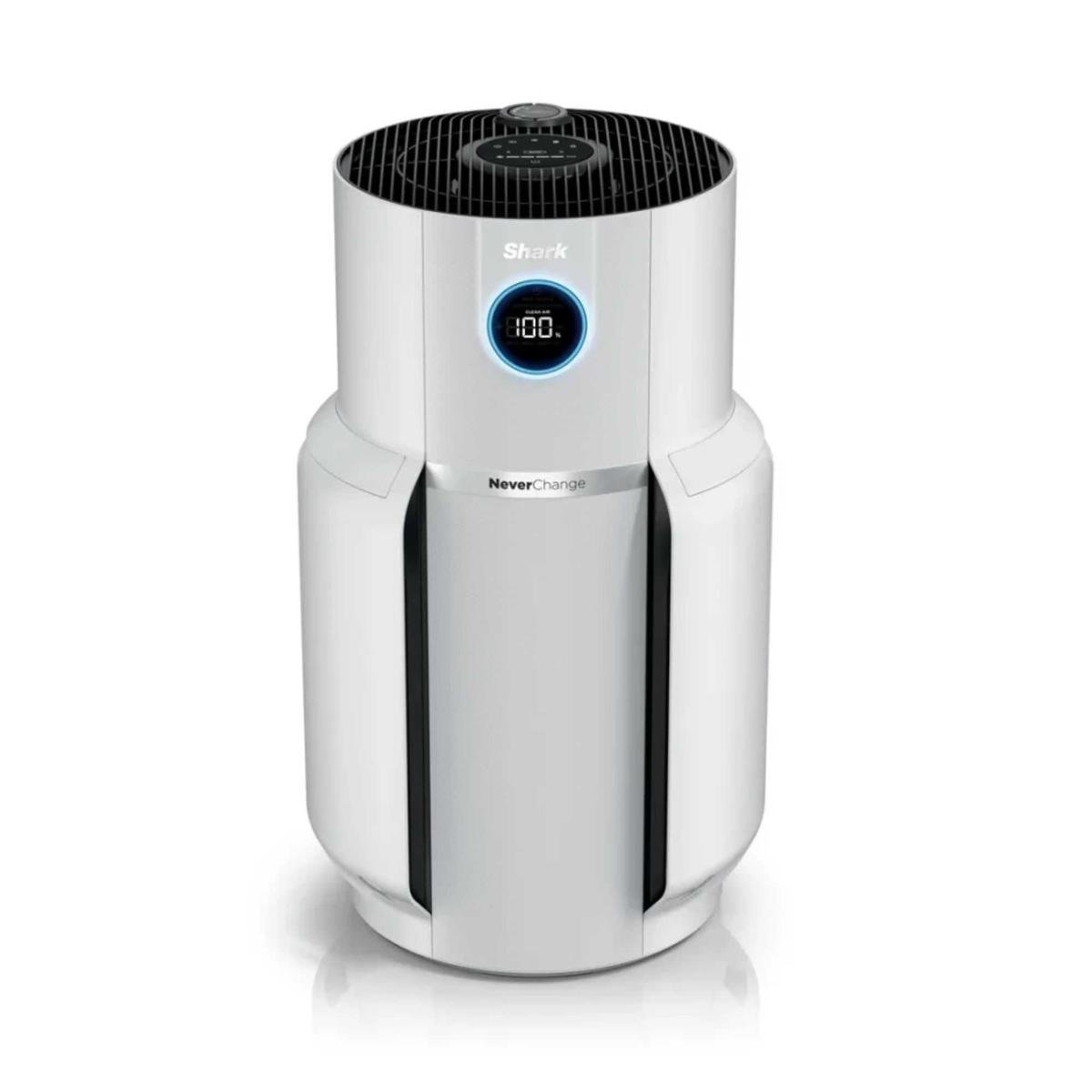 Covers up to 1,400 sq ft
I personally use the Shark NeverChange MAX, and I'm amazed at how quickly it cleans the air. After cooking or opening windows, it can boost air quality from 50% to 100% in under an hour.
Read more in my complete Shark NeverChange MAX review.
 Advanced technology
After nearly a year of using the Air Mini+ as a bedroom air purifier, my asthma and allergy symptoms have significantly reduced. Though it's a bit pricey, this compact purifier uses unique PECO technology to eliminate pollutants at a molecular level.
Check out my full Molekule Air Mini+ review.
Expert Insights

Kelly Russum established KC's 23 ½ Hour Plumbing in 1978, providing expert plumbing, air conditioning, and heating solutions.

Lane Martin co-founded Modern PURAIR, a rapidly growing franchise focused on Indoor Air Quality (IAQ).

Dr. Jaspreet Dhau serves as the vice president of research and development at Molekule, bringing over 19 years of extensive research experience from both academia and industry.
Next, explore how to choose an air purifier, and see how they compare with more natural options, like air purifiers vs plants.