
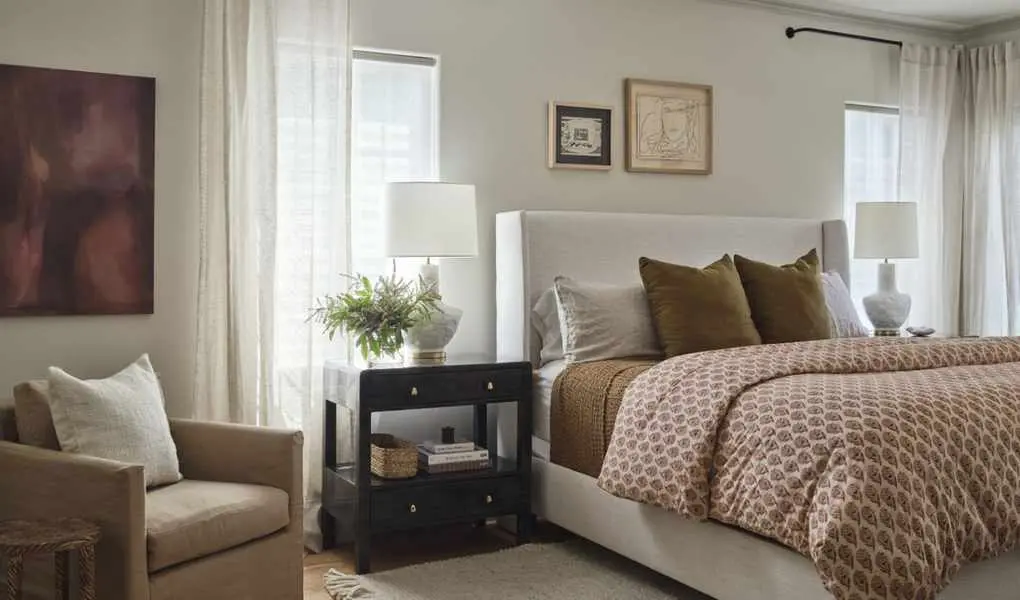
For years, I've struggled with allergies. Just a hint of dust or pollen would send me into a sneezing fit. Additionally, I have asthma, which is often triggered by these allergies, making everything worse.
However, using an air purifier in my bedroom at night has been life-changing. I no longer wake up multiple times to clear my nose, and mornings are free from congestion.
Now, I breathe easier, sleep soundly, and hardly feel the impact of what used to be severe conditions. I can't even recall the last time I faced an episode. I reached out to specialists to understand why air purifiers excel in alleviating allergies overnight.
How Air Purifiers Help Reduce Allergy Symptoms at Night
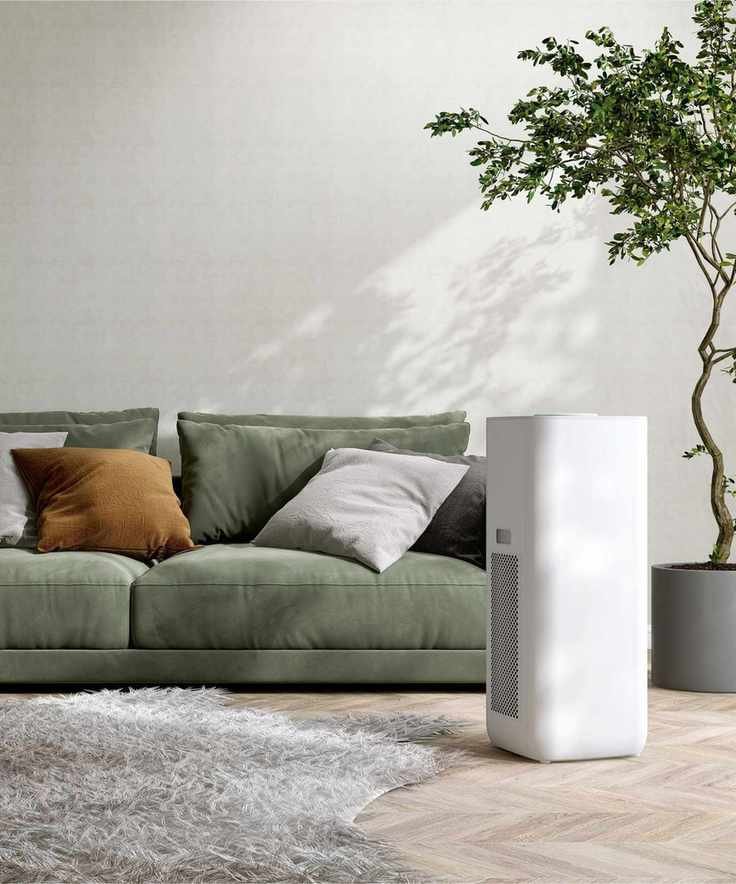
Using an air purifier has greatly reduced my allergy and asthma symptoms, enhancing my overall well-being.
From personal experience, I can confirm that running an air purifier while I sleep effectively lessens — and often completely removes — symptoms caused by common allergens. But what's the reasoning behind this?
Dr. Saira Zafar, a certified allergist, states, "Air purifiers with HEPA filters capture airborne particles like pollen, dust mites, pet hair, and mold spores. Using one overnight continuously minimizes allergen exposure in the area where people rest for long periods."
She adds, "This prevents nighttime symptoms like nasal congestion, coughing, sneezing, and disrupted sleep, all of which can worsen inflammation and fatigue."
If an air purifier has enough coverage, it can effectively draw in allergens from all parts of your bedroom. Even smaller models can still provide protection if you know where to position it.
Dr. Ryan Steele, also an allergist, emphasizes that allergies can significantly disrupt sleep quality. Poor sleep can lead to issues like memory loss and mood swings, as well as increase the risk of cardiovascular conditions.
Thus, an air purifier not only alleviates symptoms like sneezing and a stuffy nose; it also enhances my physical and mental health by improving air quality.
It's no surprise I've been enjoying deeper sleep since incorporating an air purifier into my routine.
Choosing the Right Air Purifier for Your Bedroom

Look for HEPA filters and a high CADR suitable for your room size.
Just like top HEPA vacuums, air purifiers must have a HEPA filter to effectively trap allergens. HEPA filters can capture at least 99.97% of particles as small as 0.3 microns, including pollen, dust, and dander.
To be classified as HEPA, a filter must meet strict standards. Some purifiers may use 'HEPA-style' or 'HEPA-like' filters, but these do not meet the necessary criteria for effectively cleaning the air.
"At a minimum, ensure it has a HEPA filter," advises Dr. Steele. He also mentions that a clean air delivery rate (CADR) is crucial, indicating how much air passes through the purifier. Ensure it's appropriate for the size of your room.
The CADR measures how well a purifier cleans the air. A good guideline is to choose a CADR that covers two-thirds of the room's square footage.
For example, a 240 square foot room requires a purifier with a CADR around 160 to ensure that even the farthest corners receive fresh air.
My Top Air Purifier Picks
In my bedroom, I use the Molekule Air Mini+. It's compact and stylish, ideal for spaces up to 250 square feet, making it perfect for bedrooms.
This device features unique PECO filtration technology that destroys pollutants instead of just trapping them, ensuring the air released is as clean as possible.
Another great option is the Coway Airmega Aim (available on Amazon). This model offers focused airflow, allowing you to direct clean air right over your bed, all for a budget-friendly price under $150.
For larger areas, I also use the Shark NeverChange MAX, which can cover up to 1,400 square feet. It's powerful and quickly enhances air quality, plus it has an odor-neutralizing cartridge to keep the air fresh.
Meet the Experts

Dr. Saira Zafar is a double board-certified allergist and immunologist whose work has been recognized at national allergy and immunology meetings.

Dr. Ryan Steele is a board-certified allergist and internist, serving as an assistant professor at Yale School of Medicine.
Explore more about things that might worsen your allergies at home, and consider investing in one of the best vacuums for pet hair to eliminate allergenic dander.



