

Pollen and pet dander are well-known allergy triggers, but have you considered the lesser-known household habits and items that might be worsening your allergies?
For example, did you realize that improperly fitted bedding can increase your exposure to pet dander and dust while you sleep? Or that a dirty humidifier could foster mold growth?
Understanding how to address common household allergies, especially those hidden culprits, will empower you to effectively allergy-proof your home. Allergists and cleaning experts share key insights and solutions for each issue.
8 Factors That Exacerbate Allergies at Home
1. Dust Mites

Regularly cleaning bedding and soft furnishings can significantly decrease dust mite populations.
Dust can settle on various surfaces, including shelves, plants, and light fixtures, no matter how often you clean. However, it’s not the dust itself that triggers allergies but rather the dust mites residing within it.
According to Dr. Purvi Parikh, an allergist, 'Dust is a mix of allergens like dead skin cells, pet dander, and dust mites.' Many are surprised to learn they are not the same.
Knowing how to eliminate dust can enhance your indoor air quality. But to tackle allergies effectively, focus on eliminating dust mites.
Dr. Parikh suggests using protective covers like this Guardmax Waterproof Pillow Protector from Target to create a barrier against these pests.
Additionally, wash your sheets in hot water often and vacuum your mattress to minimize dust and bacteria.
Don't overlook your plush toys! Research indicates that stuffed animals can harbor up to 650 times more dirt than a trash can lid.
2. Unkept Dehumidifiers

Maintaining moisture levels improves air quality and reduces mold risks, but appliances need regular upkeep.
Dehumidifiers and humidifiers are essential for managing humidity, ideally between 30-50%. However, Dr. Parikh warns of potential mold growth in humidifiers if they aren’t cleaned regularly.
To keep your humidifier running effectively and allergen-free, learn how to clean a humidifier using eco-friendly methods like lemon juice and baking soda.
If you’re operating a dehumidifier, make sure windows and doors are closed to optimize its performance.
3. Ill-Fitting Bedding

Keep bedding and throws elevated from the floor to prevent dust accumulation.
Correctly sized bedding not only enhances your bedroom's appearance but also helps in maintaining cleanliness and minimizing allergens.
Karina Toner, operations manager, states, 'If sheets or duvet covers are oversized or don’t fit snugly, they may drag on the floor, collecting dust and dander.' This leads to a cycle of exposure.
To rectify this, invest in properly sized bed sheets. Switching to hypoallergenic bedding can also be beneficial, as it envelops your mattress and pillows, preventing allergen build-up. Additionally, learn how to wash bed sheets correctly and do so weekly to combat dust mites.
On days with high pollen counts, keep windows shut to minimize pollen entry.
4. Overlooked Soft Surfaces
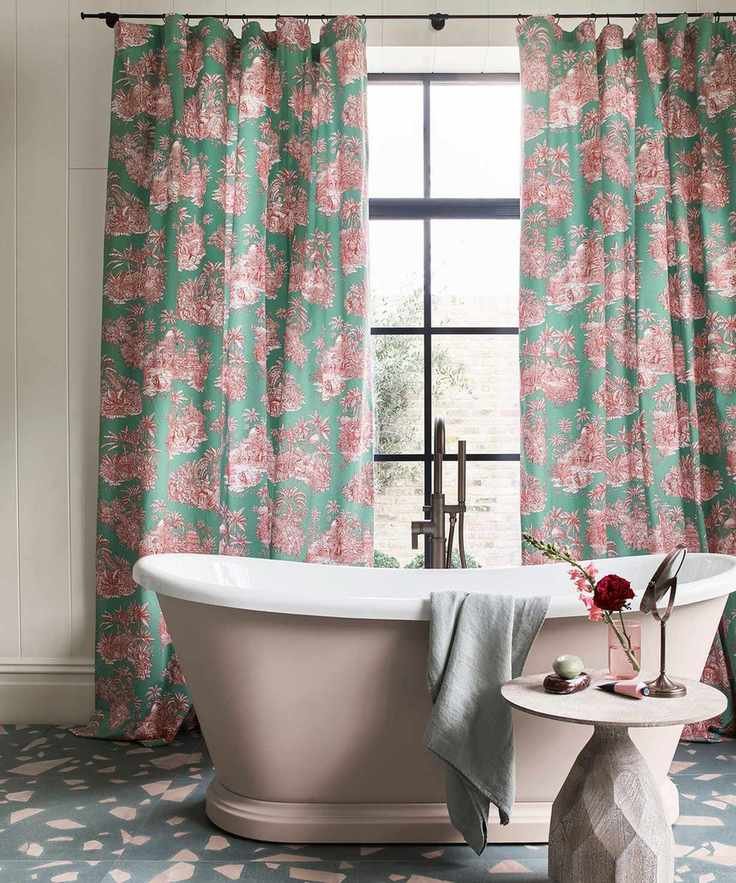
Soft furnishings can trap allergens, so ensure to clean your curtains regularly.
Allergens don’t just settle in carpets; upholstered furniture, curtains, and rugs can also accumulate dust, pollen, and dander.
Karina advises learning how to vacuum furniture properly, using a top-rated HEPA-filter vacuum weekly, and understanding how to wash curtains correctly.
Regular steam cleaning of carpets and area rugs can also be effective.
5. Indoor Plants

Some popular indoor plants might be aggravating your allergies.
While indoor plants can enhance your living space's ambiance and even purify the air, improper maintenance can lead to issues.
Overwatering is a common mistake that can lead to mold growth in the soil, which can trigger allergy symptoms. Karina suggests using a moisture meter, avoiding excess watering, regularly wiping leaves, and choosing plants that naturally purify the air, like snake plants or peace lilies.
6. Pillows
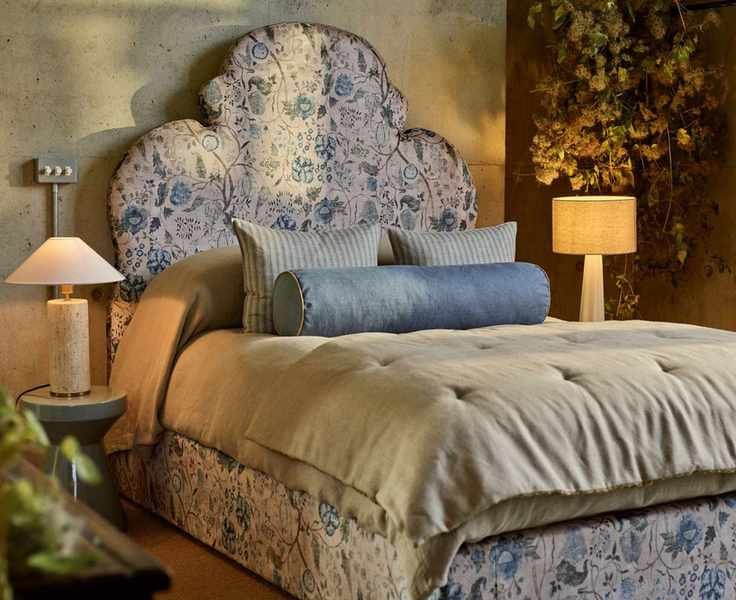
Regular cleaning of pillows is essential for maintaining comfort and reducing allergens.
Ill-fitting bedding isn’t the only item that may contribute to allergies. Kenneth Mendez of the Asthma and Allergy Foundation of America highlights pillows as another potential source of allergens.
“After two years, your pillow can contain up to 10% of its weight from dead dust mites and their waste,” he explains. 'Pillows also trap allergens like pollen and dander, which can worsen allergy symptoms.'
Consider replacing your pillow regularly, ideally every one to two years. Look for options meeting the AAFA’s Asthma & Allergy Friendly Certification standards, such as the SIJO AiryWeight Tencel Pillowcases, made from 100% Lyocell, which can help reduce allergen exposure.
Also, follow the AAFA’s Healthier Home Checklist for washing bedding regularly in hot water.
7. Cockroaches

Seal hidden areas in pest-prone spaces like kitchens and bathrooms to prevent infestations.
In addition to being unpleasant, pests like cockroaches can significantly worsen allergy symptoms.
Kenneth explains, 'Cockroaches harbor proteins that can trigger allergies. Their body parts, saliva, and droppings also contribute to allergic reactions.' Exposure can lead to sneezing, runny noses, and asthma attacks.
To mitigate cockroach allergens, learn effective methods to eliminate them from your kitchen. Clean homes can also attract these pests, so identify and eliminate what might be drawing them in.
8. Volatile Organic Compounds

Ensure proper ventilation when introducing new furniture or carpets that may emit harmful gases.
Products that release volatile organic compounds (VOCs) are another source of indoor air pollution that can trigger allergies. These compounds are often found in paints, cleaners, and new furniture.
Dr. Parikh notes, 'VOCs can irritate the eyes, skin, and respiratory system, potentially triggering asthma.' To combat this, aim to eliminate VOC sources. HEPA air purifiers can aid in improving air quality but are not a complete solution.
Consider switching to non-toxic essentials for a healthier home.
Expert Insights

Dr. Parikh specializes in diagnosing and treating allergies in both adults and children, including conditions like asthma. She is board-certified in Allergy and Immunology.

Karina has extensive experience in managing cleaning operations, focusing on hypoallergenic methods to minimize allergens through proper cleaning techniques.

Kenneth is a prominent figure in the allergy community, advocating for policies that improve the lives of those affected by asthma and allergies.
Now you know about eight hidden factors exacerbating your allergies at home and effective solutions for each. If you suspect other harmful items are affecting your indoor air quality, explore our tips on identifying toxic household items and how to replace them.



