
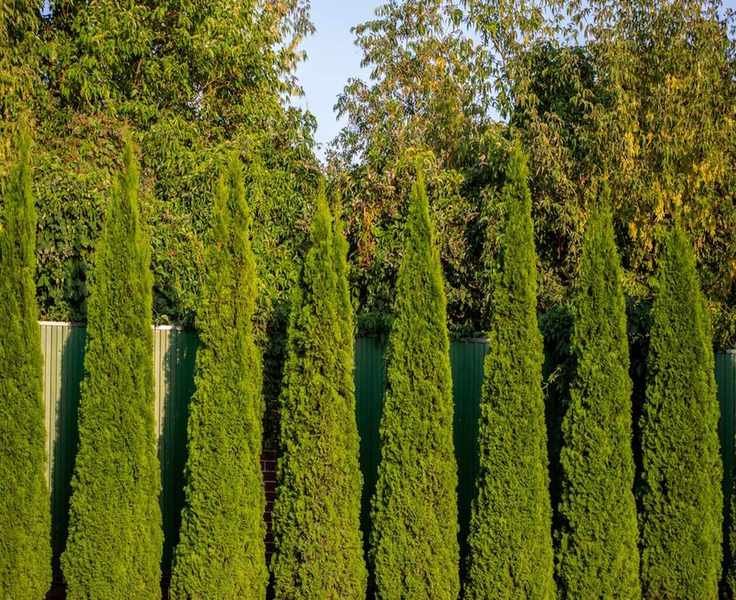
Arborvitae, commonly called Thuja, is a popular evergreen favored for hedges and privacy screens. With its lush foliage and dense growth, it provides both beauty and security year-round.
There are five recognized species of Thuja, ranging from small to large evergreen trees. The two native to North America are Thuja occidentalis and Thuja plicata, the latter known as Pacific or western red cedar, which can reach heights of up to 230 feet. If your yard is limited in space, it’s best to avoid this towering variety.
If you’re in search of easy-to-grow evergreen options, arborvitae is certainly worth considering. An expert from New Jersey shares insights on how to cultivate this lovely plant.
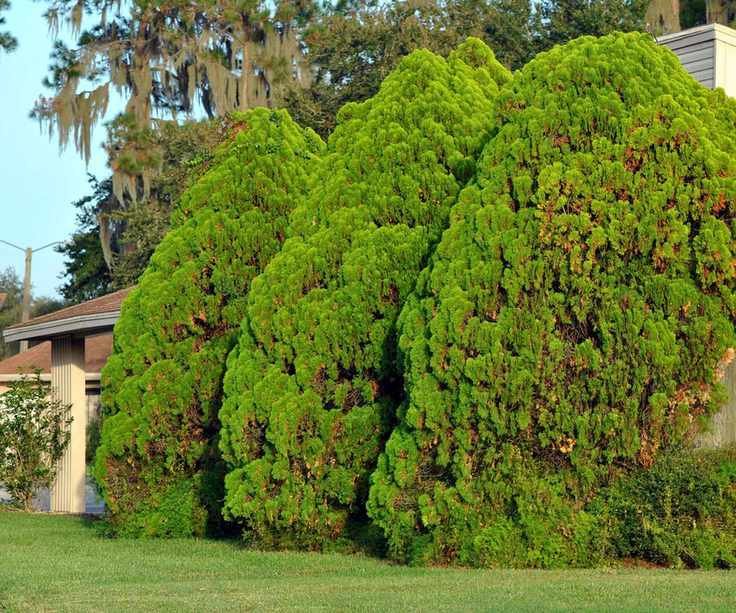
Growing Arborvitae
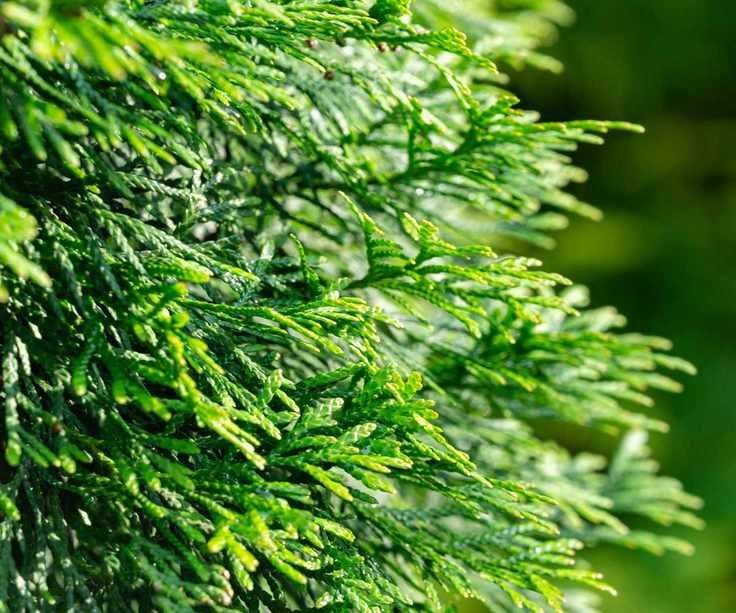
For those interested in fragrant evergreens, arborvitae offers aromatic leaves that emit a citrus scent when crushed, making it an excellent choice for a sensory garden.
While maintaining arborvitae requires some effort, these plants can significantly enhance garden boundaries. An attractive green edge is far more inviting than bare walls or fences.
Growth Characteristics of Arborvitae
“Most arborvitae varieties grow quickly, which is crucial to consider before planting a row,” advises a garden expert and owner of a local nursery. “You need to be ready for annual pruning to keep them manageable.”
For instance, the well-known ‘Green Giant’ variety can achieve a growth rate of two to three feet annually once established. “Nurseries report growth rates for established plants, often described as sleep, creep, leap. In the first year, expect minimal growth. The second year brings slight growth, while the third year usually sees a significant surge. Pruning becomes essential thereafter,” the expert explains.
All Thuja species are hardy from USDA zones 3 to 7, enduring cold weather, wind, and snow. For optimal results, plant them in sunny spots with enough space for growth.
One favored variety is Thuja occidentalis, a native plant, particularly the ‘Nigra’ type, known for its conical shape. These trees also provide excellent nesting spots for birds.
Care Instructions for Arborvitae

Soil: Arborvitae prefers moist, well-draining soil. Avoid areas prone to waterlogging, as these plants dislike prolonged sogginess. Annual mulching can improve soil quality and add nutrients, and it can be done anytime. Aim for a soil pH between 6.5 and 7.0 for best growth.
Light: “These plants thrive in full sun but can handle some shade,” the expert states. “In shaded areas, growth slows, and they tend to become leggy, so aim for four to six hours of direct sunlight daily.”
Watering: Young plants need deep watering twice a week during their first spring and summer. Once established, arborvitae becomes drought-tolerant and rarely needs extra watering unless there’s a long dry spell.
Fertilizing: Arborvitae usually doesn’t require fertilizers; they are resilient and can draw nutrients from the soil effectively.
Pruning: “Arborvitae responds well to pruning,” the expert notes. “I prefer to do heavy pruning in early spring but will revisit it later if necessary. If you want to keep them smaller than their natural size, multiple prunings each year may be needed.”
Toxicity: Arborvitae has low toxicity levels; however, its oil can irritate the skin and cause stomach upset if ingested. It's wise to supervise children around these plants. Use gardening gloves during pruning for safety. While there are some reports of toxicity to pets, arborvitae is not listed among the ASPCA’s toxic plants.
When Should You Plant Arborvitae?
“Although spring or fall is the ideal time, arborvitae can be planted any season,” the expert suggests. “Fall planting reduces stress during the following summer, allowing plenty of time for establishment. Incorporate quality soil for the best start.”
Are There Any Pests to Watch For?
“Arborvitae rarely faces pest issues, but bagworms can be a concern,” the expert warns. “These caterpillars can quickly defoliate a tree. Look for thinning or brown needles to identify them. While manageable, larger infestations may need treatment.”
Deer may also pose a threat, usually snacking on other plants but might nibble on lower branches during winter.
Most arborvitae should remain green year-round. However, browning can occur, often due to temperature changes or drought. Regularly check soil moisture during hot weather.
For more garden inspiration, explore our guide on creating a native landscape that integrates various native shrubs and perennials alongside arborvitae.



