
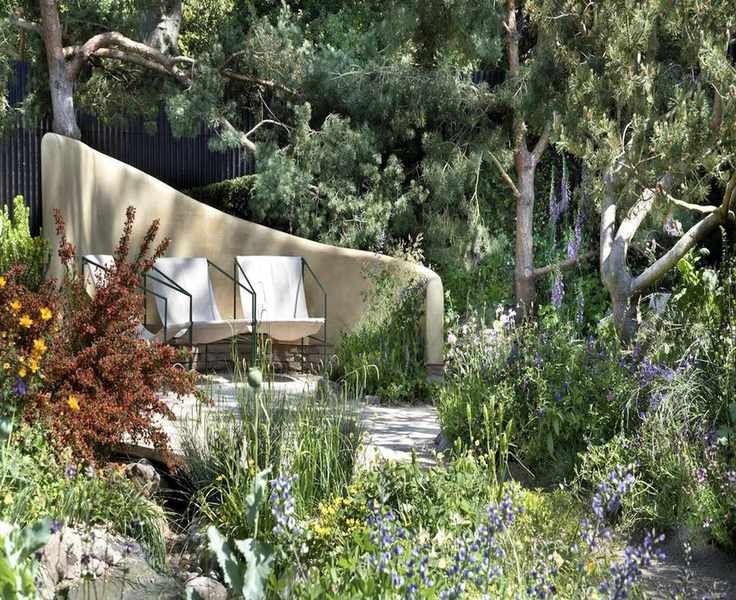
If you're aiming to make your garden more sustainable this year, consider crafting a native landscape. This approach is not just a trend; it's a commitment to creating a stunning, resource-efficient yard that harmonizes with the surrounding ecosystem.
Having worked as a professional gardener in various regions, I can attest that utilizing plants native to your area is a reliable way to thrive. In Tuscany, for instance, aromatic lavender and resilient rosemary flourish in the Mediterranean climate, needing minimal care compared to water-demanding flowers like peonies.
Whether you're starting fresh or revamping your current garden with sustainable landscaping techniques, learning to cultivate a native landscape can benefit both you and the local environment. Here are some expert insights on achieving this goal.
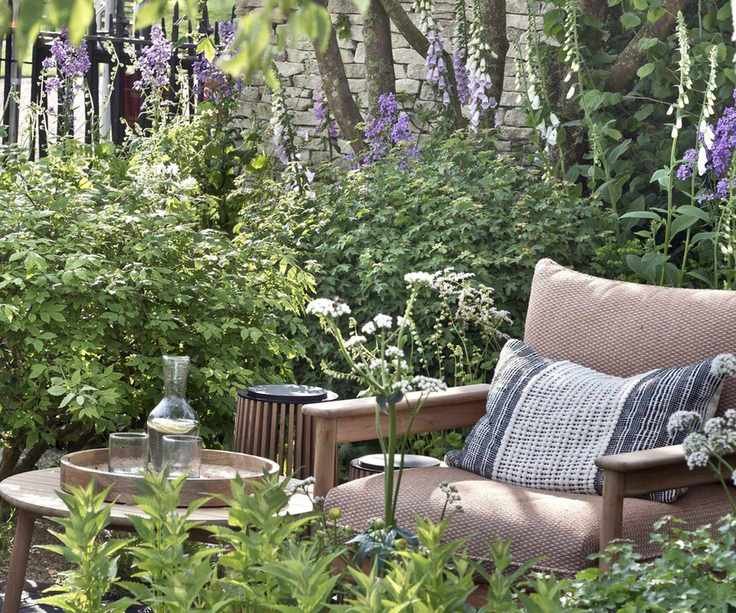
Steps to Create a Native Landscape
Designing a native landscape doesn't have to be overwhelming. There are simple, cost-effective gardening strategies that can significantly impact your space within a year. I'll share guidance on plant choices, design elements, wildlife integration, and maintenance to help you enjoy an eco-conscious haven right outside your door.
Know Your Region's Native Plants
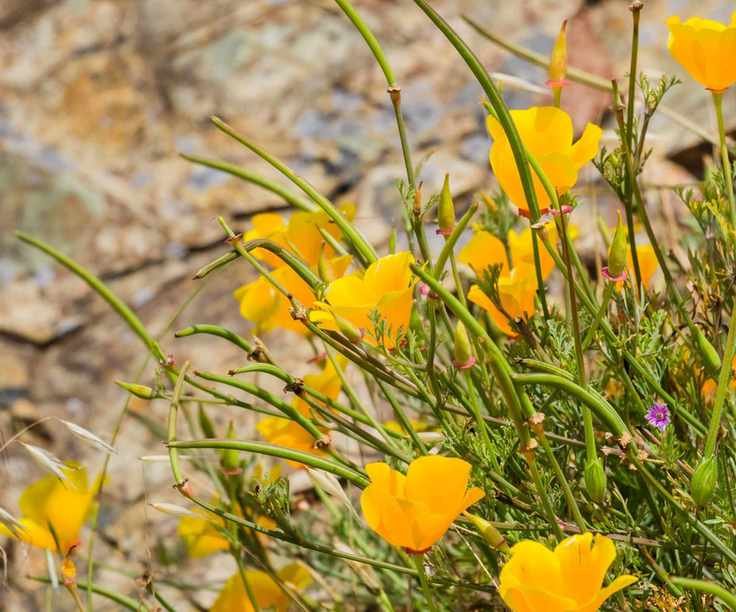
"To design a native landscape, start with local flora," advises Tim Heneveld, a garden expert. "The goal is to harmonize with your environment. Observe what naturally grows in your area—what do you see in fields or along roads?"
Tim adds, "Often, these native species are hardy and drought-resistant. For example, little bluestem and California fescue are excellent choices. Discover what thrives locally and replicate it." Little bluestem plants are on Amazon.
For more local information, check the US Fish and Wildlife Service native plant list. Given the vast terrains of North America, it's wise to focus on nearby species.
For instance, residents of San Diego should explore plants that thrive in the sunny coastal climate.
"Native irises are fantastic perennials, and we're fortunate to have many beautiful varieties across North America," says Maya Argaman, a native plant expert.
"Local species are more adaptable than others," Maya notes. "Most native irises can handle direct sunlight, poor drainage, and high moisture, making them perfect near a stream or wet area." Examples include the Douglas iris, Iris douglasiana, and the Rocky Mountain iris, Iris missouriensis. Rocky Mountain iris seeds are available on Amazon.
Choosing native plants suited to your environment is both practical and impactful, as these species have adapted to local conditions over time, including soil types. Using native plants is the best way to develop an eco-friendly garden.
Utilizing Natural Design Elements
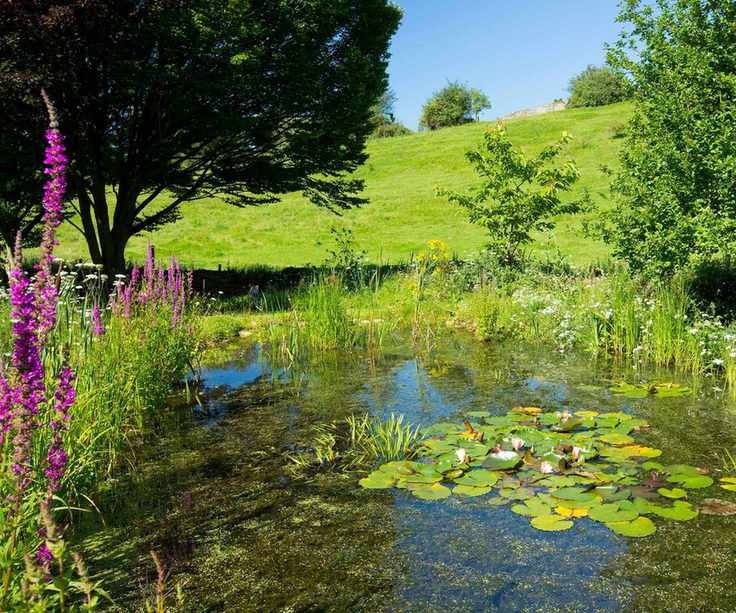
"In any garden, structure is essential, but for a native landscape, prioritize local materials," Tim suggests. "Incorporate stone paths, wooden features, and natural pergolas to unify the space while maintaining functionality."
"Keep your design straightforward yet intentional," he adds. "Aim for a yard that isn't just attractive but also a thriving ecosystem."
Using indigenous materials enhances the aesthetics and benefits the environment.
For patio ideas, consult local suppliers about available stones and wood from nearby sources. For example, limestone is common in Illinois, while granite is abundant in Texas, Massachusetts, and Indiana.
Recycling materials is another sustainable option. Items like stone slabs, metal frames, and wood can often be sourced from salvage yards or second-hand sales, aligning with eco-friendly practices.
Native Plant Gardening by Haeley Giambalvo is a great read for those eager to learn about native plants. Not only will your garden thrive, but it will also provide essential habitats for various wildlife.
Organic Practices for Native Gardens
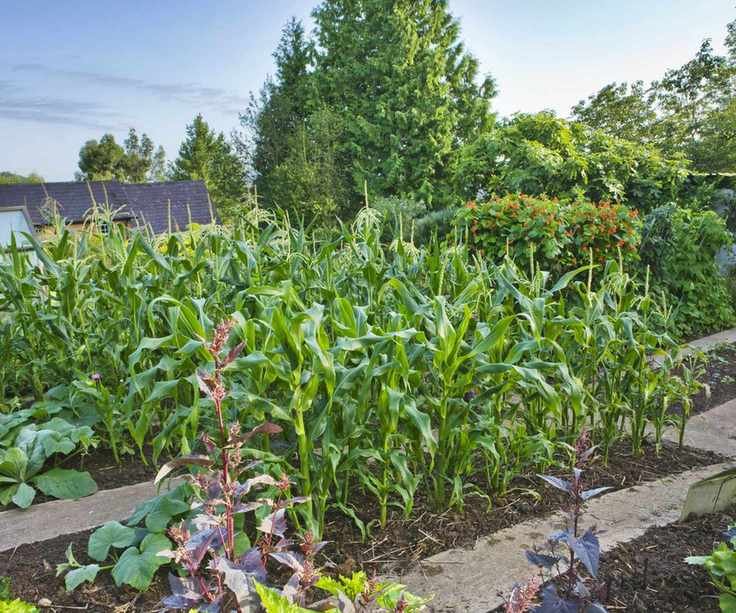
If you're excited about establishing a native landscape, commit to organic gardening. In nature, beyond urban areas, chemicals and synthetic fertilizers are absent, allowing ecosystems to thrive.
"Avoid pesticides and chemicals entirely," warns Valeria Nyman, garden expert and Chief Product Officer at Taim.io. "These substances harm beneficial insects. Removing these bugs disrupts the natural cycle and impacts other wildlife."
Consider eliminating chemicals from your gardening routine this year. Focus on organic methods and permaculture, collaborating with nature rather than opposing it.
Various permaculture projects can enhance sustainability in your backyard, from simple to expansive. Using organic mulch and compost is an excellent start. Organic compost can be found at Walmart. You might also explore the no-dig gardening method, which helps improve soil health with minimal disturbance.
Enhancing Wildlife in Your Garden
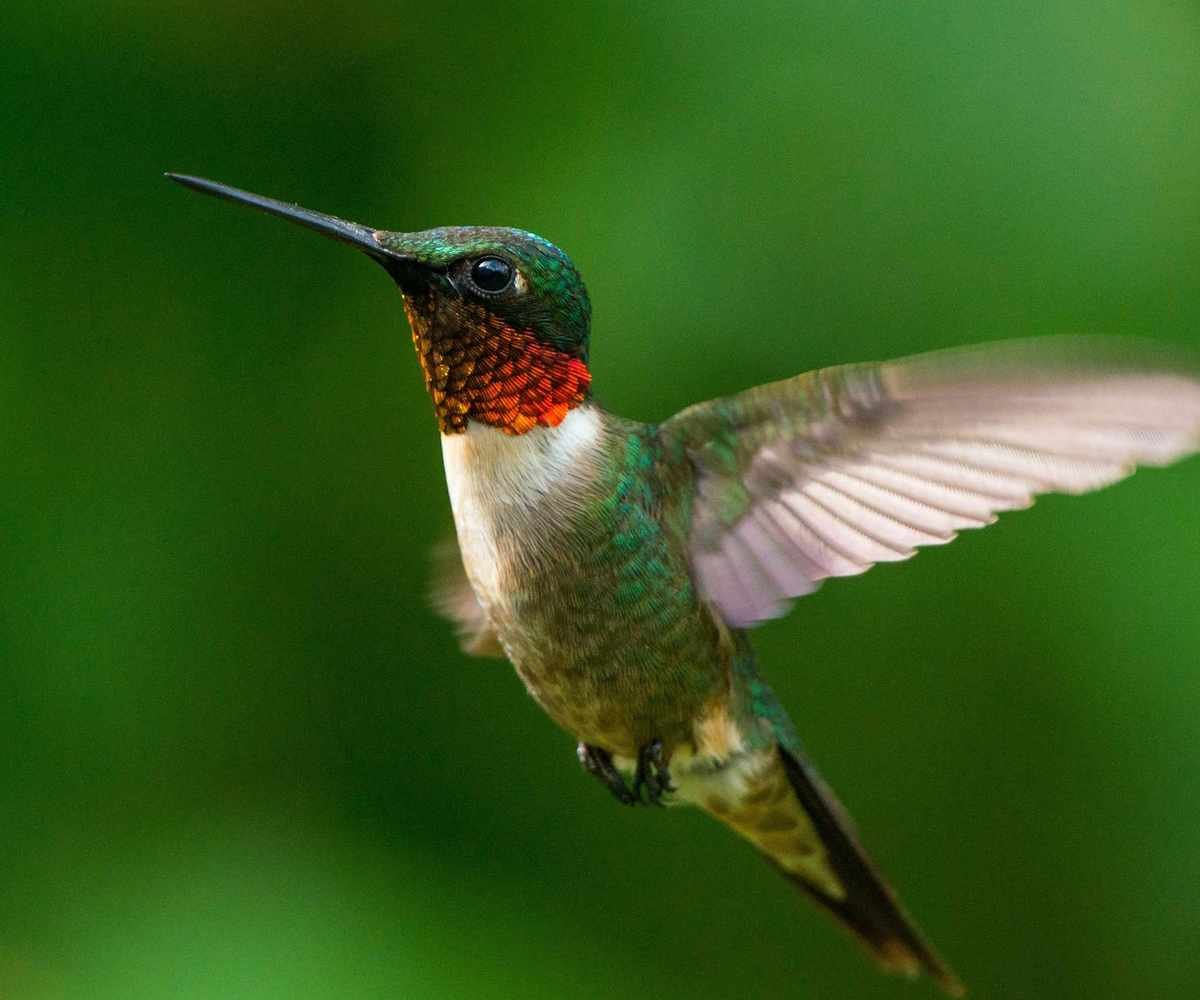
In a native landscape, attracting wildlife is vital. "Consider various strategies to bring in pollinators and birds," Valeria suggests.
"Add features like birdhouses and insect hotels to boost biodiversity. Even a log pile can serve as a refuge for beneficial insects, and wildlife-friendly gardens are increasingly popular," she explains.
"Water sources are also important," Valeria notes. "A pond is ideal, but if space is limited, a birdbath can serve as a vital stopover for migrating species. This is especially important during hummingbird migration." Mini pond kits are available at Walmart.
If you want to observe local wildlife closely, consider investing in bird feeder cameras. This innovative tech allows you to feed birds while capturing moments to share with others. Bird feeder cameras can be ordered from Walmart.



