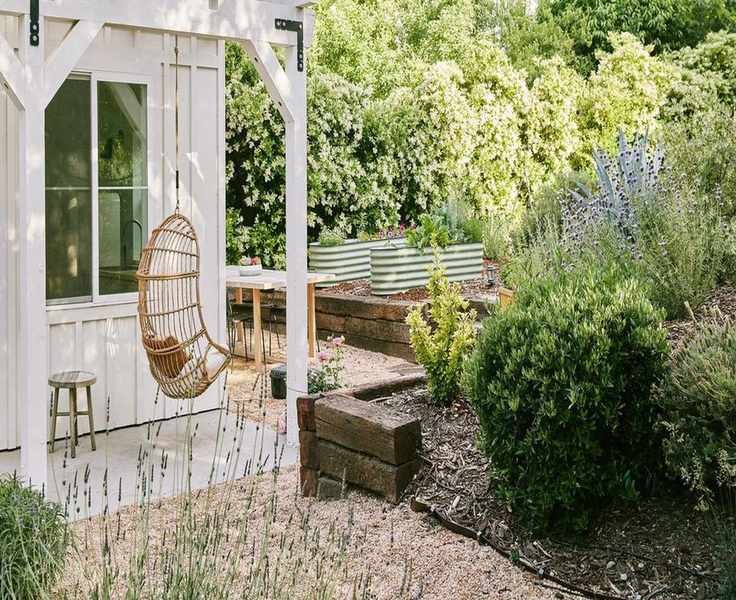
Sustainable garden landscaping is now a priority for many homeowners. If you've adopted practices like making your own mulch, planting native species, and collecting rainwater, you're likely exploring eco-friendly landscaping materials.
When chosen wisely, these materials enhance your garden's beauty while benefiting the environment and contributing to efforts to design an eco-friendly garden. Traditional hardscaping materials often come with high carbon emissions, but numerous sustainable alternatives are available.
A well-designed garden can include patios, paths, and other hardscapes by responsibly sourcing materials and utilizing what's already present. Here are five expert suggestions for sustainable garden landscaping.
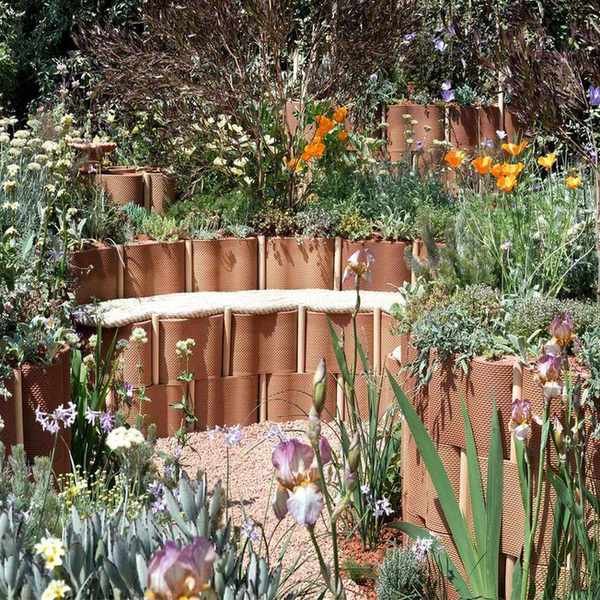
This garden design employs perforated clay blocks and gravel to create raised beds and seating.
5 Top Ideas for Sustainable Garden Landscaping
'Sustainability encompasses more than just planting; it includes the selection of hardscaping materials, construction methods, and ongoing garden management,' note landscape designers Rosemary Alexander and Rachel Myers, authors of The Essential Garden Design Workbook. 'Respecting the site's natural elements is key to sustainability.'
Locally sourced materials help reduce the carbon footprint associated with transportation. Using reclaimed materials from salvage yards not only fulfills sustainability goals but also adds a unique touch to your garden. Additionally, maximizing permeable surfaces is vital for eco-friendly landscaping.

Rosemary Alexander is the founder of the English Gardening School and a talented garden designer. She serves as a trustee for the Great Dixter Charitable Trust and frequently judges for the Royal Horticultural Society.

Rachel Myers specializes in small garden design and lectures on garden design and horticulture at the English Gardening School. She has created gardens in various countries and has been featured in numerous publications.
1. Select Sustainable Pavers
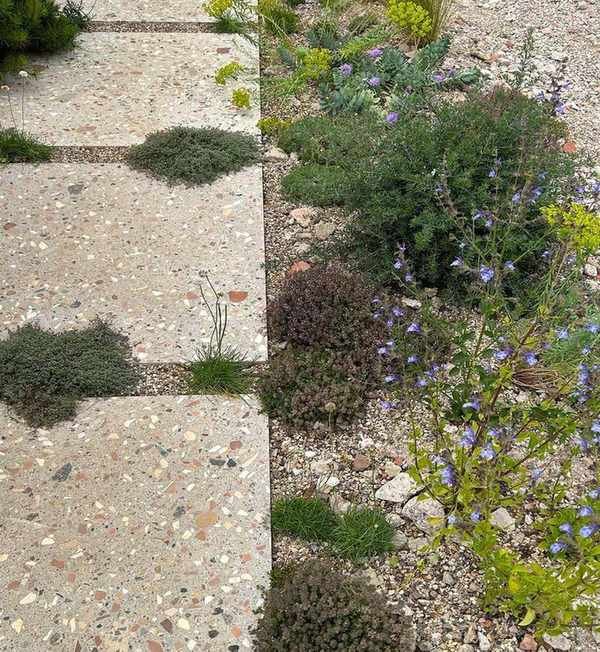
These paving slabs, made from crushed construction debris, are eco-friendly and attractive.
Permeable surfaces that allow water to infiltrate help manage runoff and enhance the garden's aesthetic. They also provide environmental benefits.
According to landscape expert Joe Raboine, sustainability is increasingly important for younger homeowners. 'People want eco-friendly options that minimize their environmental impact in outdoor spaces.'
Joe recommends permeable pavers, which feature layers of various-sized stones to filter stormwater into underground aquifers, mimicking natural water absorption. The gaps in these pavers facilitate effective drainage and can even allow for rainwater harvesting.
Proper hardscaping choices are crucial since traditional paving can contribute to heat islands in urban areas. The porous nature of permeable materials allows groundwater to flow and soak naturally.
Plastic porous pavers are another sustainable option. 'Our pavers have a 92% void space, allowing for high drainage rates while supporting beautiful landscapes,' shares green infrastructure expert Olivia Harris. 'They are made from 100% recycled plastic and outlast many alternatives.'

Joe Raboine promotes the idea that outdoor living enhances lives by fostering connections. He began his career as a contractor over 25 years ago.

Olivia Harris is the president of Invisible Structures, a designer and manufacturer of porous paving and stormwater management solutions based in Denver, Colorado.
2. Use Recycled Composite Decking
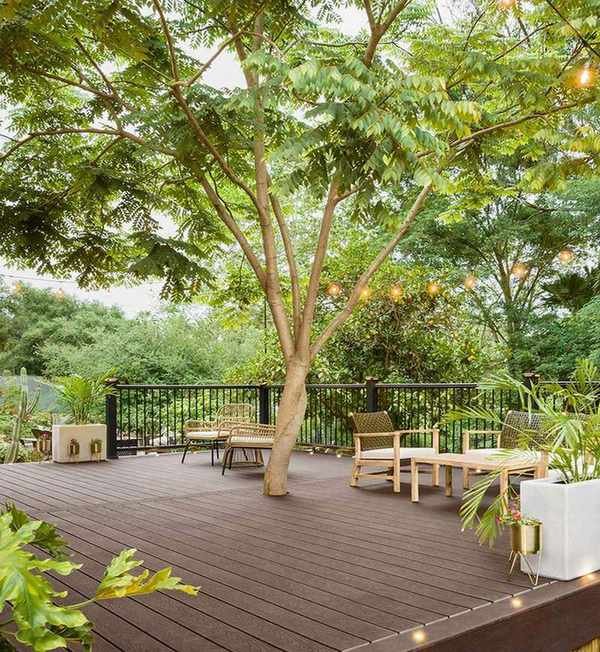
Composite decking is an eco-friendly option that diverts waste from landfills.
Composite decking is a great alternative to traditional wood decking. This material, crafted from a blend of wood fibers and recycled plastic, is durable, weatherproof, and comes in a variety of colors and textures.
'For eco-conscious homeowners, sustainability is essential in their home choices,' says expert Leslie Adkins. 'Materials that require minimal maintenance are also highly valued.'
Composite decking is incredibly long-lasting compared to real wood, which can decay. Its design features high-definition wood grain patterns and rich colors, making it visually appealing.

Leslie Adkins is the group vice president of marketing and ESG development at Trex Company, specializing in outdoor living products.
3. Repurpose Reclaimed Wood
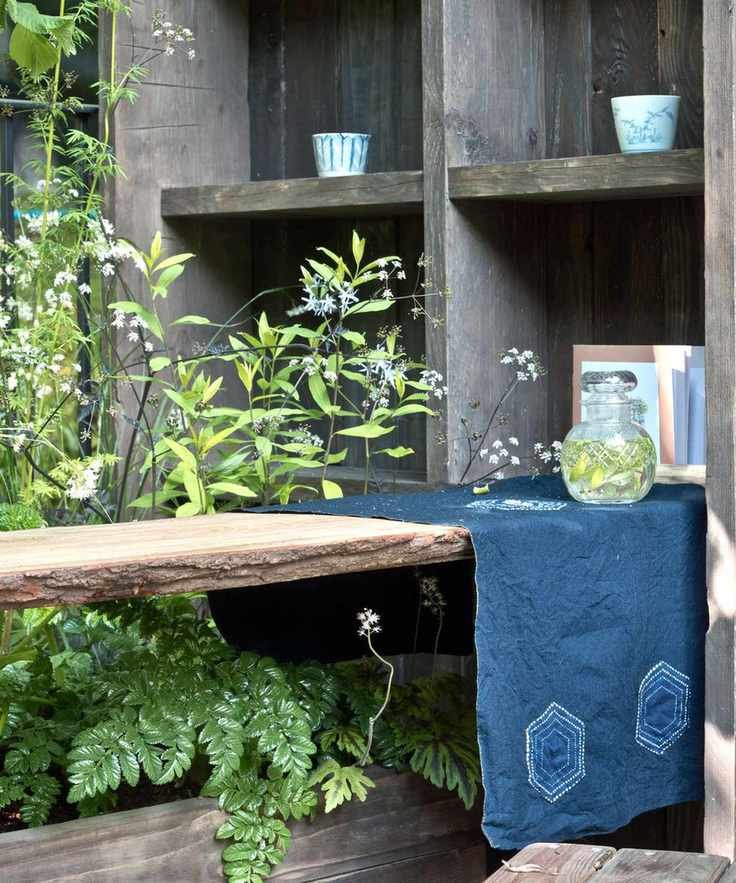
Repurposed wood adds character and uniqueness to your outdoor projects.
Using reclaimed wood for garden projects is another excellent sustainable choice. This wood, often salvaged from old buildings or found on marketplaces, can be transformed into furniture, raised beds, or even garden steps.
'Reclaimed wood refers to any previously used wood. Instead of discarding it, you can give it a new purpose,' explains Carrie Spalding, founder of Lovelyetc. 'Pallet wood and old fence boards are common sources.'
The naturally weathered finish of reclaimed wood brings character to your garden while minimizing the need for new timber, which is beneficial for forests and ecosystems.
While durable, reclaimed wood requires maintenance to withstand the elements. Regular sealing is essential for longevity.

Carrie Spalding transformed her home through DIY projects, sharing her journey on her blog, LovelyEtc.com. She lives in Roanoke, Virginia.
4. Incorporate Natural Stone
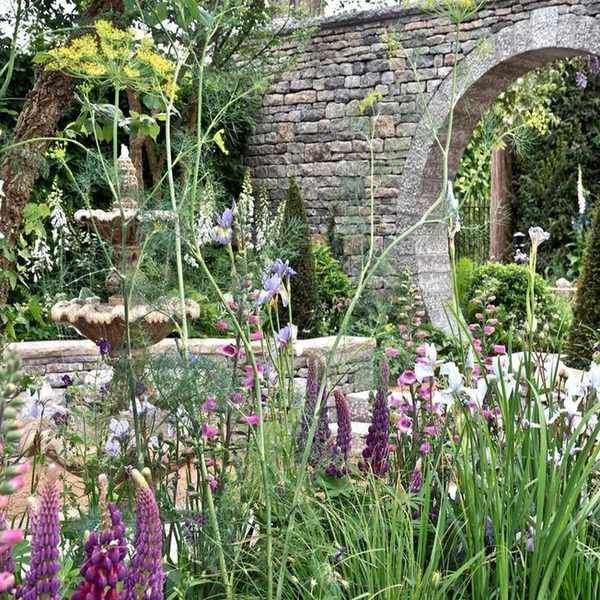
Natural stone adds a rustic and beautiful touch to landscaping.
Natural stone offers a unique, rustic character to your hardscaping. Choosing locally sourced stone reduces transportation emissions and environmental impact.
Opt for stones like sandstone or limestone, which require no manufacturing process, making them more sustainable options.
Natural stone can be used for various landscape features, such as patios, retaining walls, and stepping stones. It helps connect spaces and create cohesive designs.
5. Choose Gravel for Landscaping
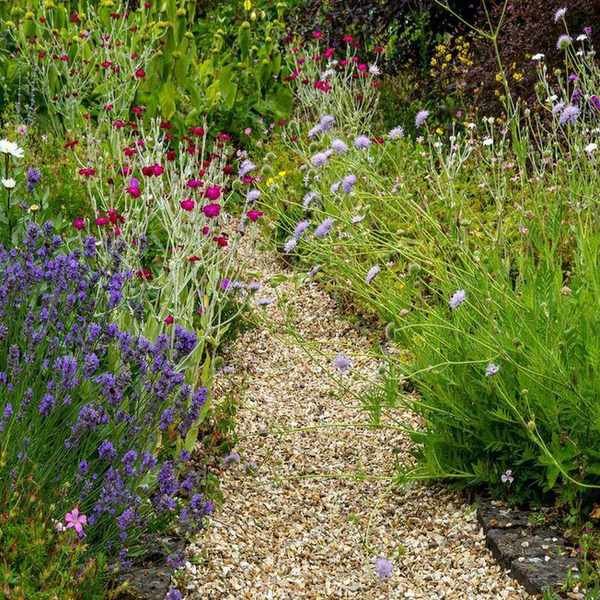
This gravel path design with lush planting enhances the landscape.
Gravel serves as a popular and affordable permeable option for landscaping. It's ideal for xeriscaping projects and dry gardens, providing both beauty and sustainability.
Consider replacing some pavers with gravel pockets filled with perennial ground covers to soften hardscapes. Gravel also works well around water features.
FAQs
What is cork mulch and is it sustainable?
Cork mulch is lightweight, moisture-retentive, and breaks down slowly to enrich the soil. It's also 100% recyclable and visually appealing.
Cork, harvested from the bark of the cork oak tree, regenerates without harming the tree, making it a renewable resource. It's one of the most sustainable forestry practices globally.
Utilize cork mulch in flower beds to retain moisture, inhibit weeds, and enhance the landscaped appearance of bare soil.
Explore sustainable garden landscaping with succulents and rocks for an eco-friendly approach.