
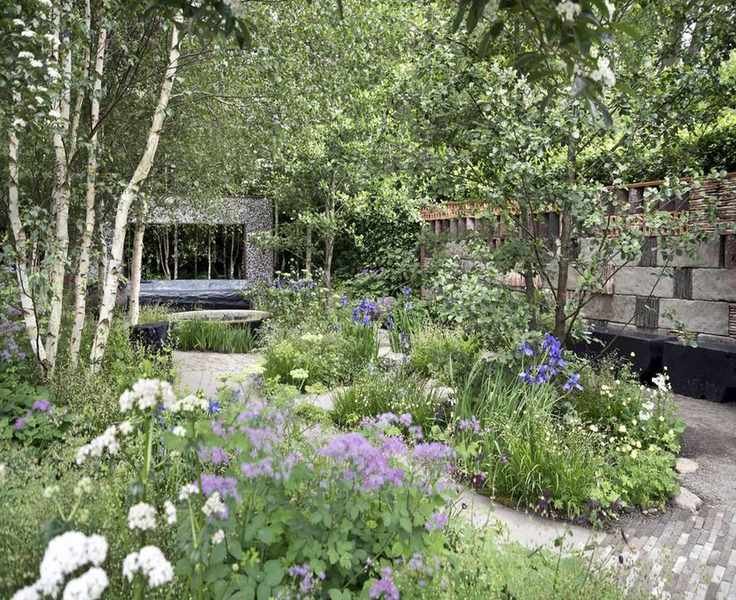
Maintaining a garden requires regular watering, especially in summer heatwaves. However, this task can quickly consume time and precious water supplies, particularly in larger gardens.
Water is crucial not only during dry spells but also for nurturing young plants and achieving impressive harvests. After years of managing various gardens, I've learned effective ways to reduce watering needs and conserve this vital resource.
Understanding how and when to water plants is essential for their survival and growth. Here are my top strategies for minimizing watering in the gardens I've tended throughout my horticultural journey.
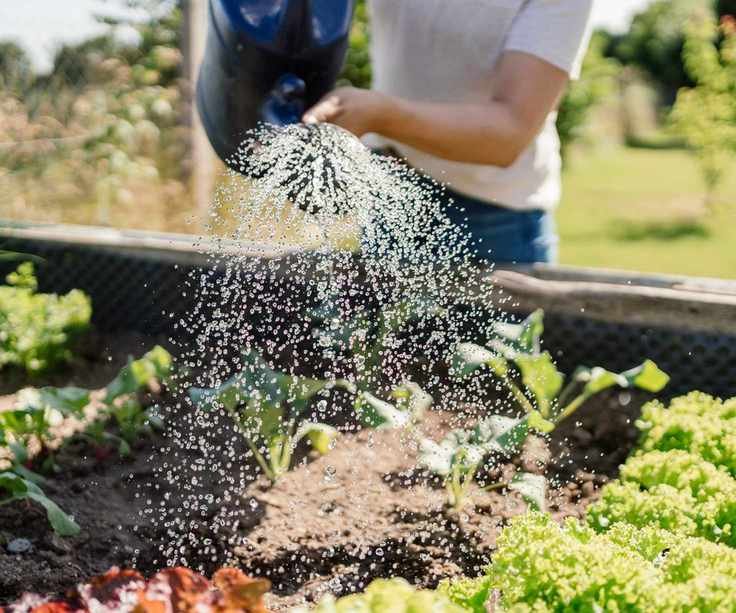
Expert Tips for Reducing Garden Watering
If you're eager to spend less time watering while conserving water, these proven techniques are an excellent place to begin.
Use Mulch Effectively

Applying mulch around your plants helps suppress weeds and enhances soil moisture retention. Biodegradable options like compost and leaf mold can significantly reduce evaporation and improve soil health.
For optimal results, a layer of two to three inches is ideal. Be cautious to keep some space around the plant stems to prevent rot.
Gardening on sandy soil can be tricky, as it dries out faster than clay soil. However, sandy soil can be beneficial for drought-resistant plants. To enhance your soil's moisture-retaining abilities, incorporate organic matter to help it hold onto water.
Choose the Right Plants for Your Space
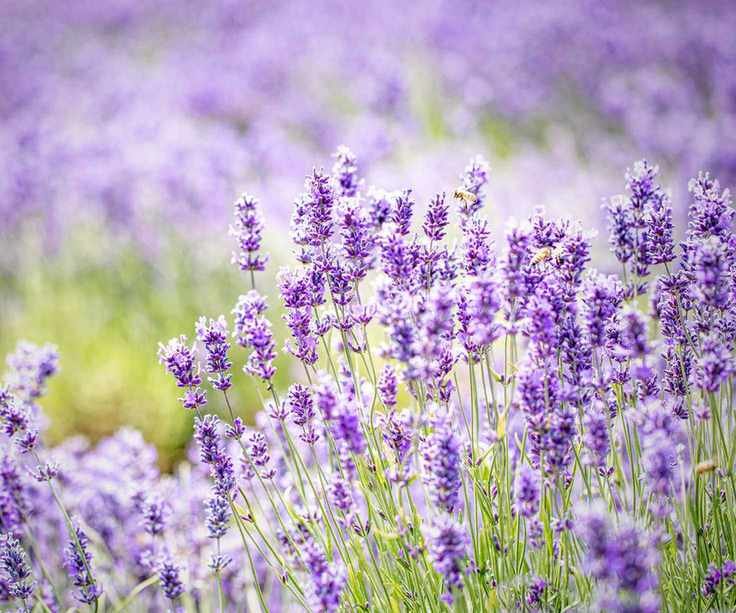
The phrase 'right plant, right place' emphasizes the importance of selecting plants suited to their environment. I've often found plants struggling in unsuitable conditions. By relocating them to more appropriate areas, they thrived with less care.
With climate changes affecting growing conditions, selecting sun-loving and drought-tolerant plants for hot spots reduces watering needs once they are established.
Maximize Container Gardening
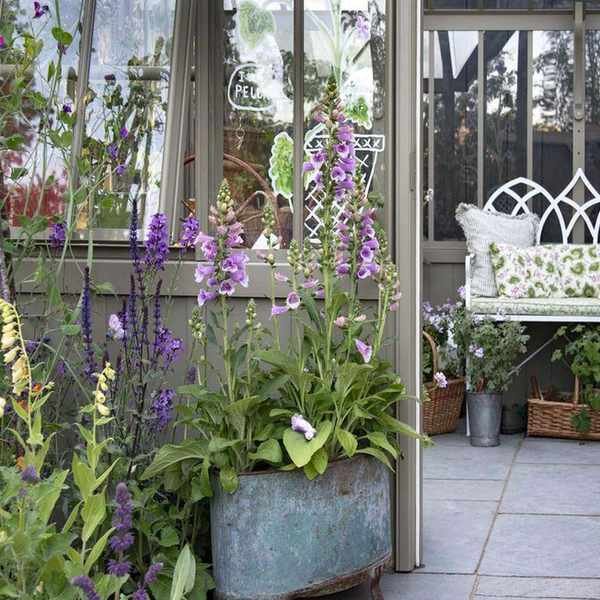
Container gardening is a beautiful way to grow plants in limited spaces, but it typically requires more frequent watering due to the limited soil volume in pots.
To lessen watering demands, consider grouping several plants in larger containers rather than individual small pots. This not only saves water but also allows pots to provide shade for one another, raising humidity levels.
For a more permanent solution, consider installing a drip irrigation system connected to an outdoor water source. These systems are customizable and can adapt to your container arrangement.
Implement an Irrigation System
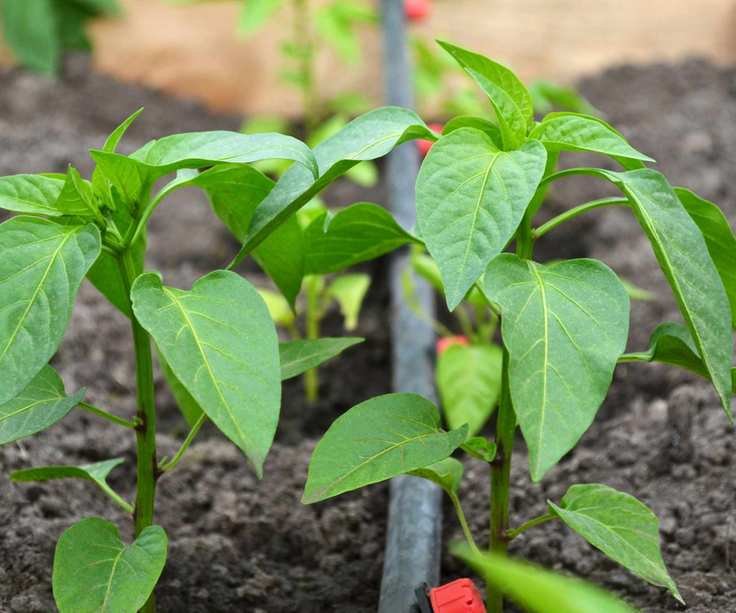
Based on my experience with extensive gardens, irrigation systems are efficient for both time management and resource conservation. Options include drip lines and soaker hoses.
Finding the right choice between a drip system and a soaker hose can be tricky, but both methods effectively deliver water directly to plant roots, minimizing waste and risks of mildew.
Using a timer to control the system ensures watering occurs at optimal times, reducing evaporation and conserving water. Irrigation systems are especially useful for vegetable patches and greenhouses, where daily watering may be necessary.
Collect Rainwater
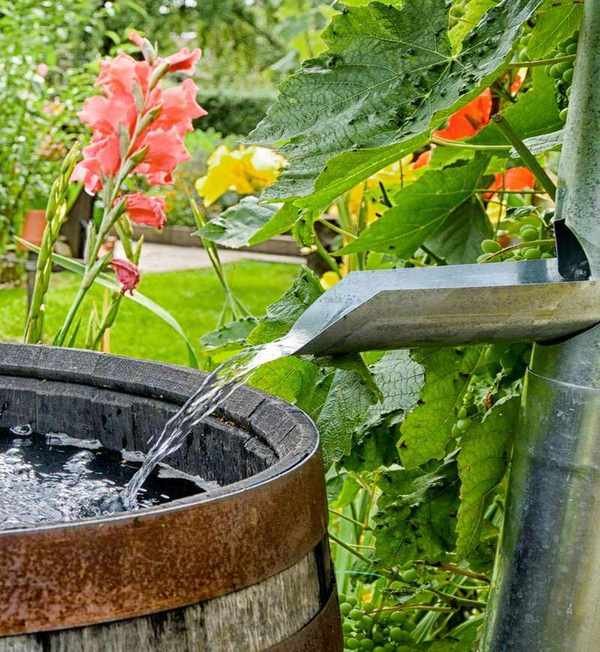
Harvesting rainwater is a sustainable way to manage water use. There are various methods, from simple rain barrels to more complex gray water systems, to capture rain for garden use.
A recycled plastic barrel can be just as effective as a specialized water-collecting system, enhancing both functionality and aesthetics in your garden. Placing multiple collection vessels near high-demand areas can save you from relying on a hose.
Water at Optimal Times

Watering early in the morning, before temperatures rise, is a smart way to optimize water use. This timing minimizes evaporation and ensures plants receive moisture when they most need it.
Morning watering can also help prevent slug and snail infestations and fungal diseases that thrive on wet foliage overnight. If mornings are busy, consider using a timer like the Orbit 58910 hose faucet timer from Amazon to automate your watering schedule.
Water Based on Plant Needs
It's essential to monitor the weather to avoid unnecessary watering. Watering when rain is imminent can lead to wasted effort and resources.
While most gardens will require additional irrigation during the growing season, understanding your US hardiness zone and checking the forecast can guide your watering schedule effectively.
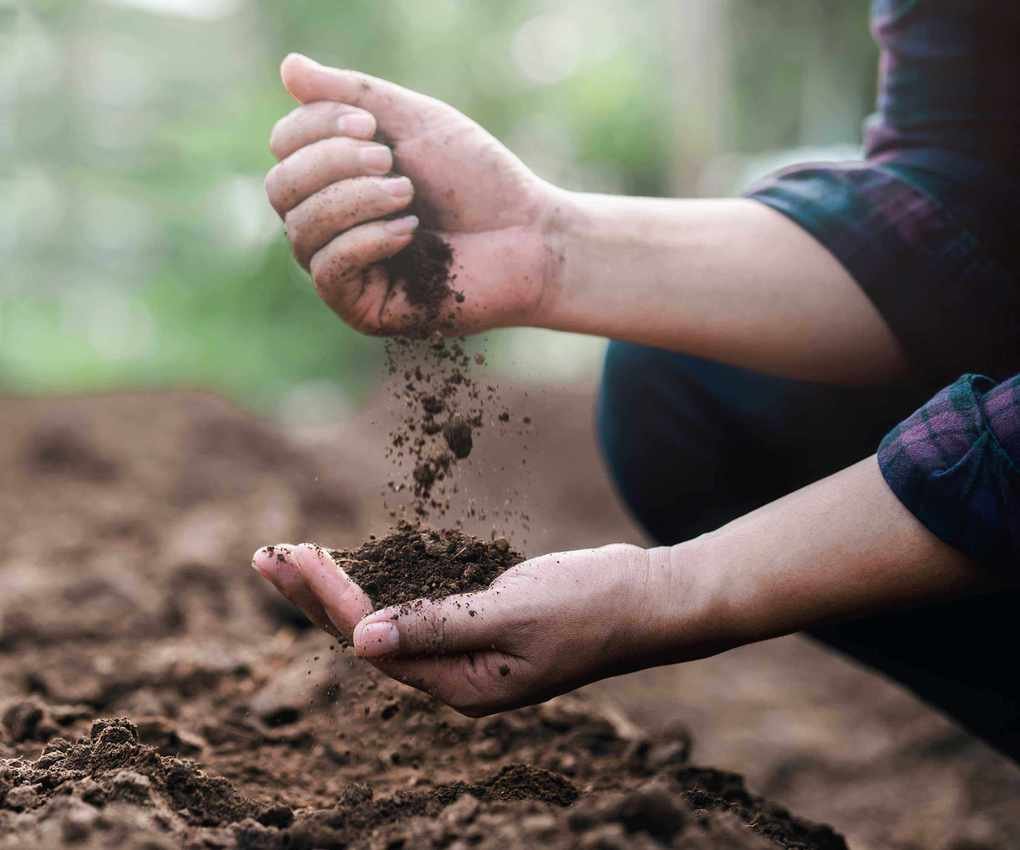
Always check the soil before watering; the surface may be dry, but moisture could still be present a couple of inches below. Overwatering can lead to root rot, so be cautious.
As we adapt to climate change, exploring ways to lessen our environmental footprint from our gardens is crucial. Incorporating these water-saving techniques can make a significant difference.
In addition to the methods mentioned, consider planting trees that can help combat climate change. Our guide on suitable trees for this purpose showcases options that can enhance your garden and benefit the planet.



