
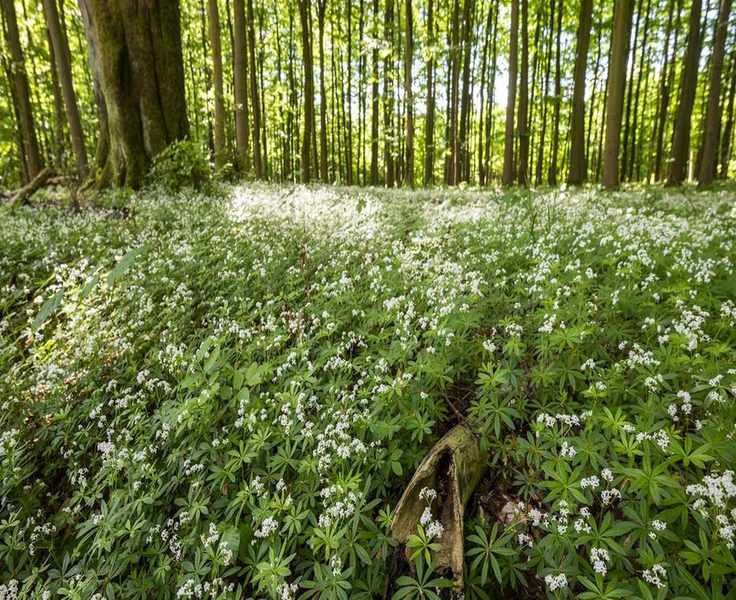
Ground cover plants serve as a simple and efficient solution to cover bare areas in your yard. Whether you're addressing a steep incline or a shaded section under a large tree, these plants offer year-round charm with minimal upkeep.
With my background as a professional gardener, I've nurtured various ground cover species across different gardens. They not only enhance visual appeal but also play a practical role by stabilizing soil with their robust root systems, preventing erosion.
Luckily, some of the most appealing ground cover plants are also the easiest to cultivate. Here, I'll share five low-growing varieties that excel in diverse conditions while requiring little maintenance.
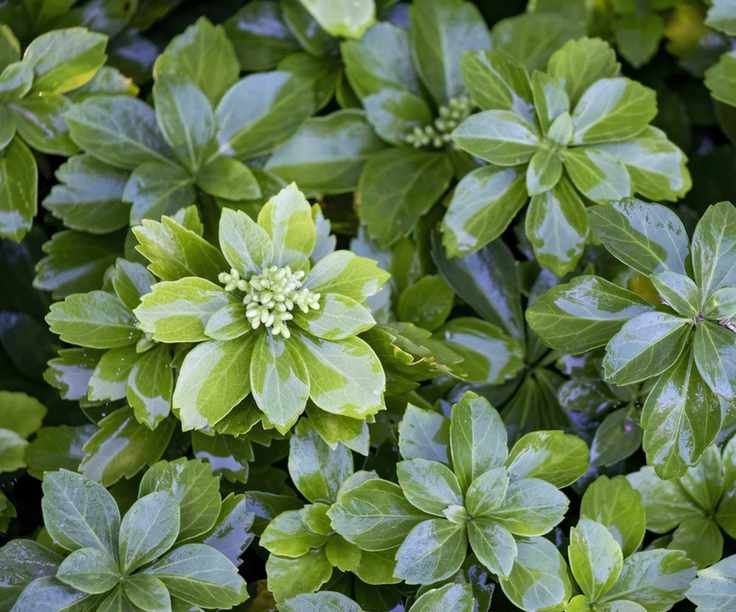
5 Simple Ground Cover Plants
Always select plants suited to your soil type, climate, and US hardiness zone. Choosing plants based solely on appearance, without considering local conditions, can lead to disappointment. Many easy-to-grow options can be quite vigorous, which can be both advantageous and problematic. To avoid issues with invasive ground cover species, consult local resources for guidance on what to plant.
1. Sweet Woodruff
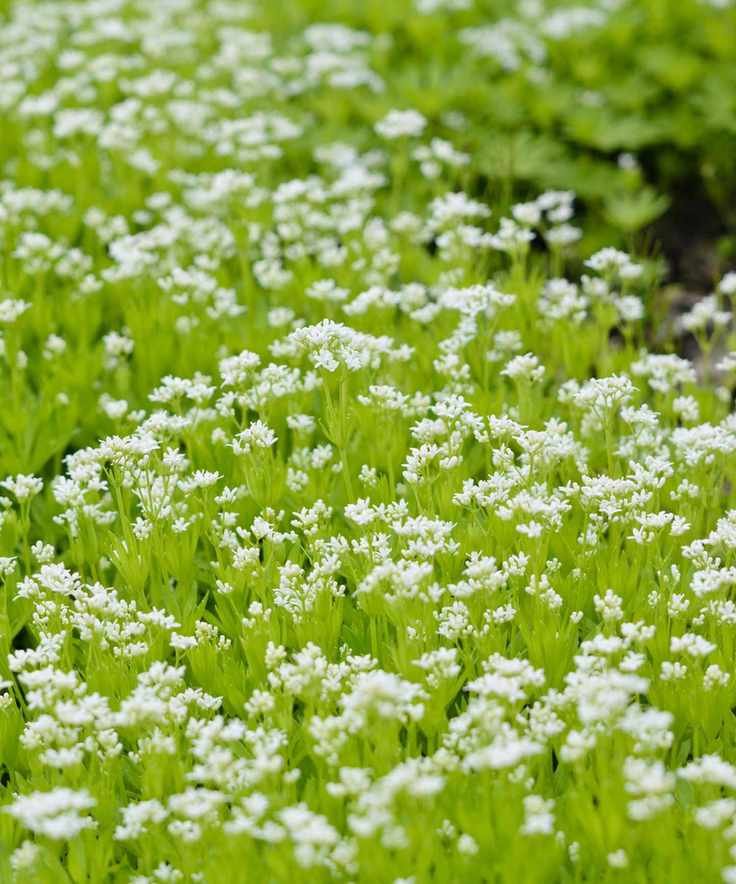
If you're after a low-maintenance ground cover for shaded areas, sweet woodruff is an excellent choice. Though it may seem fragile, it thrives in moist, dark borders down to US hardiness zone 4. This deciduous plant reaches a height of one foot and typically loses its leaves after the first frost.
Sweet woodruff, or Galium odoratum, is easy to cultivate but can sometimes spread too aggressively. Once established, it self-propagates through underground rhizomes, creating a lovely green carpet adorned with white flowers in spring.
This can be delightful in spacious woodland settings but may pose challenges in smaller gardens. I've cultivated Galium odoratum without issues in London gardens. To manage its growth, consider lifting and dividing clumps in the fall. Sweet woodruff live plants can be found on Amazon.
2. Japanese Spurge
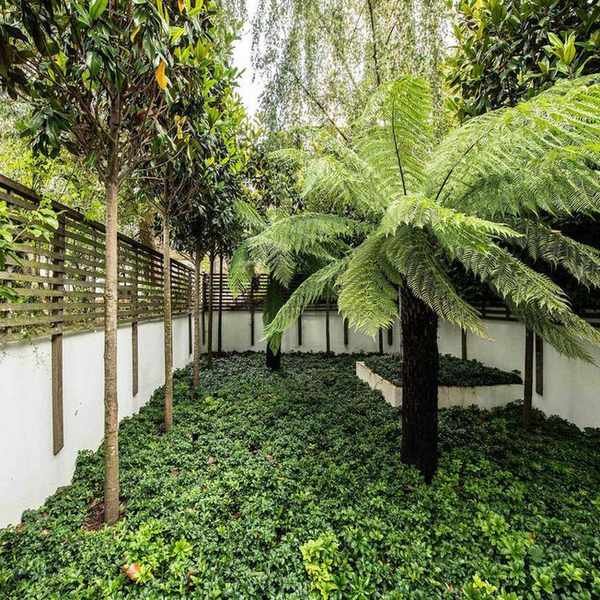
Japanese spurge, or Pachysandra terminalis, is a favorite among landscapers for its ease of growth. While this evergreen plant is resilient, it can be invasive in certain regions, so it's wise to confirm its suitability for your area before planting.
I've cared for Japanese spurge in various gardens, and it's a fantastic low-maintenance species for covering borders in greenery.
Thriving best in zones 4 to 8, Pachysandra terminalis flourishes in partial to full shade. It may take a year or two to establish, but with sufficient water and time, it fills challenging areas with lush foliage. It also produces small white flowers in late spring, although the evergreen leaves are its main attraction.
Japanese spurge bare-root plants are available on Amazon.
3. Blue Fescue
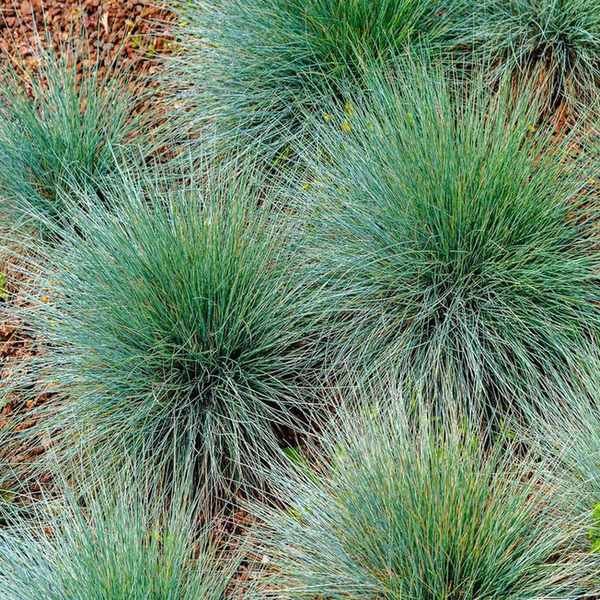
Another straightforward ground cover is blue fescue grass, Festuca glauca. This European native is among the best plants with silver foliage for use as an understory plant. Blue fescue live plants are available on Amazon.
'Blue fescue thrives in sunny spots,' shares Sam Niemann, a gardening expert and founder of a landscape design firm in San Diego. 'The more sunlight it gets, the more vibrant its blue color becomes.'
It can grow in zones 4 to 10 and is drought-tolerant. Blue fescue appears particularly stunning along gravel paths or patios, reaching a maximum height of 12 inches, so it won't obstruct your view.
For a native alternative, try Festuca californica, known as California fescue. This variety is less hardy, thriving in zone 7 and warmer, sunnier areas.

Sam is a passionate gardener whose love for plants drives his extensive horticultural knowledge. He studied finance at San Diego State University while establishing his landscape design firm.
4. Rosemary
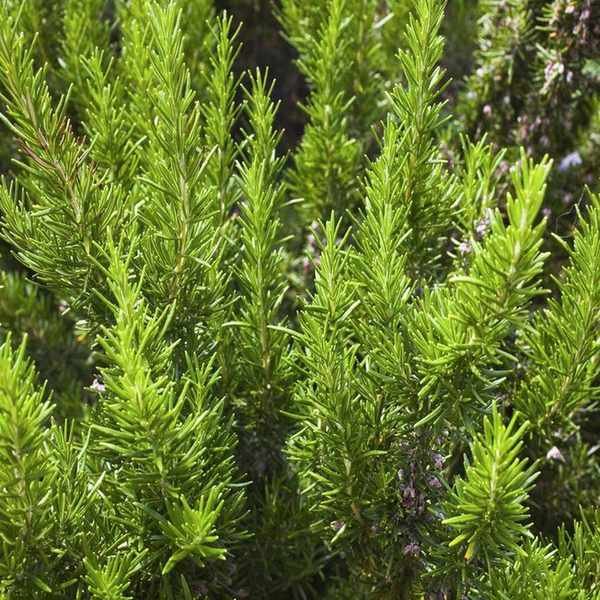
If you enjoy fragrant herbs, consider growing rosemary as a ground cover. While many types can serve this purpose, the prostrate rosemary, or Rosmarinus officinalis 'Prostratus', is specifically bred to spread.
During my time as a gardener in Tuscany, we cultivated this rosemary along border edges, allowing it to cascade over retaining walls. With its evergreen foliage and delicate lilac flowers that attract pollinators, rosemary adds both beauty and functionality to any garden.
Best suited to zones 7 to 10, rosemary is drought-resistant, though deep watering is essential in the first year for establishment. Once established, it requires minimal care besides an annual summer trim to maintain its shape.
Prostrate rosemary live plants are available on Amazon.
5. Lingonberry
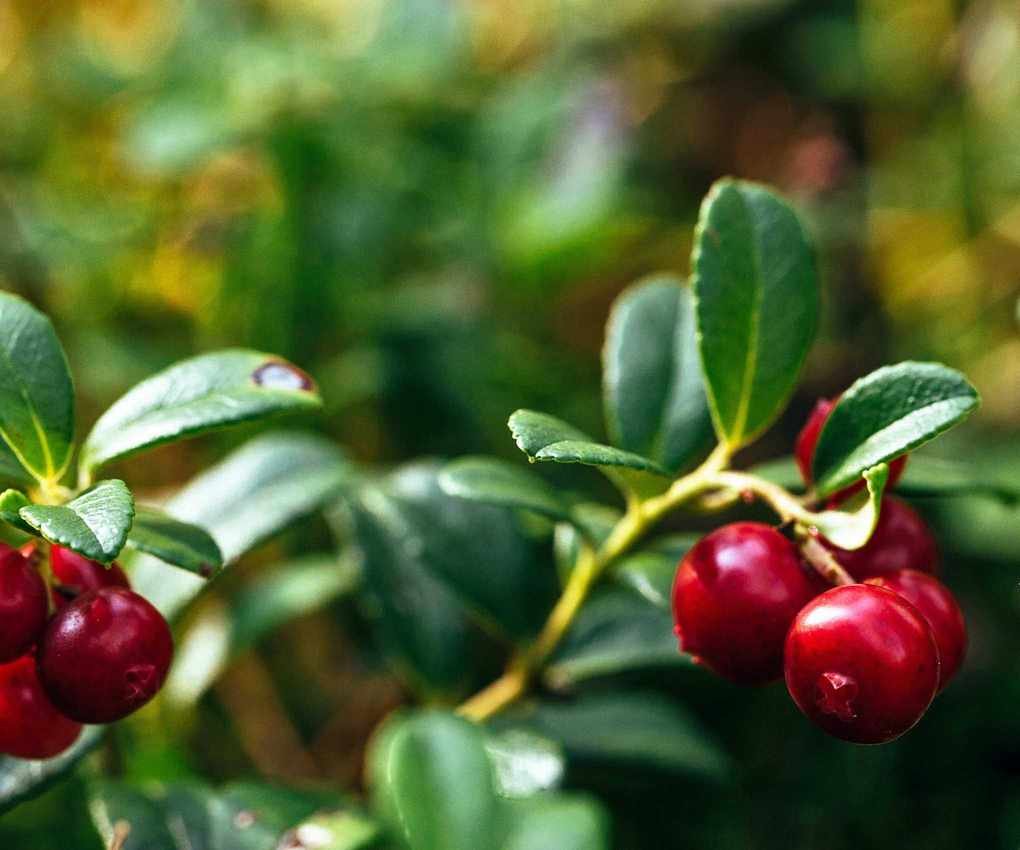
Lingonberries, or Vaccinum vitas-idaea, are unique ground cover plants that thrive in boreal forests and alpine regions. They're surprisingly low-maintenance and can flourish in zone 3 and beyond, enduring harsh winters and heavy snow.
'If you're seeking edible evergreen ground cover, consider adding lingonberries to your garden,' advises Tabar Gifford, a plant expert and master gardener.
'This native plant can reach heights of one to two feet and is resilient to cold—found in the wild from Greenland to Alaska. It thrives in damp, slightly acidic soil for the best results.
'In summer, red berries develop that are favored by birds and wildlife,' Tabar adds. 'They can be used in juices or jams, offering a flavor reminiscent of cranberries and blueberries.'
Lingonberry starter plants can be found on Amazon.

Tabar is a master gardener with a lifelong passion for gardening and nature. With a background in environmental studies, she combines her horticultural expertise with a commitment to education.
Frequently Asked Questions
What is a low-maintenance native ground cover to grow?
Creeping juniper, or Juniperus horizontalis, is one of the easiest native ground cover options. This hardy evergreen thrives down to zone 4, covering borders with lush, coniferous growth. It adapts well to various locations, even in poor or rocky soils. Choose an area with at least four hours of sunlight daily. Creeping juniper live plants are available on Amazon.
When is the best time to plant ground covers?
This varies by climate and species, but most ground covers thrive when planted in spring, as the soil is moist and temperatures are mild. Early planting maximizes the time available for establishment before winter.
If deer frequently visit your yard, consider using deer-resistant plants when selecting low-growing ground covers. Creeping juniper and lingonberries are good choices that deer typically avoid. Your local nursery can suggest additional pest-resistant native species.
For more low-maintenance ideas, check out our guide on the easiest perennials to grow. Incorporating a few of these plants is a simple way to enjoy vibrant blooms this year.



