
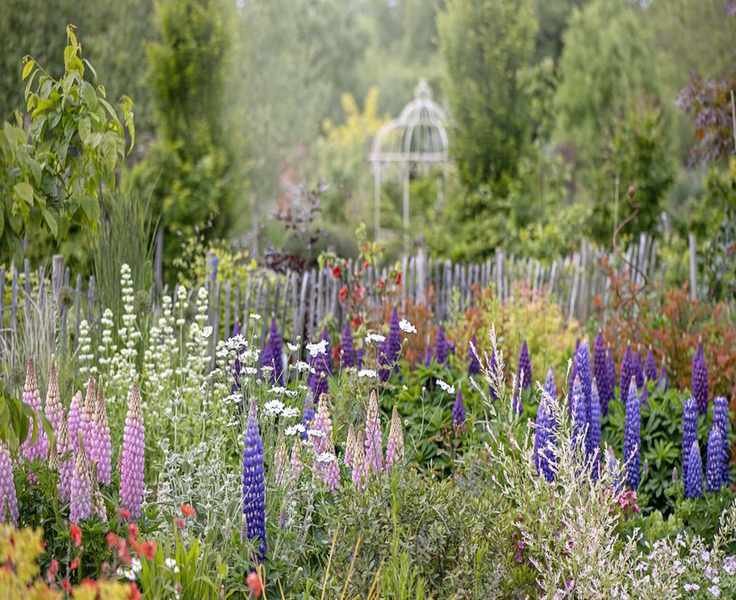
Dreaming of a vibrant garden but want to avoid strenuous maintenance? Selecting easy-to-grow perennials will fill your outdoor space with colorful blooms that return annually, requiring little effort from you.
The best perennials demand minimal care, thanks to their resilience or native adaptability to your local soil and climate. They may need just an annual trim and hardly any extra watering.
Whether you have a green thumb or not, opting for these simple perennials can enhance the beauty of your yard, attracting butterflies and birds along the way.
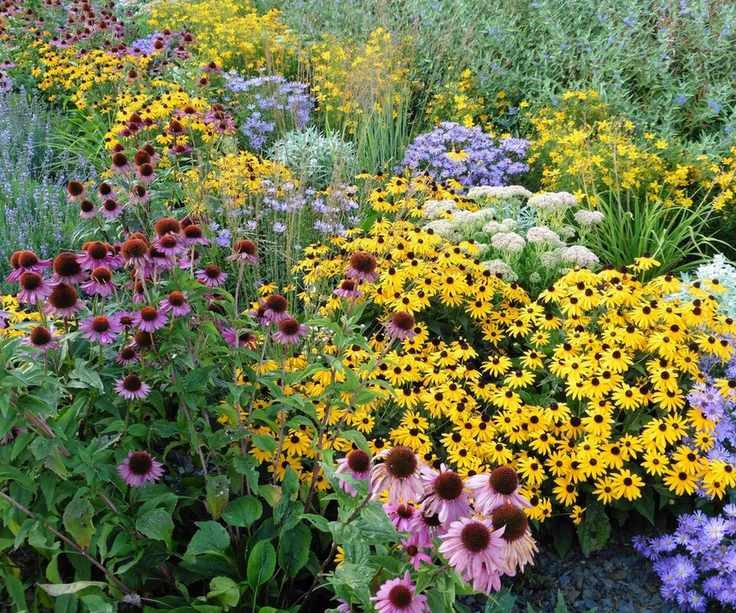
6 Easy-to-Grow Perennials
The perennials listed here are low-maintenance and beginner-friendly, making them perfect for anyone looking to add beauty to their garden while also benefiting pollinators.
"Native plants in your zone will always be the most low-maintenance," explains David Angelov, a master gardener and founder of a garden design company. "They handle sun and water fluctuations well and require the least pruning. However, some non-native perennials are also easy to grow and visually stunning."

David Angelov is a Master Gardener and CEO of a garden design and maintenance firm based in Massachusetts.
1. Hyssop (Agastache) Cultivars
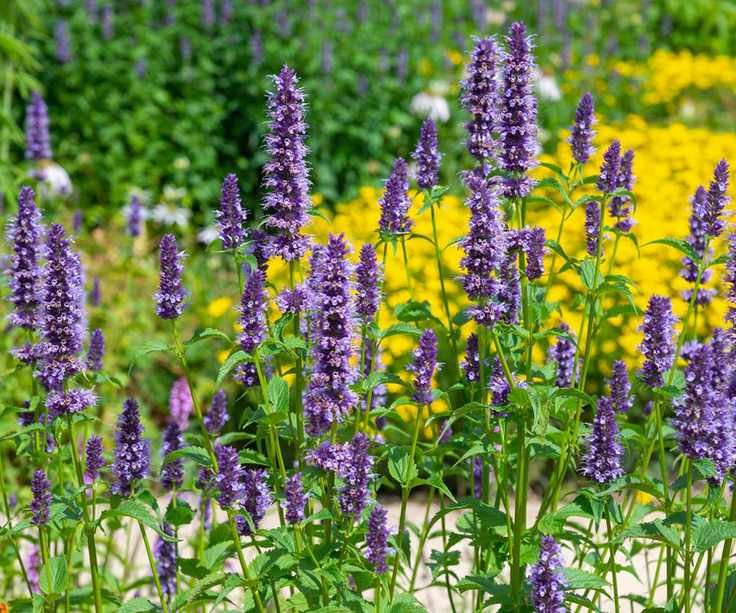
Known as Anise Hyssop, this herbaceous perennial is a member of the mint family. It provides scent, color, and texture to your garden while attracting hummingbirds, bees, and butterflies. Native to the southwestern U.S., Agastache cultivars thrive in USDA zones 5-9.
According to Amy Yarger, Senior Director of Horticulture at a pollinator organization, "These drought-tolerant perennials bloom from July to October, needing little water or fertilizer. Rabbits and deer tend to avoid them, too."
"The vibrant sunset colors and fragrant foliage attract many pollinators. They prefer full sun and well-draining soil but have thrived for over 20 years in heavy clay soil. We only cut them back in spring when new growth appears."
The Agastache Blue Boa offers stunning blue-purple blooms on tall spikes that last throughout the season.
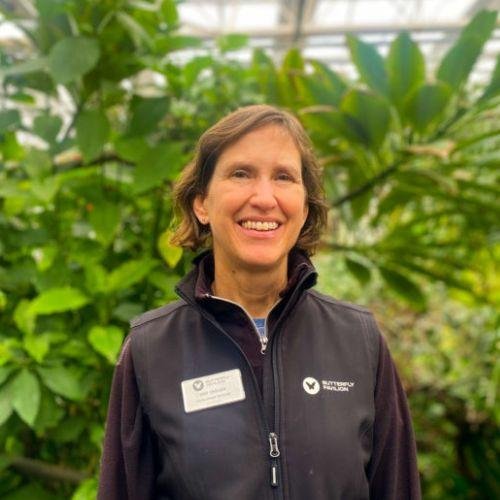
Amy Yarger is the Senior Director of Horticulture at a pollinator organization in Colorado, leading local habitat restoration initiatives.
2. Milkweed (Asclepias)
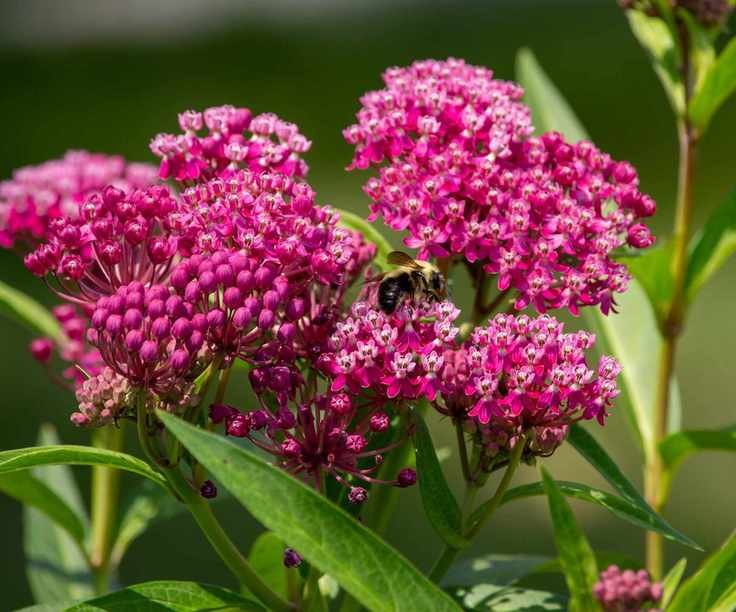
Milkweed, also known as butterfly weed, serves as a vital host plant for Monarch caterpillars and is essential for butterfly survival. It's colorful, easy to cultivate, and requires minimal care once established.
"After establishing, milkweed needs little water or attention," notes Amy. "Collecting seeds may be the only maintenance if you want to control new seedlings. The seed fluff is also visually appealing in autumn."
"Most gardeners cultivate milkweed for monarchs (Danaus plexippus), but many insects rely on it too. We cultivate various milkweed species, with A. incarnata being a favorite for monarchs, while still being manageable in gardens. Even if you aren't keen on bugs, the fragrant, architecturally interesting flowers add a lovely pink touch in midsummer."
"Rose milkweed prefers well-draining, moist soil but can tolerate drier conditions. It thrives in full sun and requires little once established."
"The easiest milkweed to grow is the native type for your area," David adds. "For us, it's Asclepias Syriaca. Tuberosa is also a good choice, producing smaller flowers without needing deadheading and multiplying on their own."
Asclepias seeds from True Leaf Market are Non-GMO, native to the Eastern US, and can be started indoors in spring.
3. Engelmann's Daisy (Engelmannia peristenia)
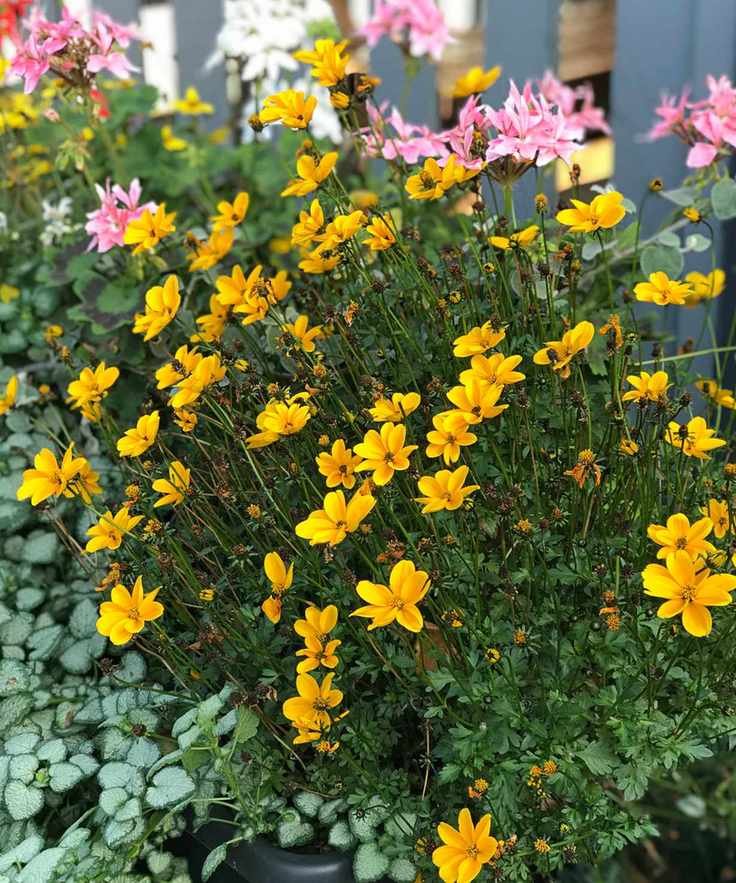
Native to the south-central U.S. and hardy in USDA zones 5-10, Engelmann's daisies thrive in various conditions, including different soil types and moderate to dry moisture levels. Their bright yellow flowers add charm to any wildlife garden.
"This resilient perennial needs minimal care," Amy states. "Engelmann's daisy delivers long-lasting blooms from May until frost, with numerous flowers throughout the season."
"Finding a perennial this attractive yet tough is rare. The sunny yellow blooms attract many native bees and butterflies. They thrive in sunny spots but dislike overly moist or shady areas. Maintenance involves simply cutting back in spring."
4. Pineleaf Penstemon (Penstemon pinifolius)
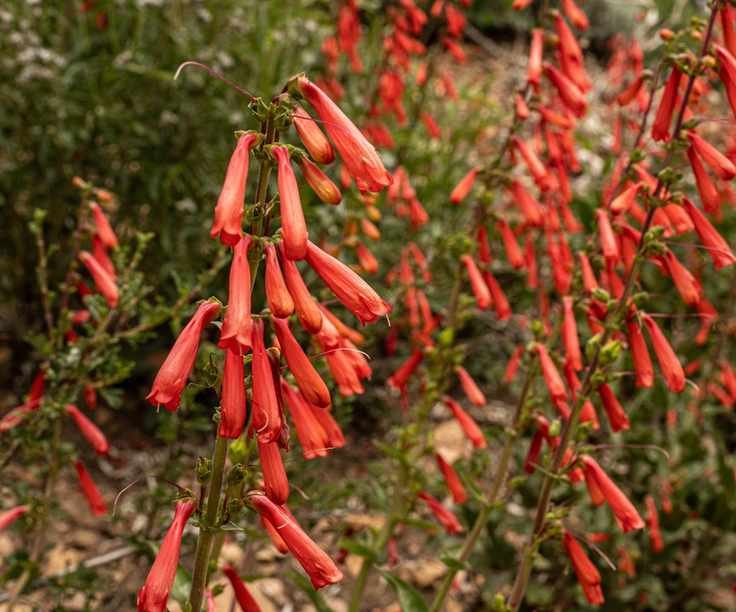
If you're exploring drought-tolerant plants, consider pineleaf penstemon. This perennial needs minimal extra watering once established and is native to the southwestern U.S., thriving in USDA zones 4-10.
"This long-lived perennial can act as ground cover in xeric gardens," Amy explains. "They form a dense mound that suppresses weeds and have no significant pest or disease issues."
"With their small needle-like leaves, they add texture to gardens. These mounding plants shine in rock gardens or sunny borders and attract various pollinators, including bumble bees and hummingbirds."
"We grow red and yellow variations, but new orange types are also available. Pineleaf penstemons enjoy full sun and well-draining soil, and we've seen them thrive in clay soil for over a decade."
"Trimming spent flowers encourages a longer bloom season, and they don't require extra fertilization."
5. Hosta
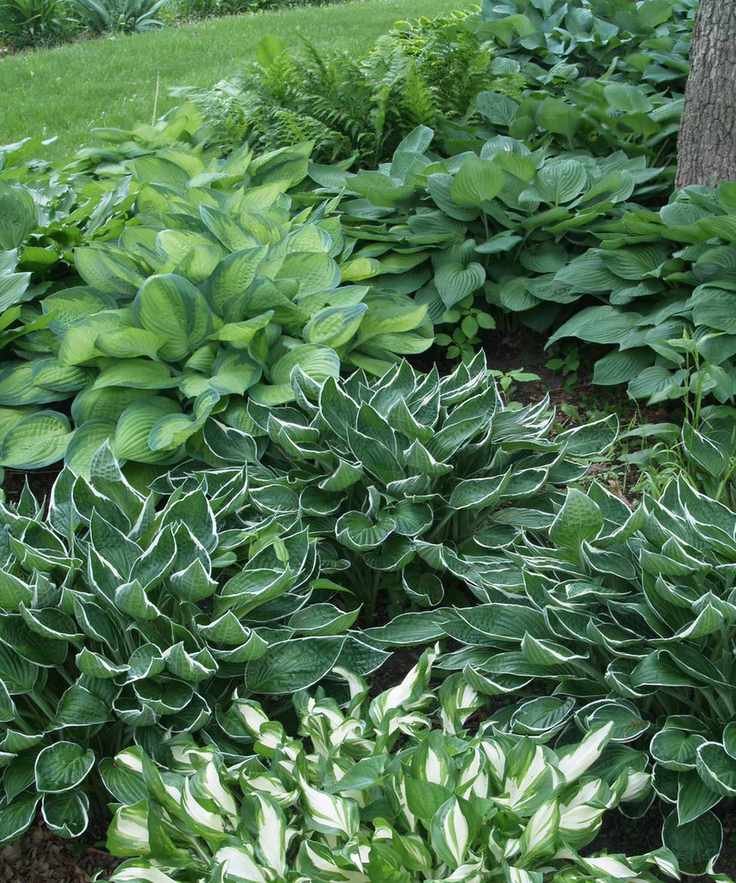
Hostas are stunning herbaceous perennials, perfect for containers or beds, and ideal for creating lush foliage borders. With a vast array of cultivars, hostas come in various shapes, shades of green, and unique variegations, ensuring a match for any garden style.
"Though not native, hostas thrive in many environments," David states. "I plant them in challenging spots where other plants struggle. They provide excellent coverage and are easy to maintain, but watch out for rabbits nibbling on new shoots. I always plant in groups of three, so I can later divide them if needed."
Hosta, Magic Island changes color throughout the year, boasts thick leaves resistant to slugs, and produces lavender flowers in summer, attracting hummingbirds.
6. Black-Eyed Susan (Rudbeckia)
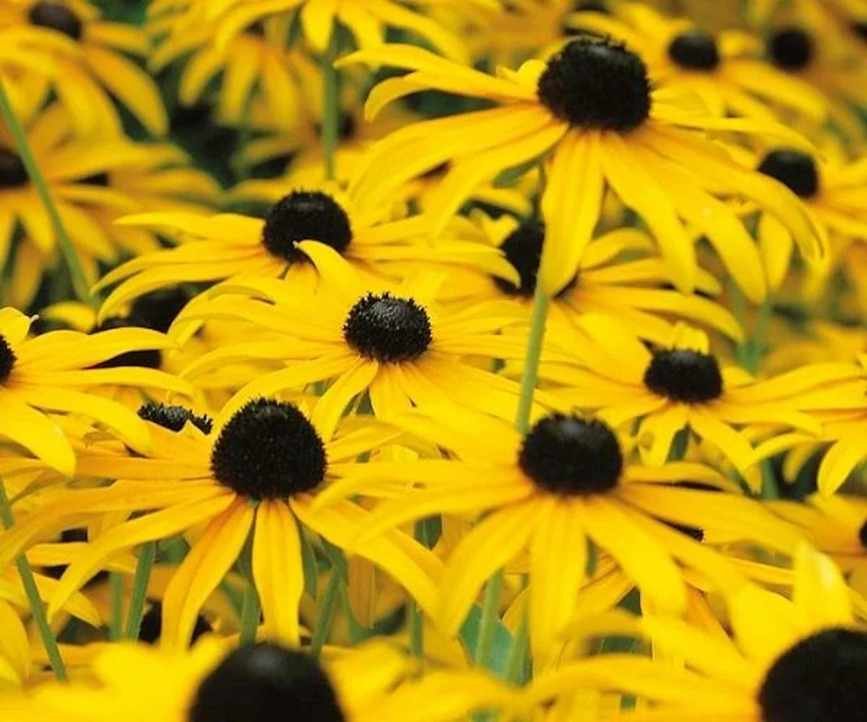
Black-eyed Susan, or Rudbeckia, is a well-loved perennial perfect for prairie gardens, as it's native to Central and Eastern North America. It adds vibrant color with minimal maintenance all summer and its attractive seed heads provide winter interest and food for birds.
"I appreciate black-eyed Susans for their extended summer blooms," David shares. "They spread naturally, need little water, and stand out beautifully among wildflowers. They also look great in groups of three. Their vertical, columnar growth can appear leggy when solitary, but clusters enhance their visual appeal."
No matter your gardening style, you can achieve a lively garden without constant labor. Plant these easy perennials and enjoy their beauty year after year with minimal maintenance.
For another low-maintenance perennial, check out our tips on growing marsh mallow plants for tall, colorful spires.



