
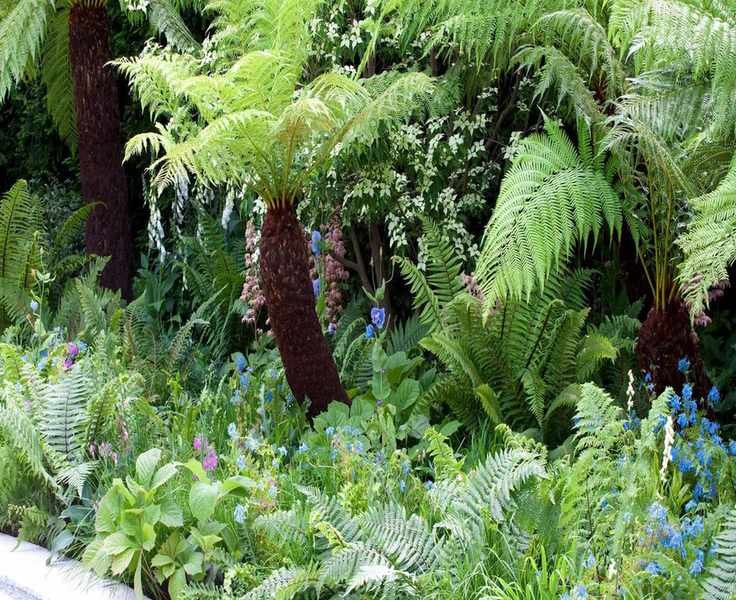
Once you learn how to grow ferns, you'll see how these adaptable plants can add depth and elegance to your garden.
Whether you prefer the soft, feathery varieties or more robust forms, ferns blend beautifully with various plants in borders and beds. With evergreen and deciduous options available, they ensure year-round visual interest.
Ferns can enhance naturalistic designs, add charm to woodland settings, or act as striking focal points in stumperies. They come in different sizes, shapes, and colors, introducing a wild touch to any garden.
Additionally, ferns are generally easy to cultivate, long-lived, and require minimal upkeep, making them a worthy addition to any garden enthusiast's collection.
Growing Ferns
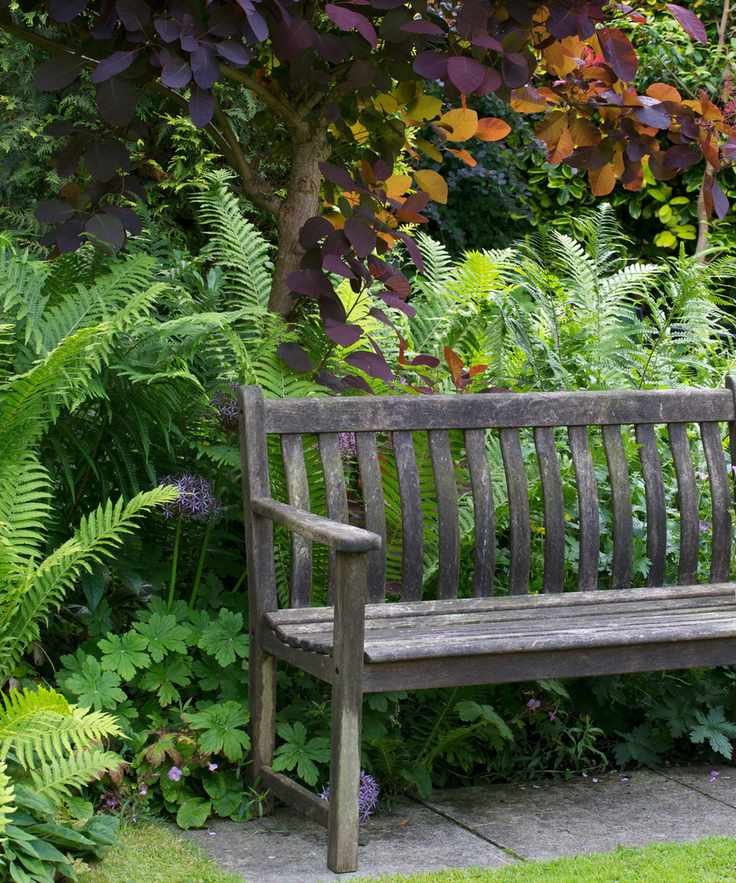
Once a staple in Victorian garden design, ferns are cherished for their enduring foliage.
These plants thrive in diverse climates, and various species exist for every hardiness zone.
Most ferns prefer shady, moist, well-drained environments, making them ideal for darker corners or north-facing gardens. However, some varieties, like asplenium, can thrive in cracks of walls or on rocky surfaces, while others are suited for dry shade or even aquatic settings.
"I enjoy creating spaces with ferns, whether it’s a shady nook or in pots featuring unique varieties. For dry shade, I might choose polystichum, but for a lush area, dryopteris and athyriums work well," says horticulturist Aimee-Beth Browning.
Timing for Planting Ferns
Ferns can be planted throughout the year as long as the ground isn’t frozen or overly wet and conditions aren’t windy. Spring or fall is ideal for planting, allowing them to establish before extreme weather.
Fall is particularly favorable for drier areas, enabling roots to settle in over winter, leading to better summer performance.
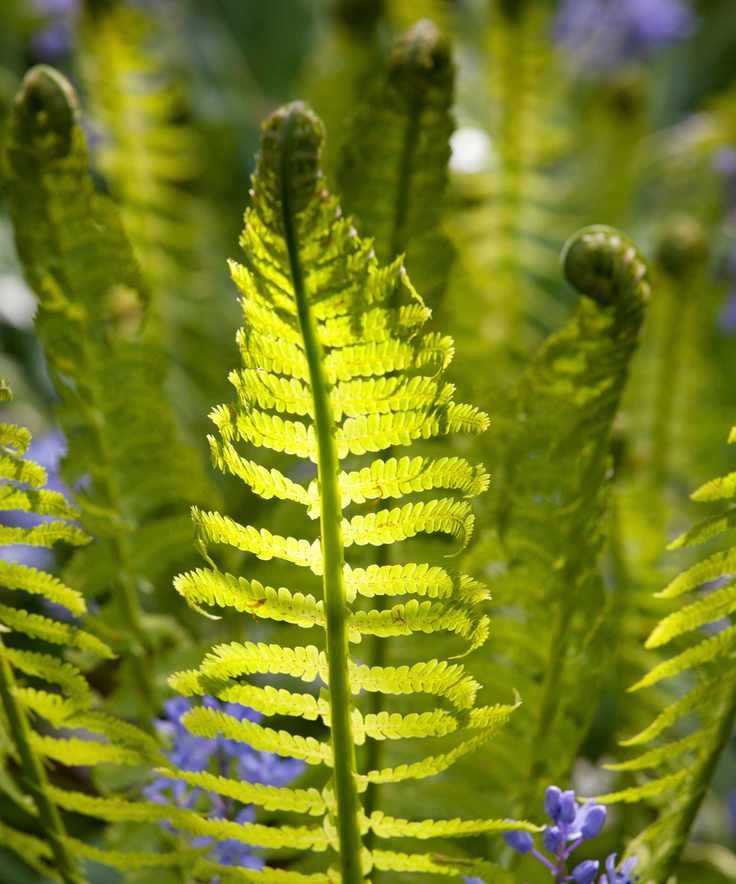
Instead of seeds or flowers, ferns reproduce through spores found in casings (sporangia) on the fronds’ undersides, which unfurl from coiled buds.
As perennials, some ferns die back in winter while others stay evergreen. Hardy ferns can remain outdoors all year without frost protection, making them excellent for winter gardens. Half-hardy types, like tree ferns, may need some winter protection.
Potted ferns are available year-round from garden centers and online. Check labels for hardiness levels.
Choosing the Right Spot for Ferns
To grow ferns successfully, select an area with light or dappled shade, as most cannot endure full sunlight. Seek locations sheltered from strong winds, ideally with overhead cover for increased humidity.
Ferns prefer soil that is neutral to alkaline, moist yet not waterlogged, rich in organic matter, and high in leaf mold, although some can tolerate various soil types.
"Most commonly grown ferns thrive in woodland-like conditions with dappled shade and low-nutrient, moist soil. Adding chipped wood bark annually as mulch can retain moisture and suppress weeds," advises Andrew Leonard from the British Pteridological Society.
Planting Ferns
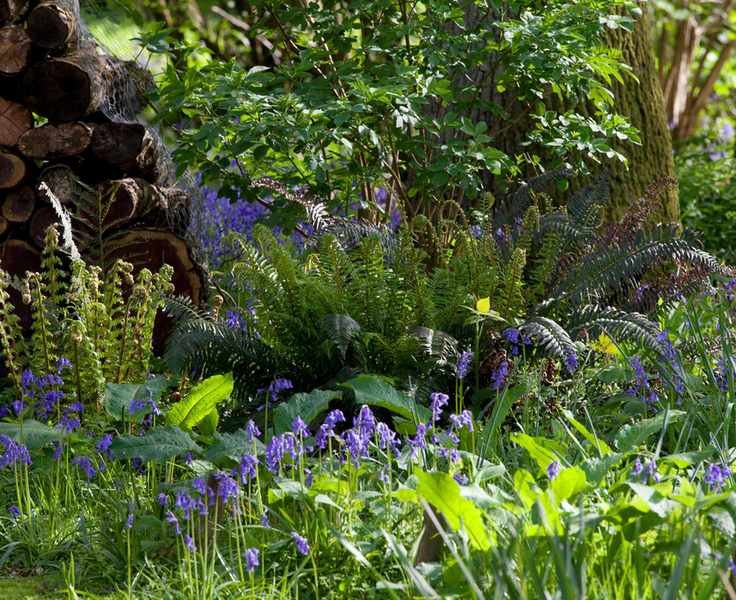
Before planting ferns, enrich your soil with compost or leaf mulch to improve moisture retention, especially in dry shade.
Ferns that die back prefer wetter soils in open spaces, while evergreen types like drier conditions.
When planting multiple ferns, consider their mature spread and space them accordingly. For instant impact, plant closely and divide later when needed.
The planting hole should be twice the width of the fern’s container and the same depth. Loosen heavy soil around the hole for easier root penetration, and firm light soil at the base. Gently tease out roots, plant at the same depth as in the container, firm down, water well, and top with mulch.
“Creating a larger hole with ample organic matter is beneficial. Adding an organic mulch layer helps retain moisture and encourages roots. Be patient; results may take time, but they will thrive,” adds Browning.
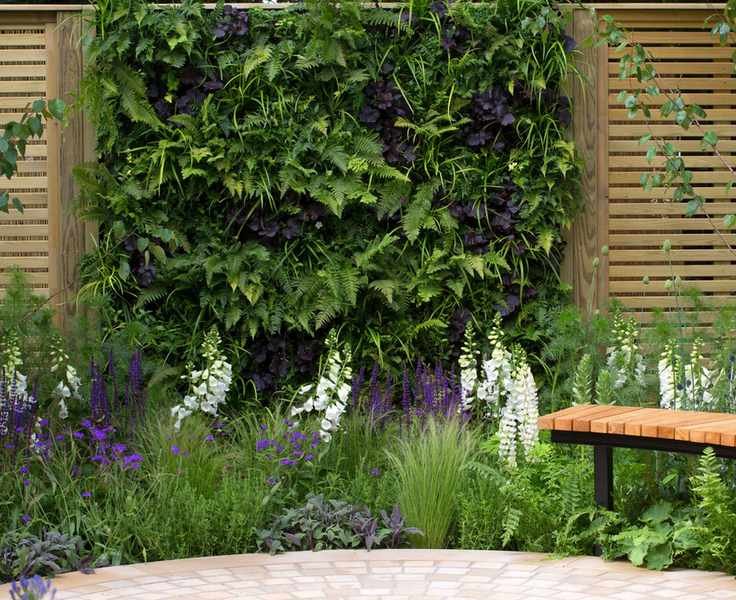
Optimal Locations for Ferns
Ferns are versatile and can enhance any garden area, creating a naturalistic effect. Pair them with other shade-loving plants in flower beds for lush displays.
Companion planting with hostas, epimedium, astilbe, dicentra, galanthus, polygonatum, and cyclamen allows for diverse colors and textures.
“Ferns add shape and texture, serving as a beautiful backdrop for other plants. Drought-tolerant options like Dryopteris filix-mas and Polystichum setiferum suit tricky shady spots. For spring, pair with hellebores and bleeding hearts, and for fall color, add Liriope muscari and Japanese anemones,” suggests Asa Gregers-Warg, head gardener at the Beth Chatto Gardens.
For year-round interest under trees, opt for evergreen ferns, which also tolerate drought better. Ferns thrive near water sources, making them ideal for planting around ponds with primulas and other marginals, as pond plants.
“The Royal fern, Osmunda regalis, is stunning near water, forming elegant clumps that change color through the seasons,” notes Gregers-Warg.
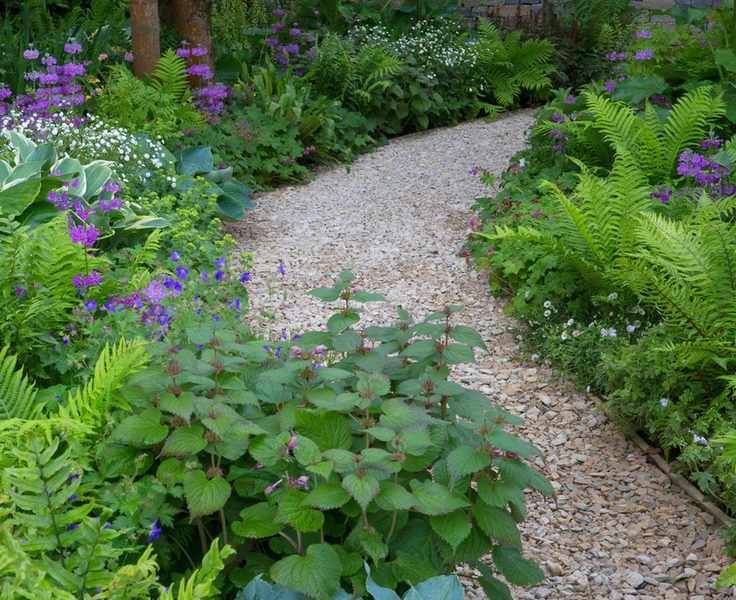
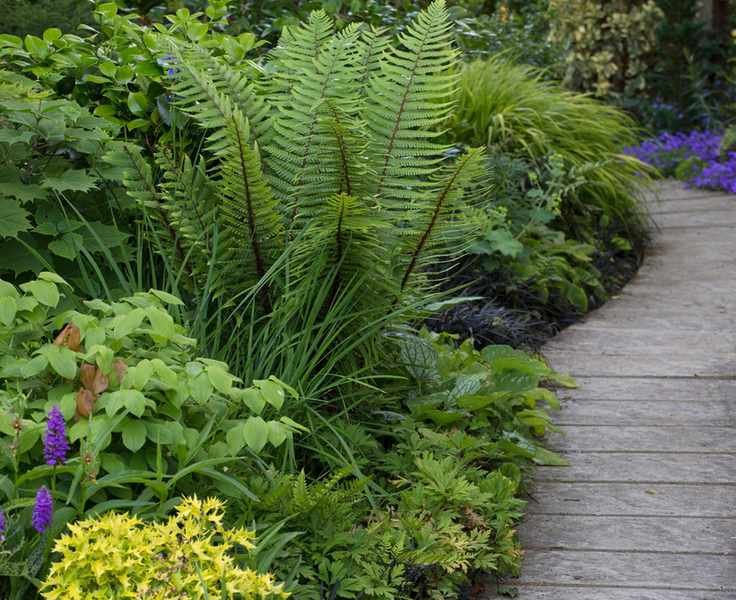
Ferns can also line pathways, especially with traditional materials, and are great additions to vertical gardens, including living walls.
Many ferns fit beautifully in rock gardens or can peek from dry stone walls for a natural touch. “I love mimicking their wild growth, often found on tree branches or walls where they thrive on collected organic matter,” adds Browning.
Low-growing ferns can serve as groundcovers in challenging lawn areas or beneath evergreen shrubs. Conversely, dramatic tree ferns stand out as single specimens, complemented by ornamental grasses or neatly trimmed shrubs.
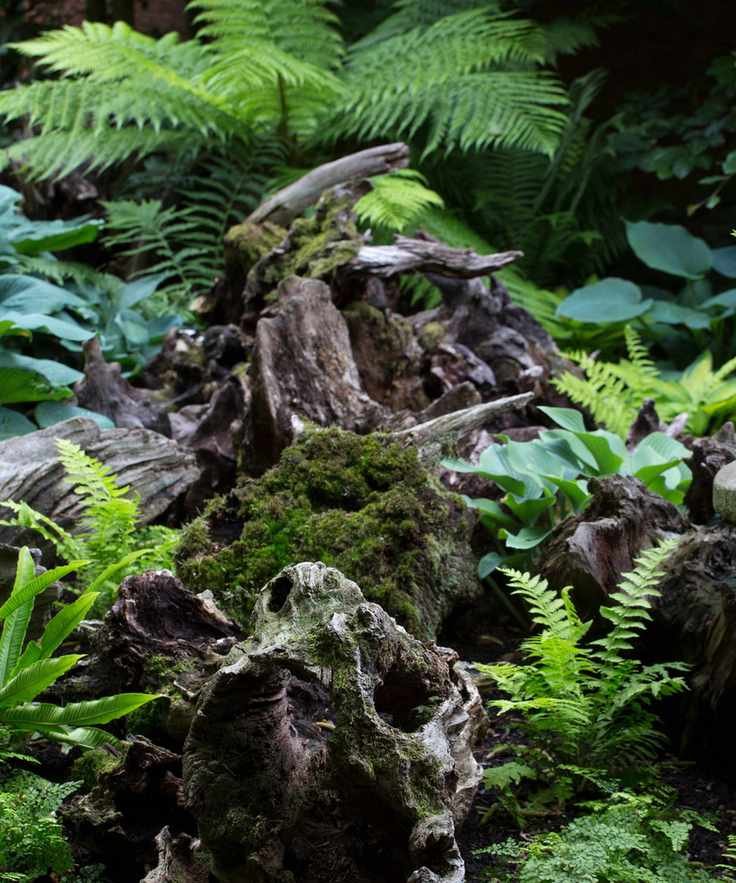
Best Practices for Growing Ferns
Creating a micro-habitat within a stumpery is an excellent way to cultivate ferns, offering an attractive wildlife-friendly garden while enhancing shady corners. Stumperies provide ideal environments for insects and birds, benefiting from rainwater collected in hollows.
“Upside-down tree stumps create perfect shady, damp conditions for ferns. A stumpery should be densely planted to minimize exposed soil, reducing weed growth,” explains David Perry, garden manager at RHS Garden Rosemoor.
“Adding a layer of leaf mold before planting is crucial, and some plants may need feeding, especially those in pockets within the stumps. Always use hardwood, as softwood decomposes too quickly,” he adds.
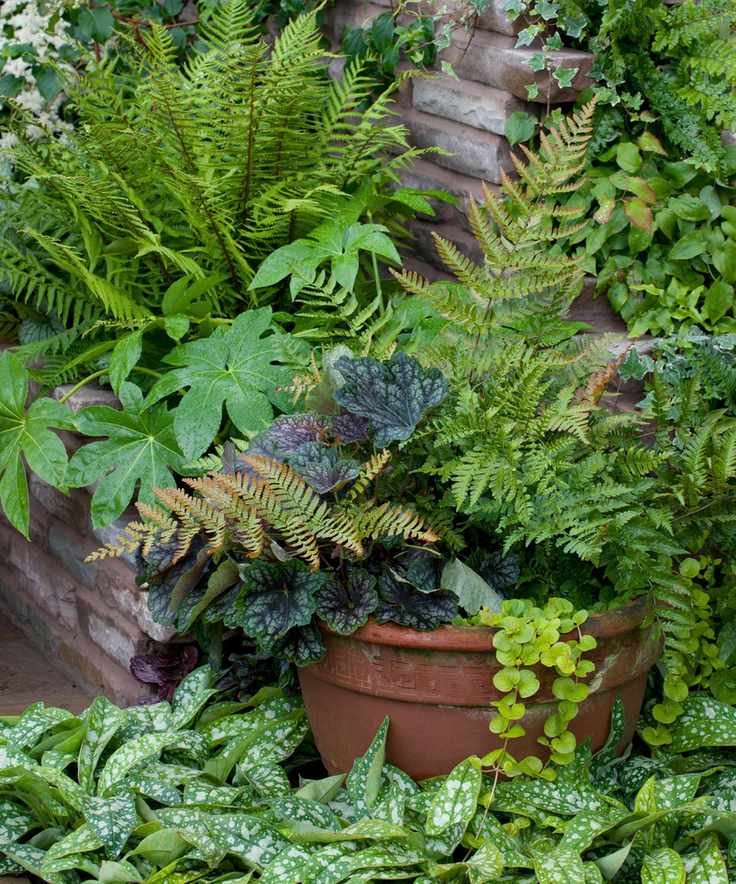
Growing Ferns in Containers
Ferns thrive in pots, whether alone or mixed with other plants. Their attractive foliage, ranging from greens to silver, burgundy, and bronze, allows for creative combinations.
Any fern can grow in containers since they aren’t deep-rooted. While some are delicate, many are hardy and resilient. Just remember to keep them consistently moist, as pots can dry out quickly.
Regularly water to maintain moisture and apply a balanced fertilizer during the growing season. Containers provide flexibility for placement and can create groupings, from mini-fern gardens to mixed plant displays.
Use various containers, but smaller or shallow pots work best for maintaining soil hydration. Ferns also rank among the best options for hanging baskets.
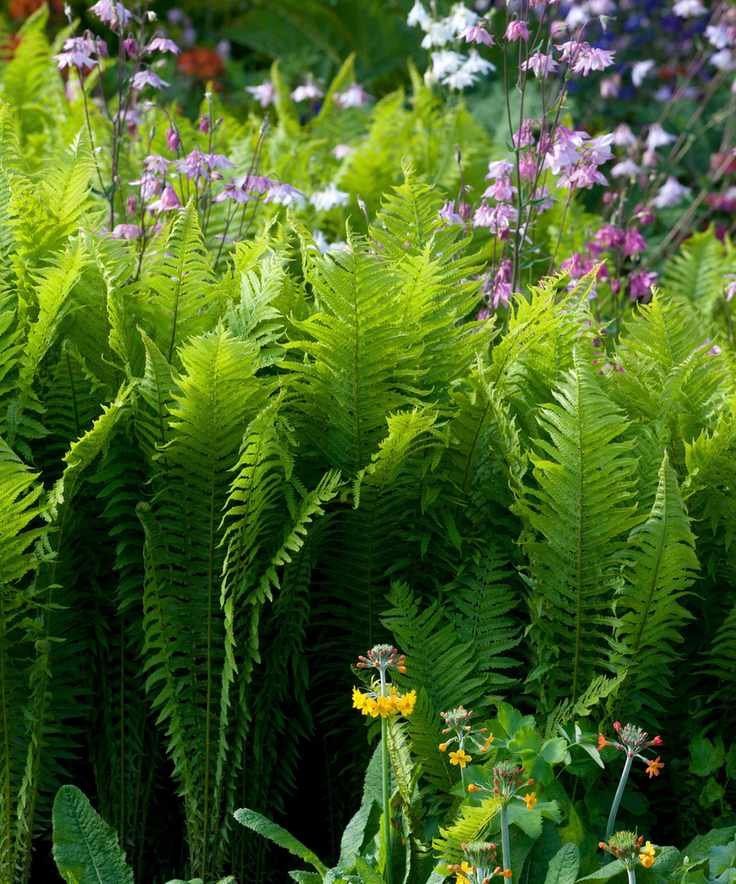
Maintaining Healthy Ferns
Ferns require minimal maintenance; ensure they’re planted in suitable locations.
Generally, feeding isn't needed unless soil quality is poor; in that case, use a balanced spring fertilizer. Tree ferns benefit from monthly liquid feeds during spring and early summer or a controlled-release fertilizer at the base each spring, with misting to keep their trunks damp.
Weeds typically aren’t a concern as ferns form dense clumps, and mulching suppresses weed growth. Old fronds naturally fall and decompose, but if pruning is necessary, remove dead fronds in late winter or early spring to promote airflow.
Winter protection for half-hardy ferns is vital if they can’t be moved indoors. Apply straw around the crown, carefully tie fronds, and wrap in fleece. For propagation, divide clumps and replant in spring.
Ferns face few pests and diseases; slugs may target young fronds, and vine weevils can affect container-grown ferns.
Watering Frequency for Ferns
Regularly water newly planted ferns during their first year. In dry spells, ensure the soil remains moist and water at the roots, avoiding the fronds to prevent rot. Refreshing mulch each spring aids in moisture retention and enriches the soil.
“When planting ferns in dry shady areas, especially under trees, provide additional water in the first few months, particularly during hot weather. Some ferns have intricate root systems, and watering encourages new growth and adaptation,” advises Aimee-Beth Browning.
Here are some key tips for growing ferns in dry shade:
- “Be patient; ferns typically need time to adjust after being planted in dry shade and may initially seem unthrifty. They are adaptable, and nurturing will pay off with time.”
- “Ensure the fern you choose thrives in dry shade; many need consistent moisture or proximity to water.”
- “After hot, dry spells, some ferns may look crisp and brown. Don’t panic; they often bounce back with water and can return next spring. Ferns are resilient and have thrived for centuries.”



