
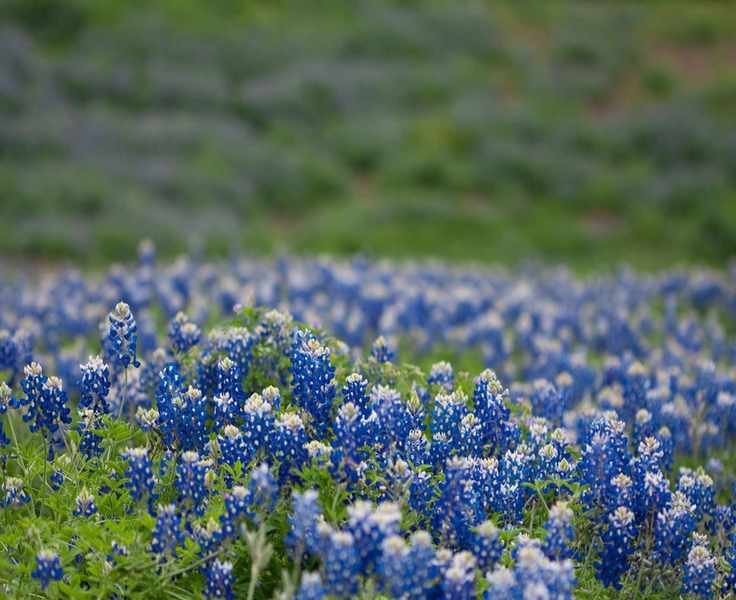
Transform your garden with stunning bluebonnets. Whether for nostalgia, to attract pollinators, or simply to enjoy a breathtaking display of blue, cultivating these flowers is incredibly gratifying.
Whether you're planting them in large clusters or a small pot, bluebonnets are fantastic flower bed ideas for brightening up a neglected area or sunny border. Pair them with ornamental grasses or other native plants for a beautiful meadow-like effect.
These hardy annuals, related to lupins and part of the pea and bean family, can go from seed to flower and back to seed within a single season. Given the right conditions, they will self-seed and return the following year. While it may take a few years to establish a robust display, once they settle in, they become a cherished seasonal highlight.
Growing Bluebonnets Successfully
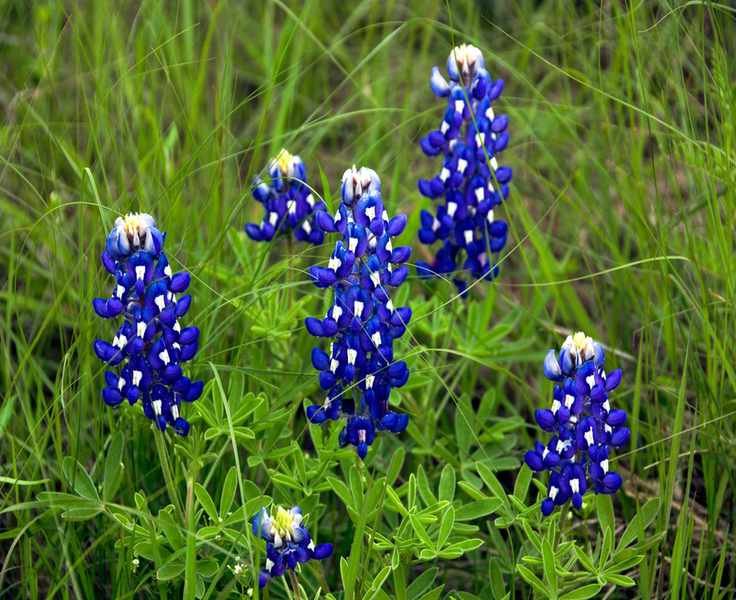
Learn how to incorporate these striking blue flowers into your garden and ensure their return each year. Start by selecting the ideal location for your bluebonnets.
Ideal Locations for Bluebonnets
These Texas state flowers also thrive in southern Louisiana, Florida, Mississippi, and Oklahoma. They prefer hardiness zones 4-8 and flourish in well-drained, poor soils. If your garden has chalk, sand, clay, or loam, consider giving them a try.
Experts recommend that Texas bluebonnets thrive best in sloped areas with light to gravelly, well-drained soil with a pH of 6-7. They require around eight hours of direct sunlight, so ensure they're planted away from any trees or structures that might cast shade. South or west-facing areas work best.
Bluebonnets are somewhat solitary and don't do well when overcrowded by more aggressive plants, so plan accordingly when incorporating them into an established garden.
Preparing Bluebonnet Seeds for Spring Planting
After blooming, bluebonnets produce pods filled with hard seeds. These seeds have a tough outer shell, as noted by experts: 'Planting Texas bluebonnets successfully can involve sowing in the fall or scarifying the seeds to help them germinate more easily.'
For effective planting, you can gently nick the seeds with a knife or rub them with sandpaper and soak them overnight before sowing.
If you have a large quantity to plant, consider mixing the seeds with damp sand, placing them in a Ziploc bag, and refrigerating for 3-4 weeks. This process can help break their dormancy and promote germination.
Sowing Bluebonnets
When planting in pots or garden beds, place your prepared seeds about 1/8 inch (3mm) deep, in clusters of 2 or 3, spaced around 10 inches (25cm) apart. Firm the soil after sowing to ensure good contact. Once seedlings develop true leaves, thin them to leave the strongest plants.
For larger areas, clear and till the soil. The recommended seed rate is 1 pound per 700 square feet. Be sure to compact the soil afterward by walking over it or using a wooden board.
Watering Bluebonnets
Adapted to the dry southern climate, bluebonnets are drought-tolerant and can withstand prolonged dry spells but dislike waterlogged conditions. If needed, incorporate sand or grit to improve drainage.
When to Plant Bluebonnet Seeds
For optimal results, sow bluebonnet seeds directly outdoors between early October and November. The cooler, wetter weather assists in breaking down the tough seed coating, allowing them to germinate and establish roots before winter.
If you reside in a colder climate where young seedlings might perish in winter, wait until spring to plant. In this case, stratifying or softening the seeds is necessary for germination.
Do Bluebonnets Return Annually?
It may take time to establish a bluebonnet patch, but once they are comfortable, they'll self-seed and come back each year.
As reported by Texas wildlife specialists, 'The flowers bloom from the bottom, with each flower sporting a white dot that turns reddish-maroon as the plant matures. This results in a mix of white and red dots on the petals at different heights of the plant.'
Common Challenges in Growing Bluebonnets
Excess water can be detrimental for these drought-resistant flowers, so ensure proper drainage before planting.
Birds may eat seeds that are scattered on the surface, and pill bugs can be a threat to bluebonnet seeds. Consider starting smaller quantities in trays and then transplanting them as seedlings.



