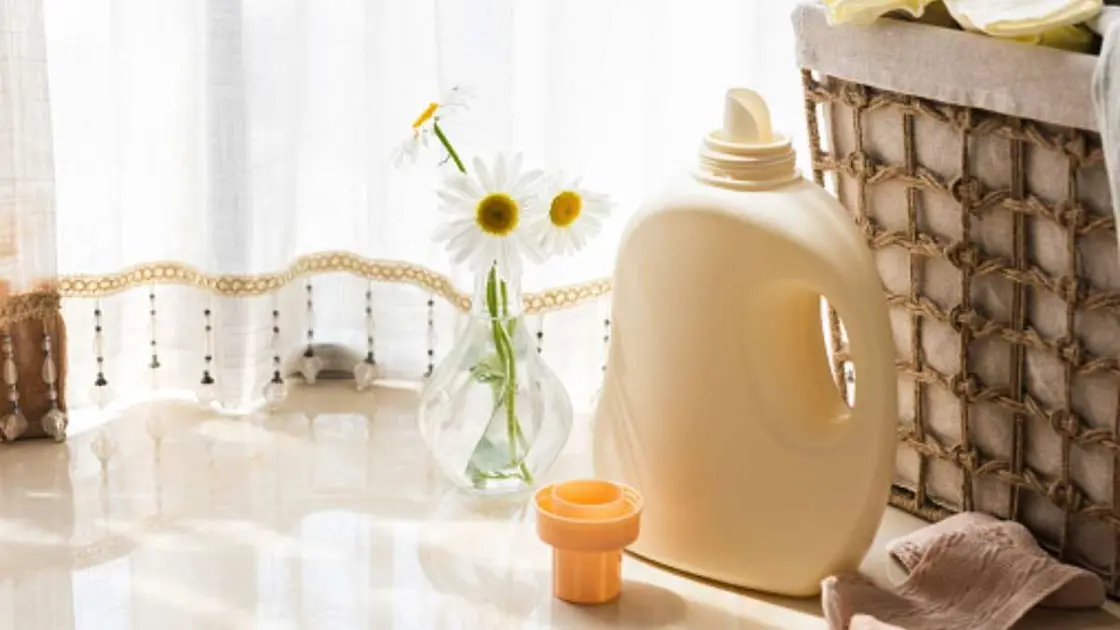
Fabric softener is a common laundry staple that, while seemingly straightforward, can lead to various issues if misused.
Improper use can harm everything from your workout gear to household textiles, so it's crucial to understand the dos and don'ts of fabric softener application when doing laundry. When used correctly, it can transform even the stiffest towels into soft, fragrant essentials.
Here are essential guidelines from laundry professionals to help you get the most out of your fabric softener.
Using Fabric Softener in Your Laundry
Despite its name, fabric softener doesn't automatically guarantee softer fabrics, as noted by laundry expert Rechelle Balanzat, founder of JULIETTE luxury laundry services. She emphasizes that not every load requires fabric softener. Instead, it serves as an enhancement that adds fragrance or makes fabrics cozier and wrinkle-free.
Too much softener can result in greasy or less effective clothing, which is why it's vital to use it judiciously. If you've noticed that your garments feel stiffer after washing, it may be time to reduce the amount of detergent and softener you're using.

Since its inception in 2014, JULIETTE has established itself as a top laundry service, guiding customers through every step of the laundry process for peace of mind.

Fabric softeners work by forming a coating on fabrics to make them more pliable. Excessive use can lead to a greasy texture. So, if you're overloading on softener and not seeing results, consider cutting back on detergents to protect your garments.
However, used correctly, fabric softeners can complement your detergent, enhancing cleanliness and reducing static cling, similar to how shampoo and conditioner work for hair, says Sammy Wang, Senior Scientist at Downy.
In addition to conditioning, proper usage of fabric softener protects clothes during the washing process. The agitation and heat can be damaging, but softeners help mitigate this wear and tear.

With over 11 years at P&G, Sammy has a keen appreciation for the science behind laundry products.
The secret to effective fabric softener use lies in understanding how much to apply and which fabrics benefit from it.
When to Apply Fabric Softener

According to Rechelle Balanzat, it's best to skip fabric softener when washing items like towels, water-repellent fabrics, or flame-retardant clothing. The softener's chemical coating can hinder the fabric's intended functionality, so avoid using it for every wash, especially for microfiber cloths.
Furthermore, she advises against using softener on elastane garments, as it can impair their moisture-wicking abilities and damage their stretch.
Downy April Fresh Liquid Fabric Conditioner | View at Target
Downy Fabric Softener helps maintain fabric integrity while adding a delightful April Fresh fragrance.
'Fabric softener is particularly beneficial for natural fibers,' Sammy explains. Materials such as cotton and linen can absorb water, making them vulnerable to damage in the wash. Softening and conditioning these fabrics can help prevent issues like pilling and fading.
When laundering delicate items like wool, opt for a specific softener designed for heavier fibers, such as Woolite Delicates Detergent from Amazon, to avoid issues like shrinkage.
How Much Fabric Softener Should You Use?

Since fabric softener works by lubricating fibers, the amount used should correspond to the size of your laundry load, advises Sammy Wang. Always refer to package guidelines for dosing recommendations based on load size.
Most fabric softeners come with a measuring cap that indicates how much to use per load.
Keep in mind that formulas vary by brand, ranging from less concentrated to ultra-concentrated, so follow your specific product's instructions.
Correct Timing for Fabric Softener

The timing of adding fabric softener is crucial to maximize its effectiveness. Rechelle recommends adding it during the rinse cycle, after the washing phase. This ensures it doesn't get washed away alongside the detergent. Most quality washing machines automate this process if you add the right product to the designated compartments.
Common Questions
Can You Add Fabric Softener Directly to Laundry?
For optimal results, fabric softener should be added to the washing machine's agitator or designated drawer to ensure even distribution during the rinse cycle. Adding it directly to the laundry can lead to uneven application, resulting in stains and ineffective use.
Is Fabric Softener Necessary?
While fabric softener can enhance certain laundry loads by adding fragrance and softness, it's not essential. You can wash clothes without it and still achieve cleanliness and freshness.
Be cautious with fabric softeners if you have sensitive skin. Choosing a gentle option can help minimize skin irritation from rough fabrics.
Alternatively, consider using vinegar in laundry as a natural softening option that won't leave behind residue, or explore other natural fabric softener alternatives.